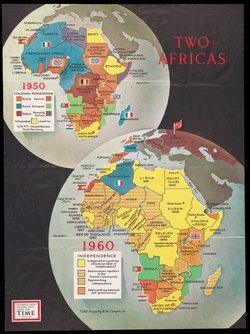
20世紀半ば、アフリカ大陸は歴史的な転換点を迎えました。かつて欧州諸国によって分割され、支配されていた多くの国家が、自らの主権を取り戻すための脱植民地化(植民地支配から脱し、独立すること)へと突き進んだのです。このプロセスは、平和的な交渉による移行から、血塗られた独立戦争まで、地域や支配国によって極めて多様な形態を取りました。
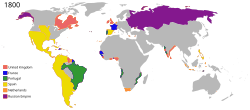
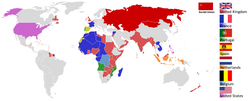
もともと、植民地時代においても主権を維持していたのは、19世紀に元奴隷のアフリカ系アメリカ人が入植したリベリアと、アドワの戦いで勝利し独立を守ったエチオピア(後にイタリアに一時占領される)のみでした。それ以外のほぼ全域が、イギリス、フランス、ベルギー、ポルトガル、ドイツ、イタリア、スペインといった欧州列強の支配下に置かれていました。
Key Facts
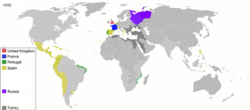
- 支配の広がり:イギリスとフランスが最大規模の領土を保持していたが、他5カ国も植民地を所有していた。
- 独立の波:1950年代から1960年代にかけて多くの国が独立し、特に1960年は「アフリカの年」と呼ばれるほど独立国が急増した。
- 多様な手法:外交交渉による平和的独立の一方で、アルジェリアやアンゴラのように激しい武力衝突を経て主権を得た国も多い。
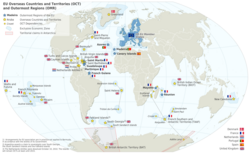
- 最後の課題:西サハラは現在も国連によって非自治地域とされており、「アフリカ最後の植民地」と呼ばれることがある。
植民地支配の構造と背景
19世紀後半から20世紀初頭にかけて、欧州列強は激しい領土争奪戦(スクランブル・フォー・アフリカ)を展開しました。これにより、アフリカの伝統的な境界線は無視され、欧州の都合による国境線が引かれました。
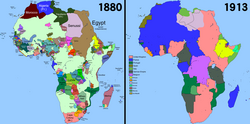
第二次世界大戦直前の1939年時点でも、大陸の大部分は依然として欧州の支配下にありました。しかし、大戦後の世界情勢の変化と、アフリカ内部で高まったナショナリズムが、独立への強力な原動力となりました。
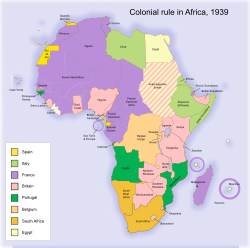
主要国による脱植民地化のプロセス
イギリスの撤退と「変化の風」
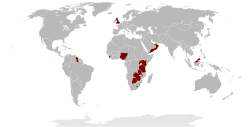
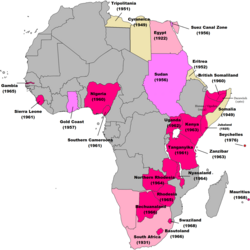
イギリスは、一部の地域を除き1968年までにほとんどの植民地を独立させました。しかし、その過程は必ずしも平穏ではありませんでした。ケニアでは「マウマウ団の反乱」という激しい抵抗運動が起こり、南ローデシア(現在のジンバブエ)では白人少数政権による一方的な独立宣言を経て、長い内戦の末に1980年になってようやく国際的に認められた独立を果たしました。
フランスの統治とアルジェリアの悲劇
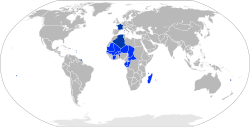
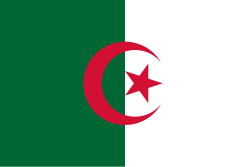
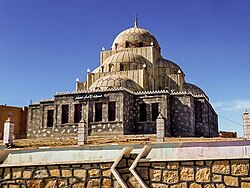
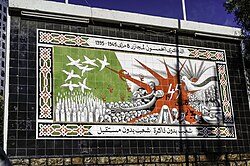
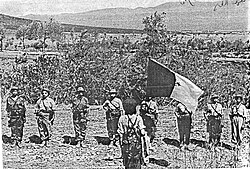
フランスは「フランス共同体」という枠組みを通じて影響力を維持しようとしましたが、アルジェリアでは激しい独立戦争へと発展しました。1945年のセティフとゲルマの虐殺事件がナショナリズムを急進化させ、最終的に1962年のエヴィアン協定によって独立を勝ち取りました。この戦いには多くの女性も参加し、後のフランスにおける宗教と国家の関係にも大きな影響を与えました。
ポルトガルの強硬姿勢と崩壊
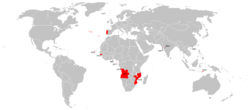
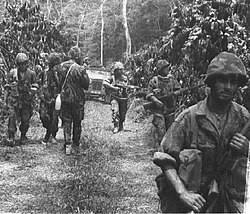
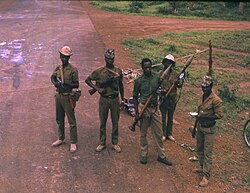
他の欧州諸国とは対照的に、ポルトガルのエスタド・ノヴォ体制は植民地からの撤退を拒否しました。その結果、アンゴラ、ギニアビサウ、モザンビークで13年に及ぶ「ポルトガル植民地戦争」が勃発しました。この泥沼の戦いは、1974年にポルトガル本国で軍事クーデターが起こり、政権が交代したことで終結しました。その後、多くのポルトガル入植者が「レトルナドス(帰還者)」として本国へ戻ることとなりました。
その他の支配国と地域
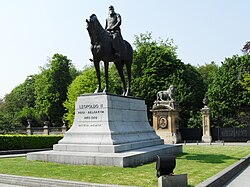
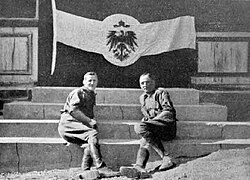
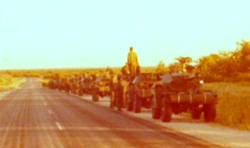
ベルギーはコンゴ民主共和国に独立を与えましたが、その後の移行は混乱を極めました。また、南西アフリカ(現在のナミビア)では、南アフリカによる支配に対する抵抗が続き、1990年になってようやく独立を実現しました。
主権回復のタイムラインと概要
アフリカの独立は、19世紀半ばのリベリアから、21世紀の南スーダンまで、長い時間をかけて段階的に進みました。
![Geographic distribution of Europeans and their descendants on the African continent in 1962:[50] Over 100,000](/images/fb/cc/fbccb62965bd5f066599cb740873fe821e4f425491c4c4b3deff899156f13fc6.png)
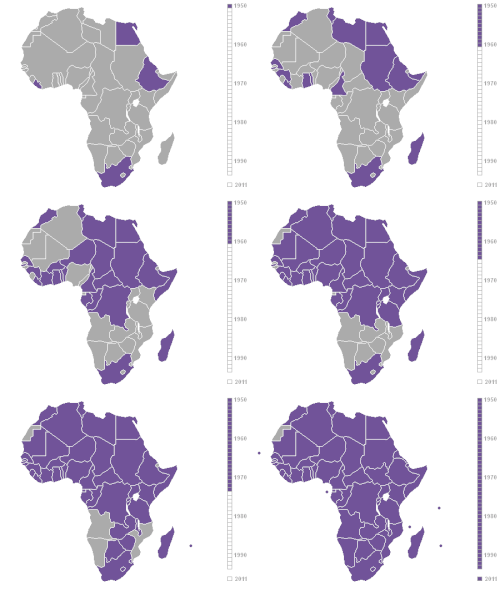
| 国名 | 旧宗主国 | 独立年 | 独立の形態・特徴 |
|---|---|---|---|
| リベリア | アメリカ(入植団体) | 1847年 | 独立宣言による早期の主権確立 |
| ガーナ | イギリス | 1957年 | 選挙を経て、サハラ以南で先駆的に独立 |
| コンゴ民主共和国 | ベルギー | 1960年 | 円卓会議を経て独立 |
| アルジェリア | フランス | 1962年 | 激しい独立戦争と和平協定による独立 |
| アンゴラ | ポルトガル | 1975年 | 長期の植民地戦争と本国政権交代により独立 |
| ナミビア | 南アフリカ/ドイツ | 1990年 | 国連決議と国境戦争を経て独立 |
| エリトリア | イタリア/エチオピア | 1993年 | 住民投票による圧倒的な支持で独立 |
Frequently Asked Questions
なぜ1960年に多くの国が独立したのですか?
1960年は「アフリカの年」と呼ばれ、特にフランス領西アフリカの多くの国々が一斉に独立を達成したためです。これは、世界的な脱植民地化の流れと、各国で高まったナショナリズムが頂点に達した結果です。
すべての国が平和的に独立したのでしょうか?
いいえ。ガーナのように比較的平和的に移行した国がある一方で、アルジェリアやアンゴラ、モザンビークのように、宗主国との激しい武力衝突(独立戦争)を経て主権を勝ち取った国も多く存在します。
ポルトガルの脱植民地化が遅れた理由は何ですか?
当時のポルトガルを統治していた「エスタド・ノヴォ」体制が、植民地を国家の不可欠な一部と見なし、撤退を頑なに拒否したためです。最終的には本国での軍事クーデターによって体制が崩壊し、独立へと向かいました。
現在も独立していない地域はあるのでしょうか?
国連の定義では、西サハラが依然として「非自治地域」とされており、完全な脱植民地化が達成されていない「アフリカ最後の植民地」と見なされています。
独立後のアフリカ諸国が直面した課題は何でしたか?
宗主国が引いた不自然な国境線による民族対立、一方的な政党支配、高い失業率などが原因となり、アルジェリアのように独立直後に内戦に突入するケースもありました。
References
- This article discusses decolonisation from 1950 to 1976. As of 2026, is still designated by the United Nations as a undergoing decolonisation. It has yet to achieve full independence and in academic literature, it is often called "Africa's last colony".
- Explanatory notes are added in cases where decolonisation was achieved jointly by multiple countries or where the current country is formed by the merger of previously decolonised countries. Although was administered as a in the aftermath of the and was recognised by the international community as such at the time, it is not listed here as its brief period under Italian rule (which lasted for a little more than five years and ended with the return of the ) is now usually seen as a military occupation.
- Some territories changed hands multiple times, so only the last colonial power is mentioned in the list. In addition, the mandatory or trustee powers are mentioned for territories that were and .
- The dates of decolonisation for territories annexed by or integrated into previously decolonised independent countries are given in separate notes, as are dates when a abolished its monarchy.
- For countries that became independent either as a , a monarchy with a strong Prime Minister, or a parliamentary republic, the head of government is listed instead.
- Liberia would later annex the , another settler colony made up of former African-American slaves, in 1857. Liberia would not be recognised by the United States until 5 February 1862.
- was President on the date of the United States' recognition.
- The Union of South Africa was constituted through the entering into force on 31 May 1910. On 11 December 1931, it got increased self-governance powers through the which was followed by transformation into a republic after the . Afterwards, South Africa was under until elections resulting from the on 27 April 1994 when became president.
- On 28 February 1922 the government issued the . Through this declaration, the British government unilaterally ended its protectorate over Egypt and granted it nominal independence except four "reserved" areas: foreign relations, communications, the military, and the . The reduced British involvement, but still was not welcomed by Egyptian nationalists, who wanted full independence from Britain, which was not achieved until . The last British troops left Egypt after the of 1956.
- Although the leaders of the 1952 revolution ( and ) became the de facto leaders of Egypt, neither would assume office until 17 September of that year when Naguib became Prime Minister, succeeding who was sworn in on the day of the revolution. Nasser would succeed Naguib as Prime Minister on 25 February 1954.
📸 フォトギャラリー