Astronaut Buzz Aldrin, standing on the Moon
← ホームへ戻る

アポロ計画人類を月へと導いた壮大な宇宙探査の軌跡

1960年代、世界は激しい宇宙開発競争の渦中にありました。その頂点に君臨したのが、アメリカ航空宇宙局(NASA)が主導したアポロ計画です。この計画は、単なる技術的な挑戦ではなく、人類が初めて地球以外の天体に足を踏み入れるという、種としての歴史的な転換点となりました。

1961年、ジョン・F・ケネディ大統領は、10年以内に人間を月に着陸させ、安全に地球へ帰還させるという野心的な目標を掲げました。この宣言が、後の月面着陸に向けた国家的なプロジェクトの号砲となりました。
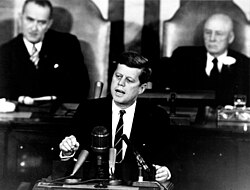
President John F. Kennedy addresses a joint session of Congress, with Vice President Lyndon B. Johnson and House Speaker Sam Rayburn seated behind him

Key Facts

  • 実施期間:1961年から1972年まで
  • 総費用:約254億ドル(1973年時点の価格)
  • 最大の成果:計6回の有人月面着陸を成功させた
  • 主要ロケット:史上最強の推力を誇るサターンV(サターンファイブ)
  • 象徴的出来事:1969年7月20日、ニール・アームストロングによる人類初の月面歩行

月への道を切り拓いた技術と戦略

ミッション形式の決定と設計

月へ到達するための手法として、ジョン・ハウボルトらが提唱した月軌道ランデブー(LOR)方式が採用されました。これは、全ての機材を月面に降ろすのではなく、司令船を月軌道に待機させ、小型の着陸船のみを月面に派遣して後で合流させる効率的な手法です。
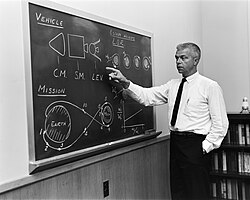
John Houbolt explaining the LOR concept

初期の検討段階では、直接月へ向かう「ダイレクト・アセント」などの案もありましたが、重量と燃料の制約からLORが最適であると判断されました。
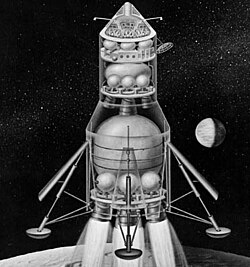
An early Apollo configuration for Direct Ascent and Earth Orbit Rendezvous, 1961

宇宙船とロケットの構成

アポロ計画では、役割の異なる複数の機体とロケットが組み合わされました。乗組員の居住区となる司令・機械船(CSM)と、月面への降下・上昇を担う月着陸船(LM)がその中核です。
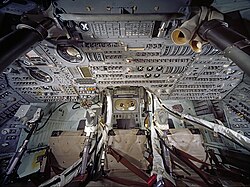
Original cockpit of the command module of Apollo 11 with three seats, photographed from above. It is located in the National Air and Space Museum; the very high resolution image was produced in 2007 by the Smithsonian Institution.

これらの機体を打ち上げるため、リトルジョーIIやサターンI、サターンIBを経て、最終的に巨大なサターンVロケットが開発されました。サターンVは、人類を月へ運ぶための圧倒的なパワーを提供しました。
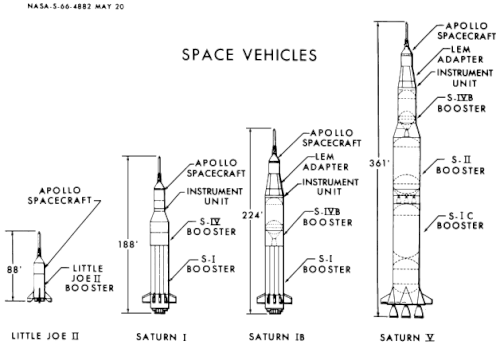
Four Apollo rocket assemblies, drawn to scale: Little Joe II, Saturn I, Saturn IB, and Saturn V

打ち上げの成功には、ヴェルナー・フォン・ブラウンら多くの技術者の尽力と、緻密な管制運用が不可欠でした。
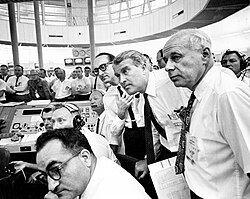
George Mueller, Wernher von Braun, and Eberhard Rees watch the AS-101 launch from the firing room.

困難と悲劇を乗り越えた開発プロセス

アポロ1号の悲劇と改善

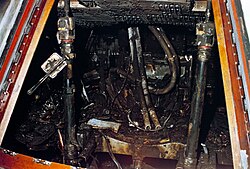
順調に見えた開発途上でしたが、1967年に発生したアポロ1号の火災事故は計画に大きな衝撃を与えました。訓練中に発生したこの事故で3名の宇宙飛行士が犠牲となりましたが、NASAはこの悲劇を教訓に、船内環境の改善や宇宙服の設計変更など、徹底的な安全対策を講じました。
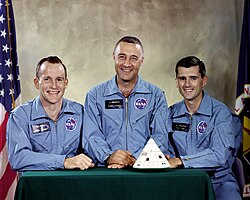
Apollo 1 crew: Ed White, command pilot Gus Grissom, and Roger Chaffee
Charred Apollo 1 cabin interior
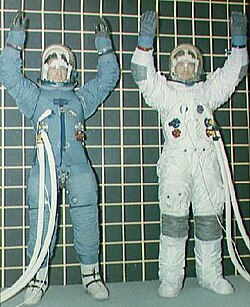
Block II spacesuit in January 1968, before (left) and after changes recommended after the Apollo 1 fire

無人テストから有人飛行へ

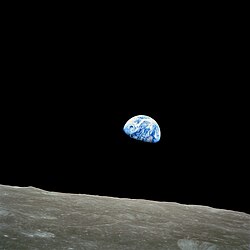
安全性を確保するため、多くの無人飛行試験(AS-201など)が実施されました。その後、アポロ7号による地球周回飛行を経て、アポロ8号が人類で初めて月の周回に成功し、地球の出(アースライズ)という歴史的な光景を捉えました。
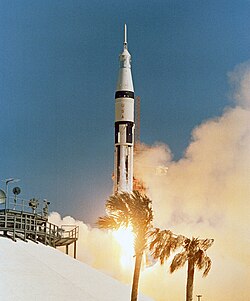
A Saturn IB rocket launches Apollo 7, 1968
Earthrise, the iconic 1968 image from Apollo 8 taken by astronaut William Anders

さらにアポロ9号と10号で月着陸船の動作確認とリハーサルを行い、万全の体制でアポロ11号の出撃に備えました。
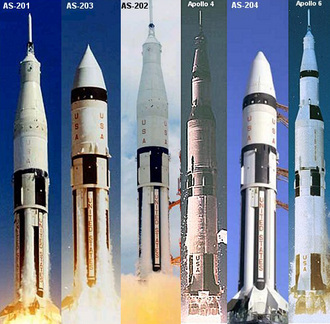
Composite image of uncrewed development Apollo mission launches in chronological sequence.
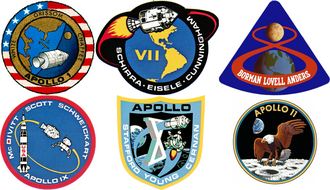
Composite image of six crewed Apollo development mission patches, from Apollo 1 to Apollo 11.

月面着陸の実現と探査の拡大

人類初の足跡:アポロ11号

1969年7月、ついにアポロ11号が月面に到達しました。ニール・アームストロングとバズ・オルドリンが「イーグル」号で静かの海に着陸し、人類史上初めて月面を歩きました。この瞬間は世界中に生中継され、人類の可能性を証明しました。
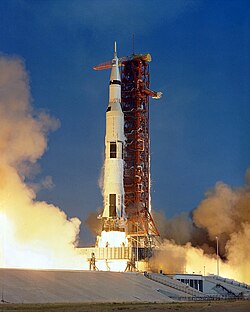
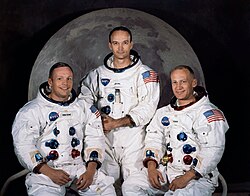
A Saturn V rocket launches Apollo 11, 1969
Apollo 11 crew, from left: Commander Neil Armstrong, Command Module Pilot Michael Collins, and Lunar Module Pilot Buzz Aldrin
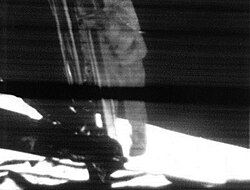
Neil Armstrong descends the LM's ladder in preparation for the first steps on the lunar surface, as televised live on July 20, 1969.
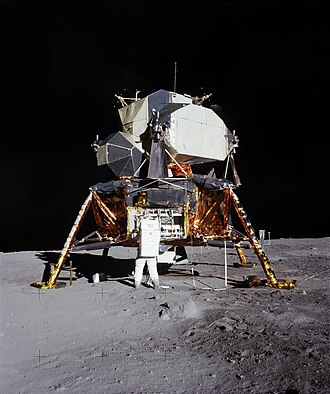
Apollo 11 Lunar Module Eagle (and Buzz Aldrin) on the Moon, photographed by Neil Armstrong

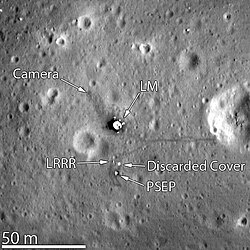
彼らが残した足跡や機材は、現在も月面に保存されており、後の探査機によってその姿が確認されています。
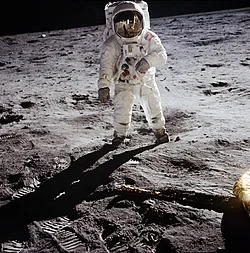
Astronaut Buzz Aldrin, standing on the Moon
Tranquility Base, imaged in March 2012 by the Lunar Reconnaissance Orbiter

探査の深化と月面車の導入

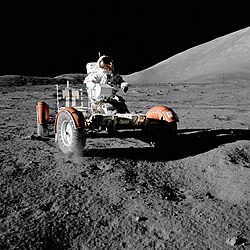
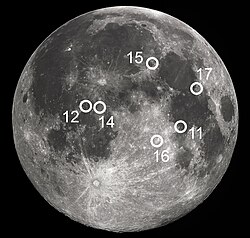
アポロ12号以降、探査はより科学的な分析へと移行しました。特にアポロ15号から17号にかけては、月面車(LRV)が導入され、飛行士はより広範囲な地質調査を行うことが可能となりました。
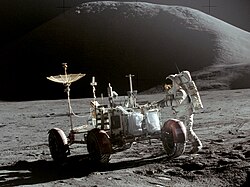
Lunar Roving Vehicle used on Apollos 15–17.
The Apollo 17 Lunar Roving Vehicle

アポロ13号では爆発事故により着陸は叶いませんでしたが、乗組員の機転と地上のサポートにより奇跡的な生還を果たしました。その後、アポロ14号から17号まで、合計12名の飛行士が月面を歩き、膨大な量の岩石サンプルを持ち帰りました。
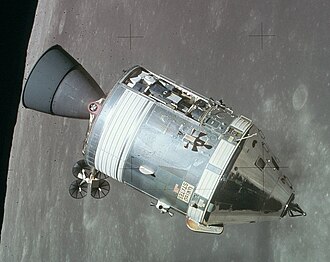
The cone-shaped command module, attached to the cylindrical service module, orbits the Moon with a panel removed, exposing the scientific instrument module
Apollo landings on the Moon, 1969–1972

最終ミッションとなったアポロ17号では、美しい地球の姿を捉えた「ブルーマーブル」が撮影され、宇宙から見た地球の尊さが改めて認識されました。

The Blue Marble photograph taken on December 7, 1972, during Apollo 17. "We went to explore the Moon, and in fact discovered the Earth." —Eugene Cernan

アポロ計画の概要まとめ

アポロ計画の全容を以下の表にまとめます。

アポロ計画 主要ミッション概要
ミッション 主な目的・成果 月面着陸 特記事項
アポロ7号 有人地球周回試験 なし 初の有人飛行
アポロ8号 有人月周回飛行 なし 人類初の月周回
アポロ11号 人類初の月面着陸 あり アームストロングらが着陸
アポロ13号 月面着陸(未完) なし 機体故障からの奇跡的生還
アポロ15〜17号 高度な科学探査 あり 月面車の運用、詳細な地質調査

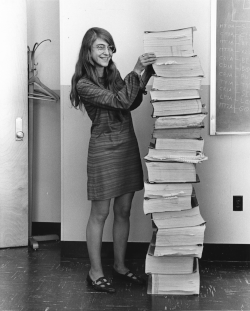
この壮大なプロジェクトを支えたのは、ハードウェアだけでなく、マーガレット・ハミルトンらが開発した高度なナビゲーション・ソフトウェアなどのソフト面での革新もありました。
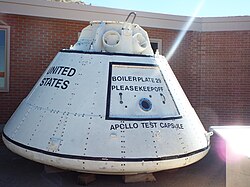
An Apollo boilerplate command module is on exhibit in the Meteor Crater Visitor Center in Winslow, Arizona.
Margaret Hamilton standing next to the navigation software that she and her MIT team produced for the Apollo project
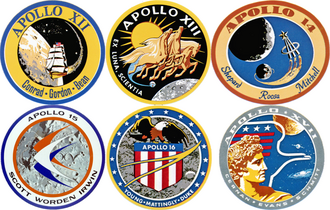
Composite image of six production crewed Apollo lunar landing mission patches, from Apollo 12 to Apollo 17.

Frequently Asked Questions

アポロ計画の総費用はどれくらいでしたか?

NASAの報告によると、1973年時点での総費用は約254億ドルでした。内訳としては、サターンロケットの開発に約91億ドル、宇宙船の開発に約85億ドルが投じられました。

月面着陸に成功したのは何回ですか?

アポロ11号から始まり、12、14、15、16、17号の計6回、有人月面着陸に成功しました。アポロ13号は事故のため着陸できませんでした。

月面車(LRV)はいつから使われましたか?

月面車はアポロ15号のミッションから導入されました。これにより、飛行士は徒歩での移動限界を超えて広範囲のサンプル採取や観測を行うことができました。

アポロ計画で得られた最大の科学的成果は何ですか?

合計で数百キログラムに及ぶ月面岩石や土壌のサンプルを持ち帰ったことです。これにより、月の起源や太陽系の進化に関する研究が飛躍的に進展しました。

アポロ計画の後はどうなったのですか?

アポロ計画の技術は、その後のスカイラブ(宇宙ステーション)やアポロ・ソユーズテスト計画に活用されました。そして現代では、その精神を継承した「アルテミス計画」により、再び人類を月に送る準備が進められています。

References

  1. "How much did the Apollo program cost?". . Archived from the original on April 1, 2025. Retrieved March 25, 2024.
  2. "Apollo 11 Moon Landing Stories". National Air and Space Museum. February 25, 2021. Retrieved March 10, 2026.
  3. "NASA Adds Mission to Artemis Lunar Program, Updates Architecture". NASA. February 27, 2026. Retrieved April 27, 2026.
  4. , p. 55.
  5. Kelsey, Charles E. (July 14, 1969). "1969 Apollo 11 News Release" (PDF) (Press release). Cleveland, OH: . 69-36. Archived (PDF) from the original on February 6, 2025. Retrieved April 8, 2025.
  6. Portree, David S. F. (September 2, 2013). "Project Olympus (1962)". . Archived from the original on March 23, 2025. Retrieved October 12, 2023.
  7. , Ch. 1.7: "Feasility Studies". pp. 16–21.
  8. Preble, Christopher A. (2003). ""Who Ever Believed in the 'Missile Gap'?": John F. Kennedy and the Politics of National Security". Presidential Studies Quarterly. 33 (4): 813. :10.1046/j.0360-4918.2003.00085.x.  27552538.
  9. , pp. 117–118

📸 フォトギャラリー

Astronaut Buzz Aldrin, standing on the Moon
The Apollo 17 Lunar Roving Vehicle
Earthrise, the iconic 1968 image from Apollo 8 taken by astronaut William Anders
President John F. Kennedy addresses a joint session of Congress, with Vice President Lyndon B. Johnson and House Speaker Sam Rayburn seated behind him
George Mueller, Wernher von Braun, and Eberhard Rees watch the AS-101 launch from the firing room.
John Houbolt explaining the LOR concept
An early Apollo configuration for Direct Ascent and Earth Orbit Rendezvous, 1961
An Apollo boilerplate command module is on exhibit in the Meteor Crater Visitor Center in Winslow, Arizona.
The cone-shaped command module, attached to the cylindrical service module, orbits the Moon with a panel removed, exposing the scientific instrument module
Original cockpit of the command module of Apollo 11 with three seats, photographed from above. It is located in the National Air and Space Museum; the very high resolution image was produced in 2007 by the Smithsonian Institution.
Apollo 11 Lunar Module Eagle (and Buzz Aldrin) on the Moon, photographed by Neil Armstrong
Four Apollo rocket assemblies, drawn to scale: Little Joe II, Saturn I, Saturn IB, and Saturn V
A Saturn IB rocket launches Apollo 7, 1968
A Saturn V rocket launches Apollo 11, 1969
Apollo 1 crew: Ed White, command pilot Gus Grissom, and Roger Chaffee
Apollo 11 crew, from left: Commander Neil Armstrong, Command Module Pilot Michael Collins, and Lunar Module Pilot Buzz Aldrin
Composite image of uncrewed development Apollo mission launches in chronological sequence.
Charred Apollo 1 cabin interior
Block II spacesuit in January 1968, before (left) and after changes recommended after the Apollo 1 fire
Composite image of six crewed Apollo development mission patches, from Apollo 1 to Apollo 11.
Neil Armstrong descends the LM's ladder in preparation for the first steps on the lunar surface, as televised live on July 20, 1969.
Composite image of six production crewed Apollo lunar landing mission patches, from Apollo 12 to Apollo 17.
Apollo landings on the Moon, 1969–1972
Lunar Roving Vehicle used on Apollos 15–17.
Tranquility Base, imaged in March 2012 by the Lunar Reconnaissance Orbiter
Margaret Hamilton standing next to the navigation software that she and her MIT team produced for the Apollo project
The Blue Marble photograph taken on December 7, 1972, during Apollo 17. "We went to explore the Moon, and in fact discovered the Earth." —Eugene Cernan