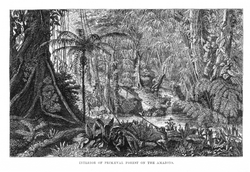
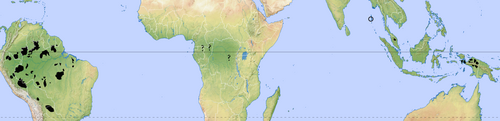
南米大陸に広がるアマゾン熱帯雨林は、地球上で最大の熱帯雨林であり、その広大な面積と比類なき生物多様性から「地球の肺」とも称されます。ブラジルを中心に、ペルー、コロンビア、ベネズエラなど9つの国にまたがるこの地域は、単なる森林ではなく、複雑に絡み合った生命のネットワークを形成しています。
かつては未知の領域として探検家たちの好奇心を刺激し、多くの記録が残されてきました。
主要な事実(Key Facts)
- 総面積:約550万平方キロメートルに及ぶ広大な森林地帯。
- 分布:ブラジル、ペルー、コロンビア、ボリビア、エクアドル、ガイアナ、スリナム、フランス領ギアナ、ベネズエラの9カ国にまたがる。
- 生物多様性:1ヘクタールあたり数百種の樹木や鳥類が生息する極めて密度の高い生態系。
- 環境リスク:地球気温が3〜4°C上昇、または森林破壊が40%を超えると、回復不能な「ティッピングポイント(臨界点)」に達すると警告されている。
- 現状:全体の約20%が森林破壊され、さらに6%が深刻な劣化状態にある。
地理的特性と人間社会
アマゾン盆地は、世界最大級の流量を誇るアマゾン川とその支流によって形成されています。この地域には、近代的な都市から伝統的な生活を営むコミュニティまで、多様な人々が共生しています。例えば、盆地最大の都市マナウスは人口220万人に達し、経済の中心地となっています。
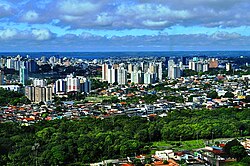
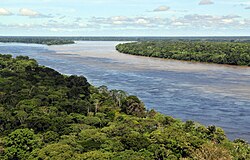
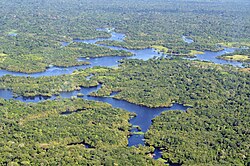
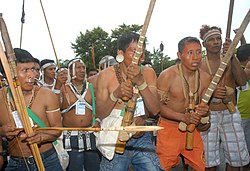
一方で、外部との接触を断って生活する未接触部族や、ヤノマミ族のような先住民族が今も暮らしています。彼らは森林の守り手として重要な役割を果たしていますが、外部からの圧力にさらされています。
![The Yanomami are a group of approximately 32,000 indigenous people who live in the Amazon rainforest[11]](/images/3f/5e/3f5e0104a2026ae39de842fc42975f9dcf08fc2088ce16f616f93c7cdcb4c819.jpg)
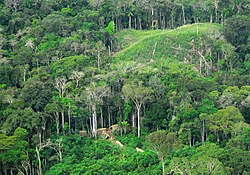
また、川沿いで伝統的な生活を送る非先住民族の「リベイリーニョス」など、環境に適応した多様な居住形態が見られます。
![Ribeirinhos dwellings; Ribeirinhos are a traditional rural non-indigenous[b] population in the Amazon rainforest, who live near rivers.](/images/f0/fc/f0fcad27babbb85ffbf1f9ea187acf979922ded61bba26c3080af776a007fd7c.jpg)
驚異的な生物多様性と自然のメカニズム
アマゾンの生態系は、驚くべき種密度を誇ります。樹木だけでなく、着生植物(他の植物に寄生せず、根を空中に伸ばして生きる植物)や、多種多様な両生類、爬虫類、哺乳類が共存しています。ジャガーやグリーンアナコンダ、ブラックカイマンといった大型生物から、猛烈な刺を持つ弾丸アリのような小生物まで、あらゆる階層の生命が息づいています。
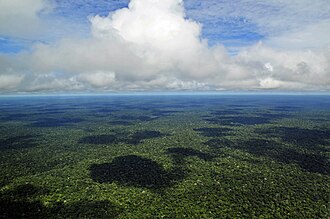
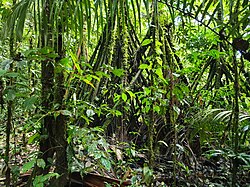
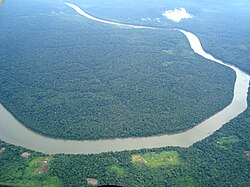
特筆すべきは、森林と大気の相互作用です。森林から放出される水分が「ポップコーン状」の積雲を形成し、それが雨となって再び森を潤すという循環システムが構築されています。
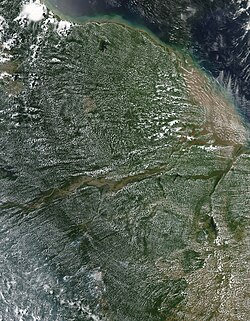
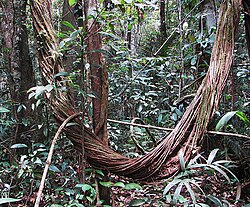
さらに、大西洋を越えてサハラ砂漠から運ばれる塵が、森林に不可欠なリンなどの栄養分を供給しているという、地球規模の物質循環も明らかになっています。また、巨大なリアナ(つる植物)などの特異な植物相もこの地の象徴です。
![Peruvian researcher Tatiana Espinosa [es] with a Dipteryx micrantha tree in the Peruvian Amazonia](/images/6e/a6/6ea6ea73b25466076da4084f524f12b46c9754b654aa2b95b63b8deaf82672f9.jpg)
生息種密度の例(1ヘクタールあたり)
| 生物グループ | 推定種数 / ha |
|---|---|
| 樹木 | 310 |
| 鳥類 | 160 |
| 着生植物 | 96 |
| 魚類 | 44 |
| 両生類 | 33 |
| 爬虫類 | 22 |
| 霊長類 | 10 |
森林破壊と環境破壊の脅威
現在、アマゾンは深刻な危機に直面しています。特にブラジルにおける一次林(原生林)の喪失は顕著であり、農業用地の拡大や違法な採掘活動が主な原因となっています。
![Home to much of the Amazon rainforest, Brazil's tropical primary (old-growth) forest loss greatly exceeds that of other countries.[66]](/images/4d/c6/4dc6015b7df0ab5fb284b66a44d6f29124f33eb839de955159d1559b4c6b5ed0.webp)
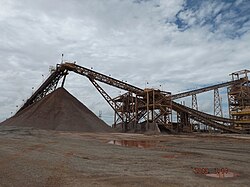
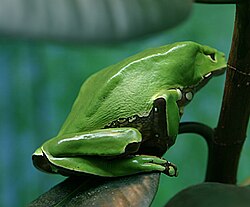
2019年には記録的な森林火災が発生し、ブラジル国内の火災の半数以上がアマゾン地域に集中しました。このような環境変化は、環境変動に極めて敏感な樹上蛙などの種を絶滅の危機に追い込んでいます。
さらに懸念されるのが、気候変動による影響です。研究によれば、産業革命前からの気温上昇が3°Cに達すれば森林の75%が、4°Cに達すれば85%が消失する可能性があるとされています。森林が失われることで、二酸化炭素の吸収源から放出源へと転換してしまうリスクも指摘されています。
![Overall, 20% of the Amazon rainforest has been "transformed" (deforested) and another 6% has been "highly degraded", causing Amazon Watch to warn that the Amazonia is in the midst of a tipping point crisis.[67]](/images/50/d9/50d9c6c5fcad9543dfe4053d6be23cec336f72abf0f8afc8d2c0f617b3edc3d3.webp)
![Tipping cascades in the Amazon rainforest, according to the 2023 Global Tipping Points report. Potential tipping points for the Amazon include a 3–4°C rise in global temperature and deforestation levels over 40%.[121]](/images/21/34/2134601851a44e192d3cee331fb06ed100d1349fd924abcd33e666a96781f4aa.png)
保全への取り組みと未来への展望
絶望的な状況ばかりではありません。2002年から2006年にかけて、保全地域の拡大により森林破壊率が最大60%減少した実績があります。現在では約173万平方キロメートルが何らかの保護下に置かれています。
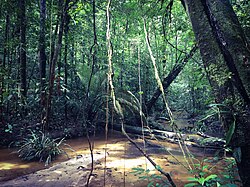
近年では、エクアドルの裁判所が石油掘削活動を禁止する判決を出すなど、法的手段による保護も進んでいます。また、2023年のデータでは、ブラジル政府の政策転換などにより、前年同期比で森林破壊率が56%減少したという報告もあり、適切な管理と政策があれば回復の可能性があることが示されています。
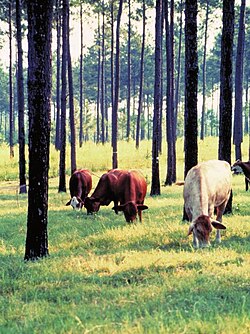
今後は、家畜と樹木を共存させる「シルボパストラル(林間放牧)」のような、環境負荷を抑えた経済モデルの導入が期待されています。
Frequently Asked Questions
アマゾンの森林破壊が止まらない主な理由は何ですか?
主な原因は、家畜の放牧地や大豆などの農地を確保するための森林伐採、および金などの鉱物資源を目的とした違法採掘です。また、道路建設などのインフラ整備が森林の分断を加速させています。
「ティッピングポイント(臨界点)」とは具体的に何を指しますか?
森林破壊や気温上昇がある一定の閾値(例えば森林消失率40%や気温上昇3〜4°C)を超えると、森林が自律的に維持できなくなり、急速にサバンナのような乾燥した生態系へ移行してしまう不可逆的な転換点を指します。
アマゾンは本当に世界の酸素の20%を生産しているのですか?
一般的にそう言われることが多いですが、実際には森林内で消費される酸素量も多いため、正味の寄与度はそれほど高くはないという見解が科学的に示されています。しかし、炭素固定や気候調節における役割は依然として極めて重要です。
先住民族の保護はなぜ環境保全に繋がるのですか?
先住民族は数世代にわたり森林と共生する伝統的な知識を持っており、彼らが管理する地域は、外部に開放された地域よりも森林破壊率が著しく低い傾向にあるためです。
最近の森林破壊率の低下は一時的なものですか?
2023年に大幅な減少が見られたのは、主にブラジルなどの政府による取り締まり強化や政策変更の結果です。これを永続的な傾向にするには、持続可能な経済モデルへの移行と国際的な協力が不可欠です。
References
- : Floresta amazônica or Amazônia, spelled Amazónia in ; : Selva amazónica, Amazonía, or usually Amazonia; : Forêt amazonienne; : Amazoneregenwoud. In English, the names are sometimes capitalized further, as Amazon Rainforest, Amazon Forest, or Amazon Jungle.
- Many are or (mixed-race), also called , descendants of Amazonian indigenous people and white Portuguese colonizers. Despite their indigenous ancestry, they no longer identify with any indigenous ethnicity.
📸 フォトギャラリー