アメリカ合衆国は、世界で初めて原子爆弾を開発し、実戦で使用した国家です。1939年に始まった核開発プログラムは、第二次世界大戦中のマンハッタン計画から冷戦期の激しい軍拡競争を経て、現代の戦略的抑止力へと形を変えてきました。本記事では、その技術的進化、運用体制、そして軍縮への歩みを詳しく解説します。
主要な事実(Key Facts)
- 開発開始: 1939年9月21日
- 初の核実験: 1945年7月16日(トリニティ実験)
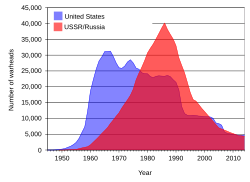
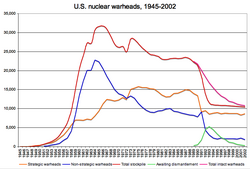
- 最大保有数: 31,255発(1967年)
- 現在の保有数: 約3,700発
- 核三本柱: ICBM(大陸間弾道ミサイル)、SLBM(潜水艦発射弾道ミサイル)、戦略爆撃機の3系統による運用
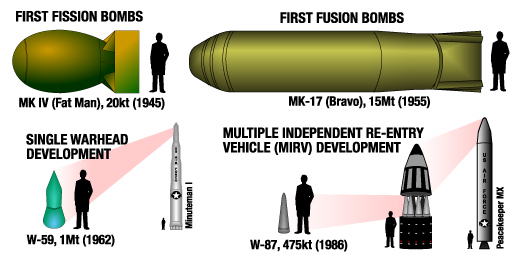
- 最大威力: 大気圏内実験で15メガトン(1954年)
核兵器開発の歴史と進化
マンハッタン計画と初期の兵器
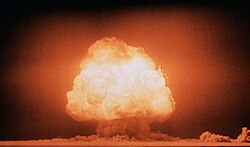
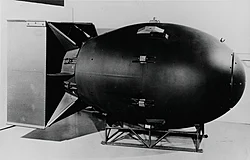
アメリカの核開発は、第二次世界大戦中に極秘に進められたマンハッタン計画から始まりました。ロバート・オッペンハイマーらの主導により、1945年には初の核爆発実験「トリニティ」に成功。その後、広島と長崎に投下された「リトルボーイ」や「ファットマン」といった初期モデルが登場しました。
冷戦期の軍拡と熱核兵器の登場
戦後、ソ連との冷戦構造に突入すると、兵器の威力は飛躍的に向上しました。1952年の「アイビー・マイク」実験により、従来の原子爆弾を遥かに凌ぐ威力を持つ熱核兵器(水素爆弾)が開発されました。1960年代後半には保有数が3万発を超えるピークに達し、世界は核による相互確証破壊の緊張状態に置かれました。
ポスト冷戦と現代の管理体制
冷戦終結後、アメリカは戦略兵器削減条約(START)などの枠組みを通じて、保有数の大幅な削減を進めてきました。現在は、量よりも質的な近代化に重点を置き、精度の向上や新世代のミサイル(センチネルなど)への移行を図っています。
核三本柱(Nuclear Triad)による運用体制
アメリカは、攻撃手段を分散させることで生存性を高める核三本柱という戦略を採用しています。これにより、一部の兵器が破壊されても報復能力を維持できる仕組みとなっています。
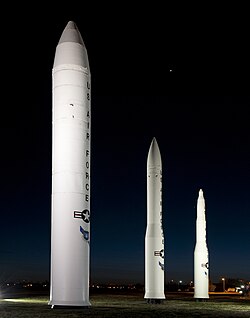
- 陸上戦力: LGM-30G ミニットマンIIIなどのICBMをサイロに配備。
- 海上戦力: オハイオ級潜水艦から発射されるトライデントII SLBM。最も生存性が高く、強力な抑止力となります。
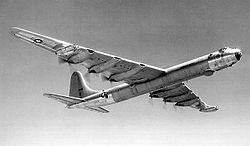
- 空中戦力: B-52HやB-2Aなどの戦略爆撃機による巡航ミサイルおよび重力爆弾の投下。
核開発を支える施設とインフラ
核兵器の設計から製造、廃棄までを管理するため、全米に専門施設が分散して配置されています。
| 施設名 | 主な役割 | 現在のステータス |
|---|---|---|
| ロスアラモス国立研究所 | 研究・設計、核弾頭の製造 | 稼働中 |
| ローレンス・リバモア国立研究所 | 設計、性能認証 | 稼働中 |
| ハンフォードサイト | プルトニウム生産 | 停止(環境浄化中) |
| パンテックス工場 | 兵器の組み立て・解体 | 稼働中 |
| ネバダ核実験場 | 核実験、廃棄物処理 | 稼働中(実験は終了) |
核実験の功罪と社会的影響
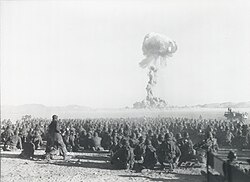
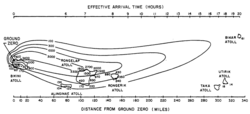
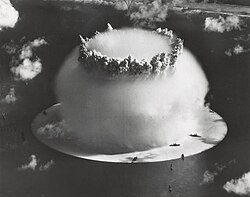
アメリカは過去に1,000回以上の核爆発実験を行いました。しかし、その過程で深刻な事故や環境汚染が発生しています。例えば、1954年の「キャッスル・ブラボー」実験では、予想を上回る放射性降下物が広範囲に拡散し、住民に甚大な被害を与えました。
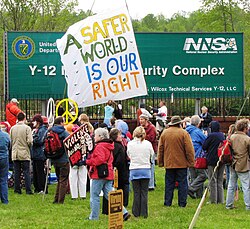
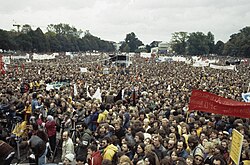
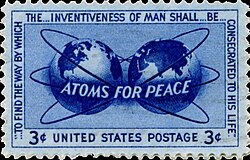
こうした背景から、国内では核兵器廃絶を求める反核運動が活発化し、ネバダ実験場などでの抗議活動や、平和的な核利用を推進する「平和のための原子力(Atoms for Peace)」プログラムなどの政策的転換が図られてきました。

よくある質問(FAQ)
アメリカの核兵器の現在の保有数はどのくらいですか?
最新のデータによると、総在庫は約3,700発とされており、そのうち配備されているものは約1,770発、残りは予備として保管されています。
「核三本柱」とは具体的に何を指しますか?
大陸間弾道ミサイル(ICBM)、潜水艦発射弾道ミサイル(SLBM)、そして戦略爆撃機の3つの異なる配送手段を組み合わせた運用体制のことです。
核実験は現在も行われていますか?
いいえ。アメリカによる最後の核実験は1992年9月23日の「ディバイダー」実験であり、現在は実爆実験を行わずにシミュレーションなどで性能を維持する「ストックパイル・スチュワードシップ」という手法を用いています。
核兵器の管理はどの機関が行っていますか?
戦略的な運用は統合戦闘軍の一つである戦略軍(STRATCOM)が担い、研究開発や製造はエネルギー省(DOE)管轄の国立研究所や工場が担当しています。
NPT(核不拡散条約)におけるアメリカの立場は?
アメリカは1968年に署名したNPTの締約国であり、条約で認められた5つの核兵器国の一つとして、核不拡散の義務と核軍縮への努力を負っています。
References
- As of 2026, the believes a small number of B83 nuclear bombs remain in the stockpile but not deployed, as their retirement should be imminent.
- According to Carey Sublette's Nuclear Weapon Archive, the United States "tested (by official count) 1054 nuclear tests" between 1945 and 1992.
- stored in European countries under are under the command of via .
- Only 970 warheads are estimated to be actively deployed to submarine-launched ballistic missiles at any one time.
- Only 400 warheads are estimated to be actively deployed to silo-based ballistic missiles at any one time.
- Only 300 warheads are estimated to be actively deployed at heavy bomber bases at any one time.
- US nuclear-capable tactical aircraft include certain units of the , , and , while NATO (European-operated , F-35A, and F-16C/D aircraft) can also employ the B61 bomb.
📸 フォトギャラリー
![US ground-based nuclear weapons (all LGM-30 Minuteman missiles) are deployed in three areas, spanning five states. These locations were chosen to be far away from the coasts, to maximize warning of an incoming attack from submarines; far away from populated areas, since the silos would likely be targeted in a nuclear war; and relatively close to the Soviet Union via the polar route.[95][96][97]](/images/cf/e7/cfe7b920c90f8c6984044a214715835cf08b3592c9d6b9162a92467d56d520a9.png)