16世紀初頭から1783年に至るアメリカの植民地時代は、多様な欧州勢力が北米大陸に足がかりを築き、後の合衆国という国家の基礎を形作った激動の時代でした。宗教的自由を求めた人々や経済的利益を追求した国家が入り乱れ、先住民との衝突や欧州列強同士の覇権争いが繰り広げられました。
主要な事実(Key Facts)
- 多国籍な開拓: イギリスだけでなく、スペイン、フランス、オランダ、スウェーデンなどが北米に植民地を建設した。
- 13植民地の形成: 東海岸に沿ってイギリスが設立した植民地が、後のアメリカ合衆国の核となった。
- 社会構造の多様性: 北部の宗教的コミュニティから南部のプランテーション農業まで、地域ごとに異なる社会形態が発展した。
- 奴隷制の導入: 大西洋奴隷貿易を通じて多くのアフリカ人が強制的に連れてこられ、過酷な労働に従事させられた。
- 独立への転換: フレンチ・インディアン戦争後のイギリスによる課税強化が、植民地人の不満を煽り独立革命へと繋がった。
欧州列強による北米進出
スペインの先駆的な活動
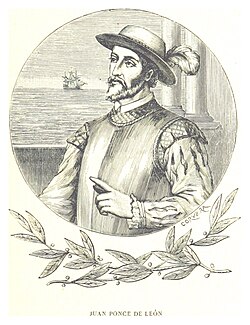
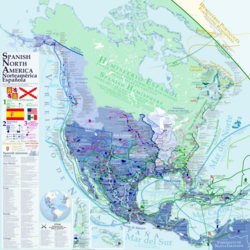
スペインは早い段階から北米への影響力を拡大しました。1513年にはフアン・ポンセ・デ・レオンがフロリダを探索し、その後、現在のカリフォルニアやニューメキシコ、アリゾナに至る広大な地域に領有権を主張しました。
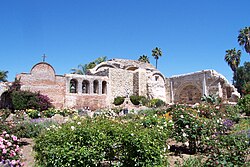
スペインの活動は、キリスト教の布教を目的としたミッション(伝道所)の建設に象徴されます。カリフォルニアのサン・フアン・カピストラーノのような遺構は、当時のスペインの精神的・政治的な支配力を物語っています。
フランス、オランダ、スウェーデンの展開
フランスは「ニューフランス」を築き、カナダからルイジアナに至る広大な内陸部を支配しました。エンリコ・トンティのような探検家は、イリノイやアーカンソーに欧州初の定住地を築き、内陸交易の基盤を作りました。
![The Italian explorer Enrico Tonti, who founded the first European settlement in Illinois in 1679 and in Arkansas in 1683, known as Poste de Arkansea, making him "The Father of Arkansas".[30][31] He co-founded New Orleans, and was governor of the Louisiana Territory for the next 20 years.](/images/a7/c4/a7c43bc8f55d80fb4ffe6d46bfdd49a5841d0a4ad71b7c643c719bcfaa854e7d.jpg)
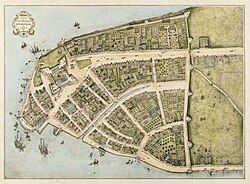
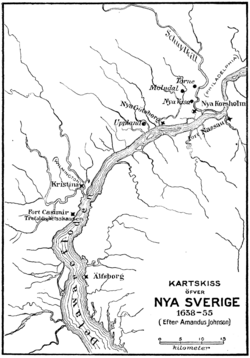
一方、オランダはニューヨークにニューアムステルダムを建設し、商業的な拠点として発展させました。また、スウェーデンもデラウェア川流域に「ニュースウェーデン」を設立し、短期間ながら北米に足跡を残しました。
イギリス植民地の発展と地域特性
チェサピーク湾と南部植民地
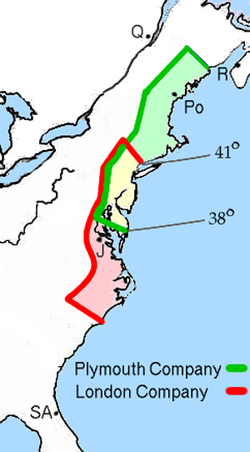
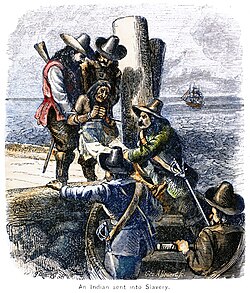
イギリスの進出は1607年のジェームズタウン設立から本格化します。バージニアを中心とするチェサピーク湾周辺では、タバコ栽培などの商品作物による経済が発展しました。南部では広大な農園(プランテーション)が形成され、労働力としてアフリカからの奴隷が大量に導入されるという残酷な社会構造が定着しました。
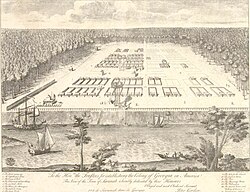
ジョージア植民地などの南部地域では、農業中心の生活が営まれ、社会的な階級分化が進みました。
ニューイングランドと中部植民地
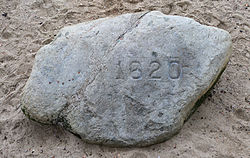
北東部のニューイングランド地方には、ピューリタンなどの宗教的迫害を逃れた人々が集まりました。1620年のメイフラワー号による上陸は、信仰に基づく共同体形成の象徴的な出来事です。ここでは小規模農場や漁業、貿易が中心となり、教育や宗教を重視する文化が根付きました。
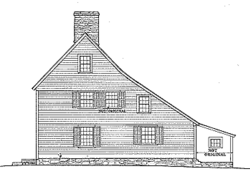
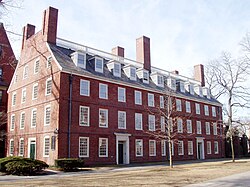
建築様式においても、ニューイングランド特有のソルトボックス・ハウスなどが現れ、厳しい気候に適応した生活様式が確立されました。また、ハーバード大学のような高等教育機関が早期に設立されたことも特徴です。
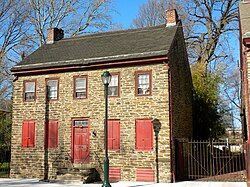
中部植民地(ペンシルベニアやニューヨークなど)は、多様な民族や宗教が混在する寛容な地域として発展し、石造りの建築物が並ぶフィラデルフィアのような都市が繁栄しました。
紛争と独立への道
帝国間の衝突とフレンチ・インディアン戦争
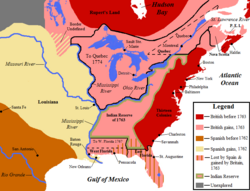
18世紀半ば、北米の覇権を巡ってイギリスとフランスが激突したのがフレンチ・インディアン戦争です。この戦争により、フランスは北米の多くの領土を失い、イギリスの支配力が決定的なものとなりました。
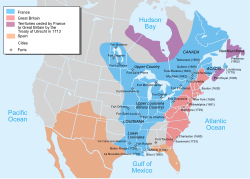
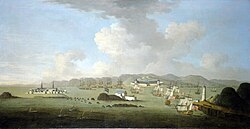
若き日のジョージ・ワシントンもこの戦いに参加しており、この経験が後の軍事的指導力に繋がりました。
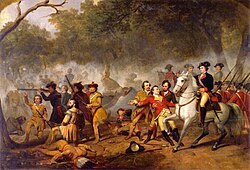
植民地人の不満と団結
戦争後のイギリス政府は、戦費調達のために植民地へ新たな課税を課しました。これに対し、植民地人は「代表なくして課税なし」と反発。ベンジャミン・フランクリンが提唱した「Join, or Die(団結せよ、さもなくば死ね)」というスローガンに象徴されるように、バラバラだった植民地間に連帯感が生まれました。
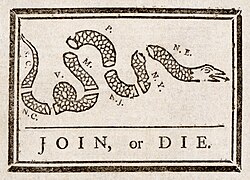
最終的に、イギリスによる領土再編と統制の強化は、植民地の人々を独立へと突き動かす決定的な要因となりました。
植民地時代の社会と経済のまとめ
| 地域 | 主な目的・特徴 | 主要産業 | 社会構造 |
|---|---|---|---|
| ニューイングランド | 宗教的自由の追求 | 漁業、造船、小規模農業 | ピューリタン共同体、教育重視 |
| 中部植民地 | 商業的発展・多様性 | 穀物農業、貿易 | 多民族・多宗教の共存 |
| 南部植民地 | 経済的利益の追求 | タバコ、米などのプランテーション | 奴隷制に基づく階級社会 |
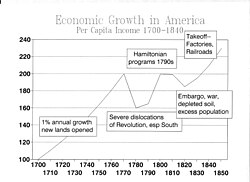
植民地時代の経済成長は、後のアメリカの繁栄の基礎となりましたが、その裏には先住民の追放や奴隷制という深い闇が存在していました。
Frequently Asked Questions
なぜイギリスの植民地は地域によって性格が異なったのですか?
入植者の目的が異なっていたためです。北部は宗教的な自由を求めた人々が多く、共同体的な社会を築きました。一方、南部は経済的な成功を目的とした人々が多く、広大な土地を利用した商業的農業を発展させたため、社会構造に大きな差が出ました。
フレンチ・インディアン戦争が独立革命にどう影響しましたか?
イギリスはこの戦争に勝利して領土を拡大しましたが、同時に莫大な戦費を抱えました。その費用を補うために植民地へ課税したことが、植民地人の強い反発を招き、イギリス本国に対する不信感と独立心に火をつけました。
当時の奴隷貿易の規模はどの程度でしたか?
1620年から1865年にかけて、合計で約583,000人のアフリカ人がアメリカへ強制的に輸送されました。特に1701年から1760年の間には約189,000人と急増しており、南部経済の基盤として奴隷労働が組み込まれていきました。
イギリス以外の国々はどのような役割を果たしましたか?
スペインは南西部とフロリダでキリスト教布教と領土拡大を行い、フランスは内陸部の水路を支配して毛皮貿易を展開しました。オランダやスウェーデンは商業的な拠点を築き、北米における多文化的な交流と競争の構図を作り出しました。
References
- Cooke, ed. North America in Colonial Times (1998)
- Wiecek, William M. (1977). "The Statutory Law of Slavery and Race in the Thirteen Mainland Colonies of British America". The William and Mary Quarterly. 34 (2): 258–280. :10.2307/1925316. 1925316.
- Feinstein, Stephen (2006). "God, Greed, and Genocide: The Holocaust Through the Centuries, by Arthur Grenke". Canadian Journal of History. 41 (1): 197–199. :10.3138/cjh.41.1.197. 0008-4107.
For the most part, however, the diseases that decimated the Natives were caused by natural contact. These Native peoples were greatly weakened, and as a result, they were less able to resist the Europeans.
. - Richard Middleton and Anne Lombard, Colonial America: A History to 1763 (4th ed. 2011) p. 23 []
- William R. Nester, The Great Frontier War: Britain, France, and the Imperial Struggle for North America, 1607–1755 (Praeger, 2000) p. 54. []
- Sheils, William Joseph (2004). "Matthew, Tobie (1544?–1628)". Oxford Dictionary of National Biography. Oxford University Press.
- Samuel Eliot Morison, The European Discovery of America (1986) online
- David J. Weber, "The Spanish Frontier in North America." OAH Magazine of History 14.4 (2000): 5–11. online
- David J. Weber,"The Spanish Borderlands, Historiography Redux." History Teacher 39.1 (2005): 43–56. 30036743
- David J. Weber,"The Spanish legacy in North America and the historical imagination." Western Historical Quarterly 23.1 (1992): 4–24. online
📸 フォトギャラリー