南米大陸の西側に位置するアンデス共同体(Comunidad Andina, CAN)は、加盟国間の経済的、政治的、そして社会的な統合を目指して設立された国際組織です。単なる貿易協定にとどまらず、独自の法体系を持つ「超国家的な」性質を備えている点が大きな特徴であり、ラテンアメリカおよびカリブ海地域において最も強固な地域組織の一つと見なされています。
この組織は、加盟国が共通の目標に向かって協力し、関税同盟の構築や自由貿易圏の拡大を通じて、地域全体の競争力を高めることを目的としています。
Key Facts
- 正式名称:アンデス共同体(Comunidad Andina de Naciones)
- 主要目的:加盟国間の経済・政治・社会的な統合と自由貿易圏の構築
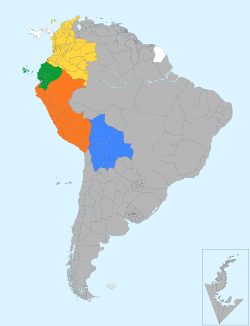
- 正会員国:ボリビア、コロンビア、エクアドル、ペルーの4カ国
- 事務局所在地:ペルー共和国のリマ
- 法的根拠:1969年に署名されたカルタヘナ協定
- 特徴:欧州連合(EU)をモデルとした超国家的な法秩序を持つ
組織の成り立ちと歴史的変遷
アンデス共同体の原点は、1969年5月26日に締結されたカルタヘナ協定にあります。当初は「アンデス協定(Andean Pact)」として、ボリビア、チリ、コロンビア、エクアドル、ペルーの5カ国で発足しました。設立の背景には、外部の貿易障壁を克服し、特に米国などの外国企業への技術的依存を脱却して「技術的主権」を確立したいという意図があったと分析されています。
その後、1973年にベネズエラが加入しましたが、1976年にはチリが経済的な不整合を理由に脱退しました。1996年には制度改革が行われ、「トゥルヒーヨ議定書」に基づき現在の「アンデス共同体(CAN)」へと名称が変更され、統合システムが再構築されました。
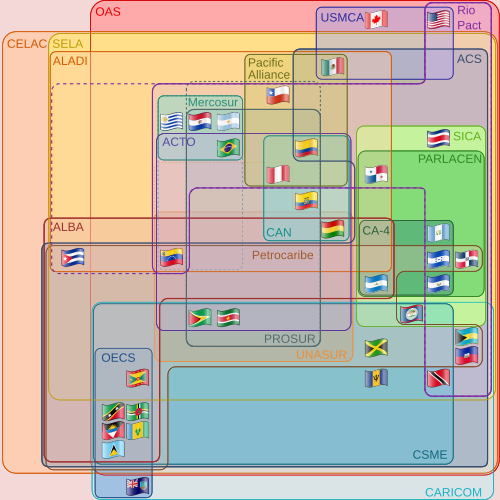
近年では、2006年にベネズエラがコロンビアとペルーの米国との自由貿易協定(FTA)に反発して脱退を表明しました。一方で、南米のもう一つの大きな貿易 bloc であるメルコスール(南米共同市場)との連携を強めており、アルゼンチン、ブラジル、パラグアイ、ウルグアイの4カ国を準会員として迎えています。
超国家的な法秩序と運営体制
CANが他の地域組織と一線を画すのは、その超国家的な法制度にあります。これは欧州共同体(現在のEU)の法体系をモデルにしており、共同体が採択した法的行為は、加盟国による個別の批准を待たずに直接適用されます。また、共同体法は国内法よりも優先されるという原則を持っており、これが組織の強力な執行力を支えています。
組織の運営は、リマに置かれた事務局を中心に、以下のような多様な機関によって構成されています。
- アンデス大統領評議会:最高意思決定機関
- アンデス外相評議会:外交方針の策定(リマ)
- アンデス司法裁判所:法的な紛争解決(エクアドル・キト)
- アンデス議会:立法的な役割(コロンビア・ボゴタ)
- ラテンアメリカ開発銀行(CAF):金融支援(ベネズエラ・カラカス)

経済規模と地理的影響力
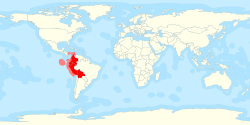
アンデス共同体は、広大な領土と人口を抱える経済圏です。正会員国の合計面積は約380万平方キロメートルに及びますが、排他的経済水域(EEZ)を含めるとその範囲はさらに拡大します。
経済面では、購買力平価(PPP)ベースのGDPが約9,028億ドル(2017年推計)に達しており、世界的に見ても重要な市場を形成しています。また、2024年にはコロンビア、ペルー、エクアドルの3カ国と欧州連合(EU)との間で、サービス、知的財産、公共調達をカバーする貿易協定が完全に発効し、域外との経済連携も深化しています。
| 項目 | 詳細内容 |
|---|---|
| 正会員国 | ボリビア、コロンビア、エクアドル、ペルー |
| 準会員国 | アルゼンチン、ブラジル、チリ、パラグアイ、ウルグアイ |
| 公用語 | スペイン語、ケチュア語、アイマラ語、およびその他の先住民言語 |
| 総面積 | 約3,781,914 km²(EEZ含まず) |
| 人口 | 約1億110万人(2010年推計) |
| GDP (PPP) | 9,028.6億ドル(2017年推計) |
市民へのメリット:移動の自由と共通パスポート
経済的な統合だけでなく、市民の生活レベルでの統合も進んでいます。2005年1月1日以降、加盟国間の移動においてビザが不要となり、国民識別カード(IDカード)の提示のみで入国が可能となりました。
さらに、2001年には「アンデスパスポート」が導入されました。これは標準化されたモデルに基づいたパスポートであり、セキュリティ機能や表記が統一されており、加盟国間での円滑な移動をサポートしています。
Frequently Asked Questions
アンデス共同体(CAN)とメルコスールの違いは何ですか?
どちらも南米の主要な貿易ブロックですが、CANはアンデス山脈沿いの国々を中心に、より強力な超国家的な法秩序(EUに近い形式)を持つのが特徴です。一方、メルコスールはブラジルやアルゼンチンを中心とした南米南部・東部の統合を目指す組織です。現在は相互に準会員を受け入れるなど、連携を強めています。
ベネズエラは現在加盟していますか?
ベネズエラは1973年に加入しましたが、2006年にウゴ・チャベス大統領が脱退を表明しました。その後、2020年にフアン・グアイド暫定大統領が再加入を表明しましたが、政治的な状況により複雑な状態にあります。
アンデス共同体法は国内法より優先されるのですか?
はい。CANの法体系は超国家的な性質を持っており、共同体が採択した法的な決定は加盟国の国内法に優先して適用される仕組みになっています。
アンデスパスポートとは何ですか?
2001年に導入された、加盟国間で共通の規格とセキュリティ基準を持つパスポートです。これにより、域内での移動の利便性と安全性が向上しています。
どのような言語が公用語として認められていますか?
主にスペイン語が使用されており、実務上の共通言語となっていますが、地域的な特性からケチュア語やアイマラ語、およびその他の34の先住民言語も公用語として認められています。
References
- "Ecuador". International Monetary Fund. Archived from the original on 4 May 2011. Retrieved 21 April 2011.
- "Bolivia". International Monetary Fund. Archived from the original on 4 May 2011. Retrieved 21 April 2011.
- "Colombia". International Monetary Fund. Archived from the original on 14 May 2011. Retrieved 21 April 2011.
- "Peru". International Monetary Fund. Retrieved 6 May 2011.
- "CAN – Mercosur". Archived from the original on 16 June 2002.
- Morozov, Evgeny (9 September 2023). "The lessons of Chile's struggle against Big Tech". . Retrieved 30 April 2025.
- "Evgeny Morozov: We Need a Nonmarket Modernist Project". . Retrieved 30 April 2025.
...past efforts at such cooperation that had technological sovereignty as their goal, the Andean Pact being the foremost example. Signed by five nations in Peru, this pact's main objective was to overcome external trade barriers and promote regional cooperation to foster industrialization and economic development. , Chile's foreign minister under Allende, led the negotiations, highlighting the need to address the exploitation derived from technological property and dependence on foreign companies. Letelier proposed the creation of something like a technological equivalent of the International Monetary Fund (IMF), the Andean Pact, to facilitate developing countries' access to technological advances and patents.
- Turner, Barry (2009), "Andean Community", in Turner, Barry (ed.), The Statesman’s Yearbook 2010: The Politics, Cultures and Economies of the World, London: Palgrave Macmillan UK, pp. 61–61, :10.1007/978-1-349-58632-5_76, , retrieved 30 April 2025,
On 26 May 1969 an agreement was signed by Bolivia, Chile, Colombia, Ecuador and Peru establishing the Cartagena Agreement (also referred to as the Andean Pact or the Andean Group). Chile withdrew from the Group in 1976. Venezuela, which was actively involved, did not sign the agreement until 1973. In 1997 Peru announced its withdrawal for five years. In 2006 Venezuela left as a result of Colombia and Peru signing bilateral trade agreements with the USA.
- de Onis, Juan (7 October 1976). "Chile Is Pulling Out of Andean Pact". The New York Times. 0362-4331. Retrieved 30 April 2025.
- "The EEC and the Andean Community General Secretariat signed a Memorandum of Understanding". eurasiancommission.org.
📸 フォトギャラリー