アンモニア(化学式:NH3)は、窒素と水素からなる無色の気体であり、刺激臭を持つことで知られています。化学的にはアザンとも呼ばれ、工業的な肥料生産から最新のエネルギーキャリアまで、現代社会を支える極めて重要な化合物です。本記事では、その分子構造から物理的特性、そして地球内外での役割について詳しく解説します。
アンモニアの基本構造と物理的特性
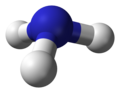
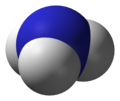
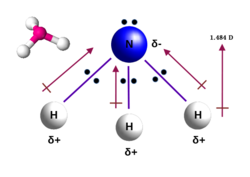
アンモニア分子は、1つの窒素原子に3つの水素原子が結合した構造をしています。その形状は正三角形ではなく、三角錐形という立体的な構造をとっており、これが分子に極性(ダイポールモーメント)をもたらしています。


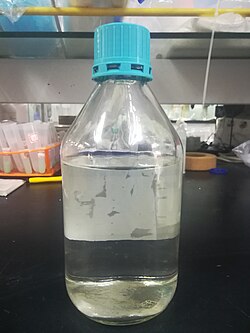
物理的な状態は温度と圧力に大きく依存します。沸点は−33.34 °Cと低く、常温では気体として存在しますが、冷却することで液体、さらに−77.73 °C以下では透明な固体となります。また、水に対する溶解度が非常に高く、20 °Cの条件下では1リットルあたり約530gものアンモニアが溶け込みます。
主要な化学的性質と反応
アンモニアの最大の特徴は、その塩基性にあります。水に溶けると水酸化物イオンを放出するため、弱塩基として振る舞います。また、液体アンモニアは溶媒としての特性を持ち、特定の金属(リチウムやナトリウムなど)を溶解させることが可能です。
化学合成の原料としても優秀であり、以下のような多様な化合物への前駆体となります。
- 有機窒素化合物:アミン類やアミノ酸の合成。
- 無機窒素化合物:尿素、硝酸アンモニウム、ヒドラジンなどの製造。
また、燃焼させると窒素と水に分解される発熱反応が起こります。この特性は、将来的なカーボンフリー燃料としての期待につながっています。
産業的応用と歴史的背景
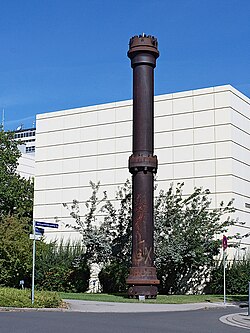
アンモニアの歴史において最も重要な転換点は、フリッツ・ハーバーとカール・ボッシュによるハーバー・ボッシュ法の確立です。これにより、空気中の窒素から効率的にアンモニアを合成することが可能になり、世界の食糧生産を支える化学肥料の大量生産が実現しました。


現代における主な用途は以下の通りです。
- 農業:窒素肥料としての利用。
- 冷凍技術:優れた熱伝導性を活かした冷媒(R-717)としての利用。
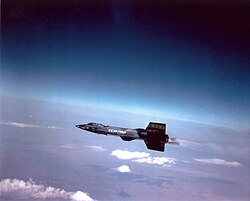
- エネルギー:ロケット燃料(X-15航空機など)や、次世代の船舶・発電用燃料としての研究。
- 医薬品:抗がん剤であるシスプラチンの合成など。



![The world's longest ammonia pipeline (roughly 2400 km long),[138] running from the TogliattiAzot plant in Russia to Odesa in Ukraine](/images/74/63/74636756a2e979ac8035850ef29cddf003894f32cb329f8d7abc5a27d8089004.jpg)
安全性と毒性に関する注意点
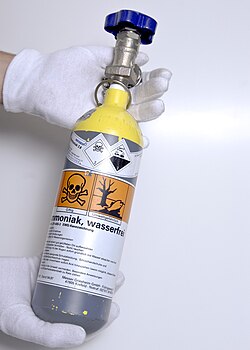
アンモニアは非常に有用な物質である一方、強い腐食性と毒性を併せ持っています。高濃度のアンモニアに曝露すると、呼吸器系や皮膚に深刻な化学火傷を引き起こします。また、血液中のアンモニア濃度が異常に高くなる高アンモニア血症は、神経毒性を示す危険な状態です。

![Anti-meth sign on tank of anhydrous ammonia, Otley, Iowa. Anhydrous ammonia is a common farm fertiliser that is also a critical ingredient in making methamphetamine. In 2005, Iowa used grant money to provide thousands of locks to prevent criminals from gaining access to the tanks.[132]](/images/4e/cb/4ecb871f1689050d6e442a5dcd20fbf7ad3648872532ede615a526298b0f14f2.jpg)
![Main symptoms of hyperammonemia (ammonia reaching toxic concentrations).[173]](/images/6c/c1/6cc144daf0682bca0b33e8cc36ffaf5a6c3d9e4c674ed813718127a35aa15948.webp)
産業現場では、NFPA 704(火災ダイヤモンド)などの基準に基づいた厳格な管理が行われており、漏洩防止のための安全対策が不可欠です。
宇宙におけるアンモニア
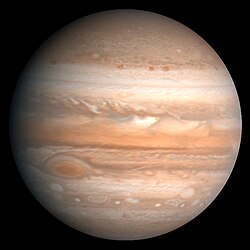
アンモニアは地球上だけでなく、宇宙空間や他の惑星にも広く存在しています。木星や土星などの巨大ガス惑星の大気、あるいは天王星や海王星の氷の中に検出されており、星間分子雲などの暗黒星雲においても重要な観測対象となっています。
Key Facts
- 化学式:NH3(分子量 17.031 g/mol)
- 形状:三角錐形(極性分子)
- 主要用途:化学肥料、工業用冷媒、化学合成原料
- 製造法:ハーバー・ボッシュ法が主流
- 危険性:強い刺激臭、腐食性、毒性あり
- 宇宙での存在:外惑星の大気や星間空間に分布
アンモニアの特性まとめ
| 項目 | 数値・特性 |
|---|---|
| 外観・臭気 | 無色気体 / 強い刺激臭 |
| 沸点 / 融点 | −33.34 °C / −77.73 °C |
| 水溶性 | 極めて高い(20°Cで530 g/L) |
| 分子形状 | 三角錐形 (C3v) |
| pKa (共役酸) | 9.24 (アンモニウムイオン) |
| 危険区分 | 腐食性、急性毒性 |
Frequently Asked Questions
アンモニアが肥料として使われるのはなぜですか?
植物の成長に不可欠な窒素を効率よく供給できるためです。アンモニアは窒素固定の産物であり、土壌中で植物が吸収しやすい形態に変換されます。
冷媒としてのアンモニアのメリットは何ですか?
熱伝導率が高く、冷却効率が非常に優れている点です。また、フロンガスのような地球温暖化係数が極めて低いため、環境負荷の低い冷媒として再評価されています。
アンモニアは燃えますか?
条件によって燃焼しますが、一般的に引火性は低いです。しかし、高濃度で空気と混合した場合、特定の条件下で爆発限界(15.0–33.6%)に達し、危険な状態になることがあります。
宇宙でアンモニアが見つかることにはどのような意味がありますか?
アンモニアは窒素を含む単純な分子であり、その分布を調べることで、惑星の形成過程や星間物質の化学進化、さらには生命の起源に関わる有機分子の合成経路を理解する手がかりになります。
References
- "Nomenclature of Inorganic Chemistry IUPAC Recommendations 2005" (PDF). Archived (PDF) from the original on 9 October 2022.
- "Gases – Densities". The Engineering Toolbox. Retrieved 3 March 2016.
- Yost, Don M. (2007). "Ammonia and Liquid Ammonia Solutions". Systematic Inorganic Chemistry. Read Books. p. 132. .
- Blum, Alexander (1975). "On crystalline character of transparent solid ammonia". Radiation Effects and Defects in Solids. 24 (4): 277. :1975RadEf..24..277B. :10.1080/00337577508240819.
- "Ammonia". The American Chemical Society. 8 February 2021. Retrieved 20 March 2024.
- Perrin, D. D. (1982). Ionisation Constants of Inorganic Acids and Bases in Aqueous Solution (2nd ed.). Oxford: Pergamon Press.
- Iwasaki, Hiroji; Takahashi, Mitsuo (1968). "Studies on the transport properties of fluids at high pressure". The Review of Physical Chemistry of Japan. 38 (1).
- Zumdahl, Steven S. (2009). Chemical Principles (6th ed.). Houghton Mifflin. p. A22. .
- , Ammonia.
- "Ammonia, Anhydrous Safety Data Sheet" (PDF). University of Florida. Retrieved 19 April 2024.
📸 フォトギャラリー