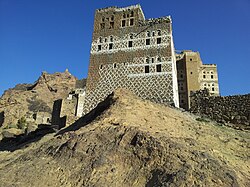
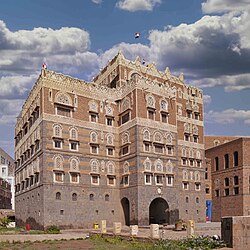
Ruins of the Great Dam of Marib
← ホームへ戻る

イエメン共和国の歴史と現状古代文明から現代の紛争まで

アラビア半島の南端に位置するイエメン共和国は、豊かな古代文明の記憶と、複雑な現代政治が交錯する国です。紅海とアラビア海に面した戦略的な地理的条件を持ち、古くから交易の要衝として栄えてきました。しかし、現在は深刻な内戦と人道危機に直面しており、その歴史的価値と現代の困難という対照的な側面を抱えています。

主要な事実(Key Facts)

  • 首都:サナア(最大都市)、政府所在地はアデン
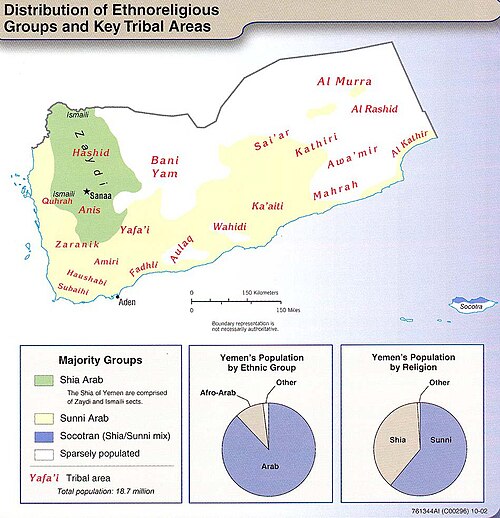
  • 宗教:イスラム教(スンニ派 約65%、ゼイド派 約35%)
  • 言語:アラビア語(公用語)
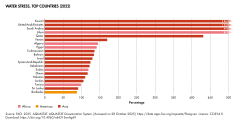
  • 経済的課題:世界的に深刻な水ストレスに直面しており、2022年時点で世界第6位の深刻度を記録
  • 政治体制:暫定政府下の半大統領制共和制
  • 主要産業:農業(コーヒーなど)および石油採掘

悠久の歴史:古代王国からイスラム化まで

イエメンの歴史は、高度な灌漑技術を誇った古代王国から始まります。特にマリブの巨大ダムに代表される水管理技術は、砂漠地帯での繁栄を可能にしました。
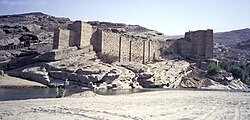
Ruins of the Great Dam of Marib

その後、ヒムヤル王国などの強力な国家が台頭し、独自の文化と政治体制を築きました。その後、アラビア半島にイスラム教が浸透すると、イエメンでも宗教的な変容が進みます。特に北部の山岳地帯では、イスラム教シーア派の一派であるゼイド派が根付き、後の政治構造に大きな影響を与えることとなりました。
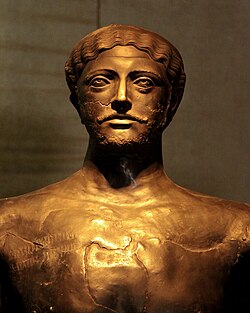
A bronze statue of Dhamar Ali Yahbur I, a Himyarite king who probably reigned in the late 3rd or early 4th century AD, displayed in the National Museum of Yemen

中世の王朝と外圧

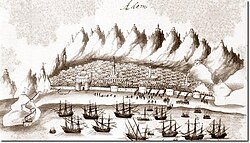
中世にはスルワイヒ朝やラスリド朝などの王朝が興り、文化や学問が発展しました。一方で、インド洋の貿易ルートを支配しようとしたポルトガルなどの欧州勢力がアデンやソコトラ島への進出を試みるなど、外部からの干渉も絶えませんでした。
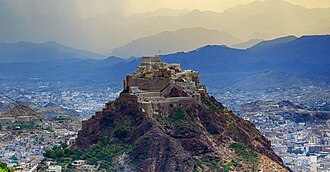
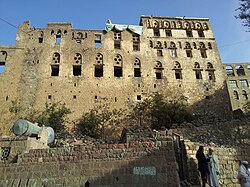
Al-Qahira Castle in Taiz, the capital of Yemen under the Rasulid dynasty

近代から現代へ:分断と統合、そして混迷

近代に入ると、イエメンはオスマン帝国の支配とイギリスによるアデンの植民地化という、異なる二つの影響下に置かれました。これにより、北部のムタワキリテ王国と南部のイギリス領アデンという分断状態が続きました。
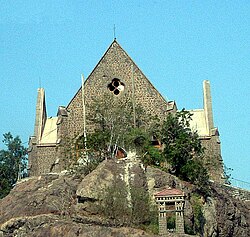
The building of the Legislative Council of Aden, built by the English in the 19th century as St. Mary's Church, was converted into the building of the Legislative Council in the 1960s, and is now a museum.

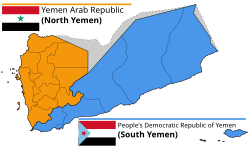
1990年5月22日、北イエメン(イエメンアラブ共和国)と南イエメン(イエメン民主人民共和国)は統合し、現在のイエメン共和国が誕生しました。しかし、この統合は完全な安定をもたらさず、内部的な権力争いや地域対立が絶えず、ついには激しい内戦へと発展しました。
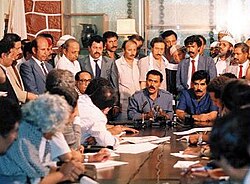
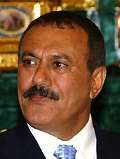
North Yemeni president, Ali Abdullah Saleh, with the Secretary-General of the Yemeni Socialist Party, Ali Salem al-Beidh, signing the unity agreement on 30 November 1989.

現在の政治・軍事状況

2011年の革命以降、政治的混乱は加速し、現在はフーシ派を中心とする勢力と、大統領指導評議会(PLC)率いる政府軍、およびその他の地域勢力が領土を分かち合う複雑な軍事対立状態にあります。
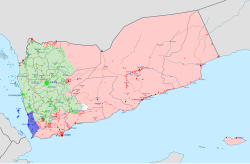
Current (January 2026) political and military control in ongoing Yemeni Civil War: Controlled by the Government of Yemen (under the Presidential Leadership Council since April 2022) and allies Controlled by Tareq Saleh's National Resistance Forces Controlled by Houthis-led Supreme Political Council

地理的特性と社会経済的課題

イエメンの地形は多様で、険しい山岳地帯から広大な砂漠まで広がっています。特にハラズ・サラート山脈に見られる段々畑は、厳しい環境下での農業の知恵を象徴しています。
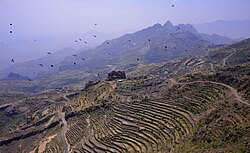
Agricultural terraces in the Haraz-Sarat Mountains

深刻な水危機と経済

経済面では石油資源への依存が見られますが、それ以上に深刻なのが水不足です。気候変動と人口増加により、特にサナアなどの都市部では水資源の枯渇が危機的なレベルに達しています。
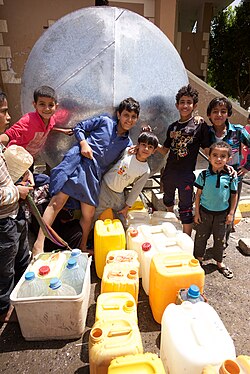
2015. Water crisis in Sana'a

また、伝統的な産業であるコーヒー栽培は今も重要な役割を果たしていますが、内戦によるインフラ破壊と経済制裁が、国民の生活水準(HDI)を著しく低下させています。
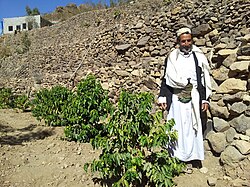
A coffee plantation in Yemen

独自の文化と建築美

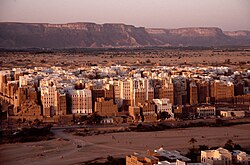
イエメンは「世界で最も美しい建築」の一つを持つことで知られています。サナア旧市街の装飾的な高層住宅や、ハドラマウト地方のシバムにある「砂漠のマンハッタン」とも呼ばれる泥造りの高層ビル群は、世界的に類を見ない景観です。
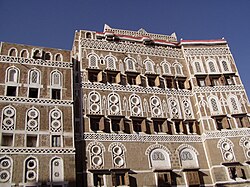
Example of traditional houses in the old city of Sanaa
Shibam (in Hadramawt), an example of a historic fortified village with particularly tall tower-houses
イエメン共和国の基本データ概要
項目 詳細
総面積 455,503 km²
推定人口 (2023年) 約3,268万人
主要宗教 イスラム教(スンニ派・ゼイド派)
通貨 イエメン・リアル (YER)
GDP (名目, 2025年予測) 174億ドル

Frequently Asked Questions

イエメンの宗教構成はどうなっていますか?

人口の約99%以上がイスラム教徒です。その内訳は、主にスンニ派(約65%)と、北部に多く見られるゼイド派(約35%)に分かれています。

なぜイエメンでは水不足が深刻なのですか?

もともと乾燥した気候であることに加え、人口増加に伴う過剰な地下水汲み上げや、効率の悪い灌漑方法、そして内戦による水管理インフラの崩壊が原因となっています。

北イエメンと南イエメンはいつ統合されましたか?

1990年5月22日に統合され、現在のイエメン共和国となりました。

イエメンの建築に特徴があるのはなぜですか?

限られた土地を有効活用するための高層化や、現地の泥や石などの天然素材を利用した伝統的な工法が受け継がれてきたためです。特にサナアやシバムの街並みが有名です。

現在の政治的な支配状況はどうなっていますか?

現在は、大統領指導評議会(PLC)率いる政府側、フーシ派主導の最高政治評議会、およびタレク・サレハ率いる国家抵抗軍などが、地域ごとに軍事的・政治的なコントロールを分かち合っている状況です。

References

  1. Constitutional capital. Under de facto control since 2014.
  2. Claimed by the as its .
  3. Disputed by of the -led . Despite not holding an official position in the government, leader controls the SPC.
  4. Disputed by of the Supreme Political Council
  5. ; : ٱلْيَمَنْ, al-Yaman.
  6. : ٱلْجُمْهُورِيَّةُ ٱلْيَمَنِيَّةُ, al-Jumhūriyya l-Yamaniyya (: al-Jumhūrīyah al-Yamanīyah), lit. 'the Yemeni Republic'.

📸 フォトギャラリー
Ruins of the Great Dam of Marib
A bronze statue of Dhamar Ali Yahbur I, a Himyarite king who probably reigned in the late 3rd or early 4th century AD, displayed in the National Museum of Yemen
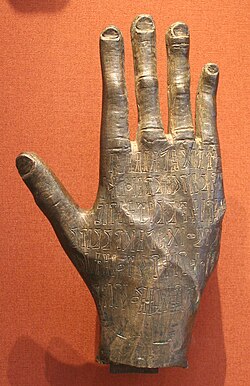
Bronze hand with an inscribed prayer in Himyaritic to god Ta'lab
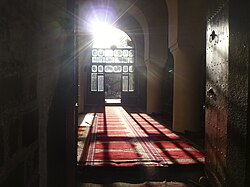
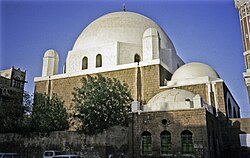
The interior of the Great Mosque of Sanaa, the oldest mosque in Yemen
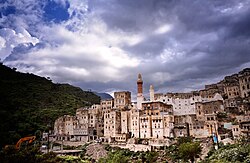
Jibla became the capital of the dynasty. Featured is the Queen Arwa Mosque.
Queen Arwa al-Sulaihi Palace
Al-Qahira Castle in Taiz, the capital of Yemen under the Rasulid dynasty
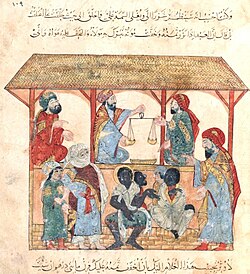
A 13th-century book illustration produced in Baghdad by al-Wasiti showing a slave-market in the town of Zabid in Yemen
Portuguese Viceroy Afonso de Albuquerque failed twice to conquer Aden, though the Portuguese Empire managed to rule Socotra until 1511
Al Bakiriyya Ottoman Mosque in Sanaa was built in 1597.
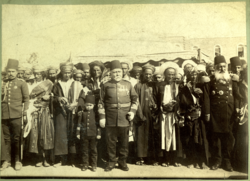
Ottoman soldiers and Yemeni locals
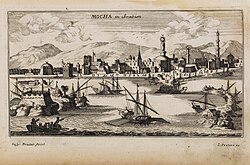
Mokha was Yemen's busiest port in the 17th and 18th centuries.
The building of the Legislative Council of Aden, built by the English in the 19th century as St. Mary's Church, was converted into the building of the Legislative Council in the 1960s, and is now a museum.
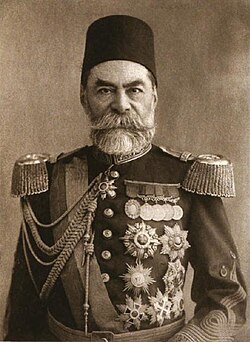
The Ottoman Grand Vizier and Wāli of Yemen Ahmed Muhtar Pasha
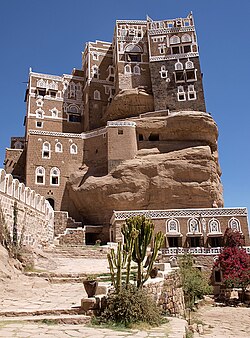
Dar al-Hajar, Imam Yahya Hamid Ed-Din's house near Sanaa
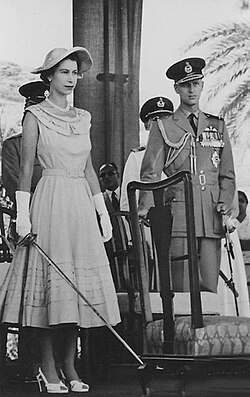
Queen Elizabeth II holding a sword, prepared to knight subjects in Aden as part of a 1954 visit. Prince Philip, Duke of Edinburgh is at right.
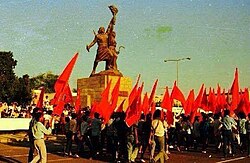
People celebrating the victory of the 14th October Revolution in South Yemen by waving red flags next to the Freedom Statue
Yemen Arab Republic (in orange) and the People's Democratic Republic of Yemen (in blue) before 1990. Land gained after unification is in grey.
North Yemeni president, Ali Abdullah Saleh, with the Secretary-General of the Yemeni Socialist Party, Ali Salem al-Beidh, signing the unity agreement on 30 November 1989.
Ali Abdullah Saleh
Current (January 2026) political and military control in ongoing Yemeni Civil War: Controlled by the Government of Yemen (under the Presidential Leadership Council since April 2022) and allies Controlled by Tareq Saleh's National Resistance Forces Controlled by Houthis-led Supreme Political Council
Agricultural terraces in the Haraz-Sarat Mountains
Yemen's Köppen climate classification map[227] is based on temperature, precipitation and their seasonality. BWh Hot desert BWk Cold desert BSh Hot semi-arid BSk Cold semi-arid CWb Subtropical highland
Yemen was the sixth most water stressed country in the world in 2022.
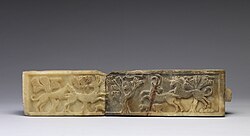
A South Arabian relief from the fifth century BC, in Walters Art Museum. On the left side of this relief, a lion attacks a gazelle, while a rabbit tries to jump away from the gazelle's forelegs. On the right, a leopard jumps down from rocks onto the back of an ibex; a small rodent flees the hoofs of the ibex. Birds in the branches of acacia trees observe the two scenes.
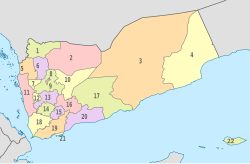
Governorates of Yemen
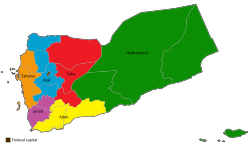
Map of the proposed Federal Regions of Yemen
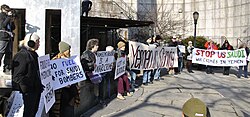
Protest against Saudi blockade of Yemen, New York City, 2017
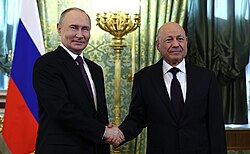
President Rashad al-Alimi with Russian president Vladimir Putin on 28 May 2025
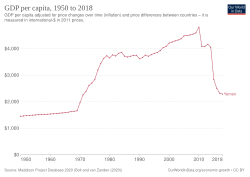
Historical GDP per capita development
A coffee plantation in Yemen
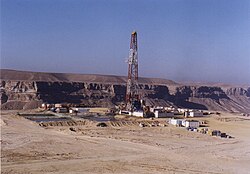
Drilling for oil using a land rig
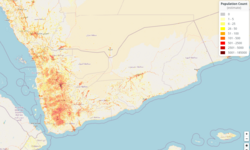
Population density (2022)
Yemen's tribal areas and Shia/Sunni regions. Shia Muslims predominant in the green area of Yemen's West, with the rest of Yemen being Sunni Muslims
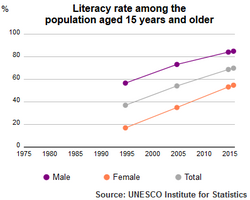
Literacy rate of the population aged 15 or older (1995–2015) by UNESCO Institute of Statistics
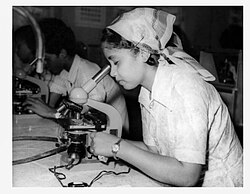
A hospital lab in Aden
2015. Water crisis in Sana'a
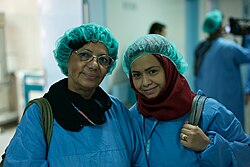
Working with children. Al Sabeen Hospital, Sanaa
Example of traditional houses in the old city of Sanaa
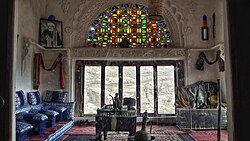
Room inside the Dar al-Hajar near Sanaa, with carved gypsum and coloured glass fanlight
Shibam (in Hadramawt), an example of a historic fortified village with particularly tall tower-houses
Typical house in Al Hajjarah
The National Museum of Yemen in Sanaa