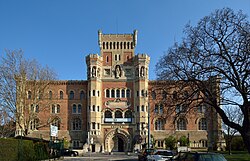
Roman Vienna
← ホームへ戻る

ウィーンの歴史と文化音楽と芸術が息づくオーストリアの首都

オーストリアの首都ウィーンは、かつての帝国時代の栄華を今に伝える壮麗な建築物と、世界的に名高い音楽文化が融合した都市です。ドナウ川のほとりに位置し、政治、経済、そして芸術の中心地として発展してきたこの街は、訪れる人々を魅了して止みません。
Relief map of Vienna

主要な事実(Key Facts)

  • 人口:約202万人(2025年時点)、オーストリア最大の都市であり、ヨーロッパでも第10位の規模。
  • 世界遺産:2001年に「ウィーン歴史地区」がユネスコ世界文化遺産に登録。
  • 経済:2024年のGDPは約1,248億ユーロに達し、一人当たりGDPは61,572ユーロと非常に高い水準。
  • 国際都市:国連(UN)やOPECなど、多くの国際機関が拠点を置く外交の要衝。
  • 地理:ドナウ川およびウィーン川が流れる盆地に位置し、23の行政区に分かれている。
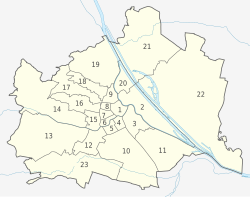
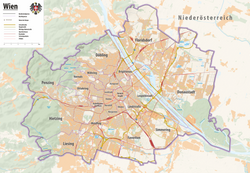
Map of the districts of Vienna with numbers

激動の歴史:ローマ時代から現代まで

帝国の興亡と都市の変遷

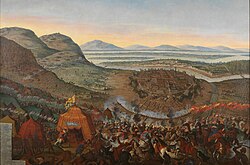
ウィーンの起源はローマ時代にまで遡ります。中世から近世にかけては、ハプスブルク家の統治下で神聖ローマ帝国およびオーストリア帝国の中心地として繁栄しました。1683年の第二次ウィーン包囲などの危機を乗り越え、都市は拡大を続けました。
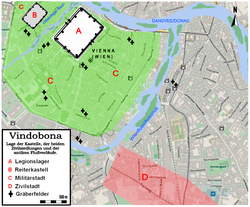
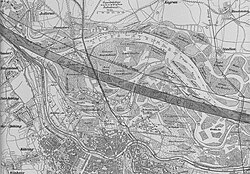
Roman Vienna

The Siege of Vienna in 1683, by Frans Geffels

20世紀の混乱と再生

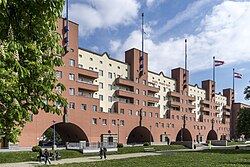
19世紀半ばの1848年革命を経て、都市は近代化へと向かいますが、20世紀には激動の時代を迎えます。第一次世界大戦後の「赤いウィーン」時代には社会民主主義的な住宅政策が進められ、大規模な公営住宅(Gemeindebau)が建設されました。
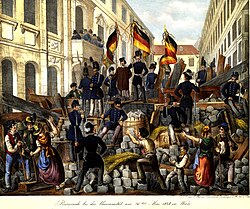
Revolutionaries in Vienna with German tricolour flags, 1848

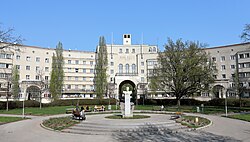
Karl-Marx-Hof, a Gemeindebau building and a symbol of Red Vienna

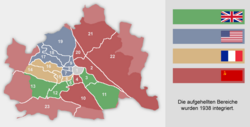
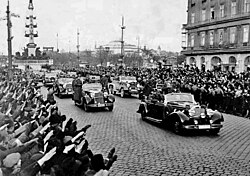
その後、1927年の司法宮殿放火事件などの政治的混乱を経て、1938年にはナチス・ドイツによる併合(アンシュルス)を経験します。第二次世界大戦後は、1955年のオーストリア国家条約まで連合国による4か国分治時代を過ごし、その後主権を回復して現在の平和な国際都市へと発展しました。
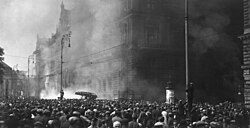
The Palace of Justice burning, 1927

Crowds greet German Chancellor Adolf Hitler as he rides in an open car in Vienna following the March 1938 annexation of Austria by Nazi Germany.

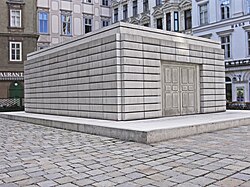
The Judenplatz Holocaust Memorial

Allied-occupied zones between 1945 and 1955 following World War II

芸術と学問の殿堂

音楽と演劇の都

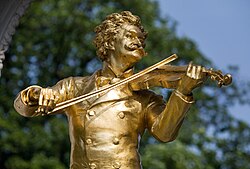
ウィーンは「音楽の都」として知られ、モーツァルトやベートーヴェン、ヨハン・シュトラウス2世といった巨匠たちが活躍しました。国立歌劇場やブルク劇場などの施設が、今もなお高い水準の芸術文化を支えています。
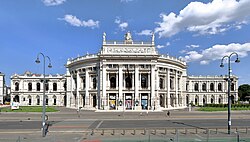
The Burgtheater on the Ring

A monument of Johann Strauss II in the Stadtpark

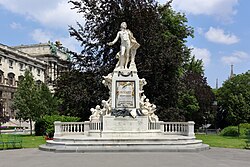
The Mozart Monument in the Burggarten

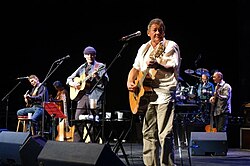
Rainhard Fendrich, Georg Danzer, and Wolfgang Ambros (L-R) performing in the Stadthalle in 2007

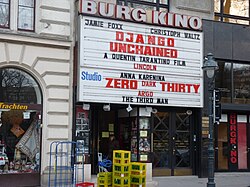
The entrance to the Burg Kino on the Ring

知の集積地と美術館

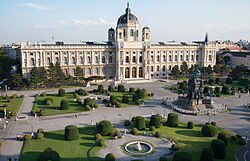
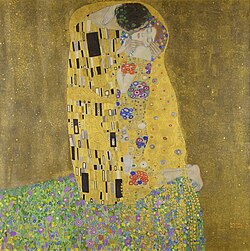
精神分析学の創始者ジークムント・フロイトをはじめ、ルートヴィヒ・ウィトゲンシュタインやカール・ポッパーなど、哲学や科学の分野で世界的な影響を与えた知識人が多く輩出されました。また、美術史美術館やベルヴェデーレ宮殿では、クリムトの「接吻」などの至宝を鑑賞できます。
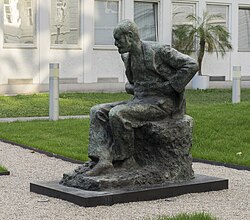
A monument to Sigmund Freud at the Medical University of Vienna

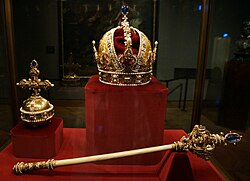
The Imperial Crown, Orb, and Sceptre of Austria in the Imperial Treasury

Kunsthistorisches Museum on Maria-Theresien-Platz

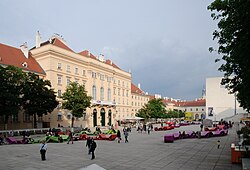
The MuseumsQuartier

The Kiss in the Belvedere

The Museum of Military History in the Arsenal

都市の構造とライフスタイル

建築とランドマーク

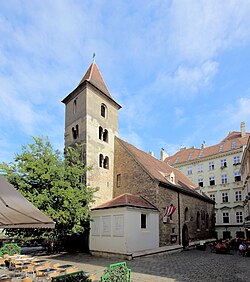
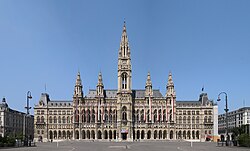
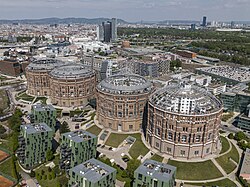
市街地には、アールヌーヴォー様式の駅舎や、近代的なガスメーター、歴史的な聖ルパート教会など、多様な時代の建築が共存しています。市庁舎(Rathaus)は地方政府の拠点として、また街の象徴として親しまれています。
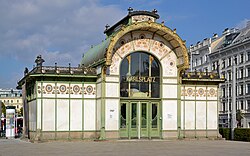
Karlsplatz Stadtbahn Station, designed in Art Nouveau style

Gasometer in Simmering

St. Rupert's Church, the oldest in Vienna

The Rathaus (City Hall), the seat of the local government

自然とレクリエーション

都市の中には広大な公園や森が点在し、ビーバーやシカなどの野生動物も生息しています。特にドナウ川の整備により、メインの川、新ドナウ、旧ドナウ、そしてドナウ運河という4つの水系が共存し、市民の憩いの場となっています。
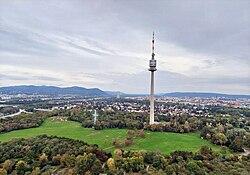
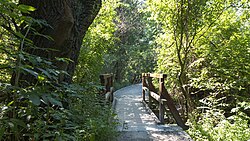
The Donauturm in the Donaupark.

An entrance to the Lobau by Essling

(l-r) Donaukanal, Danube, New Danube, Old Danube

The plan for the regulation

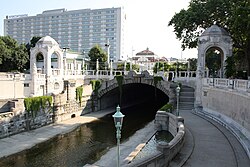
The Wien river in the Stadtpark

ウィーンの食文化

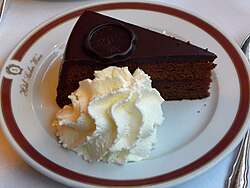
伝統的な「ウィーナー・シュニッツェル」や、ホテルザッハーの「ザッハトルテ」は世界的に有名です。また、独自の文化である「カフェハウス」は、かつての知識人たちが議論を交わした社交場であり、現在も街の重要な一部となっています。郊外のグリンツィングなどにあるワイン酒場「ホイリゲ」も人気です。
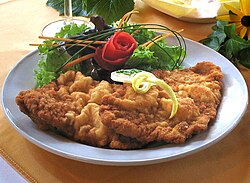
A Wiener schnitzel at a restaurant

A Sachertorte at the Hotel Sacher

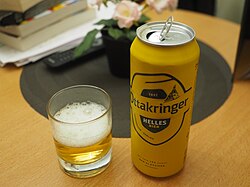
A yellow can of Ottakringer Helles

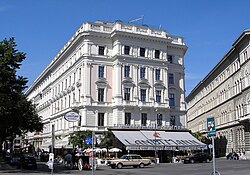
Cafe Landtmann

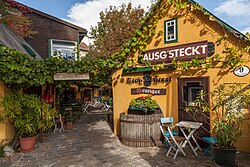
A Heuriger in Grinzing

インフラと現代の都市機能

効率的な交通ネットワーク

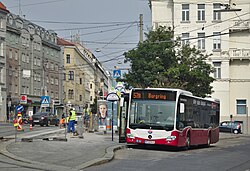
ウィーンは公共交通機関が非常に発達しており、U-Bahn(地下鉄)、路面電車(トラム)、バスが網羅的に運行しています。また、自転車専用道の整備やシティバイクの導入により、環境に優しい移動手段が推奨されています。
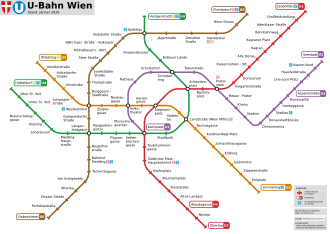
Vienna U-Bahn network

The 57a bus at the Anschützgasse stop

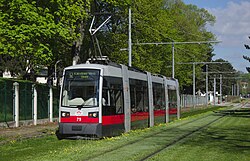
The 62 tram, an A1 model, in Hietzing

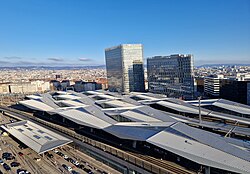
The Hauptbahnhof

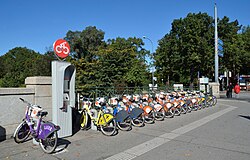
Citybikes in Vienna

国際的な役割と経済

ウィーン国際空港を玄関口とし、世界中から人々が集まります。国際連合(UN)やIAEA(国際原子力機関)などの国際機関が集中しており、世界政治の重要な舞台となっています。
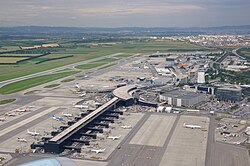
Vienna International Airport

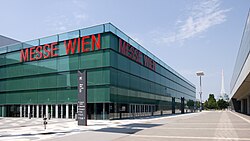
Messe Wien congress centre

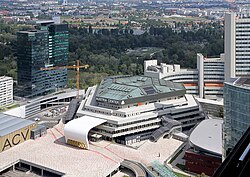
Austria Center Vienna (ACV)

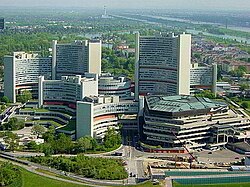
UN complex, with the Austria Center Vienna in front, taken from the Danube Tower in the nearby Donaupark before the extensive building work

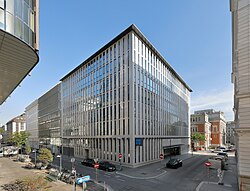
OPEC Secretariat in the Innere Stadt

ウィーンの基本データまとめ

ウィーン市 基本統計
項目 詳細
総面積 414.78 km²
人口(2025年) 2,028,499人
主要言語 ドイツ語(ウィーン方言含む)
主要産業 観光、国際機関、研究開発、IT
気候 年平均気温 約11.5〜12.6℃(地点による)

Flag of Austria

その他の都市施設と文化

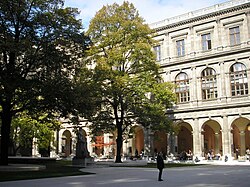
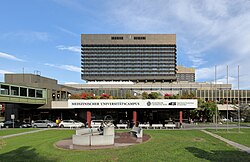
教育面ではウィーン大学などの名門校があり、医療面ではAKH(ウィーン総合病院)が高度な医療を提供しています。また、多様性を尊重する文化が根付いており、ウィーン・プライドなどのイベントも開催されています。
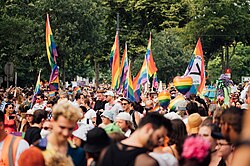
Vienna Pride 2021

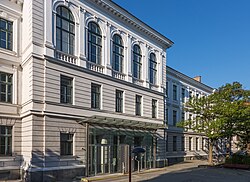
Gymnasium Rosasgasse, Meidling

Main building of the University of Vienna

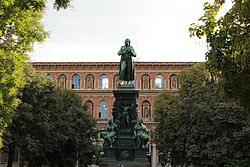
A statue of Friedrich Schiller in front of the Academy of Fine Arts

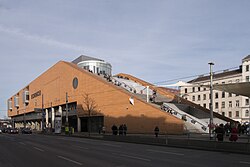
The Hauptbücherei

The AKH

Gemeindebau Karl-Seitz-Hof in Floridsdorf

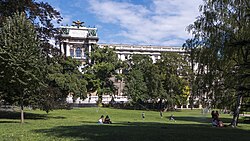
The Burggarten, facing the back of the Hofburg

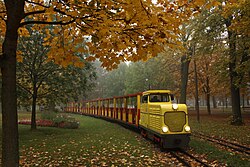
Locomotive D4 of the Prater Liliputbahn

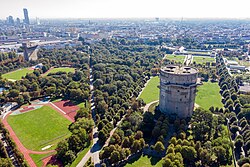
A flak tower in the Augarten

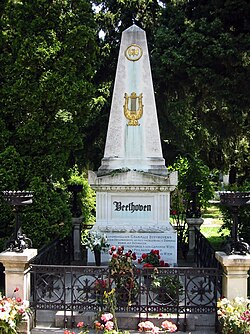
The grave of Ludwig van Beethoven in the Central Cemetery

Allianz Stadion, home of Rapid Wien

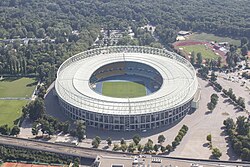
Ernst-Happel-Stadion in the Prater

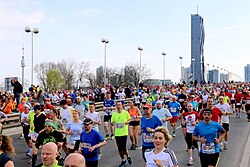
Vienna City Marathon crossing the Reichsbrücke in 2015

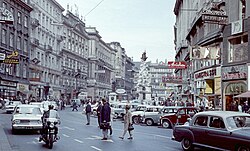
The Graben in 1966—it has since been pedestrianised

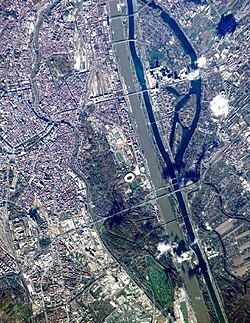
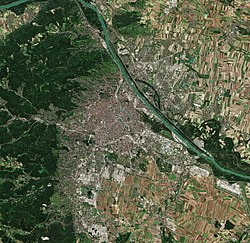
A 2018 satellite photo by Sentinel-2

A street sign in the 1st district

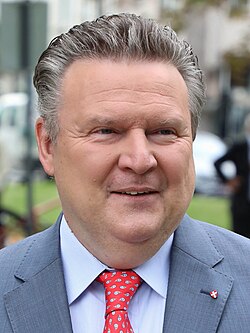
Michael Ludwig (SPÖ), mayor of Vienna since 2018

Frequently Asked Questions

ウィーンの人口構成はどうなっていますか?

2025年時点で約203万人が居住しており、そのうち約48.7%がオーストリア人、51.3%が外国にルーツを持つ人々で構成されています。特にセルビア、トルコ、ドイツからの移民が多く、多文化共生が進んでいます。

ウィーンの気候の特徴は?

概ね温帯に属し、夏は最高気温が25〜30℃程度まで上がり、冬は氷点下になることもあります。年間降水量は約670mm前後で、年間を通じて比較的バランスよく雨が降る傾向にあります。

どのような国際機関がウィーンにありますか?

国際連合(UN)の主要事務所のほか、国際原子力機関(IAEA)、石油輸出国機構(OPEC)、欧州安全保障協力機構(OSCE)など、世界的に重要な多くの機関が拠点を置いています。

ウィーンの公共交通機関は便利ですか?

非常に便利です。U-Bahn(地下鉄)が5路線走り、さらに広範な路面電車(トラム)とバスネットワークが整備されており、市内全域を効率的に移動することが可能です。

おすすめの伝統料理は何ですか?

薄く叩いて揚げた仔牛の肉料理「ウィーナー・シュニッツェル」や、濃厚なチョコレートケーキ「ザッハトルテ」が代表的です。また、地元のワインを楽しむホイリゲ(ワイン酒場)での体験も推奨されます。

References

  1. Afternoon humidity measured at 14:00 local time

📸 フォトギャラリー

Roman Vienna
The Siege of Vienna in 1683, by Frans Geffels
Revolutionaries in Vienna with German tricolour flags, 1848
Karl-Marx-Hof, a Gemeindebau building and a symbol of Red Vienna
The Palace of Justice burning, 1927
Crowds greet German Chancellor Adolf Hitler as he rides in an open car in Vienna following the March 1938 annexation of Austria by Nazi Germany.
The Judenplatz Holocaust Memorial
Allied-occupied zones between 1945 and 1955 following World War II
The Graben in 1966—it has since been pedestrianised
A 2018 satellite photo by Sentinel-2
Relief map of Vienna
Map of the districts of Vienna with numbers
A street sign in the 1st district
The Rathaus (City Hall), the seat of the local government
Michael Ludwig (SPÖ), mayor of Vienna since 2018
The Burgtheater on the Ring
A monument of Johann Strauss II in the Stadtpark
The Mozart Monument in the Burggarten
Rainhard Fendrich, Georg Danzer, and Wolfgang Ambros (L-R) performing in the Stadthalle in 2007
The entrance to the Burg Kino on the Ring
A monument to Sigmund Freud at the Medical University of Vienna
The Imperial Crown, Orb, and Sceptre of Austria in the Imperial Treasury
Kunsthistorisches Museum on Maria-Theresien-Platz
The MuseumsQuartier
The Kiss in the Belvedere
The Museum of Military History in the Arsenal
Karlsplatz Stadtbahn Station, designed in Art Nouveau style
Gasometer in Simmering
St. Rupert's Church, the oldest in Vienna
Vienna Pride 2021
Gymnasium Rosasgasse, Meidling
Main building of the University of Vienna
A statue of Friedrich Schiller in front of the Academy of Fine Arts
The Hauptbücherei
The AKH
Gemeindebau Karl-Seitz-Hof in Floridsdorf
The Burggarten, facing the back of the Hofburg
Locomotive D4 of the Prater Liliputbahn
A flak tower in the Augarten
The Donauturm in the Donaupark.
An entrance to the Lobau by Essling
The grave of Ludwig van Beethoven in the Central Cemetery
(l-r) Donaukanal, Danube, New Danube, Old Danube
The plan for the regulation
The Wien river in the Stadtpark
Allianz Stadion, home of Rapid Wien
Ernst-Happel-Stadion in the Prater
Vienna City Marathon crossing the Reichsbrücke in 2015
A Wiener schnitzel at a restaurant
A Sachertorte at the Hotel Sacher
A yellow can of Ottakringer Helles
Cafe Landtmann
A Heuriger in Grinzing
Vienna U-Bahn network
The 57a bus at the Anschützgasse stop
The 62 tram, an A1 model, in Hietzing
The Hauptbahnhof
Citybikes in Vienna
Vienna International Airport
Messe Wien congress centre
Austria Center Vienna (ACV)
UN complex, with the Austria Center Vienna in front, taken from the Danube Tower in the nearby Donaupark before the extensive building work
OPEC Secretariat in the Innere Stadt
Flag of Austria