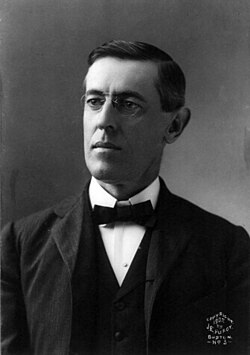
Wilson, c. 1875
← ホームへ戻る

ウッドロウ・ウィルソン理想主義と現実の間で揺れた第28代米大統領

ウッドロウ・ウィルソンは、アメリカ合衆国の歴史において最も知的であり、かつ議論を呼ぶ指導者の一人です。大学総長から州知事、そして国家元首へと登り詰めた彼は、国内では経済改革を断行し、国際舞台では第一次世界大戦後の世界秩序を再構築しようと試みました。彼の歩みは、高潔な理想主義と、権力行使における冷徹な現実主義が交錯するドラマに満ちています。

主要な実績と事実

  • 第28代アメリカ合衆国大統領(1913年〜1921年)として2期にわたり就任。
  • ノーベル平和賞(1919年)を受賞し、戦後の国際平和への貢献が認められた。
  • 連邦準備制度(Federal Reserve)の設立を主導し、米国の金融システムを近代化した。
  • 国際連盟の創設を提唱し、集団安全保障による世界平和を追求した。
  • プリンストン大学総長およびニュージャージー州知事を歴任した学識経験者。

学問的背景から政治の表舞台へ

ウィルソンのキャリアは、政治家としてではなく、教育者および学者として始まりました。1902年から1910年までプリンストン大学の第13代総長を務め、学術的なリーダーシップを発揮しました。
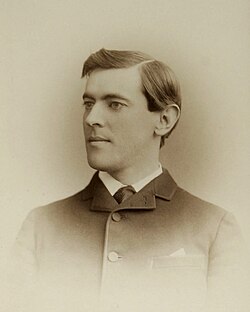
Wilson, c. 1875
Wilson in 1902
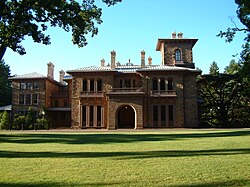
As president of Princeton University, Wilson lived in Prospect House on the university campus.

私生活では、1883年にジョージア州サバンナの牧師の娘であるエレン・アクセソンと結婚し、家庭的な基盤を築きました。
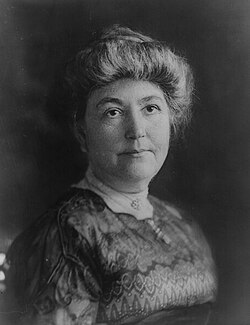
In September 1883, Wilson proposed to his future wife, Ellen Axson Wilson, the daughter of a Presbyterian minister in Savannah, Georgia.
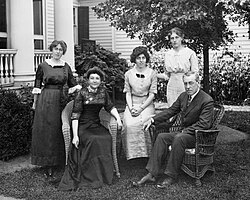
The Wilson family in 1912

その後、彼は政治の世界へ転身します。1910年の選挙で民主党候補として出馬し、1911年から1913年までニュージャージー州知事を務めました。この時期に培った行政能力が、後の大統領就任への足がかりとなりました。
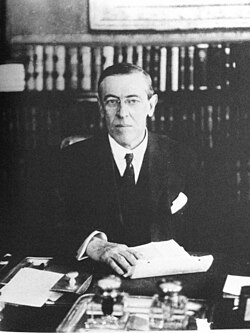
Wilson as New Jersey governor in 1911

大統領就任と国内改革の断行

1912年の大統領選挙で勝利したウィルソンは、1913年に就任しました。彼は「ニュー・フリーダム(新しい自由)」を掲げ、独占禁止法の強化や関税の引き下げなど、経済的な自由を促進する改革を推進しました。
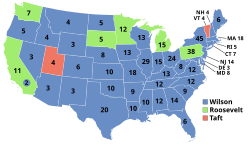
The 1912 presidential electoral college map
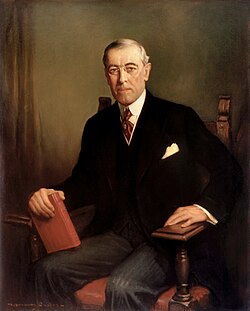
Wilson's 1913 official presidential portrait

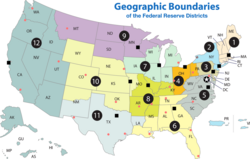
特に注目すべきは、現代の慣習となった「一般教書演説」を議会で直接行う形式を確立したことです。また、金融不安を解消するために連邦準備制度を創設し、米国の経済基盤を安定させました。

Wilson giving his first State of the Union address in 1913 before a joint session of Congress,[122] which initiated the modern practice of the State of the Union being given in person before all members of Congress[123]
Map of Federal Reserve Districts with Federal Reserve banks (in black circles), District branches (in black squares), and the Federal Reserve's national headquarters in red
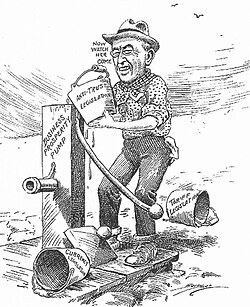
A 1913 Clifford K. Berryman cartoon with Wilson addressing the economy by pumping it full of tariff, currency, and antitrust laws

世界大戦への介入と国際秩序の模索

就任当初、ウィルソンは中立を維持しようと努めましたが、第一次世界大戦の激化に伴い、1917年にアメリカの参戦を決定しました。戦時下では、徴兵制の導入や国内の戦時体制の整備を急ぎました。

Map of the great powers and their empires in 1914
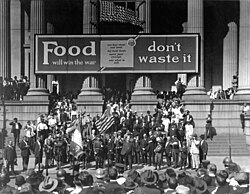
A banner reading, "Food will win the war—don't waste it", in front of city hall in New Orleans in October 1918
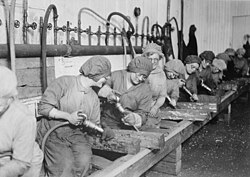
Women workers in an ordnance shop in Pennsylvania, in 1918
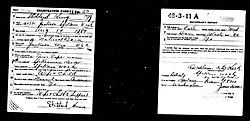
A World War I draft card. The lower left corner could be removed for men of African descent to help keep the military segregated.

しかし、国内での権力集中は、言論を制限するスパイ法や扇動法の制定といった側面も持ち、人権や民主主義のあり方について激しい議論を巻き起こしました。
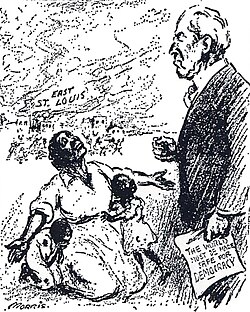
A 1917 political cartoon published in New York Evening Mail about the East St. Louis riots in 1917 with the caption reading, "Mr. President, why not make America safe for democracy?"

外交面では、メキシコのパンチョ・ビリャによる挑発への対応など、ラテンアメリカへの介入も行いました。
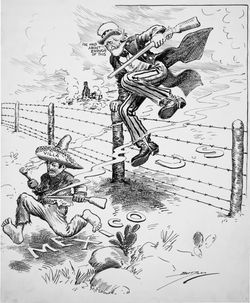
A cartoon depicting Uncle Sam entering Mexico in 1916 to punish Pancho Villa with Uncle Sam saying, "I've had about enough of this."
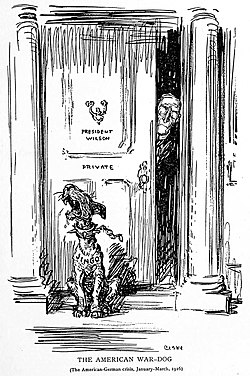
A cartoon of Wilson and "Jingo", the American war dog, ridiculing jingoes baying for war

パリ講和会議と国際連盟への夢

戦争終結後、ウィルソンは「14カ条の平和原則」を掲げ、パリ講和会議に出席しました。彼は、強国による利権争いではなく、民族自決と国際的な協調に基づく平和を追求しました。
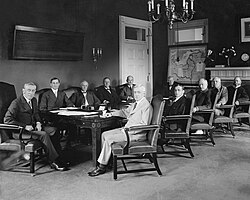
Wilson and his cabinet in 1916
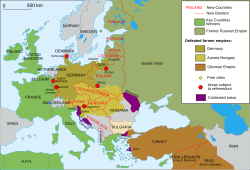
Several new European states were established at the Paris Peace Conference.
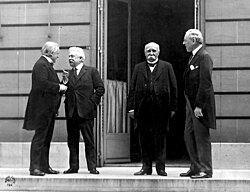
The "Big Four" at the Paris Peace Conference on May 27, 1919, following the end of World War I with Wilson standing next to Georges Clemenceau on the right

この努力により、彼は1919年にノーベル平和賞を受賞し、ヨーロッパ各地で熱狂的に迎えられました。しかし、帰国後のアメリカ国内では、国際連盟への加盟に反対する勢力が強く、結果として米国は加盟を見送ることになります。
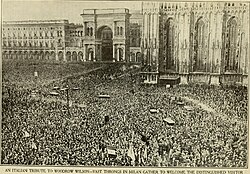
Vast throngs of Italians in Milan gather to welcome Wilson.
Wilson returning from the Versailles Peace Conference on USS George Washington, as she steamed up New York Harbor on July 8, 1919; the Weimar National Assembly in Germany formally ratified the treaty the following day in a vote of 209 to 116.[252]

また、戦後の混乱期には、社会的な不安から爆弾テロ事件などの騒乱も発生し、彼の理想主義は厳しい現実に直面しました。
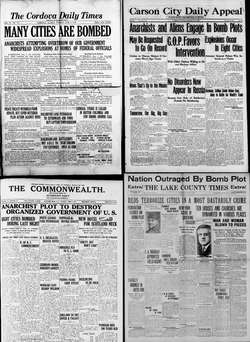
Newspaper headlines on June 3, 1919, covering the bombings

晩年と歴史的評価

1916年の再選を果たしたものの、任期後半に脳卒中を患い、政治的な影響力を失っていきました。1921年に退任した後、静かに余生を過ごし、1924年に没しました。
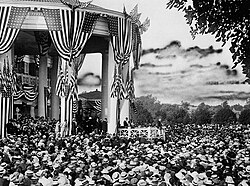
Wilson accepts the Democratic Party nomination for president in 1916
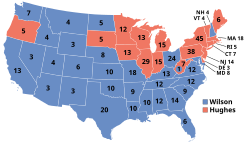
The 1916 electoral college map
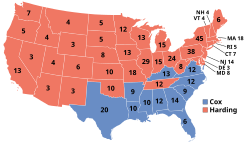
Republican presidential nominee Warren G. Harding defeated Democratic nominee James Cox in the 1920 United States presidential election.
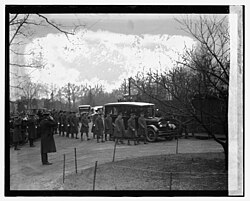
Funeral procession of the late former president Woodrow Wilson arrives at the Washington National Cathedral
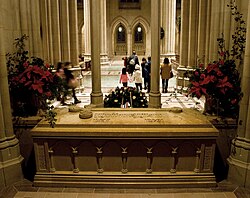
The final resting place of Woodrow Wilson at Washington National Cathedral

彼の遺した功績は、今日でも切手や記念碑、そして彼にちなんで名付けられた橋や基金などを通じて記憶されています。
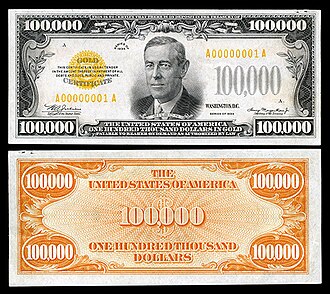
A 1934 $100,000 gold certificate depicting Wilson
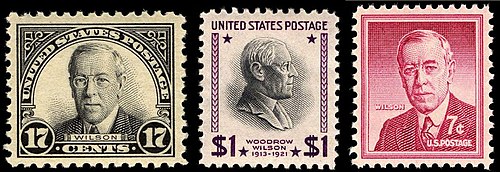
The U.S.Post Office issued postage stamps honoring Wilson: The 17-cent issued in 1925; The 1-dollar issued in 1938, the 7-cent in 1956
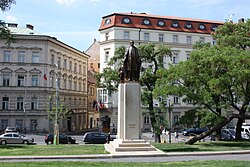
Woodrow Wilson Monument in Prague, Czech Republic

また、彼の思想は後の映画やドキュメンタリーでも取り上げられ、アメリカの世紀を切り拓いた先駆者として、あるいは矛盾を抱えた指導者として分析され続けています。
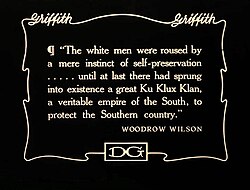
"The white men were roused by a mere instinct of self-preservation ... until at last there had sprung into existence a great Ku Klux Klan, a veritable empire of the South, to protect the Southern country."

ウィルソン大統領の経歴まとめ

ウッドロウ・ウィルソンの主要キャリアと功績
期間 役職・出来事 主な成果・影響
1902年 - 1910年 プリンストン大学総長 学術的リーダーシップの確立
1911年 - 1913年 ニュージャージー州知事 行政能力の証明と政治的基盤の構築
1913年 - 1921年 第28代アメリカ合衆国大統領 連邦準備制度創設、第一次世界大戦参戦
1919年 ノーベル平和賞受賞 国際連盟の提唱と戦後秩序の構築

Frequently Asked Questions

ウィルソン大統領が創設に関わった金融制度とは何ですか?

連邦準備制度(Federal Reserve)です。これにより、米国は中央銀行制度を持つこととなり、通貨の安定と金融危機の管理が可能になりました。

国際連盟の創設において、ウィルソンはどのような役割を果たしましたか?

彼は「14カ条の平和原則」を提唱し、国家間の紛争を武力ではなく対話と協調で解決する集団安全保障の仕組みとして国際連盟の設立を主導しました。

なぜアメリカはウィルソンが提唱した国際連盟に加盟しなかったのですか?

米国内の共和党を中心とする孤立主義的な勢力が、他国の紛争に巻き込まれることを恐れ、上院で加盟条約を否決したためです。

ウィルソンの国内政策における「ニュー・フリーダム」とは何ですか?

独占企業の解体や関税の引き下げ、銀行改革などを通じて、個人や小規模事業者が公正に競争できる「自由な経済環境」を取り戻そうとする政策のことです。

ウィルソン大統領の晩年に何が起きましたか?

任期中に深刻な脳卒中を患い、身体的・精神的に大きなダメージを受けました。これにより、実質的な政務の多くを妻のエディス・ボリング・ウィルソンが管理する状況となりました。

References

  1. Although a handful of elite, Northern schools admitted African-American students at the time, most colleges refused to accept black students. Most African-American college students attended such as .
  2. House and Wilson fell out during the Paris Peace Conference, and House no longer played a role in the administration after June 1919.

📸 フォトギャラリー

Wilson, c. 1875
In September 1883, Wilson proposed to his future wife, Ellen Axson Wilson, the daughter of a Presbyterian minister in Savannah, Georgia.
Wilson in 1902
As president of Princeton University, Wilson lived in Prospect House on the university campus.
Wilson as New Jersey governor in 1911
The 1912 presidential electoral college map
Wilson and his cabinet in 1916
Wilson giving his first State of the Union address in 1913 before a joint session of Congress,[122] which initiated the modern practice of the State of the Union being given in person before all members of Congress[123]
Map of Federal Reserve Districts with Federal Reserve banks (in black circles), District branches (in black squares), and the Federal Reserve's national headquarters in red
A 1913 Clifford K. Berryman cartoon with Wilson addressing the economy by pumping it full of tariff, currency, and antitrust laws
Wilson's 1913 official presidential portrait
A cartoon depicting Uncle Sam entering Mexico in 1916 to punish Pancho Villa with Uncle Sam saying, "I've had about enough of this."
A cartoon of Wilson and "Jingo", the American war dog, ridiculing jingoes baying for war
The Wilson family in 1912
Wilson accepts the Democratic Party nomination for president in 1916
The 1916 electoral college map
Map of the great powers and their empires in 1914
A banner reading, "Food will win the war—don't waste it", in front of city hall in New Orleans in October 1918
Women workers in an ordnance shop in Pennsylvania, in 1918
Several new European states were established at the Paris Peace Conference.
The "Big Four" at the Paris Peace Conference on May 27, 1919, following the end of World War I with Wilson standing next to Georges Clemenceau on the right
Vast throngs of Italians in Milan gather to welcome Wilson.
Wilson returning from the Versailles Peace Conference on USS George Washington, as she steamed up New York Harbor on July 8, 1919; the Weimar National Assembly in Germany formally ratified the treaty the following day in a vote of 209 to 116.[252]
Newspaper headlines on June 3, 1919, covering the bombings
Republican presidential nominee Warren G. Harding defeated Democratic nominee James Cox in the 1920 United States presidential election.
Funeral procession of the late former president Woodrow Wilson arrives at the Washington National Cathedral
The final resting place of Woodrow Wilson at Washington National Cathedral
"The white men were roused by a mere instinct of self-preservation ... until at last there had sprung into existence a great Ku Klux Klan, a veritable empire of the South, to protect the Southern country."
A World War I draft card. The lower left corner could be removed for men of African descent to help keep the military segregated.
A 1917 political cartoon published in New York Evening Mail about the East St. Louis riots in 1917 with the caption reading, "Mr. President, why not make America safe for democracy?"
A 1934 $100,000 gold certificate depicting Wilson
The U.S.Post Office issued postage stamps honoring Wilson: The 17-cent issued in 1925; The 1-dollar issued in 1938, the 7-cent in 1956
Woodrow Wilson Monument in Prague, Czech Republic