私たちが日常的に使用している摂氏(℃)とは異なり、科学の世界ではケルビン(K)という温度単位が不可欠です。これは「絶対温度」と呼ばれる尺度であり、物質の熱運動が完全に停止すると考えられる理論上の最低温度「絶対零度」を基準としています。本記事では、ケルビンの定義がどのように変遷し、現代の物理学においてどのような役割を果たしているのかを詳しく解説します。
Key Facts
- 定義の基礎: 2019年の改定により、ボルツマン定数($k_B$)を用いてエネルギーとして定義されている。
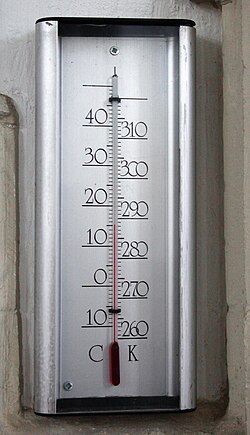
- 絶対零度: 0 Kは摂氏で約 -273.15 ℃に相当し、これより低い温度は存在しない。
- SI基本単位: 国際単位系(SI)における温度の基本単位であり、記号は「K」を用いる(「°」は付けない)。
- 実用的用途: 天文学や物理学のほか、照明業界における「色温度」の指標としても広く利用されている。
温度尺度の原点と絶対零度の発見
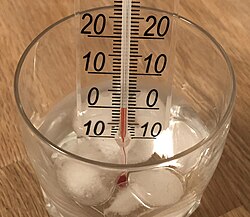
18世紀に登場した華氏や摂氏などの温度計は、氷点や沸点といった人間にとって再現しやすい現象を基準に作られていました。しかし、これらは物理学的な深い意味を持つ基準ではありませんでした。
その後、ジャック・シャルルやジョン・ドルトンらによって、一定の圧力下にある理想気体の体積は温度に比例して変化するという「シャルルの法則」が導き出されました。この法則を数学的に延長(外挿)すると、温度が約 -273 ℃に達したときに気体の体積がゼロになることが示唆され、これが「絶対零度」という概念の先駆けとなりました。
ケルビン尺度の誕生と発展
1848年、イギリスの科学者ウィリアム・トムソン(後のケルビン男爵)は、熱力学的な原理に基づいた絶対温度尺度の論文を発表しました。彼は、物質の種類に依存しない普遍的な温度基準を追求し、熱効率と温度の関係から絶対的な尺度を構築しようと試みました。
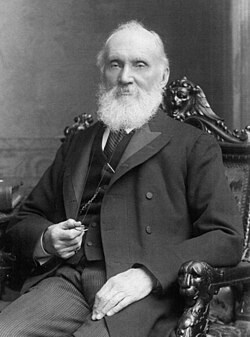
当初の試行錯誤を経て、ケルビンは絶対零度の値を -273 ℃と算出しました。これは現代の -273.15 ℃という値とほぼ一致しており、当時の測定精度を考慮すれば極めて正確な洞察であったと言えます。その後、この尺度は「絶対摂氏」とも呼ばれ、1954年に正式に国際単位系(SI)に導入されました。
定義の変遷:三重点から物理定数へ
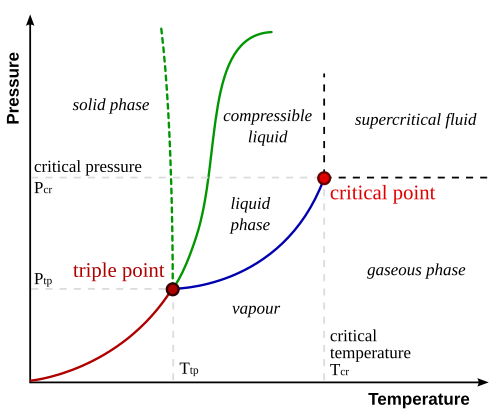
長らく、ケルビンの定義は水の「三重点」に基づいていました。三重点とは、物質の固体・液体・気体の3つの相が熱力学的平衡状態で共存できる唯一の温度と圧力の点のことです。水の場合、この温度は 0.01 ℃(273.16 K)と定義され、極めて高い再現性を持って測定できるため、世界的な基準となりました。
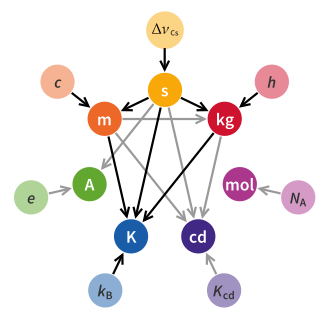
しかし、三重点からの乖離が大きい極低温や超高温の測定精度を高めるため、2019年に定義が根本的に変更されました。現在は、物質の特性ではなく、宇宙の普遍的な定数であるボルツマン定数($k_B = 1.380 649 imes 10^{-23} ext{ J/K}$)を用いて定義されています。これにより、1 Kの変化は正確に特定の熱エネルギーの変化量として規定されることになりました。
ケルビンの実用的な応用
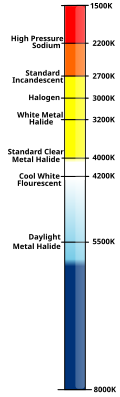
ケルビンは純粋な物理学だけでなく、実社会のさまざまな分野で活用されています。代表的な例が「色温度」です。これは、黒体(理想的な放射体)がその温度に応じて放出する光の色の分布に基づいた指標です。一般的に、低い温度(約4000 K以下)では赤みがかり、高い温度(約7500 K以上)では青みがかった光になります。写真撮影や映像制作において、太陽光(約5600 K)に合わせるための重要な基準となっています。
温度単位の比較まとめ
| 項目 | ケルビン (K) | 摂氏 (°C) | 華氏 (°F) |
|---|---|---|---|
| 絶対零度 | 0 K | -273.15 °C | -459.67 °F |
| 水の凝固点 (標準圧) | 273.15 K | 0 °C | 32 °F |
| 水の沸点 (標準圧) | 373.15 K | 100 °C | 212 °F |
| 単位の性質 | 絶対尺度(基本単位) | 相対尺度(派生単位) | 相対尺度 |
Frequently Asked Questions
ケルビンに「度(°)」の記号は付けますか?
いいえ、付けません。摂氏(°C)や華氏(°F)とは異なり、ケルビンは単位そのものが基本単位であるため、記号は単に「K」と表記します(例:273.15 K)。
なぜ2019年に定義が変更されたのですか?
特定の物質(水)の三重点に依存する定義では、極端な温度域での測定精度に限界があったためです。普遍的な物理定数であるボルツマン定数に基づかせることで、どのような環境でも不変で高精度な測定が可能になりました。
絶対零度(0 K)に到達することは可能ですか?
理論上、絶対零度は物質の熱運動が完全に停止する点ですが、熱力学の法則により、有限の手順で完全に 0 K に到達させることは不可能であると考えられています。
色温度の「K」は絶対温度と同じ意味ですか?
はい、原理は同じです。ある温度に加熱された物体が放出する光のスペクトルを基準にしているため、ケルビンという単位が使われています。
摂氏からケルビンへの変換方法は?
摂氏温度に 273.15 を加えることでケルビンに変換できます($K = °C + 273.15$)。逆に、ケルビンから 273.15 を引けば摂氏になります。
References
- The absolute uncertainty can be calculated as 273.16 × 3.7×10−7 K, which can be rounded to 0.10 mK for all practical purposes.
📸 フォトギャラリー