Antikythera Mechanism Saros cycle for the prediction of eclipses ΣΚΓ′, in the red rectangle, and means 223 months. Written between 150 and 100 BCE
← ホームへ戻る

サロス周期日食と月食を予測する天文学の神秘的なサイクル

夜空に起こる日食や月食は、一見すると不規則な現象に思えるかもしれません。しかし、天文学にはサロス周期(Saros cycle)という、驚くほど正確な周期性が存在します。このサイクルを理解すれば、数十年後の空にどのような食が起こるかを高い精度で予測することが可能です。

サロス周期とは、太陽、地球、そして月の相対的な位置関係がほぼ同じ状態に戻るまでの期間を指します。この周期が一周すると、前回とほぼ同じ条件で再び食が発生するため、天文学者はこれを「食のサイクル」として利用しています。

Key Facts

  • 周期の長さ:約18年11日と8時間(6,585.3211日)。
  • 構成要素:223回の朔望月(新月から新月まで)に相当。
  • 予測の仕組み:月の位相、軌道の交点、地球からの距離がほぼ同時に一致することで発生。
  • 視認性の変化:周期に約8時間の端数があるため、次回の食は地球上で約120度西にずれた場所で見える。
  • トリプルサロス:3周期分(約54年)経つと、ほぼ同じ現地時間・場所で食が観測される。

サロス周期を形作る3つの天文学的リズム

なぜ18年という中途半端な期間で食が繰り返されるのでしょうか。それは、月に関する3つの異なる周期が、サロス周期という一点でほぼ完璧に同期するためです。

  • 朔望月(Synodic Month):月の満ち欠けの周期(約29.53日)。食が起こるには、月が新月(日食)または満月(月食)である必要があります。
  • 交点月(Draconic Month):月が黄道面(地球の公転面)を横切る点(昇交点または降交点)に戻る周期(約27.21日)。月がこの交点付近にいない限り、影は外れてしまい食になりません。
  • 近点月(Anomalistic Month):月が地球に最も近い点(近地点)に戻る周期(約27.55日)。これにより、食の際の月の見かけの大きさと持続時間が決定されます。

サロス周期(約6,585.32日)は、これら3つの周期の整数倍に非常に近いため、1サイクル後に太陽・地球・月が再びほぼ一直線に並び、前回と酷似した食が再現されるのです。
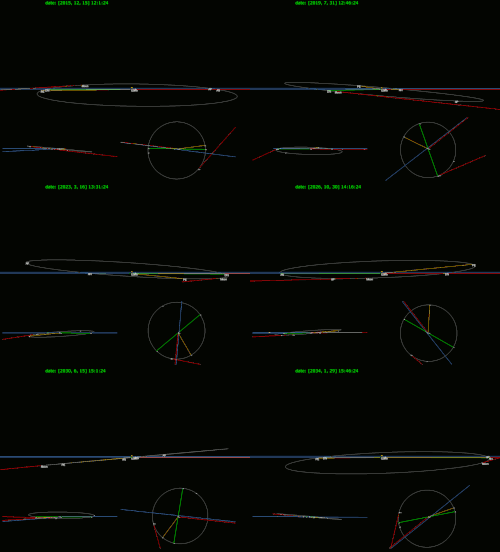
Visualization of a period of one saros cycle in 3D.

サロス系列と食の変遷

すべての食が単一のサイクルに属しているわけではありません。個々の食はサロス系列(Saros series)と呼ばれるグループに分類されます。一つの系列は、数百年から千年以上かけてゆっくりと進化します。

例えば、ある系列の最初の食は地球の影の端で部分的に起こりますが、サイクルを繰り返すごとに軌道が少しずつずれ、やがて皆既食へと変わり、最終的には再び端へと移動して消滅します。日食と月食ではそれぞれ異なる系列番号が割り振られており、現在はそれぞれ40〜41程度の系列が活動しています。
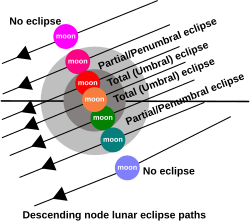
Lunar eclipses occurring near the Moon's descending node are given odd saros series numbers. The first eclipse in such series passes through the southern edge of the Earth's shadow, and the Moon's path is shifted northward each successive saros, while lunar eclipses occurring near the Moon's ascending node are given even saros series numbers. The first eclipse in such series passes through the northern edge of the Earth's shadow, and the Moon's path is shifted southward each successive saros.
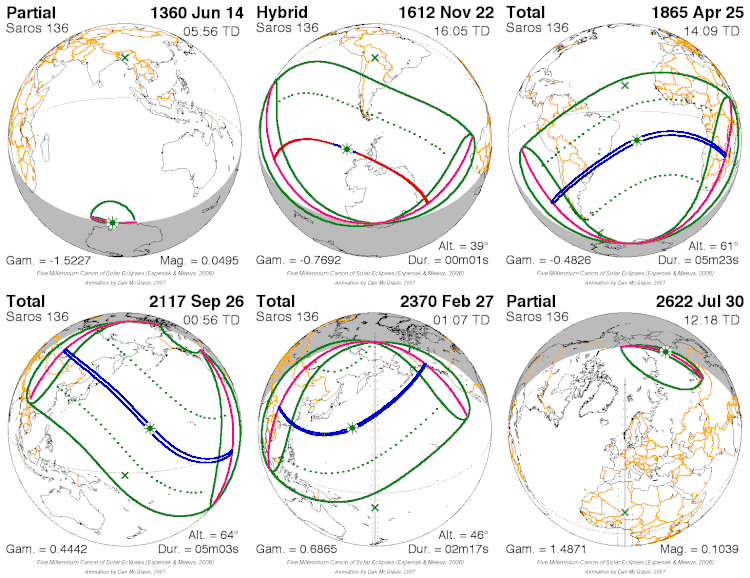
Solar eclipses occurring near the Moon's descending node are given even saros series numbers. The first eclipse of each series starts at the southern limb of the Earth and the eclipse's path is shifted northward with each successive saros, while solar eclipses occurring near the Moon's ascending node are given odd saros series numbers. The first eclipse of each series starts at the northern limb of the Earth and the eclipse's path is shifted southward with each successive saros.

サロス系列の具体例:月食系列131

月食のサロス系列131を例に挙げると、この系列は西暦1427年に始まりました。当初は地球の影の南端をかすめる部分食でしたが、次第に北へとシフトし、1950年には初の皆既食を記録しました。その後、2078年に中心的な皆既食を迎えた後、2707年に北端をかすめて終了する予定です。この一つの系列だけで約1,280年もの歳月が流れます。
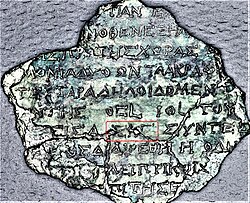
Antikythera Mechanism Saros cycle for the prediction of eclipses ΣΚΓ′, in the red rectangle, and means 223 months. Written between 150 and 100 BCE

歴史的背景と名称の由来

「サロス」という言葉は、1686年にエドモンド・ハレーが11世紀のビザンツ帝国時代の事典『スーダ』から引用して広めました。もともとは古代バビロニアの天文学に基づいた概念であると考えられています。語源については、バビロニア語で「3600」を意味する「sāru」か、あるいはギリシャ語で「(空を)掃く」を意味する「saro」に由来すると言われています。

サロス周期のまとめ

サロス周期の構成と特性
項目 数値・詳細
正確な日数 6,585.3211日
年数換算 約18.03年
朔望月の回数 223回
交点月の回数 約242回
近点月の回数 約239回
視認位置の移動 1サイクルごとに西へ約120度

Frequently Asked Questions

なぜ同じ場所で次のサロス周期の食が見られないのですか?

サロス周期がちょうど整数日の長さではなく、約8時間(1/3日)の端数があるためです。地球がその間に約120度自転してしまうため、次回の食は前回よりも西側の地域で観測されることになります。

エクセリグモス」とは何ですか?

サロス周期を3回繰り返したサイクル(トリプルサロス)のことです。約54年と1ヶ月の期間を経て、端数の8時間が合計24時間(1日)となるため、ほぼ同じ現地時間、そしてほぼ同じ地理的場所で再び食を観測できるようになります。

日食と月食のサロス周期は関係していますか?

はい。日食と月食の間には「サール(sar)」と呼ばれる約9年5.5日の関係性があります。例えば、ある日食が起こった約9年半後に、同様の幾何学的条件を備えた月食が発生することがあります。

サロス系列はいつか終わるのでしょうか?

はい、終わります。月と地球の軌道が少しずつずれていくため、系列の始まりと終わりは影の端をかすめる部分食となり、その中間期間に皆既食などの深い食が起こります。一つの系列の寿命は通常1,000年前後です。

References

  1. 6585.3223 days (.3223 representing 7 hours and 43 minutes)

📸 フォトギャラリー

Antikythera Mechanism Saros cycle for the prediction of eclipses ΣΚΓ′, in the red rectangle, and means 223 months. Written between 150 and 100 BCE
Lunar eclipses occurring near the Moon's descending node are given odd saros series numbers. The first eclipse in such series passes through the southern edge of the Earth's shadow, and the Moon's path is shifted northward each successive saros, while lunar eclipses occurring near the Moon's ascending node are given even saros series numbers. The first eclipse in such series passes through the northern edge of the Earth's shadow, and the Moon's path is shifted southward each successive saros.
Visualization of a period of one saros cycle in 3D.
Solar eclipses occurring near the Moon's descending node are given even saros series numbers. The first eclipse of each series starts at the southern limb of the Earth and the eclipse's path is shifted northward with each successive saros, while solar eclipses occurring near the Moon's ascending node are given odd saros series numbers. The first eclipse of each series starts at the northern limb of the Earth and the eclipse's path is shifted southward with each successive saros.