9世紀から10世紀にかけて、中央アジアの広大な大地に君臨したサーマーン朝は、単なる政治的な支配にとどまらず、ペルシア文化とイスラム文明を融合させた類まれなる文明の開花をもたらしました。彼らは、かつてのササン朝の栄光を精神的に継承し、現代のタジキスタンやウズベキスタンを含む地域で、学問と芸術の頂点を築き上げました。
この王朝の最大の特徴は、イスラム教を信仰しながらも、自らのルーツであるペルシア語と文化を再興させた点にあります。これにより、中央アジアは知的な探求の拠点となり、後世のイスラム世界に多大な影響を与えることとなりました。
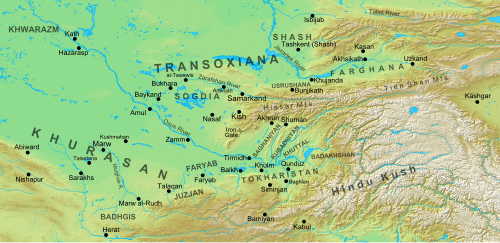
Key Facts
- 存続期間: 819年〜999年
- 主要都市: サマルカンド(初期)、ブハラ(後期)
- 公用語: ペルシア語(宮廷・学術)、アラビア語(宗教・行政)
- 宗教: 主にスンニ派イスラム教(少数派にシーア派やゾロアスター教が存在)
- 文化的功績: 新ペルシア文学の確立と、叙事詩『シャーナメ』の誕生
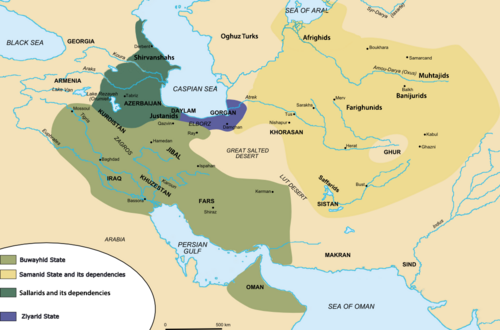
- 領土: ホラサンおよびトランスオクシアナを含む約285万平方キロメートル
王朝の興隆と領土の拡大
初期の基盤構築
サーマーン朝の起源は、819年頃に遡ります。初期の指導者たちは、現在のタジキスタンやウズベキスタン周辺の地域で徐々に勢力を拡大しました。特にヌーフ(Nuh)は、遊牧民のトルコ系諸部族からイスフィジャブを奪取し、都市を防御するための城壁を築くなど、戦略的な拠点作りを推進しました。
その後、ヤフヤーやアフマドといった指導者たちが後を継ぎ、チャチやフェルガナ、サマルカンドといった重要都市を支配下に置くことで、トランスオクシアナ(オクソス川以東の地域)の大部分を統合していきました。
全盛期と統治の安定
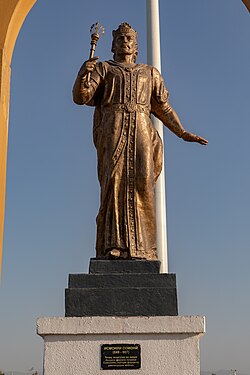
王朝が最大の繁栄を迎えたのは、イスマイル・サーマーンの時代(892年〜907年)です。彼は政治的な安定をもたらし、ブハラを文化と学問の中心地へと変貌させました。彼の死後、息子のアフマドが継承し、シスタン地方への進出など領土をさらに広げましたが、同時に内部的な対立や外部からの圧力にも直面することになります。
政治的動乱と衰退への道
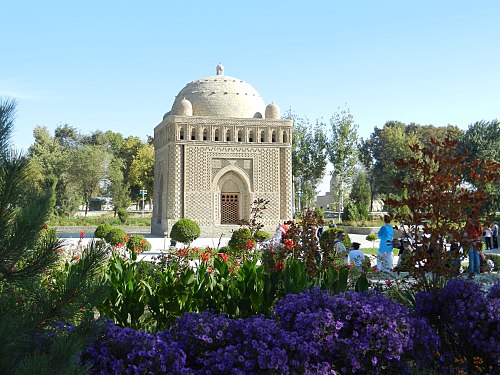
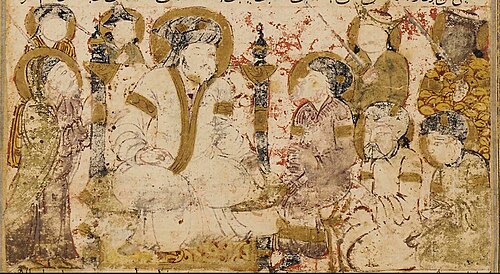
10世紀半ばになると、王朝は徐々に不安定な時期に入ります。ナスル2世の時代には、ブハラに豪華な宮殿を建設する一方で、西方のダイラム人やギラーン人の支配者たちと激しく衝突しました。軍事的な緊張が高まる中、シムジュリードの将軍などが防衛に貢献しましたが、領土の維持には多大なコストがかかりました。
![Nuh II suppressing a rebel. Majma' al-tawarikh, dated c. 1425.[52]](/images/3c/88/3c88b20ebb5f1ee3b2f015fb13e65993a291f570e73f04493e858f3001d28bcf.jpg)
また、王朝の末期には、名目上の臣下であったアルプ・ティギンらがガズニを征服し、後のガズナ朝の基礎を築くなど、地方勢力の台頭を許しました。最終的に、999年にカラハン朝がブハラを占領したことで、サーマーン朝の政治的な支配は終焉を迎えました。
!["Battle Between Abu'l-Qasim and the Samanid Muntasir". Jami al-Tawarikh, 1314–15.[57]](/images/d1/49/d149ac2ccb6523b6ec2147822cd471e1a530472ac4c264671aec9cf376e413e1.jpg)
文化・芸術の黄金時代
ペルシア文学のルネサンス
サーマーン朝の最も輝かしい功績は、新ペルシア文学を正式に認め、発展させたことです。それまで宗教や行政の言語としてアラビア語が優先されていましたが、彼らはペルシア語を宮廷や学問の言語として復興させました。
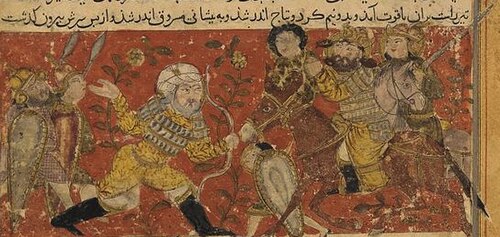
この時代に、ルーダキーやダキーキーといった偉大な詩人が現れ、そして何より、世界的に有名な詩人フィルドウスィーが叙事詩『シャーナメ(王書)』を執筆しました。この作品は、古代イランの歴史と神話を保存し、ペルシア人のアイデンティティを確立させる決定的な役割を果たしました。
学術と芸術の融合
ブハラは当時の知的な中心地となり、天文学、医学、哲学などの研究が盛んに行われました。また、工芸品やテキスタイルにおいても高度な技術が発揮され、豪華なカフタン(長衣)や絹織物が制作されました。これらの芸術品は、当時の貴族社会の豊かさと洗練された美的感覚を物語っています。
![Wall painting of a mounted falconer in decorated caftan from Nīshāpūr area, Sāmānid, 10th century (Museum of Islamic Archaeology, Tehran, Iran).[36][37][38]](/images/2a/58/2a5840bea08cb0b31a6f7c3d8c971d2286694c26091ed3a0492a873f75525d5d.jpg)
![Silk textile, probably a saddle-cloth, made for Abū‘l-Mansūr Bukhtegīn (d. 961), a general under the Samanid ruler Abd al-Malik I. Known as the Suaire de Saint-Josse, Paris, Louvre, OA 7502.[59][60]](/images/df/dd/dfdd4a220dc98ac44b2758deab74da7f3dd492e752720b93af3710adb813332f.jpg)
言語と宗教の共存
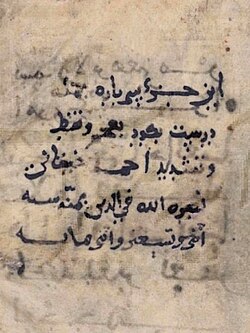
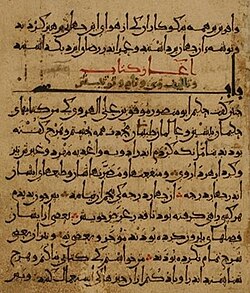
社会的には、スンニ派イスラム教が主流でしたが、ゾロアスター教などの少数宗教も共存していました。言語面では、学術的なアラビア語と、日常的・文学的なペルシア語、そして地域的なソグド語などが使い分けられており、多文化的な環境が整っていました。
サーマーン朝の概要まとめ
| 項目 | 詳細 |
|---|---|
| 主要都市 | サマルカンド $\rightarrow$ ブハラ |
| 主要言語 | ペルシア語、アラビア語、ソグド語 |
| 代表的な詩人 | フィルドウスィー、ルーダキー、ダキーキー |
| 政治体制 | 世襲君主制(アミール) |
| 後継王朝 | ガズナ朝、カラハン朝など |
Frequently Asked Questions
サーマーン朝が歴史的に重要とされる理由は何ですか?
イスラム教を受け入れながらも、ペルシア語とペルシア文化を再興させ、「新ペルシア文学」という新しい文化圏を確立したためです。これにより、中央アジアが知的な中心地となり、後のイスラム文明に多大な影響を与えました。
『シャーナメ』とはどのような作品ですか?
詩人フィルドウスィーによって書かれたペルシア語の叙事詩です。古代イランの神話や歴史的な王たちの物語が描かれており、ペルシア文化の精神的な支柱となっています。
当時の首都はどこでしたか?
初期はサマルカンドが中心でしたが、892年以降はブハラが首都となり、政治および文化の拠点として繁栄しました。
どのような宗教が信仰されていましたか?
主流はスンニ派イスラム教でしたが、少数ながらシーア派や、イスラム化以前の伝統であるゾロアスター教を信仰する人々も存在していました。
王朝はどのようにして滅亡しましたか?
内部的な混乱と、ガズナ朝やカラハン朝といった新興勢力の台頭により弱体化し、最終的に999年にカラハン朝によってブハラが占領されたことで滅亡しました。
![Silver medallion of the Samanid ruler Mansur I, dated AH 358 (968/9), with bilingual Middle Persian and Arabic minted in Bukhara. The obverse is extremely similar to that of the Western Turk Kaghan Zik (r. 610–618).[18][19]Obverse in Middle Persian: "the King of Kings has increased the royal splendor"Reverse in Arabic: "There is no god but Allah, the One, there is no partner to Him, Muhammad is the messenger of Allah, al-Muti' lillah, the victorious king, Mansur son of Nuh."](/images/93/69/936926ec4b7e31f4d6550bb8a9c5300e61f7cb9be4b41d8722ee67a4eeda7ed2.jpg)
References
- Also known as the Samanian Empire, Samanid dynasty, Samanid amirate, or simply as the Samanids.
- Specifically , , and
📸 フォトギャラリー