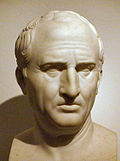
アメリカ合衆国イリノイ州クック郡に位置するシセロ(Cicero)は、シカゴ近郊に展開する活気あるタウンです。古代ローマの偉大な政治家であり雄弁家として知られるマルクス・トゥッリウス・キケロにちなんで名付けられたこの街は、現在では州内で最もヒスパニック系住民の割合が高い地域として知られています。
主要な事実(Key Facts)
- 人口構成: 住民の89%以上がヒスパニック系であり、イリノイ州で最大の比率を誇る。
- 人口規模: 2020年時点で85,268人を数え、州内で11番目に人口の多い自治体である。
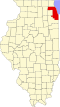
- 地理的特徴: 総面積は約5.86平方マイル(約15.19平方キロメートル)で、すべて陸地で構成されている。
- 行政形態: 評議会・マネージャー制を採用しており、現在はラリー・ドミニク氏がタウンプレジデントを務める。
地理と都市の変遷
シセロはクック郡の戦略的な位置にあり、かつてはハーレム・アベニューからウェスタン・アベニュー、パーシング・ロードからノース・アベニューまで広がる広大なエリアを所有していました。しかし、その後のシカゴ市による併合を経て、現在のコンパクトな市街地へと再編されました。
人口動態と社会構造
1867年の法人化以来、シセロの人口は劇的な変動を繰り返してきました。19世紀後半から20世紀初頭にかけて急成長を遂げ、特に1920年代には人口が爆発的に増加しました。現代のシセロは、極めて高い人口密度(1平方マイルあたり約14,538人)を持つ都市へと進化しています。
人種構成においては、2000年から2020年にかけて大きな変化が見られます。非ヒスパニック系の白人人口が減少する一方で、ヒスパニック・ラティーノ系の割合が上昇し、2020年には全体の89%に達しました。これにより、街の文化的アイデンティティはより強固なものとなっています。
文化・教育・著名人
教育面では、1894年に設立されたJ.スターリング・モートン高校(イーストキャンパス)が地域住民の学びを支えています。また、かつてはティモシー・クリスチャン・スクールなどの教育機関も存在していました。
この街は、歴史的に多様な分野で成功した人物を輩出しています。政治や宗教界のみならず、俳優のジョー・マンテーニャや、オラクル社の共同創設者であるボブ・マイナーなど、ビジネスや芸術の分野でも著名な人物がシセロにゆかりを持っています。また、悪名高いギャングのアル・カポネが活動拠点とした歴史的な側面も併せ持っています。
地域データまとめ
| 項目 | 詳細内容 |
|---|---|
| 設立日 | 1867年2月28日 |
| 標高 | 607フィート(約185メートル) |
| 郵便番号(ZIP) | 60804 |
| 市街地面積 | 5.86平方マイル(水域なし) |
| 2020年人口 | 85,268人 |
よくある質問(FAQ)
シセロという名前の由来は何ですか?
古代ローマの政治家および雄弁家であるマルクス・トゥッリウス・キケロ(Marcus Tullius Cicero)にちなんで名付けられました。
シセロの人口構成の特徴は?
イリノイ州で最もヒスパニック系住民の割合が高いタウンであり、2020年のデータでは人口の89%を占めています。
どのような著名人がこの街に関係していますか?
俳優のジョー・マンテーニャや、IT企業オラクル社の共同創設者ボブ・マイナー、そして歴史的な人物としてアル・カポネなどが挙げられます。
街の地理的な特徴は?
クック郡に位置し、面積のすべてが陸地であるため水域は存在しません。シカゴ市に隣接しており、かつてはより広い面積を持っていましたが、一部がシカゴ市に併合されました。
現在の行政責任者は誰ですか?
2005年よりラリー・ドミニク(Larry Dominick)氏がタウンプレジデントを務めています。
References
- U.S. Geological Survey Geographic Names Information System: Cicero, Illinois
- "2020 U.S. Gazetteer Files". United States Census Bureau. Archived from the original on March 15, 2022. Retrieved March 15, 2022.
- "City and Town Population Totals: 2020-2024". United States Census Bureau. U.S. Department of Commerce. March 2025. Retrieved September 2, 2025.
- Illinois Regional Archives Depository System. "Name Index to Illinois Local Governments". Illinois State Archives. . Archived from the original on November 10, 2013. Retrieved May 2, 2013.
- "Cicero town, Illinois". . Archived from the original on April 14, 2022. Retrieved April 15, 2022.
- "State's Hispanic population now fifth in nation | Journal-Courier".[]
- "Cicero, IL". Encyclopedia.chicagohistory.org. Archived from the original on November 27, 2012. Retrieved November 17, 2012.
- Gray, Carroll (2005). "CICERO FLYING FIELD - Origin, Operation, Obscurity and Legacy - 1891 to 1916 - OPERATION, 1911 - THE ESTABLISHMENT OF CICERO FLYING FIELD". lincolnbeachey.com. Carroll F. Gray. Archived from the original on May 9, 2017. Retrieved September 7, 2017.
The second great aeronautical event of 1911 around Chicago was the establishment by the A.C.I. of a top-notch flying field named 'Cicero Flying Field' (or simply 'Cicero') within the township limits of Cicero (bounded by 16th St., 52nd Ave., 22nd St. and 48th Avenue. At some point during May, the A.C.I. was given a five year lease on the Cicero property by the Grant Land Association, Harold F. McCormick's property holding company. At the conclusion of the 1911 Aviation Meet, the hangars in Grant Park were moved to the southern edge of the 2-1/2 sq. mi. lot in Cicero.
- Gray, Carroll (2005). "CICERO FLYING FIELD - Origin, Operation, Obscurity and Legacy - 1891 to 1916 - 1909 & 1910 - GLENN H. CURTISS & THE AERO CLUB OF ILLINOIS". lincolnbeachey.com. Carroll F. Gray. Archived from the original on May 9, 2017. Retrieved September 7, 2017.
The day before his two-day exhibition flights at the in Cicero, Illinois, on October 16 and 17, 1909, spoke to the Chicago Automobile Club and suggested that an aero club be formed in Chicago. In response to his remarks, the Aero Club of Illinois ('A.C.I.') was incorporated on February 10, 1910, with as its first president—a perfect choice, to be sure... The second great aeronautical event of 1911 around Chicago was the establishment by the A.C.I. of a top-notch flying field named 'Cicero Flying Field' (or simply 'Cicero') within the township limits of Cicero (bounded by [West] 16th St., 52nd Ave [S. Laramie Avenue]., 22nd St [West Cermak Road]. and .), conveniently located adjacent to interurban rail service—just a 15 min. 5¢ trip on the from downtown Chicago, and also was served by two streetcar lines.
- Gray, Carroll (2005). "CICERO FLYING FIELD - Origin, Operation, Obscurity and Legacy - 1891 to 1916 - 1916 - THE FINAL FLIGHT & A NEW FIELD". lincolnbeachey.com. Carroll F. Gray. Archived from the original on May 9, 2017. Retrieved September 7, 2017.
On April 16, 1916, when 'Matty' Laird took off from Cicero Flying Field, at the controls of his self-designed and self-built Boneshaker biplane and flew to the new Partridge & Keller aviation field at 87th St. and Pulaski Road, in Chicago, Cicero Flying Field ceased to be. The next day, the Aero Club of Illinois (A.C.I.) officially opened its new 640 acre on land purchased by A.C.I. President 'Pop' Dickinson for the A.C.I. Ashburn was located at 83rd St. and Cicero Avenue, about 7-1/2 miles almost due south of Cicero. All of the hangars and buildings at Cicero had been moved to Ashburn Field some months earlier.
📸 フォトギャラリー