インドネシアの人口の大部分を占めるジャワ人は、豊かな火山性土壌に恵まれたジャワ島を中心に、独自の洗練された文化を築き上げてきました。彼らのアイデンティティは、古代のヒンドゥー・仏教の影響と、後に浸透したイスラム教、そして土着の信仰が複雑に融合した点にあります。現在では世界各地にディアスポラ(離散共同体)が存在し、その文化的な影響力は東南アジア全域に及んでいます。
主要な事実(Key Facts)
- 人口規模: 世界全体で約1億人に達し、主にインドネシアに居住。
- 宗教的構成: 大多数がスンニ派イスラム教徒であるが、キリスト教、ヒンドゥー教、仏教などの少数派も存在する。
- 言語: 固有のジャワ語を使用し、儀式では古ジャワ語が用いられる。
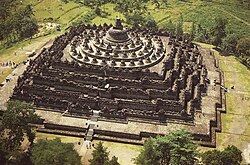
- 世界的遺産: 世界最大級の仏教寺院ボロブドゥールなど、数多くの古代寺院を建設した。
- 伝統工芸: 世界的に有名なろうけつ染め「バティック」の創始者とされる。
歴史的展開と帝国の興亡
ジャワの歴史は、強力な王国と帝国の台頭によって形作られました。特に13世紀末のシンハサリ王国では、ケルタネガラ王の下でマドゥラ、バリ、ボルネオ、マレー半島、そしてスマトラへと影響力を拡大しました。これにより、マラッカ海峡の貿易権を掌握し、モルッカ諸島の香辛料貿易においても重要な役割を果たしました。
ジャワ人は古くからインド文化を積極的に取り入れており、叙事詩『ラーマーヤナ』などの要素を自国の文化に適合させました。
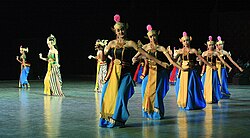
その後、ジャワではイスラム教が浸透し、様々なスルタン国が誕生しました。植民地時代にはオランダ東インド会社(VOC)との激しい衝突や交渉を経て、現代のインドネシア共和国へと至ります。
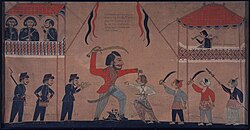
精神世界と宗教の融合
現代のジャワ人の多くはスンニ派イスラム教を信仰していますが、その信仰形態は非常に独特です。11世紀にはすでにイスラム教との接触があった記録があり、マジャパヒト時代には宮廷に近い場所でもムスリムの存在が確認されていました。
しかし、単なる宗教的転換ではなく、古くからのヒンドゥー教や仏教、そして「ケジャウェン」や「カピタヤン」といった土着の精神主義が混ざり合い、調和を重視するジャワ独自の精神文化が形成されました。
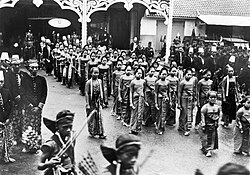
芸術と伝統的な表現様式
ジャワ文化の真髄は「洗練」にあります。その象徴ともいえるのが、打楽器合奏であるガムランです。この音楽は、ジャワ人の精神的な気品や調和を表現する手段として、今なお大切にされています。
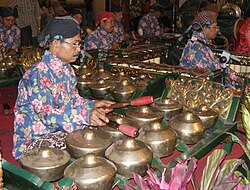
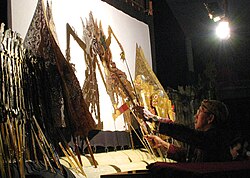
また、影絵芝居の「ワヤン」などの伝統芸能は、単なる娯楽ではなく、道徳的な教えや文化的な誇りを伝える重要な媒体となっています。
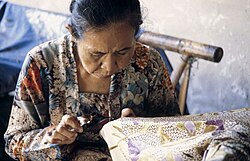
工芸面では、世界的に普及しているバティック(ろうけつ染め)が挙げられます。シンガポール、マレーシア、タイ、フィリピン、さらには西アフリカ諸国にまで広まったこの技法は、ジャワ人の創造性の結晶です。
建築と学問の遺産
ジャワ島の中部および東部には、東南アジアで最多ともいえる数百もの古代寺院が点在しています。中でもボロブドゥールは、世界最大の仏教寺院として知られる至宝です。
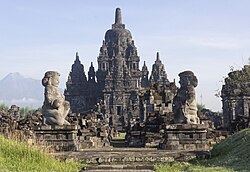
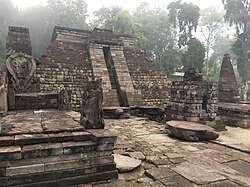
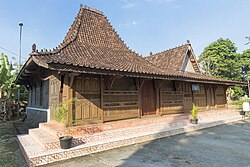
また、独特な形状を持つスク寺院のような建築物や、伝統的なジャワ家屋など、時代や地域によって多様な建築様式が発展しました。
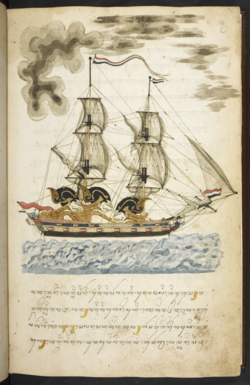
知的遺産としては、独自の文字体系であるアブギダ(音節文字)を用いた写本が残されています。大英図書館に所蔵されている『セララサ』のような美しく装飾された写本は、19世紀初頭の高度な芸術性を示しています。

社会構造と生活様式
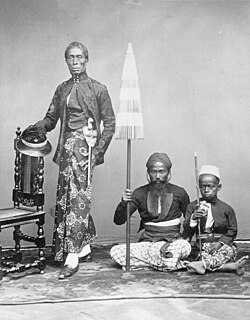
伝統的にジャワ社会は階層的な構造を持っており、貴族階級である「プリヤイ」が社会的な指導力を担ってきました。
経済の基盤は農業であり、特に火山性の肥沃な土壌を利用した稲作が中心です。ジャワ島はインドネシア全体の米生産量の半分以上を担う重要な食糧基地となっています。土壌や気候に応じて、キャッサバなどの代替作物が栽培される地域もあります。
海洋進出と造船技術
ジャワ人は優れた航海術と造船技術を持っていました。2世紀にはすでにインドと中国の間を航行する巨大船「クンルン・ポ」を建造し、最大1,000人を乗せて大量の貨物を運んでいたとされます。また、マジャパヒト時代には「ジョン」と呼ばれるさらに大型の船を造り、東南アジアの海上貿易を支配しました。
食文化の特色
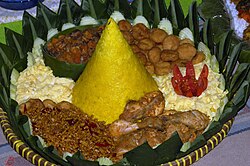
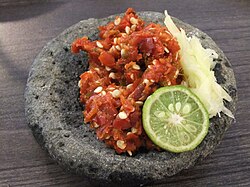
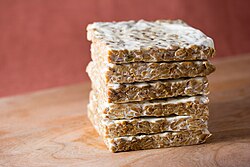
ジャワの食卓を彩る代表的な料理に、火山を象徴する円錐形の盛り付けが特徴的な「ナシ・トゥンペン」があります。また、地域の多くの料理に影響を与えている辛味調味料「サンバル」や、ジャワ人が発明したとされる発酵食品「テンペ」も欠かせない要素です。
世界への拡散(ディアスポラ)
ジャワ人は歴史的に多くの地域へ移住しました。マレーシアやシンガポールでは、多くの人々がジャワ系であることを誇りに思っています。また、植民地時代の歴史的背景から、南米のスリナムや欧州のオランダ、さらにはサウジアラビアやニューカレドニアにまでコミュニティが広がっています。
ジャワ文化の概要まとめ
| 項目 | 詳細 |
|---|---|
| 主要言語 | ジャワ語(日常語のngokoと敬語のkramaがある) |
| 主要宗教 | スンニ派イスラム教(大多数)、キリスト教、ヒンドゥー教、仏教 |
| 伝統芸術 | ガムラン(音楽)、ワヤン(影絵)、バティック(染物) |
| 主要産業 | 稲作農業、伝統工芸(木彫・鍛冶)、歴史的な造船業 |
| 代表的料理 | ナシ・トゥンペン、テンペ、サンバル |
Frequently Asked Questions
ジャワ人とマレー人の違いは何ですか?
ジャワ人は主にジャワ島をルーツとする民族であり、独自の言語(ジャワ語)と文化を持っています。一方、マレー人はより広範なマレー半島や群島に分布する民族グループを指します。ただし、マレーシアなどの地域では、ジャワ系の人々が政治的・社会的に「マレー人」として分類されている場合があります。
バティックとはどのような工芸品ですか?
バティックは、ろう(ワックス)を用いて布に模様を描き、染料で色付けする伝統的なろうけつ染めの技法です。ジャワ人が発明したとされ、現在はユネスコ無形文化遺産にも登録されており、世界中で愛されています。
ジャワの宗教観に特徴はありますか?
最大の特徴は「シンクレティズム(習合)」です。公式にはイスラム教徒であっても、生活や精神面では古代のヒンドゥー教、仏教、そして土着の精霊信仰(アニミズム)が融合した独自の価値観を保持している人々が多く存在します。
ジャワ人はかつて海外へ進出していたのですか?
はい。古代から優れた造船技術を持ち、中国やインドとの貿易に従事していました。また、記録によれば10世紀頃にはオーストラリアに到達し、17世紀初頭まで定住していた可能性が示唆されています。
ジャワ語にはどのような特徴がありますか?
ジャワ語は、話し相手との社会的関係や地位に応じて使い分ける「言語レジスター(位相)」が非常に発達しています。親しい間柄で使う「ンゴコ(ngoko)」と、目上の人や礼儀が必要な場面で使う「クラマ(krama)」という明確な使い分けが存在します。
References
- It is very difficult to find exact figures because Malaysian census data does not consider the Javanese as one ethnicity but part of the "". According to the 1950 census, it was estimated that more than 189,000 "Malays" were born to Javanese parents. This figure is very significant considering the number of people counted under this group at that time was just under 3 million. Javanese descendants form large communities in , , and other states in Malaysia.
- , ,
- Luca antara: i.e. Nusa antara, the southern land which Eredia claims to have discovered The name Nusa antara occurs in the , a Javanese historical work of about the 16th century. Blagden adopts Brandes' explanation that the expression Nusantara refers to the Archipelago in general. (JRASSB . No. 53. (1909). p. 144). Crawfurd says that the expression Nusa antara denoted Madura. Janssen thinks that Eredia's Luca antara was Australia or one of the islands off the north Australian coast: Hamy considers it to be Sumba. (Janssen. Malaca, Vlnde Meridionale ei le Cathay. (1882). pp, xi, xii). Major thinks it was Madura.
- According to Ferrand, the word nusa is only used in Java, Madura, and Madagascar (nusi); elsewhere, island is generally represented by the name pulaw, pulo, or some dialectical variant thereof. (Journal Asiatique. Tome XX. (1920). p. 190). Nusa may be connected, through Sanskrit, with the Greek νῆσος (nesos). It would appear that the human tongue has a tendency to corrupt an "N" into an "L" thus "Nakhon" has become "Lakhon" (Ligor) and the Malay word nuri has become lory. 's map of the Eastern Seas contains the forms Lusa (Luca) and Nusa.
- Likely what he meant here might be the or the , an Austronesian ethnic group with mixed culture of Javanese and (heavier influence from Javanese).
📸 フォトギャラリー