20世紀のイギリス演劇界において、ジョン・ギールグッドほど気品ある声と卓越した技術で観客を魅了した俳優は稀でしょう。シェイクスピア劇の至宝として称えられた彼は、単なる演者にとどまらず、演出家としても、また映画界の重鎮としてもその足跡を残しました。波乱に満ちた私生活と、絶え間ない芸術的探求を続けた彼の歩みを辿ります。
Key Facts
- 演劇の頂点: シェイクスピア劇の第一人者として、特に『ハムレット』や『リチャード二世』で絶賛された。
- 多才なキャリア: 俳優としてだけでなく、トニー賞を受賞した演出家としても成功を収めた。
- 映画への転向: 当初は舞台を重視し映画を敬遠していたが、晩年には数多くの名作に出演し、オスカー候補にもなった。
- 不屈の精神: 1950年代の私生活におけるスキャンダルによる危機を乗り越え、キャリアを再建した。
- 唯一無二の独演会: 『人間の諸相(The Ages of Man)』という一人芝居を世界中で上演し、高い評価を得た。
ルーツと俳優への目覚め
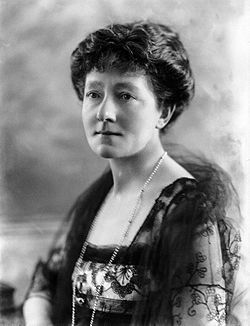
1904年、ロンドンのサウス・ケンジントンに生まれたギールグッドは、演劇的な血筋を持つ家庭に育ちました。父方はリトアニアおよびポーランドにルーツを持ち、母方の祖母はポーランドの女優アニエラ・アシュペルゲロヴァでした。彼の親族には、後にBBCのラジオドラマ部門を率いる兄や、著名なテリー家の人々がおり、幼少期から芸術的な環境に身を置いていました。
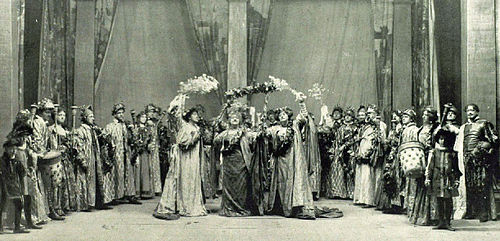
本格的に演技の道を歩み始めたのは、オックスフォード大学での活動を通じてでした。古典から現代劇まで幅広い役柄に挑戦し、特にチェーホフの『桜の園』でトロフィモフ役を演じた際、「自分は俳優になれるかもしれない」という確信を得たといいます。
ウェストエンドでの台頭と成功
1924年、彼はロンドンのリージェンツ劇場でロミオ役を演じ、これがプロとしての重要な一歩となりました。その後、ブロードウェイへの挑戦や、初期のトーキー映画への出演を経て、次第にその名を広めていきます。1931年に出演した『良き仲間たち(The Good Companions)』は331回というロングランを記録し、彼に初めての商業的な成功をもたらしました。
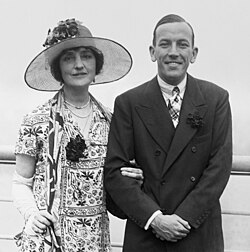
ギールグッドは当初、映画撮影を「魂をぞっとさせるもの」として嫌っており、同時代のライバルであるローレンス・オリヴィエやラルフ・リチャードソンが映画で巨万の富を得る間も、舞台への忠誠を貫きました。しかし、そのストイックな姿勢が、舞台俳優としての圧倒的な技術を磨くことにつながりました。
演出家としての挑戦と黄金期
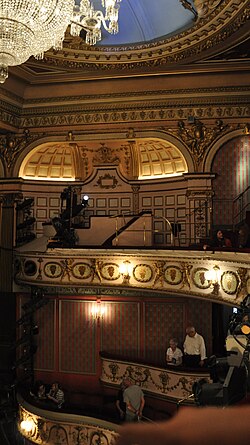
1937年からはクイーンズ劇場を拠点に自らの劇団を運営し、『リチャード二世』や『ヴェニスの商人』などのシェイクスピア作品を上演しました。彼の演技は批評家から「現代のイギリス舞台における最高のシェイクスピア演技」とまで称賛されました。
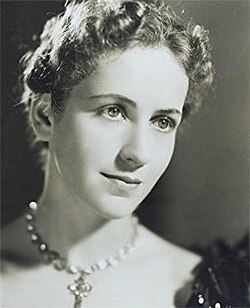
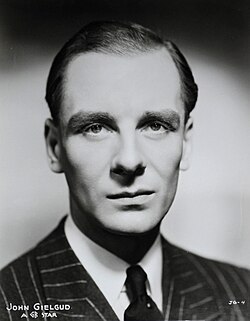
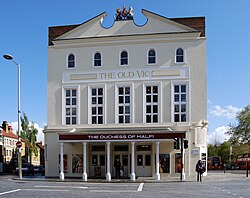
第二次世界大戦中には、軍キャンプを巡る慰問公演を行い、古典的なスタイルを崩してコメディや歌を披露するなど、柔軟な表現力を身につけました。戦後の1944年から45年にかけて上演された『ハムレット』は、彼のキャリアにおける最高傑作の一つと見なされています。
危機の克服と表現の深化
1953年、当時のイギリスで違法であった男性同性愛に関連して逮捕されたことで、ギールグッドは絶頂期に深刻なキャリアの危機に直面しました。精神的に追い詰められた彼でしたが、共演者たちの支えもあり、演出業への専念を経て舞台への復帰を果たしました。
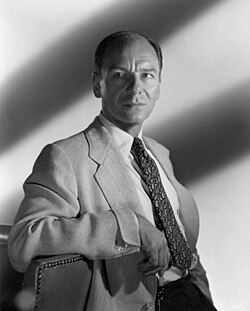
その後、彼は『人間の諸相(The Ages of Man)』という独演会を創設しました。シンプルな舞台でシェイクスピアのソネットや演説を朗読するこの形式は、世界中で絶賛され、1959年には特別トニー賞を受賞しています。
映画界への本格参入と晩年の輝き
1960年代に入ると、彼は次第に映画の世界に心を開き始めました。『ベケット』でのルイ7世役でオスカー候補となり、映画における「演劇的な威厳」がスクリーンでも有効であることを証明しました。その後、リチャード・バートンやオーソン・ウェルズといった巨匠たちと共演し、その演技の幅をさらに広げました。
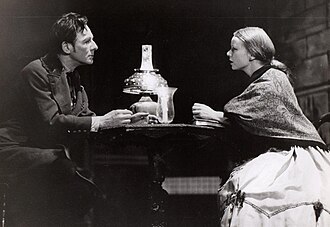
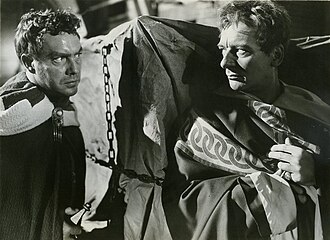
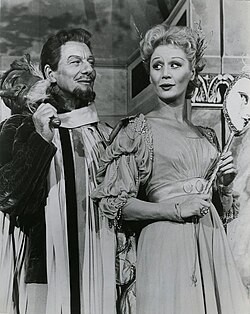
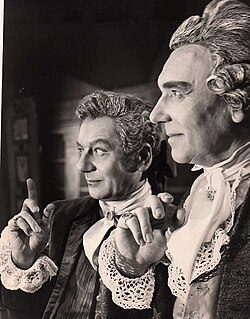
1970年代から80年代にかけては、『オリエント急行の殺人』や『エレファント・マン』、『ガンジー』など、多くの名作映画に重要な脇役として出演しました。また、テレビドラマでもエミー賞を受賞するなど、メディアを問わずその才能を発揮し続けました。
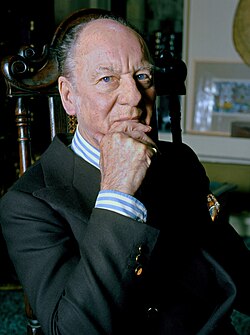
人生の最終章において、彼は90歳の誕生日に最後となる『リア王』を演じ、2000年に96歳でこの世を去りました。彼が遺した数々の役柄と演出は、今なお演劇界の金字塔として語り継がれています。
キャリア概要まとめ
| 時期 | 主な活動・役割 | 特筆すべき成果 |
|---|---|---|
| 1920年代 | 舞台デビュー・初期作品 | 『ロミオとジュリエット』出演、ブロードウェイデビュー |
| 1930年代 | ウェストエンドのスター・演出 | 『良き仲間たち』での商業的成功、クイーンズ劇場運営 |
| 1940年代 | 戦時中公演・古典の極致 | 最高傑作とされる『ハムレット』の上演 |
| 1950年代 | 危機からの再起・独演会 | 『人間の諸相』で特別トニー賞受賞 |
| 1960-80年代 | 映画・テレビへの進出 | オスカー候補(ベケット)、エミー賞受賞 |
Frequently Asked Questions
ジョン・ギールグッドはなぜ映画を避けていたのですか?
彼は舞台俳優としての純粋性を重視しており、映画撮影のプロセスを嫌っていました。同時代の俳優たちが映画で成功を収める中、彼は舞台こそが自身の芸術性を最大限に発揮できる場所だと信じていたためです。
彼が最も高く評価された役柄は何ですか?
特にシェイクスピア作品における『ハムレット』と『リチャード二世』が高く評価されています。また、晩年の独演会『人間の諸相』で見せた朗読パフォーマンスも、彼のキャリアを象徴する重要な仕事とされています。
1953年の逮捕事件は彼のキャリアにどのような影響を与えましたか?
当時は同性愛が違法であったため、彼は一時的に舞台から離れ、精神的な打撃を受けました。しかし、演出業への転向や同僚のサポートによって克服し、その後さらに成熟した演技スタイルを確立して復帰しました。
演出家としての彼はどのような評価を受けていましたか?
非常に有能な演出家であり、1961年にはブロードウェイ作品で最優秀演出賞(トニー賞)を受賞しています。俳優としての視点を活かした演出で、多くの名演を引き出したことで知られています。
晩年の活動で印象的なものは何ですか?
90歳で演じた『リア王』や、映画『プロスペロの書』でのプロスペロ役などが挙げられます。また、多くのBBCラジオドラマに出演し、声の芸術を追求し続けたことも特筆すべき点です。
References
- The date is given by Gielgud as 1830, and by his biographer as 1831. The historian Saulius Sužiedėlis dates the uprising as November 1830 to November 1831.
- He was briefly a , but he persuaded his parents to let him live at home, which was only three miles (4.8 kilometres) from the school.
- Phyllis Neilson-Terry was Gielgud's first cousin once removed, being a first cousin of his mother.
- According to Morley, but not to Gielgud or Croall, Gielgud's second film appearance was in the title role of Komisarjevsky's film Michael Strogoff (1926). No such film is listed by the , and this seems to refer to a live performance given as a prologue to the gala screening of Universal Film de France's 1926 Michel Strogoff at the . The film was directed by ; Komisarjevsky directed the live prologue, in which a scene from the film was enacted "with prominent British stage players taking the principal roles and scores of dancing girls and others making up the colorful Tartar atmosphere".
- Both Gielgud and Morley refer to the film as silent, but according to the , it had sound, by the British Phototone system, and beat 's to the distinction of being Britain's first full-length talkie.
- Knoblock was the subject of one of the most repeated Gielgud stories, which, pressed by , Gielgud confessed was true. While Knoblock and Gielgud were dining one day at a man passed their table, and Gielgud said, "Thank God he didn't stop, he's a bigger bore than Eddie Knoblock – oh, not you, Eddie!" Williams asked how Knoblock reacted, and Gielgud replied, "He just looked slightly puzzled, and went on boring."
- In a retrospective survey of Gielgud's film career, Brian Baxter wrote in 2000 that Inigo was Gielgud's first memorable screen role, helped by the direction of , whom Baxter calls the best British director of the period next to . The film was well received by critics; of got Gielgud mixed up with his brother Val but thought his performance "a joy to behold ... extraordinarily real".
- MacKintosh wrote under the pen name , and wrote novels under the name Josephine Tey.
- Olivier's biographer writes under the heading "Rescued by Gielgud" that Olivier "had appeared in a string of commercial flops, had flirted unrewardingly with Hollywood, and had largely avoided the classics".
- The original casting applied from 18 October to 28 November 1935; the two leading men then switched roles for alternating periods of several weeks at a time during the run. For the last week, ending on 28 March 1936, Olivier was Mercutio and Gielgud Romeo.
📸 フォトギャラリー