世界的に見ると、タバコの消費傾向は大きな転換期を迎えています。かつては多くの国で日常的な習慣として定着していましたが、近年の公衆衛生への意識向上と厳格な規制の導入により、多くの地域で喫煙率の低下が見られます。本記事では、世界的な統計データに基づき、喫煙率の変動とその背景にある要因について詳しく解説します。
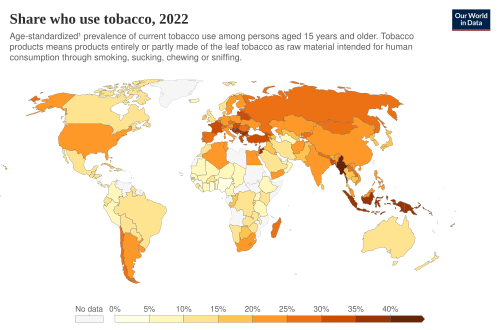
世界全体の喫煙率は、2000年の34.3%から2022年には21.7%まで緩やかに減少しています。この傾向は、多くの国がタバコ対策を国家的な優先事項として取り組んできた結果と言えます。
主要な事実(Key Facts)
- 世界的な減少傾向:2000年から2022年にかけて、世界の喫煙率は約12.6ポイント低下した。
- 政策の効果:MPOWERなどの効果的な介入策の導入が、喫煙率の低下に寄与している。
- 格差の存在:社会経済的な状況や、民族、年齢層によって喫煙率に顕著な差が見られる。
- 代替品の普及:スウェーデンなどの一部の国では、従来の喫煙に代わりスヌース(無煙タバコ)などの利用が見られる。
![Implementing the MPOWER policy package of effective interventions for tobacco control reduces prevalence of tobacco use.[12]](/images/62/df/62df84644d19969bface0ac9aa65d52c50ecf510c1e6d711431103dd78dae6cf.png)
地域別・国別の喫煙状況と分析
欧米諸国の動向
多くの先進国では、法的な制限や健康キャンペーンにより喫煙率が大幅に減少しました。例えば、イギリスでは2002年に26%だった喫煙率が、2024年には10.6%まで低下しています。また、オーストラリアでも1989-90年の28%から、2011-12年には18%へと減少しました。ただし、オーストラリアでは先住民の喫煙率が依然として高く、社会経済的な不利な状況にある層ほど喫煙率が高い傾向にあります。
北欧のスウェーデンでは、伝統的な喫煙に加え、スヌース(口に入れるタイプの無煙タバコ)の利用が特徴的です。2011年時点で、15歳以上の男性の約19.4%が日常的にスヌースを利用していました。
中東・アジアの現状
イスラエルでは、2000年の34%から2009年には20.9%へと喫煙率が低下しました。特にアラブ系男性の喫煙率が高く、1996年の50%から減少傾向にあるものの、依然として高い水準にあります。
アジア圏では国によって状況が異なります。インドでは2000年の54.5%から2020年には27.2%へと劇的に減少しましたが、インドネシアのように喫煙率が高止まり、あるいは微増している地域も存在します。
南米の成功例:ブラジル
ブラジルは、公衆衛生政策による喫煙率低下の顕著な例です。1989年には34.8%に達していた成人喫煙率が、2023年には9.3%まで減少しました。これは数十年にわたる法的規制とキャンペーンの成果であり、若年層の喫煙率も低く抑えられています。
喫煙率の推移まとめ
| 国名 | 2000年 (%) | 2020年 (%) | 傾向 |
|---|---|---|---|
| オーストラリア | 24.4 | 13.6 | 減少 |
| ブラジル | 23.8 | 12.8 | 大幅減少 |
| インド | 54.5 | 27.2 | 大幅減少 |
| 日本 | 33.3 | 20.1 | 減少 |
| イギリス | 37.9 | 15.4 | 大幅減少 |
| インドネシア | 35.4 | 37.6 | 微増 |
男女別および年齢層別の傾向
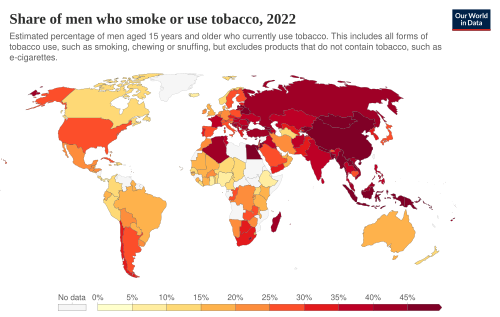
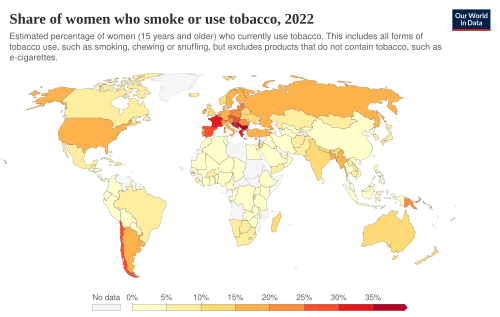
多くの国で男性の喫煙率が女性を上回っていますが、その差は縮小傾向にあります。一方で、ルーマニアのように、全体的な喫煙率は低下しているものの、女性の喫煙率が1991年から2011年にかけてほぼ倍増した例もあり、特に15歳から34歳の若い女性層での増加が目立っています。
年齢層別では、オーストラリアのデータによれば25歳から34歳の層が最も喫煙しやすく、45歳を超えると喫煙率が著しく低下する傾向が見られました。
Frequently Asked Questions
世界的に喫煙率は減少しているのでしょうか?
はい、全体的な傾向としては減少しています。世界全体の喫煙率は2000年の34.3%から2022年には21.7%まで低下しており、多くの国で公衆衛生政策が成果を上げています。
喫煙率の低下に最も寄与しているものは何ですか?
WHOが推奨するMPOWERなどの包括的なタバコ対策パッケージの導入、法的な喫煙制限、および大規模な健康啓発キャンペーンが大きな役割を果たしています。
社会経済的な状況は喫煙率に影響しますか?
強く影響します。イギリスやオーストラリアのデータでは、経済的に恵まれない地域や層において、喫煙率が有意に高いことが示されています。
女性の喫煙率に変化はありますか?
国によって異なります。多くの国で減少していますが、ルーマニアのように特定の年齢層の女性で喫煙率が上昇したケースもあり、地域的な差異が存在します。
タバコ以外のニコチン製品の利用状況はどうですか?
スウェーデンのように、従来の喫煙からスヌース(無煙タバコ)などの代替品へ移行している例があり、製品形態の変化が喫煙率の統計に影響を与える場合があります。
References
- "Prevalence of current tobacco use among adults aged ≥ 15 years (percentage)". World Health Organization. Archived from the original on December 11, 2008. Retrieved 2009-01-02.
- "Mayo report on addressing the worldwide tobacco epidemic through effective, evidence-based treatment". World Health Organization. p. 2. Archived from the original on 2004-05-12. Retrieved 2009-01-02.
- Guindon, G. Emmanuel; Boisclair, David (2003). Past, current and future trends in tobacco use (PDF). Washington DC: The International Bank for Reconstruction and Development / The World Bank. pp. 13–16. Archived from the original (PDF) on March 18, 2009. Retrieved 2009-03-22.
- "Gender empowerment and female-to-male smoking prevalence ratios". World Health Organization. Archived from the original on 16 September 2020. Retrieved 10 Sep 2020.
- The World Health Organization, and the Institute for Global Tobacco Control, Johns Hopkins School of Public Health (2001). "Women and the Tobacco Epidemic: Challenges for the 21st Century" (PDF). World Health Organization. pp. 5–6. Archived from the original (PDF) on 2009-02-07. Retrieved 2009-01-02.
{{}}: CS1 maint: multiple names: authors list () - "Surgeon General's Report—Women and Smoking". Centers for Disease Control and Prevention. 2001. p. 47. Archived from the original on December 4, 2008. Retrieved 2009-01-03.
- Peto, Richard; Lopez, Alan D; Boreham, Jillian; Thun, Michael (2006). Mortality from Smoking in Developed Countries 1950-2000: indirect estimates from national vital statistics (PDF). Oxford University Press. p. 9. Archived from the original (PDF) on 2005-02-24. Retrieved 2009-03-22.
- Ng, Marie (Jan 8, 2014). "Smoking Prevalence and Cigarette Consumption in 187 Countries, 1980-2012". Journal of the American Medical Association. 311 (2): 183–192. :10.1001/jama.2013.284692. 24399557.
- West, Robert & Shiffman, Saul (2007). Fast Facts: Smoking Cessation. Health Press Ltd. pp. 20, 26. .
- "WHO/WPRO-Smoking Statistics". World Health Organization Regional Office for the Western Pacific. 2002-05-28. Archived from the original on November 8, 2009. Retrieved 2009-01-01.
📸 フォトギャラリー
![Prevalence of daily smoking in 2012[18]](/images/af/d3/afd370620b5fcf0cf81aaab049676c345cd3dea00dcf88af6355ce8b718a6ee0.png)
![The share adults who smoke any tobacco product on a daily or non-daily basis in 2016[19]](/images/66/c0/66c06f7aa2d22b33fbbabeb2e0289cb183f6809382c16277595a1d948db14e24.png)
![Share of men versus women who smoke in 2016[20]](/images/3a/fd/3afd5137ad7709342f68795aa66a773468bd68ca4d9c22006fc87350ac5df214.png)
![Consumption per smoker per day in 2012[21]](/images/2b/a9/2ba9d23f0c3e6b7f829bcbe87ef2b0354e44217dd66e2c82e89c1b8e60f448db.png)

![Swedish citizens, 16 years or older, that consumed snus or smoking tobacco on a daily basis in 2011[53]](/images/e7/b7/e7b7219f6d24fdb87ce2f9570ff355fa523e2ece99923354ea72ea2524909d2a.png)