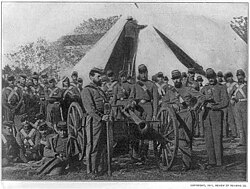
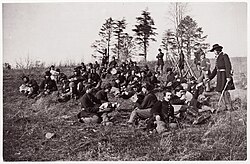
アメリカ南北戦争において、ニューヨーク州は単なる北部の州ではなく、連邦政府(北軍)にとって不可欠な軍事的・経済的基盤となりました。膨大な兵員供給と物資の調達を担った一方で、州内部では政治的な対立や激しい社会不安が渦巻いていました。本記事では、戦時下のニューヨーク州が果たした役割と、その裏側にあった複雑な社会情勢について解説します。
Key Facts
- 軍事拠点: 北軍に対し、膨大な数の兵士と物資を供給した主要州の一つ。
- 政治的影響力: 国務長官ウィリアム・ヒュー・セワードなど、連邦政府の中枢に重要な人物を輩出した。
- 内部崩壊の危機: 1863年には徴兵制度への反発から、激しい「徴兵暴動」が発生した。
- インフラの活用: 鉄道網などの交通インフラが、迅速な部隊輸送に大きく寄与した。
北軍を支えた軍事動員とインフラ
戦争が始まると、ニューヨーク州は迅速に軍事体制へと移行しました。マンハッタンのユニオン・スクエアでは、政府を支持する大規模な集会が開かれ、市民の戦意が高揚しました。
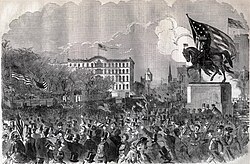
州政府は多くの連隊を編成し、第7ニューヨーク民兵連隊などの部隊が速やかにワシントンD.C.へ派遣されました。また、兵員や物資の輸送には鉄道が不可欠であり、オールバニのリビングストン・アベニュー橋のような鉄道橋が、前線へ向かう軍用列車にとって重要なルートとなりました。
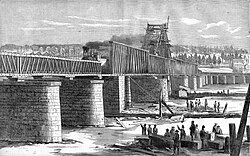
戦時下の政治と指導者たち
ニューヨーク州は、リンカーン政権を支える強力な政治的リーダーを多く輩出しました。特にウィリアム・ヒュー・セワード国務長官は、外交面で重要な役割を果たしました。また、共和党の共同創設者でありニューヨーク・タイムズの創設者でもあるヘンリー・ジャービス・レイモンドは、メディアを通じて世論を形成しました。
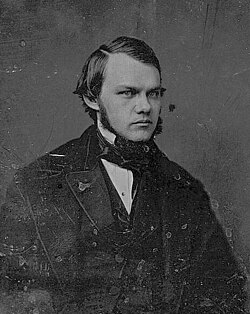
一方で、州内には連邦政府の方針に懐疑的な勢力も存在し、政治的な緊張状態が続いていました。ハミルトン・フィッシュのような人物は、後にグラント大統領の信頼厚い顧問として、戦後の国家再建にも寄与することになります。
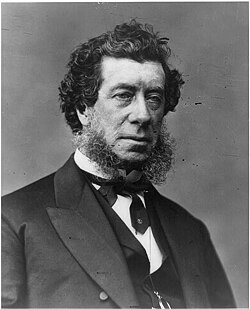
社会の亀裂:ニューヨーク市徴兵暴動
北軍の勝利に向けて動員が進む中、1863年には深刻な社会問題が噴出しました。それが徴兵暴動(Draft Riots)です。徴兵制度に対する不満や人種的な対立が爆発し、ニューヨーク市内で激しい衝突が発生しました。暴徒化した群衆と連邦軍の兵士が市街地で激突し、都市は一時的に混乱に陥りました。
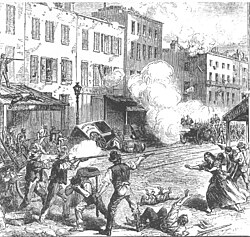
戦跡と記憶の継承
ニューヨーク州の兵士たちは、ゲティスバーグなどの主要な戦いで多大な犠牲を払いました。現在でも、ゲティスバーグ国立墓地にはニューヨーク州の記念碑が建てられており、当時の貢献を伝えています。
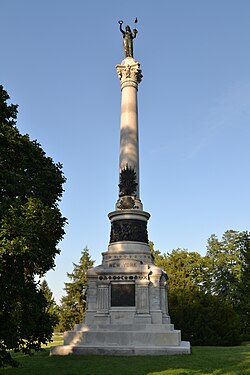
また、ブルックリンのグランド・アーミー・プラザにある「兵士と水兵の記念アーチ」は、戦い抜いた人々への敬意を象徴する建造物として残されています。
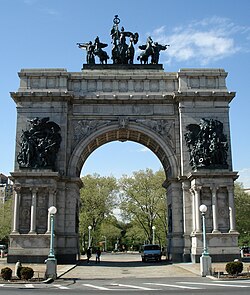
ニューヨーク州の南北戦争における概要
| 項目 | 詳細内容 |
|---|---|
| 主な役割 | 兵員供給、物資調達、軍事輸送の拠点 |
| 重要人物 | W.H.セワード(国務長官)、H.J.レイモンド(メディア) |
| 内部紛争 | 1863年の徴兵暴動による市街戦と社会混乱 |
| 軍事インフラ | 鉄道網(例:リビングストン・アベニュー橋)の活用 |
| 記念碑 | ゲティスバーグ州記念碑、ブルックリン記念アーチ |
Frequently Asked Questions
ニューヨーク州は北軍にどのように貢献しましたか?
膨大な数の兵士を動員したほか、強力な経済力と鉄道インフラを駆使して、軍隊の輸送と物資の供給を全面的にサポートしました。
「徴兵暴動」とは何だったのでしょうか?
1863年にニューヨーク市で発生した激しい暴動です。徴兵制度への不満や人種対立が背景にあり、市民と連邦軍が衝突する事態となりました。
この時期に活躍したニューヨーク州の政治家は誰ですか?
リンカーン政権で国務長官を務めたウィリアム・ヒュー・セワードや、後にグラント大統領の顧問となったハミルトン・フィッシュなどが挙げられます。
現在、当時の記憶を伝えるものはありますか?
ゲティスバーグ国立墓地のニューヨーク州記念碑や、ブルックリンのグランド・アーミー・プラザにある記念アーチなどが、当時の歴史を今に伝えています。
References
- New York also benefited from it proximity to the small arms industry located north and south of the in the . Initial regiments were issued muskets, and rifle-muskets from militia armories such as , , , , , and Vermont- and Connecticut-license-manufactured and P1856 Enfields. With Remington in state and the Connecticut Valley close by, New York was able to replenish and/or upgrade its men's arms with many of these Springfield M1861s, Remington M1841s, and the later . Additionally, many New York units were able to purchase quality breechloaders like the and repeaters like the and
- A month before the riots saw the return to the city of men from two-year volunteer regiments such as the and .
📸 フォトギャラリー