ภาพประกอบบทความ
← ホームへ戻る

ニューヨーク市地下鉄世界最大級の都市鉄道網の歴史と構造

ニューヨーク市の鼓動とも言える地下鉄は、マンハッタン、ブルックリン、クイーンズ、ブロンクスの4つの行政区を網羅する巨大な急速輸送システムです。1904年の正式開業以来、この都市の成長と共に進化し続け、現在では年間23億人を超える人々が利用する世界有数の交通インフラとなっています。

ภาพประกอบบทความ

主要な事実(Key Facts)

  • 運行開始: 1904年10月27日に最初の地下路線が開通。
  • ネットワーク規模: 36の路線と28のサービスで構成。
  • 総延長: 収益線路は約1,070kmに及び、総線路長は1,370kmに達する。
  • 車両数: 約6,787両の車両が運用されている。
  • 電化方式: 第三軌条方式(625V DC)を採用。
  • 運営主体: ニューヨーク市交通局(NYCTA)が管理。

地下鉄の歴史と発展

ニューヨークの鉄道史は古く、1863年の鉄道運行や1868年の高架鉄道の導入を経て、20世紀初頭に現代的な地下鉄へと移行しました。1904年に開通した最初の地下路線は、都市の移動概念を根本から変えました。
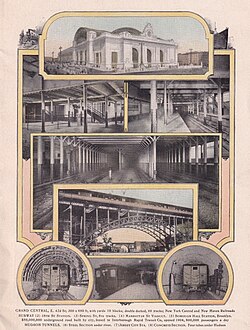
Some old pictures from the New York City Subway (1910)

初期の象徴的な駅の一つであるシティホール駅は、1904年の開業当時の面影を今に伝えています。
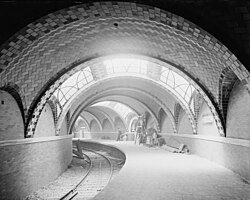
The City Hall station of the IRT Lexington Avenue Line, part of the first underground line of the subway that opened on October 27, 1904

その後、システムは拡大を続けましたが、1970年代にはサービスの低下と共に、車両へのグラフィティ(落書き)が社会的な象徴となる時代もありました。
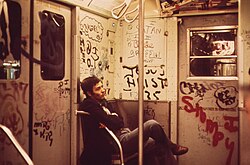
Graffiti became a notable symbol of declining service during the 1970s.

また、2001年の世界貿易センタービル崩壊などの悲劇的な出来事は、近接するコートランド街駅などのインフラに甚大な被害をもたらしました。
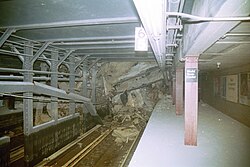
The Cortlandt Street station is seen partially collapsed

路線の構成と識別システム

ニューヨーク市地下鉄は、利用者が直感的に判別できるよう、幹線ごとに色分けされたカラーコードを採用しています。例えば、IND 8番街線は青、IRT レキシントン街線は緑といった具合に、色とアルファベットや数字の「バレット(記号)」でサービスを区別しています。
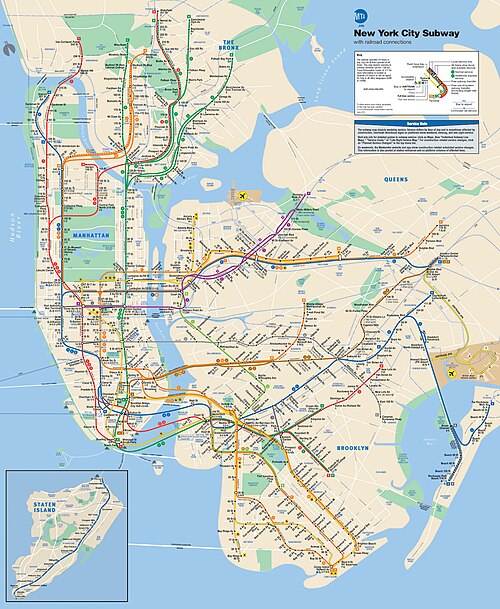
The official New York City Subway map from June 2013. This is not the current map.

近年では、7番線の延伸(7 Subway Extension)やセカンドアベニュー地下鉄の建設など、都市の需要に応じた路線拡張が継続的に行われています。
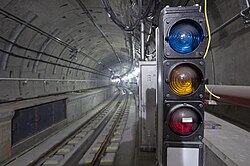
A stretch of subway track on the 7 Subway Extension

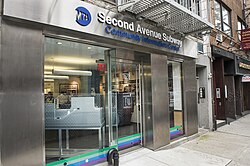
Second Avenue Subway Community Information Center

駅の設備とアクセシビリティ

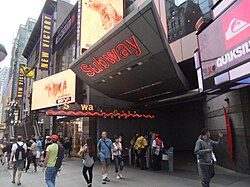
駅の構造は多岐にわたり、ウェスト4丁目駅のような広大なメザニン(中二階)を持つ駅や、タイムズスクエア駅のような巨大ターミナルが存在します。
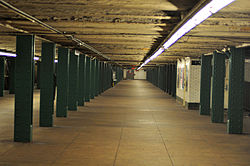
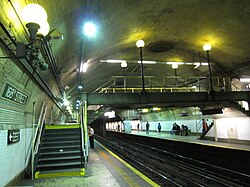
The mezzanine at West Fourth Street station

An entrance to the Times Square–42nd Street and Port Authority Bus Terminal stations

また、59丁目-コロンバスサークル駅などの主要駅では、効率的な乗り換えと大量輸送を実現する設計がなされています。
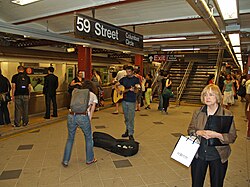
The IND Eighth Avenue Line station at 59th Street–Columbus Circle

バリアフリー化も重要な課題となっており、14丁目/6番街駅のように、ストリートエレベーターを設置して車椅子利用者のアクセスを向上させる取り組みが進んでいます。
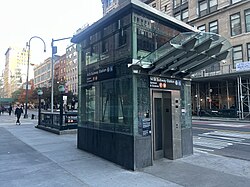
Street elevator serving as one of three accessible entrances to the 14th Street/6th Avenue station

車両の進化と運行技術

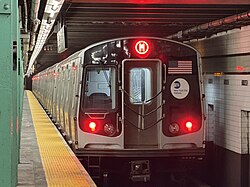
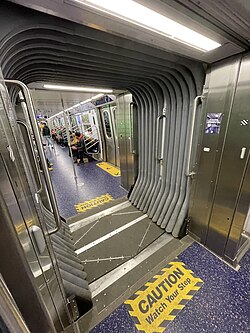
運行車両は時代と共に近代化されており、R46のような旧型から、最新のR211Tのようなオープンギャングウェイ(車両間の通路)を備えたモデルまで多様です。
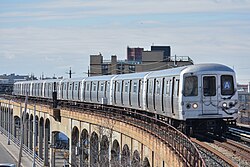
A train of R46 cars on the A train

R179 train stops at Forest Hills-71 Av Station.

View of an open-gangway used on the R211T subway car

車内設備も進化し、R142AやR62Aなどの車両では、デジタル案内表示や快適な座席が提供されています。
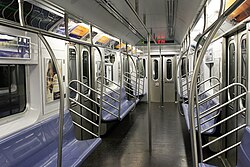
The interior of an R142A car on the 4 train.

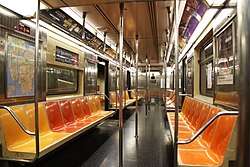
The interior of an R62A car on the 1 train. Its seats are yellow, red, and orange, and it has several advertisements hanging above.

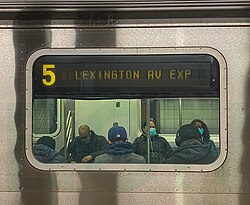
Digital sign on side of an R142 train

運転席の技術も向上しており、R160Bなどの車両では高度な制御システムが導入されています。
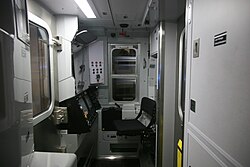
Driver's cab of an R160B subway car on the N train

安全面では、路側ブロック信号(Wayside block signal)などの信号システムが運用されており、プラットフォーム端の黄色い塗装などの視覚的な安全策も徹底されています。
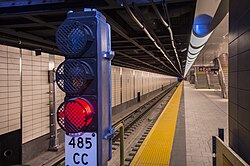
Example of a wayside block signal at the 34th Street–Hudson Yards station

Yellow platform edges, yellow staircase steps and yellow railings, painted for safety, at the IRT Broadway–Seventh Avenue Line platform at 168th Street

運賃決済と近代化

長年、磁気カードである「メトロカード(MetroCard)」が主流でしたが、現在は非接触決済システム「OMNY」への移行が進んでいます。
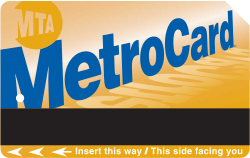
The current MetroCard design

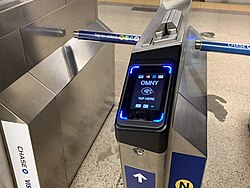
OMNY replaced the MetroCard.

また、プライド月間に合わせた特別なデザインのカードが発行されるなど、文化的な側面からも親しまれています。
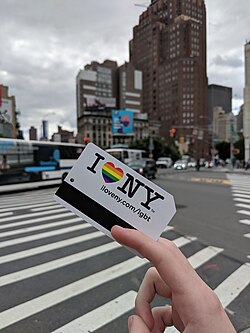
MetroCard for Pride Month in June 2019

駅の施設自体も「Enhanced Station Initiative」などの計画を通じて、照明や設備の刷新が行われています。
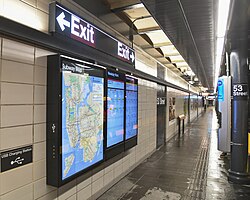
A subway station rebuilt under the Enhanced Station Initiative

都市の課題と文化的な影響

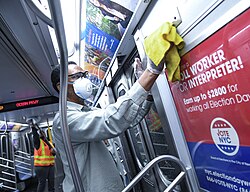
巨大なシステムゆえに、課題も少なくありません。洪水被害や、パンデミック時の消毒作業、ネズミの駆除といった衛生管理、そして騒音問題などが挙げられます。
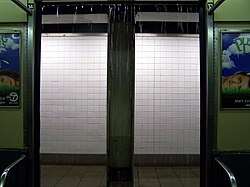
Rain from drainage pipes entering a subway car

Disinfection of New York City Subway cars against coronavirus during the COVID-19 pandemic in New York City

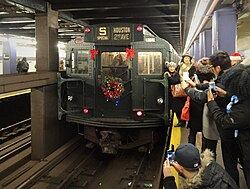
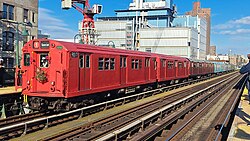
一方で、地下鉄は文化の発信地でもあります。駅でのミュージシャンによる演奏や、ホリデーシーズンに運行される「ノスタルジー列車」は、市民や観光客に愛されるイベントとなっています。
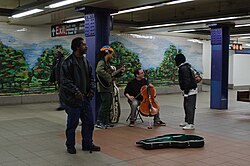
Musicians perform in the Delancey Street/Essex Street station in 2011.

Holiday Nostalgia Train at Second Avenue station in December 2016

Holiday Nostalgia Train at 125th Street in 2022

また、「ミス・サブウェイズ」のようなユニークなキャンペーンや、車両全体を広告でラッピングする試みなど、公共空間を活かした多様な表現が見られます。
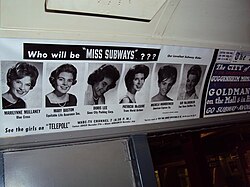
An advertisement for Miss Subways at the New York Transit Museum

システム概要まとめ

ニューヨーク市地下鉄 基本スペック
項目 詳細
サービスエリア ブロンクス、ブルックリン、マンハッタン、クイーンズ
路線数 / サービス数 36路線 / 28サービス
年間利用者数 (2025年予測) 約23億1,438万人
最高速度 時速89km (55 mph)
平均速度 時速28km (17.4 mph)
運行間隔 (ピーク時) 2分 〜 10分

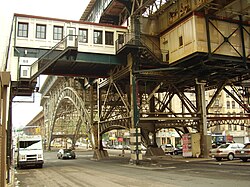
The 125th Street station on the IRT Broadway–Seventh Avenue Line in 2007

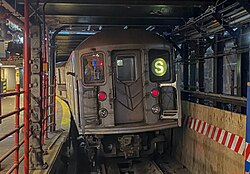
R62A 42nd Street Shuttle train at Times Square–42nd Street during reconstruction

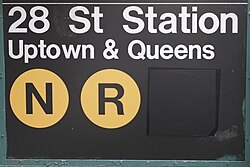
28th Street station after the W train was discontinued in mid-2010. Note the dark grey tape masked over the W bullet. (This sign has since been replaced due to the restoration of the W in 2016.)

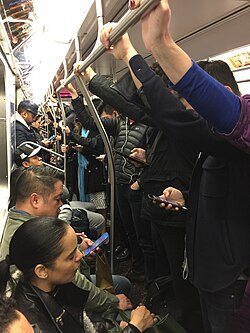
The Q train filled with commuters, many within one inch of each other. Several commuters are seen using smartphones; others are holding on to the train while standing.

Frequently Asked Questions

地下鉄の路線の色は何を意味していますか?

路線の色は、その列車が走行する主要な幹線(トランクライン)を識別するためのものです。これにより、利用者は複雑なネットワークの中でも自分がどのルートを利用しているかを容易に判断できます。

メトロカードはまだ使えますか?

はい、利用可能ですが、現在はより利便性の高い非接触決済システム「OMNY」への移行が進んでおり、スマートフォンや非接触対応クレジットカードでの支払いが推奨されています。

運行間隔はどのくらいですか?

時間帯によって異なります。通勤などのピーク時間帯には2分から10分間隔で運行されますが、オフピーク時には8分から16分程度の間隔となります。

バリアフリー対応は進んでいますか?

すべての駅が対応しているわけではありませんが、主要駅を中心にエレベーターの設置などのアクセシビリティ向上策が段階的に導入されています。

地下鉄で文化的なイベントはありますか?

はい。冬のホリデーシーズンに運行される特別な装飾列車や、駅構内での公認ミュージシャンによる演奏など、ニューヨークの文化を反映した取り組みが行われています。

References

  1. These are the physical tracks that a train "service" runs on. See for more information.
  2. These "services" run on physical tracks. See for more information.
  3. There are 16 stations on the and 1 station on the planned.
    • The Second Avenue Line has 3 active stations and 16 planned stations.
    • The station will be constructed as an in-fill station once funding for it is secured.
    • Permanently closed stations are not counted.
    • Both the and stations are considered two stations each by the MTA. If both of them are counted as one station each, the number of stations in the New York City Subway is 470 stations (or 423 by international standards).
  4. This figure represents unlinked ridership, meaning one ride is counted each time a passenger boards a vehicle. The MTA reports a 2023 ridership of 1,151,998,158 based on linked ridership, meaning each complete journey from beginning to end is counted as one ride, regardless of the number of different vehicles used.
  5. The , which is considered to be the first New York City "subway" line, opened in 1904; the , a predecessor elevated railroad line, operated its first trial run on July 3, 1868, according to Facts and Figures 1979–80, published by the See also nycsubway.org Archived October 7, 2008, at the ; and the , which opened in 1863. A small portion of the latter line's original right-of-way, part of an extension opened in 1864, is still in daily use near . thethirdrail.net Archived May 23, 2006, at the
  6. 625 V DC is nominal, but can fluctuate between 600 and 650 V.
  7. There is one station () planned as a future infill station. See Outcry emerges for 41st St. stop on new 7-line
  8. See also
  9. The and stations of the are closed during late nights.

📸 フォトギャラリー

ภาพประกอบบทความ
Some old pictures from the New York City Subway (1910)
The City Hall station of the IRT Lexington Avenue Line, part of the first underground line of the subway that opened on October 27, 1904
Graffiti became a notable symbol of declining service during the 1970s.
The Cortlandt Street station is seen partially collapsed
A stretch of subway track on the 7 Subway Extension
R62A 42nd Street Shuttle train at Times Square–42nd Street during reconstruction
Second Avenue Subway Community Information Center
Digital sign on side of an R142 train
The 125th Street station on the IRT Broadway–Seventh Avenue Line in 2007
The official New York City Subway map from June 2013. This is not the current map.
The mezzanine at West Fourth Street station
An entrance to the Times Square–42nd Street and Port Authority Bus Terminal stations
The IND Eighth Avenue Line station at 59th Street–Columbus Circle
Street elevator serving as one of three accessible entrances to the 14th Street/6th Avenue station
A train of R46 cars on the A train
R179 train stops at Forest Hills-71 Av Station.
The interior of an R142A car on the 4 train.
The interior of an R62A car on the 1 train. Its seats are yellow, red, and orange, and it has several advertisements hanging above.
Driver's cab of an R160B subway car on the N train
The current MetroCard design
OMNY replaced the MetroCard.
A subway station rebuilt under the Enhanced Station Initiative
Example of a wayside block signal at the 34th Street–Hudson Yards station
Yellow platform edges, yellow staircase steps and yellow railings, painted for safety, at the IRT Broadway–Seventh Avenue Line platform at 168th Street
28th Street station after the W train was discontinued in mid-2010. Note the dark grey tape masked over the W bullet. (This sign has since been replaced due to the restoration of the W in 2016.)
The Q train filled with commuters, many within one inch of each other. Several commuters are seen using smartphones; others are holding on to the train while standing.
View of an open-gangway used on the R211T subway car
Rain from drainage pipes entering a subway car
Disinfection of New York City Subway cars against coronavirus during the COVID-19 pandemic in New York City
Musicians perform in the Delancey Street/Essex Street station in 2011.
An advertisement for Miss Subways at the New York Transit Museum
Holiday Nostalgia Train at Second Avenue station in December 2016
Holiday Nostalgia Train at 125th Street in 2022
MetroCard for Pride Month in June 2019