19世紀のドイツ哲学界において、フリードリヒ・ニーチェとマックス・シュティルナーという二人の異端的な思想家は、しばしば並べて語られてきました。両者の著作に見られる驚くべき類似性は、後世の学者や読者に「ニーチェはシュティルナーから影響を受けたのではないか」という根深い問いを投げかけ続けています。
この論争は、単なる学術的な好奇心に留まらず、時には剽窃(ひょうせつ)という激しい非難にまで発展しました。しかし、ニーチェ自身の記録にはシュティルナーの名は一度も登場しません。本記事では、証拠と推測が交錯するこの複雑な思想的関係について詳しく解説します。
Key Facts
- 直接的な言及の欠如: ニーチェの著作、書簡、ノートのいずれにもシュティルナーへの言及は存在しない。
- 間接的な接触: ニーチェが熟読していたランゲやハルトマンの著作の中で、シュティルナーの思想が紹介されていたことは確実である。
- 証言の矛盾: 親友のオーバーベック夫妻や教え子のバウムガルトナーは、ニーチェがシュティルナーを推奨していた、あるいは言及していたと証言している。
- アナーキストによる受容: 特にアメリカのアナーキストたちは、ニーチェをシュティルナーの正当な後継者として高く評価した。
- 家族による否定: ニーチェの妹エリザベートは、兄の独創性を守るため、シュティルナーの影響を強く否定し続けた。
影響関係を裏付ける間接的な証拠
ニーチェがシュティルナーの主著『唯一者とその所有』を直接読んだという決定的な物証はありません。しかし、彼がその思想に触れていた可能性を示す状況証拠はいくつか存在します。
文献を通じた接触
若き日のニーチェは、フリードリヒ・アルベルト・ランゲの『唯物論の歴史』やエドゥアルト・フォン・ハルトマンの『無意識の哲学』を深く読み込んでいました。これらの書籍にはシュティルナーについて言及されており、ニーチェが間接的にその概念を把握していたことはほぼ間違いありません。特にハルトマンの著作において、ニーチェがシュティルナーについて記述された章を激しく批判していた事実は、彼がその内容を認識していた強力な根拠とされています。
知人や教え子による証言
ニーチェの親しい友人であったフランツ・オーバーベックは、バーゼル大学の図書館記録を調査し、ニーチェのお気に入りの学生であったアドルフ・バウムガルトナーが、ニーチェの「熱烈な勧め」でシュティルナーの書を借りていたことを突き止めました。
また、オーバーベックの妻イダは、1880年から1883年にかけてニーチェが彼らと同居していた際、ニーチェがシュティルナーへの親近感を口にし、「他人から剽窃だと言われるかもしれない」と不安げに漏らしていたと回想しています。
若き日の人間関係
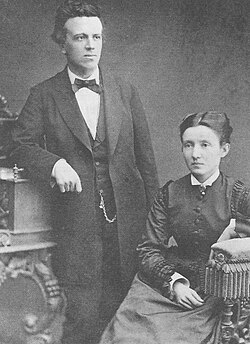
1865年、ニーチェはベルリンで友人ヘルマン・ムシャッケの家を訪れています。ムシャッケの父エドゥアルトはシュティルナーの親しい友人であり、ニーチェも彼と親交を結んでいました。一部の研究者は、この時期にシュティルナーの思想に触れたことがニーチェに精神的な危機をもたらし、それが後のショーペンハウアー研究へと繋がったと分析しています。
論争の激化とアナーキズムへの波及
ニーチェの思想が世に広まるにつれ、シュティルナーとの類似性はより注目されるようになりました。1891年には、ハルトマンがニーチェによる剽窃の可能性を指摘するまでになります。20世紀初頭には、ドイツ国内で「ニーチェはシュティルナーの影響下にある」という見方が一般的となりました。
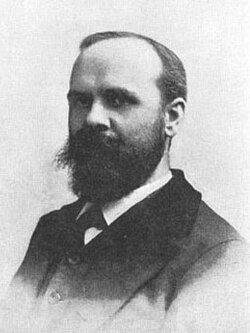
特にこの視点を強く支持したのがアナーキストたちです。彼らはニーチェの思想を、シュティルナーが提唱した個人主義的アナーキズムの発展形として捉えました。ベンジャミン・タッカーなどの人物は、アナーキストこそニーチェの著作を活用すべきだと主張しました。
影響説への反論と批判的視点
一方で、この影響説には多くの疑問が呈されてきました。20世紀半ばになると、多くの研究者がこの議論を「答えの出ない問い」として放棄するか、あるいは完全に否定するようになりました。
最大の反対勢力の一つとなったのが、ニーチェの妹エリザベートです。彼女は兄の思想的な独創性を絶対視しており、左派ヘーゲル主義的な個人主義であるシュティルナーの系譜に兄を組み込まれることを激しく嫌いました。そのため、彼女はニーチェがシュティルナーを読んだことは決してないと主張し続けました。
![Nietzsche's sister Elisabeth worked diligently during his mental illness and after his death to establish that he had not been influenced by Stirner in any way.[37]](/images/02/8f/028f2ab45cb6f851709aac66b2eb578796deed2865ce9328335a0f75f3aa98c0.jpg)
また、ジル・ドゥルーズのような哲学者は、引用の有無や図書館の貸出記録といった形式的な証拠よりも、作品が向かう方向性や論理的な構造こそが重要であると説いています。一方で、一部の学者は、両者の類似性は個別の影響ではなく、ヘーゲル以降の哲学が必然的に辿り着く「ポスト・ヘーゲル的論理」の結果であると考えています。
ニーチェとシュティルナーの比較まとめ
両者の関係性を整理すると、以下のようになります。
| 視点 | 影響を肯定する根拠 | 影響を否定する根拠 |
|---|---|---|
| 文献的証拠 | ランゲやハルトマン経由で内容を把握していた可能性が高い。 | ニーチェ自身の著作や書簡に名前が一度も出てこない。 |
| 証言 | オーバーベック夫妻や学生バウムガルトナーの証言がある。 | 妹エリザベートによる強い否定がある。 |
| 思想的類似性 | 徹底した個人主義や既存価値の破壊という共通点がある。 | 時代背景としてのポスト・ヘーゲル哲学の共通の流れである。 |
| 社会的受容 | アナーキストたちが後継関係として高く評価した。 | 正統なニーチェ研究者の多くは決定的な証拠がないとして否定。 |
Frequently Asked Questions
ニーチェは実際にシュティルナーの本を読みましたか?
決定的な証拠はありません。本人の記録には一切記載がなく、図書館の貸出記録にも彼の名前はありません。しかし、親しい友人や学生の証言、および間接的な文献を通じて内容を熟知していた可能性は非常に高いと考えられています。
なぜ「剽窃」という言葉まで出たのでしょうか?
両者が掲げた「個の絶対化」や「既存の道徳・価値観の徹底的な否定」というテーマが酷似していたためです。特に19世紀末のドイツでは、ニーチェの思想がシュティルナーの焼き直しであると見る向きがありました。
アナーキストたちはなぜニーチェを支持したのですか?
シュティルナーが提唱した「唯一者」としての個人主義が、ニーチェの「超人」思想や権力への意志と親和性が高かったためです。彼らはニーチェを、シュティルナーの思想を現代的に発展させた人物として捉えました。
妹のエリザベートが影響を否定したのはなぜですか?
彼女はニーチェを唯一無二の天才として神格化しようとしていました。そのため、彼が過去の思想家(特に急進的な左派ヘーゲル主義者であるシュティルナー)の影響を受けていたとされることは、兄の独創性を損なうものとして受け入れられなかったためです。
現代の哲学研究ではどのように結論づけられていますか?
現在では、単純な「影響があったか、なかったか」という二元論ではなく、当時の知的風土(ポスト・ヘーゲル主義)の中で同様の問いに向き合った結果、似た結論に達したという見方が有力です。決定的な物証がないため、確定的な結論は出されていません。
References
- "Nietzsche's possible reading, knowledge, and plagiarism of Max Stirner's The Ego and Its Own (1845) has been a contentious question and frequently discussed for more than a century now." Thomas H. Brobjer, "Philologica: A Possible Solution to the Stirner-Nietzsche Question", in , Issue 25, Spring 2003, pp. 109–114
- While discussion of possible influence has never ceased entirely, the period of most intense discussion occurred between c. 1892 and 1906 in the German-speaking world. During this time, the most comprehensive account of Nietzsche's reception in the German language, the 4 volume work of Richard Frank Krummel: Nietzsche und der deutsche Geist, indicates 83 entries discussing Stirner and Nietzsche. The only thinker more frequently discussed in connection with Nietzsche during this time is Schopenhauer, with about twice the number of entries. Discussion steadily declines thereafter, but is still significant. Nietzsche and Stirner show 58 entries between 1901 and 1918. From 1919 to 1945 there are 28 entries regarding Nietzsche and Stirner.
- Nietzsche discovered Lange's book immediately after its appearance and praised it as "the most important philosophical work in decades" (letter to Hermann Mushacke, mid November 1866); as to Hartmann, who was also developing the ideas of Schopenhauer, Nietzsche singled out his book in his second Untimely Meditation for a caustic criticism, and concentrated on precisely the chapter dealing with Stirner, though he did not once mention Stirner's name; Hartmann wrote: "Nietzsche does not mention at any place the name of Stirner or his writings. That he must have known my emphatic hint to Stirner's standpoint and its importance in the 'Philosophy of the Unconscious' arises from his polemic criticism of exactly that chapter which it contains. That he did not see himself prompted by this hint to get acquainted more closely with this thinker so congenial with himself is of little plausibility." Eduard von Hartmann, Ethische Studien, Leipzig: Haacke 1898, pp. 34–69
- Albert Levy, Stirner and Nietzsche, Paris, 1904, p. 9
- Eduard von Hartmann, Nietzsches "neue Moral", in Preussische Jahrbücher, 67. Jg., Heft 5, Mai 1891, S. 501–521; augmented version with more express reproach of plagiarism in: Ethische Studien, Leipzig, Haacke 1898, pp. 34–69
- This author believes that one should be careful in comparing the two men. However, he notes: "It is this intensive nuance of individualism that appeared to point from Nietzsche to Max Stirner, the author of the remarkable work Der Einzige und sein Eigentum. Stirner's influence in modern Germany has assumed astonishing proportions, and moves in general parallel with that of Nietzsche. The two thinkers are regarded as exponents of essentially the same philosophy." , "German Philosophy in 1907", in The Philosophical Review, Vol. 17, No. 4, Jul., 1908, pp. 400–426
- [in the last years of the 19th century] "The question of whether Nietzsche had read Stirner was the subject of great debate" R.A. Nicholls, "Beginnings of the Nietzsche Vogue in Germany", in Modern Philology, Vol. 56, No. 1, Aug., 1958, pp. 29–30
- Levy pointed out in 1904 that the similarities in the writing of the two men appeared superficial. Albert Levy, Stirner and Nietzsche, Paris, 1904
- R.A. Nicholls, "Beginnings of the Nietzsche Vogue in Germany", in Modern Philology, Vol. 56, No. 1, Aug., 1958, pp. 24–37
- "Stirner, like Nietzsche, who was clearly influenced by him, has been interpreted in many different ways", , , Lexington Books, 2001, p. 56; "We do not even know for sure that Nietzsche had read Stirner. Yet, the similarities are too striking to be explained away." R. A. Samek, The Meta Phenomenon, p70, New York, 1981; Tom Goyens, (referring to Stirner's book The Ego and His Own) "The book influenced Friedrich Nietzsche, and even Marx and Engels devoted some attention to it." T. Goyens, , p. 197, Illinois, 2007
📸 フォトギャラリー