ภาพประกอบบทความ
← ホームへ戻る

ピアノの歴史と構造クリストフォリから現代のデジタル楽器まで

ピアノは、打鍵によってハンマーが弦を叩くことで音を出す鍵盤楽器であり、その表現力の豊かさから音楽の世界で不可欠な存在となっています。18世紀初頭に誕生して以来、ピアノは技術的な革新を繰り返し、繊細な弱奏からダイナミックな強奏までを自在に操る現代の姿へと進化しました。
ภาพประกอบบทความ

Key Facts

  • 発明者: 18世紀初頭にバルトロメオ・クリストフォリによって開発されました。
  • 名称の由来: 「ピアノ(弱く)」と「フォルテ(強く)」の両方を表現できる能力から名付けられました。
  • 構造的進化: 産業革命による高品質な鋼線と鋳鉄フレームの導入で、より強力な音量と安定性を獲得しました。
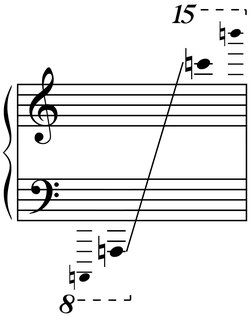
  • 標準的な仕様: 現代の多くのピアノは88鍵(7オクターブと短3度)を備えています。
  • 多様な形態: 水平に弦を張るグランドピアノと、垂直に張るアップライトピアノが主流です。

ピアノの誕生と初期の発展

ピアノの原型は、バルトロメオ・クリストフォリによって生み出されました。初期の楽器は「フォルテピアノ」と呼ばれ、当時の音楽家たちに受け入れられていきました。例えば、ヨハン・セバスチャン・バッハは当初、高音域の音量が不足していると批判していましたが、後の改良モデルには満足し、販売代理人の役割まで担ったと伝えられています。

ภาพประกอบบทความ

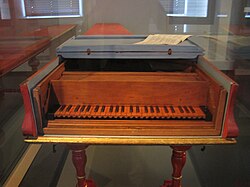
The 1726 Cristofori piano in the Musikinstrumenten-Museum in Leipzig

近代ピアノへの転換点

1790年から1860年にかけて、ピアノは劇的な変化を遂げました。作曲家や演奏家がより力強く持続的な音色を求めたこと、そして産業革命による技術革新が背景にあります。特に、弦の凄まじい張力に耐えうる鋳鉄フレーム(プレート)の導入は決定的な進化でした。これにより、弦をより太く、より強く張ることが可能になり、音域もモーツァルト時代の5オクターブから、現代の7オクターブ以上へと拡大しました。
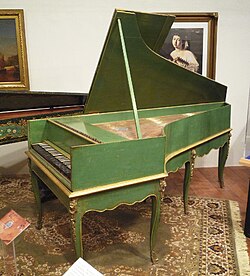
A grand piano by Louis Bas of Villeneuve-lès-Avignon, 1781. Earliest French grand piano known to survive; includes an inverted wrestplank and action derived from the work of Bartolomeo Cristofori (c. 1700) with ornately decorated soundboard.

メカニズムの革新と技術的進化

演奏技術の向上に伴い、内部機構も進化しました。1821年にセバスティアン・エラールが発明したダブルエスケープメント(二重脱進装置)は、鍵盤が完全に上がり切る前でも同じ音を速く連打することを可能にし、フランツ・リストのような超絶技巧を支えました。この機構は現在のグランドピアノにも標準的に採用されています。
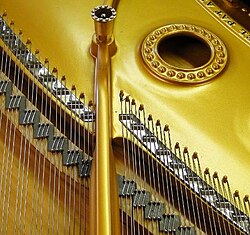
Duplex scaling of an 1883 Steinway Model 'A'. From lower left to upper right: main sounding length of strings, treble bridge, duplex string length, duplex bar (nickel-plated bar parallel to bridge), hitchpins, plate strut with bearing bolt, plate hole

また、ハンマーの素材も変化しました。かつての革や綿に代わり、1826年にジャン=アンリ・パペが導入したフェルトが普及しました。フェルトは均一な打撃を可能にし、ダイナミックレンジの拡大に寄与しました。さらに、1844年にはジャン=ルイ・ボワッロによってソステヌートペダルが考案され、より多彩な音響効果が実現しました。
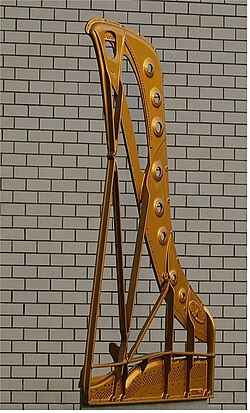
A cast iron plate of a grand piano

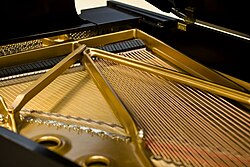
Strings of a grand piano

ピアノの多様な形態と種類

ピアノは設置スペースや用途に応じて、さまざまな形状に設計されてきました。

グランドピアノ

弦とフレームが水平に配置されており、重力を利用してアクションが復帰する構造です。サイズによって以下のように分類されます。

  • ベビーグランド: 約1.5m
  • パーラーグランド(ブドワールグランド): 1.7m〜2.2m
  • コンサートグランド: 2.2m〜3m

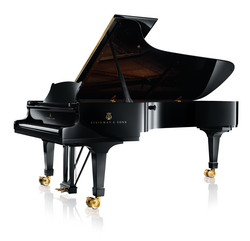
A Steinway & Sons model D-274 concert grand piano

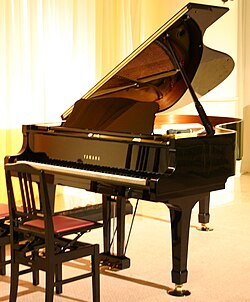
A Yamaha grand piano

アップライトピアノ

弦を垂直に張ることで省スペース化したモデルです。スタジオピアノ(高さ約107〜114cm)などは、フルサイズのアクションを搭載できる最小限の高さとして設計されています。
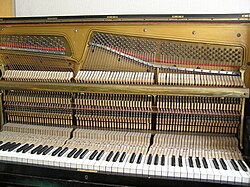
The mechanism and strings in upright pianos are perpendicular to the keys. The cover for the strings is removed for this photo.

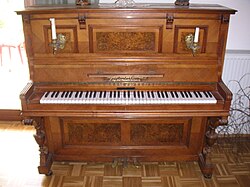
An August Förster upright piano

特殊なピアノとデジタル楽器

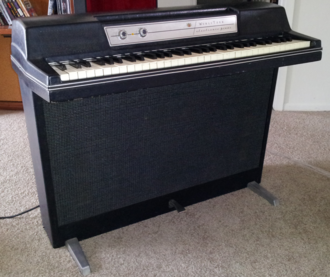
歴史的には「ジラフピアノ」や「ピラミッドピアノ」といった奇抜な形状の楽器も存在しました。また、20世紀に入ると技術革新により、磁気ピックアップを用いたエレクトリックピアノや、1980年代以降のデジタルピアノが登場し、練習用やポップス・ジャズなどのジャンルで広く普及しました。
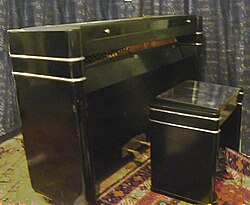
The minipiano 'Pianette' model viewed with its original matching stool: the wooden flap at the front of the instrument has been dropped revealing the tuning pins at the front.

Wurlitzer 210 electric piano

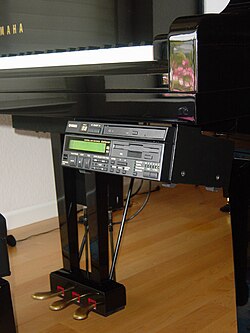
The Yamaha Disklavier player piano. The unit mounted under the keyboard of the piano can play MIDI or audio software on its CD.

構造の詳細とコンポーネント

ピアノは非常に重量のある楽器です。構造的な強度を確保するため、ハードウッド(カエデやブナなど)や厚い金属が使用されています。例えば、スタインウェイのコンサートグランド(モデルD)は約480kg、ファツィオリのF308は約570kgに達します。
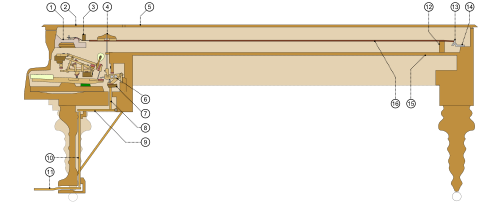
(1) frame (2) lid, front part (3) capo bar (4) damper (5) lid, back part (6) damper mechanism (7) sostenuto rail (8) pedal mechanism, rods (9, 10, 11) pedals: right (sustain/damper), middle (sostenuto), left (soft/una-corda) (12) bridge (13) hitch pin (14) frame (15) sound board (16) string

鍵盤とペダル

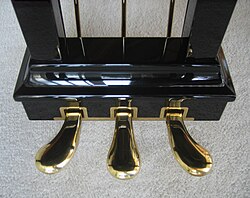
標準的なピアノは白鍵52、黒鍵36の計88鍵で構成されていますが、近年ではStuart & Sons社が108鍵や112鍵という広大な音域を持つモデルを製作しています。ペダルについては、一般的に右からサステイン(ダンパー)、ソステヌート、ソフト(ウナ・コルダ)の3つが備わっています。
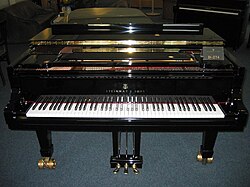
Keyboard of a grand piano

Piano pedals from left to right: una corda, sostenuto and sustain pedal

その他の特殊機構

過去には、マンドリンやギターのような音色を再現するための特殊なペダルを備えたモデル(Wing & Son社など)や、高音域の響きを豊かにするためのアリコート弦(Blüthner社)などの試みもありました。
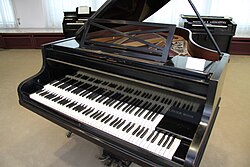
Emánuel Moór Pianoforte

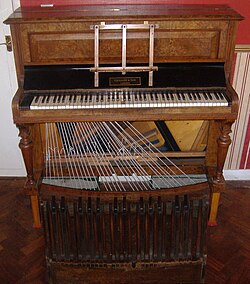
An upright pedal piano by Challen

ピアノの社会的役割とメンテナンス

19世紀の富裕層の家庭において、ピアノは社交生活の中心的な存在でした。また、楽器の性能を維持するためには、専門の調律師による定期的なメンテナンスが不可欠です。
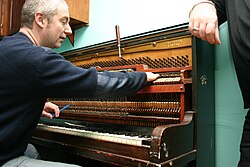
A piano tuner

A Prague piano player

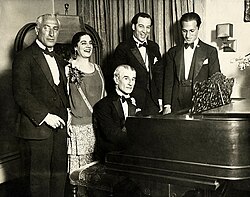
A birthday party honoring French pianist Maurice Ravel in 1928. From left to right: conductor Oskar Fried, singer Éva Gauthier, Ravel (at piano), composer-conductor Manoah Leide-Tedesco, and composer George Gershwin.

The piano was the centrepiece of social life in the 19th-century upper-middle-class home (Moritz von Schwind, 1868). The man at the piano is composer Franz Schubert (1797–1828).

タイプ 弦の配置 主な特徴 主な用途
グランドピアノ 水平 重力によるアクション復帰、豊かな響き コンサート、専門的な演奏
アップライトピアノ 垂直 省スペース設計、家庭的なサイズ 家庭用、練習用
デジタルピアノ 電子回路 音量調節可能、ヘッドホン使用可 練習用、ポータブル用途

Frequently Asked Questions

ピアノは誰が発明したのですか?

18世紀初頭にイタリアのバルトロメオ・クリストフォリによって発明されました。

「ピアノ」という名前の由来は何ですか?

イタリア語で「弱く」を意味するピアノ(piano)と、「強く」を意味するフォルテ(forte)を組み合わせたもので、強弱を自在に表現できることから名付けられました。

グランドピアノとアップライトピアノの構造的な違いは何ですか?

最大の違いは弦の向きです。グランドピアノは弦が水平に張られており、アクションが重力で戻るため高速な連打に適しています。一方、アップライトピアノは弦が垂直に張られており、設置面積を大幅に削減しています。

現代のピアノの鍵盤数はすべて同じですか?

一般的には88鍵が標準ですが、古いピアノでは85鍵のものもあり、最近では108鍵や112鍵といった拡張モデルも製作されています。

ダブルエスケープメントとはどのような機能ですか?

鍵盤が完全に元の位置に戻る前でも、再び音を鳴らすことができる機構です。これにより、同じ音の高速な連打が可能になり、高度な演奏技術を実現しています。

References

  1. Apel, Willi; Tischler, Hans; Apel, Willi (1997). The history of keyboard music to 1700. Bloomington, Ind.: Indiana University Press.  .
  2. David R. Peterson (1994), "Acoustics of the hammered dulcimer, its history, and recent developments", 95 (5), p. 3002.
  3. Pollens (1995, Ch.1)
  4. Scholes, Percy A.; John Owen Ward (1970). The Oxford Companion to Music (10th ed.). Oxford and New York: Oxford University Press. pp. lvi.  .
  5. , ¶2.
  6. Wraight, Denzil (2006). "Recent Approaches in Understanding Cristofori's Fortepiano". Early Music. 34 (4): 635–644. :10.1093/em/cal050.  0306-1078.  4137311.  191481821.
  7. Pollens, Stewart (2013). "Bartolomeo Cristofori in Florence". The Galpin Society Journal. 66: 7–245.  0072-0127.  44083109.
  8. , ¶1.
  9. Powers, Wendy (2003). "The Piano: The Pianofortes of Bartolomeo Cristofori (1655–1731) | Thematic Essay | Heilbrunn Timeline of Art History | The Metropolitan Museum of Art". New York: The Metropolitan Museum of Art. Archived from the original on 17 October 2013. Retrieved 27 January 2014.
  10. , p. 23.

📸 フォトギャラリー

ภาพประกอบบทความ
ภาพประกอบบทความ
The 1726 Cristofori piano in the Musikinstrumenten-Museum in Leipzig
A grand piano by Louis Bas of Villeneuve-lès-Avignon, 1781. Earliest French grand piano known to survive; includes an inverted wrestplank and action derived from the work of Bartolomeo Cristofori (c. 1700) with ornately decorated soundboard.
Duplex scaling of an 1883 Steinway Model 'A'. From lower left to upper right: main sounding length of strings, treble bridge, duplex string length, duplex bar (nickel-plated bar parallel to bridge), hitchpins, plate strut with bearing bolt, plate hole
The mechanism and strings in upright pianos are perpendicular to the keys. The cover for the strings is removed for this photo.
A Steinway & Sons model D-274 concert grand piano
An August Förster upright piano
The minipiano 'Pianette' model viewed with its original matching stool: the wooden flap at the front of the instrument has been dropped revealing the tuning pins at the front.
Wurlitzer 210 electric piano
The Yamaha Disklavier player piano. The unit mounted under the keyboard of the piano can play MIDI or audio software on its CD.
(1) frame (2) lid, front part (3) capo bar (4) damper (5) lid, back part (6) damper mechanism (7) sostenuto rail (8) pedal mechanism, rods (9, 10, 11) pedals: right (sustain/damper), middle (sostenuto), left (soft/una-corda) (12) bridge (13) hitch pin (14) frame (15) sound board (16) string
A cast iron plate of a grand piano
Strings of a grand piano
Keyboard of a grand piano
Emánuel Moór Pianoforte
Piano pedals from left to right: una corda, sostenuto and sustain pedal
An upright pedal piano by Challen
A piano tuner
A Prague piano player
A birthday party honoring French pianist Maurice Ravel in 1928. From left to right: conductor Oskar Fried, singer Éva Gauthier, Ravel (at piano), composer-conductor Manoah Leide-Tedesco, and composer George Gershwin.
A Yamaha grand piano
The piano was the centrepiece of social life in the 19th-century upper-middle-class home (Moritz von Schwind, 1868). The man at the piano is composer Franz Schubert (1797–1828).