東南アジアの海に浮かぶ群島国家、フィリピン共和国は、豊かな自然と複雑な歴史、そして多様な文化が交差するエネルギッシュな国です。スペインやアメリカによる植民地時代の経験を経て、独自のアイデンティティを築き上げたこの国は、現在、急速な経済発展と社会的な変革の真っ只中にあります。
主要ファクト(Key Facts)
- 首都: マニラ(最大都市はケソン市)
- 公用語: フィリピン語、英語
- 宗教: キリスト教(主にカトリック)が圧倒的多数を占め、次いでイスラム教が分布
- 政治体制: 単一国家の 대통령制共和国
- 人口: 約1億1,480万人(2026年推計)
- 通貨: フィリピン・ペソ (PHP)
地理的特徴と自然環境
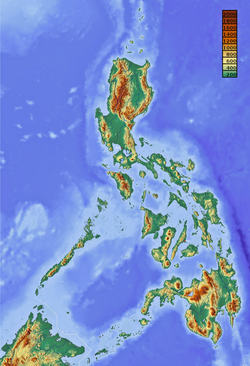
フィリピンは山岳地帯が多く、国土の約65%が高地で構成されています。この険しい地形が、地域ごとの多様な文化や言語の分化を促してきました。
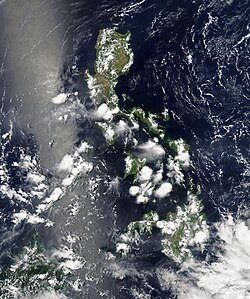
気候面では、6月から11月にかけて激しい雷雨に見舞われることが一般的であり、熱帯特有の気象条件が農業や生活様式に大きな影響を与えています。
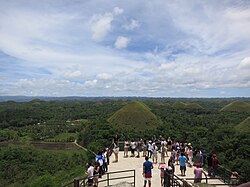
また、生物多様性の宝庫としても知られており、世界的に貴重な生態系を保持しています。観光面では、ボホールのチョコレートヒルズのような独特な地形が訪れる人々を魅了しています。
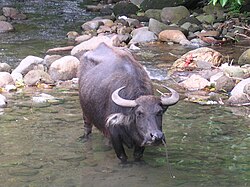
国家の象徴として、強さと忍耐、勤勉さを体現する水牛の「カラバオ」が国獣に指定されています。
歴史の変遷:先史時代から独立まで
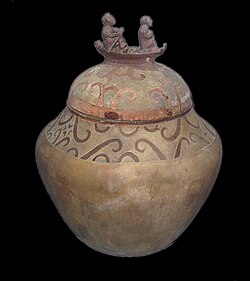
フィリピンの歴史は古く、先史時代から独自の文化が育まれていました。洞窟から発見されたマヌンググルの埋葬瓶などは、当時の精神世界や生活様式を今に伝えています。
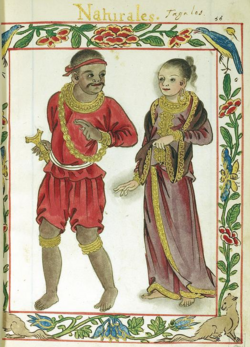
その後、16世紀からスペインの植民地となり、カトリック信仰が深く根付きました。この時代、金などの装飾品を身にまとった貴族層などの社会構造が形成されました。
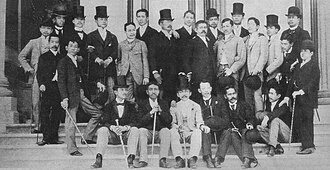
19世紀後半になると、マドリードなどで学んだ「イルストラード(知識層)」たちが、自由と権利を求める意識を高めていきました。
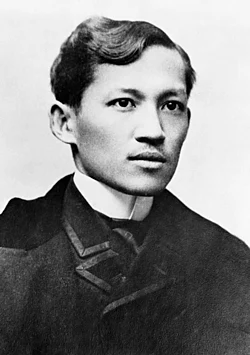
ホセ・リサールの著作はフィリピン革命の精神的支柱となり、1898年にスペインからの独立を宣言。その後、アメリカの統治時代を経て、1946年に完全な独立を果たしました。
第二次世界大戦中の日本占領期を経て、ダグラス・マッカーサー将軍らの上陸により解放された経験は、現代の対米関係にも強い影響を残しています。
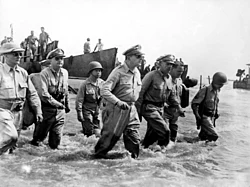
独立後の政治史では、フェルディナンド・マルコス政権下の時代など、激動の局面を乗り越え、1987年憲法に基づく現在の民主主義体制へと至りました。
社会・文化の多様性
フィリピンは多民族国家であり、タガログ族(26.0%)を筆頭に、ビサヤ族、イロカノ族、セブアノ族など多くの民族が共生しています。
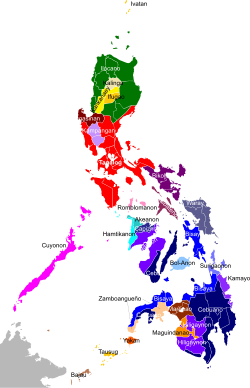
言語面でも非常に多様で、公用語のフィリピン語と英語のほか、19の地域言語が認められています。また、スペイン語やアラビア語も任意で推進されています。
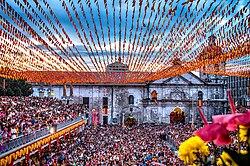
精神的な柱となっているのがカトリック信仰です。セブのサント・ニーニョ教会で行われるシヌログ祭のように、宗教行事は地域コミュニティの結束を強める重要なイベントとなっています。
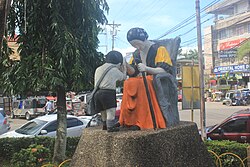
伝統的な価値観として、年長者への敬意を示す「マノ・ポ」などの習慣が大切にされており、現代社会においても家族の絆が極めて重視されます。
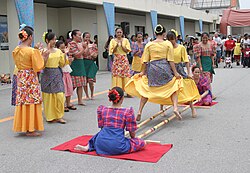
芸術面では、鳥の動きを模した伝統舞踊「ティニクリン」などが、フィリピンの豊かな感性を象徴しています。
経済、インフラ、そして教育
現代のフィリピンは、GDP(PPP)で世界30位に位置する経済規模へと成長しています。特に農業分野では、国際米研究所(IRRI)のような世界的な研究機関が拠点を置き、食糧安全保障の向上に取り組んでいます。
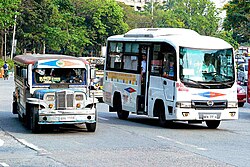
インフラ面では、伝統的な乗り物である「ジープニー」が街の風景を彩っていますが、現在は環境負荷を低減するため、ユーロ4基準に適合したエコ車両への移行が進められています。
エネルギー供給においては、アンブクラオ・ダムのような水力発電施設が重要な役割を担っています。
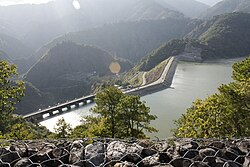
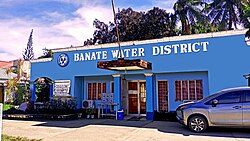
また、水供給の整備も地域的に進められており、各地方の水道局がインフラ維持に努めています。
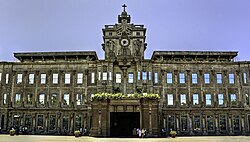
教育分野では、1611年に設立されたサント・トマス大学がアジア最古の大学として、高い教育水準を維持し続けています。
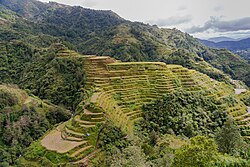
また、先祖代々受け継がれてきたイフガオ族のバナウェ棚田は、高度な農業技術と自然との共生の象徴として世界的に知られています。
政治体制と国際関係
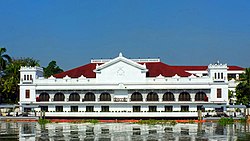
フィリピンは単一の 대통령制共和国であり、大統領が行政の長を務めます。大統領の公式公邸であるマラカニャン宮殿は、政治の中枢として機能しています。
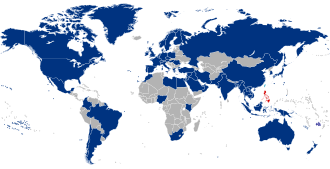
外交面では、世界各地に外交使節団を派遣し、ASEAN(東南アジア諸国連合)の founding member として地域協力に尽力しています。
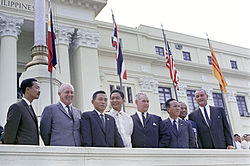
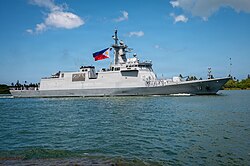
安全保障においては、アメリカとの強い同盟関係を維持しており、共同演習「リムパック(RIMPAC)」への参加などを通じて、海洋安全保障の強化を図っています。
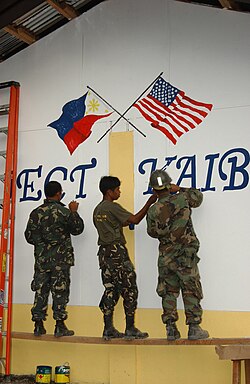
軍事的な協力関係は深く、米比両国の旗を共に掲げるなど、緊密な連携が続いています。
現代の生活と文化
フィリピンの都市部は急速に発展しており、特にマニラ周辺のメトロ・マニラ圏は経済の心臓部となっています。
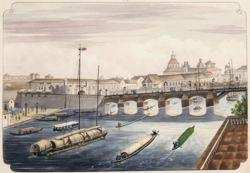
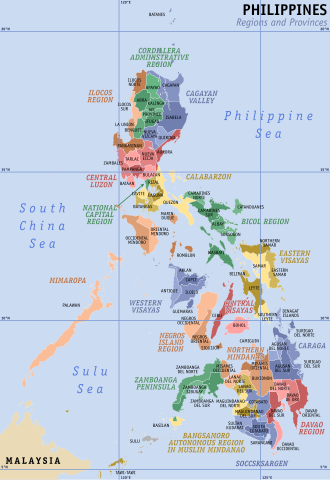
行政区画は複数の地域(リージョン)と州に分かれており、地方分権的な統治が行われています。
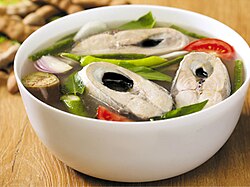
食文化では、酸味のあるスープ「シニガン」などが代表的な家庭料理として愛されています。
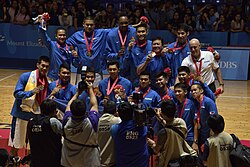
スポーツにおいてはバスケットボールが絶大な人気を誇り、ナショナルチームの活躍は国民的な盛り上がりを見せます。
また、メディア環境も整備されており、People's Television Networkなどの放送局が情報を伝えています。
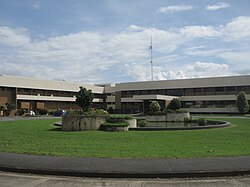
地方都市の発展も著しく、ザンボアンガ市のような地域拠点となる都市が、経済と文化のハブとして機能しています。
![Zamboanga City Hall[645]](/images/30/ee/30ee1d429f39a2b2256973b0837e4e78b2dbbfcf9655606f7db7f66792efaddd.jpg)
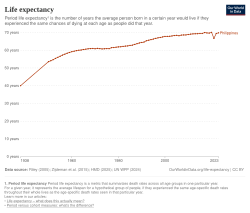
健康面では、1938年から2021年にかけて平均寿命が着実に延びており、公衆衛生の改善が進んでいることが分かります。
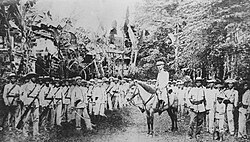
そして、フィリピン革命の英雄グレゴリオ・デル・ピラール将軍のような歴史的人物への敬意は、今も国民の心に深く刻まれています。
フィリピン共和国 基本データまとめ
| 項目 | 詳細内容 |
|---|---|
| 人口(2026年推計) | 約1億1,484万人 |
| GDP (PPP) | 1.573兆ドル(世界30位) |
| 主要宗教 | キリスト教(カトリック 78.8%)、イスラム教(6.4%) |
| 主要民族 | タガログ族 (26.0%)、ビサヤ族 (14.3%) など |
| 国土面積 | 約300,000 km² |
| 人間開発指数 (HDI) | 0.720(高水準) |
Frequently Asked Questions
フィリピンの公用語は何ですか?
公用語はフィリピン語と英語の2つです。また、19の地域言語が認められており、任意でスペイン語やアラビア語の普及も推進されています。
フィリピンの主要な宗教は何ですか?
人口の約91.5%がキリスト教徒であり、その中でもカトリックが78.8%と圧倒的な割合を占めています。また、約6.4%の人々がイスラム教を信仰しています。
フィリピンの経済規模はどのくらいですか?
2026年の推計では、購買力平価(PPP)ベースのGDPで1.573兆ドルに達し、世界第30位の規模になると予測されています。
ジープニーとは何ですか?
フィリピンを象徴する公共交通機関です。現在は環境対策として、15年以上経過した古い車両を、ユーロ4基準に適合したエコフレンドリーな車両へ段階的に置き換える取り組みが進んでいます。
フィリピンの地理的な特徴は?
多くの島々からなる群島国家であり、国土の65%が山岳地帯や高地で構成されています。また、6月から11月にかけては激しい雷雨が多く見られる気候的特徴があります。
References
- Although the Flag and Heraldic Code of the Philippines (Republic Act 8491) passed in 1998 defined modifications to the coat of arms that removed the colonial charges, a referendum legally required to ratify the changes has not yet been called.
- Although the Flag and Heraldic Code of the Philippines (Republic Act 8491) passed in 1998 defined modifications to the coat of arms that removed the colonial charges, a referendum legally required to ratify the changes has not yet been called.
- While is designated as , the is the National Capital Region, commonly known as "", of which the city of Manila is a part. Many national government institutions are located on various parts of Metro Manila, aside from and other institutions/agencies that are located within the Manila capital city.
- As per the 1987 Constitution: "Spanish and Arabic shall be promoted on a voluntary and optional basis."
- Excludes numbering 74,096 persons (0.07% of the Philippine household population in 2020)
- The actual area of the Philippines is 343,448 km2 (132,606 sq mi) according to some sources.
- ; : Pilipinas, Tagalog pronunciation:
- Filipino: Republika ng Pilipinas.
In the recognized regional :In the recognized optional languages of the Philippines:- : Republika it Pilipinas
- : Republika kan Filipinas
- : Republika sa Pilipinas
- : República de Filipinas
- : Republika sang Filipinas
- : Republika nat Filipinas
- : Republika ti Filipinas
- : Republika nu Filipinas
- : Republika ning Filipinas
- : Republika kang Pilipinas
- : Republika nu Pilipinas
- : Republika a Pilipinas
- : Republika na Filipinas
- : Republika nin Pilipinas
- : Republika nan Pilipinas
- : Republika ng Pilipinas
- : Republika sin Pilipinas
- : Republika han Pilipinas
- : Republika si Pilipinas
- : República de Filipinas
- : جمهورية الفلبين, : Jumhūriyyat al-Filibbīn
- This is a summary, omitting significant detail. For more detail, see .
- Excludes numbering 74,096 persons (0.07% of the Philippine household population in 2020)
📸 フォトギャラリー