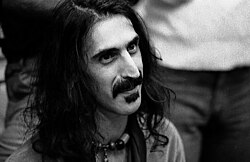
ロック、ジャズ、クラシック、そしてコメディ。あらゆるジャンルの壁を軽々と飛び越え、音楽という概念そのものを拡張し続けた人物、それがフランク・ザッパです。彼は単なるミュージシャンではなく、作曲家、指揮者、映画監督、そして鋭い社会批評家として、20世紀の芸術シーンに消えない足跡を残しました。
ザッパの音楽は、緻密に計算された複雑な構成と、予測不能なユーモアが同居しているのが特徴です。彼は既存の音楽業界のルールに縛られることを拒み、自らのビジョンを貫くために独自のレーベルを次々と設立しました。
Key Facts
- 多才な活動領域:作曲、作詞、指揮、俳優、映画制作まで幅広く活動。
- ジャンルの融合:ロック、ジャズ、現代音楽、ドゥーワップ、電子音楽などを自在にミックス。
- 革新的技術:テープ編集(ミュージック・コンクレート)やデジタルシンセサイザー「シンクラビア」を駆使。
- 不屈の精神:検閲への反対運動や、政府・宗教への批判的な姿勢を貫いた。
- 後世への影響:グラミー賞の生涯功労賞を受賞し、多くの現代アーティストに影響を与え続けている。
音楽的旅路:初期から黄金期まで
原点と「マザーズ・オブ・インベンション」の誕生
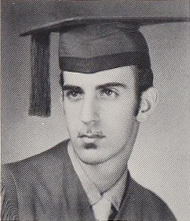
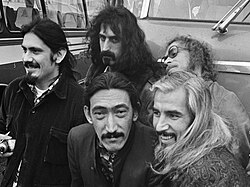
ザッパの音楽への情熱は若き日に始まり、独自のスタジオ「スタジオZ」で実験的な試行錯誤を繰り返しました。1960年代半ばには、伝説的なバンドマザーズ・オブ・インベンションを結成。ヴェーヴ・レコードとの契約を経て、社会風刺に満ちた前衛的なサウンドで世界に衝撃を与えました。

激動の70年代:再起と商業的成功
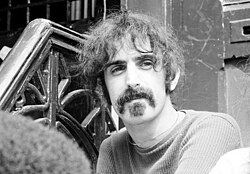
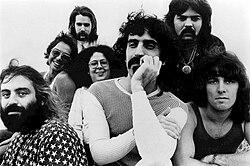
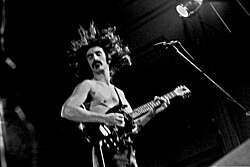
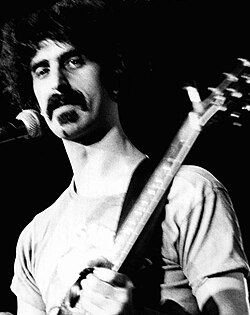
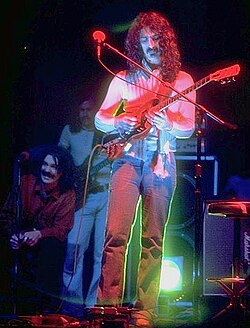
1970年代に入ると、バンドの解散と再結成、さらには不慮の事故や襲撃事件という困難に見舞われます。しかし、彼はそれを乗り越え、『Waka/Jawaka』や『The Grand Wazoo』などの作品で音楽的な深化を見せました。この時期、自身のレーベルを運営しながらツアーを敢行し、音楽的なピークを迎えます。
デジタルへの移行と晩年
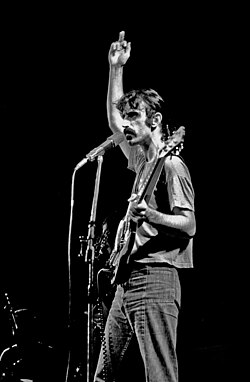
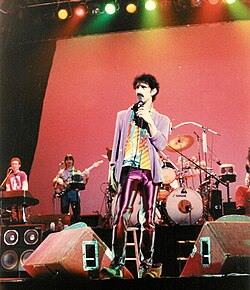
1980年代以降、ザッパはデジタル楽器シンクラビア(高度なサンプリングと合成が可能なワークステーション)に傾倒し、人間では演奏不可能なほど複雑な楽曲を追求しました。また、クラシック音楽の公演にも注力し、自身の芸術性をさらに高めていきました。1993年にこの世を去るまで、彼は常に新しい表現を模索し続けました。
芸術性と哲学:ザッパを形作ったもの
独自の作曲手法と技術
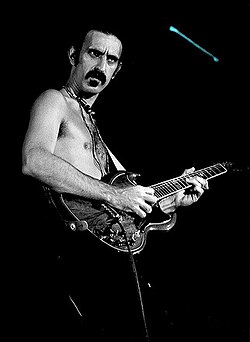
ザッパの代名詞とも言えるのが、録音したテープを切り貼りして再構成するテープ・マニピュレーション(ミュージック・コンクレートの手法)です。また、ギタープレイにおいても卓越した技巧を持ち、即興演奏と厳格な構成を融合させました。
![Left to right: Simon Prentis (Zappa's "Semantic Scrutinizer"), Zappa, Zappa's production assistant Gerry Fialka, and Zappa's second wife Gail outside Zappa's home recording studio Utility Muffin Research Kitchen in 1986. Prentis holds a preview cassette of the album Jazz From Hell that Fialka had just delivered for Zappa's approval.[143]](/images/43/66/43665a03c567aba3ef5fd1cc6fc1865c968b7f620584e1ae4d33427c6092cfc9.png)
信念と社会への眼差し
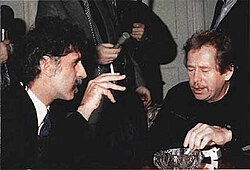
彼は薬物使用に反対し、政府の腐敗や宗教的な盲信、そして表現の自由を制限する検閲に対して激しく抗議しました。彼の歌詞に込められた皮肉とユーモアは、単なる笑いではなく、鋭い社会批評としての側面を持っていました。
実績とレガシー
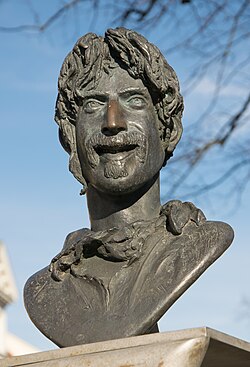
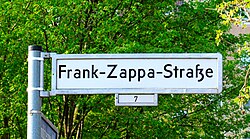
ザッパの功績は、死後も多くのアルバムリリースやアーカイブ公開を通じて受け継がれています。彼の音楽は、後世のミュージシャンだけでなく、科学分野(生物の種名など)にまでその名が冠されるほど、文化的なアイコンとなりました。
| 項目 | 詳細 |
|---|---|
| 活動期間 | 1955年 〜 1993年 |
| 主なジャンル | ロック, ジャズ, クラシック, 前衛音楽, コメディ |
| 使用楽器 | ギター, ボーカル, シンクラビア, パーカッション |
| 代表作 | Freak Out!, Hot Rats, Joe's Garage, Jazz from Hell |
| 主な受賞 | グラミー賞(Jazz from Hell)、生涯功労賞 |
Frequently Asked Questions
ザッパの音楽を聴く際、まず何から始めるべきですか?
入門としては、比較的キャッチーな楽曲が含まれる『Apostrophe (')』や、ジャズ・ロックの傑作『Hot Rats』が推奨されます。より前衛的な世界に触れたい場合は、初期の『Freak Out!』から辿るのが良いでしょう。
「シンクラビア」とはどのような役割を果たしましたか?
シンクラビアは、ザッパが晩年に追求した「完璧なコントロール」を実現するためのツールでした。人間には不可能なリズムや音程を正確に再現でき、彼の複雑な作曲構想を具現化させました。
彼はなぜ多くの自社レーベルを設立したのですか?
大手レコード会社による芸術的な妥協や、商業的な制約を嫌ったためです。自身の作品を完全にコントロールし、自由にリリースできる環境を確保することが彼にとって不可欠でした。
ザッパの音楽における「ユーモア」の意味とは?
単なる冗談ではなく、社会の矛盾や人間の愚かさを浮き彫りにするための手段です。音楽的な不協和音や突飛な展開を用いることで、聴き手に既成概念を疑わせる意図がありました。
死後の作品リリースが非常に多いのはなぜですか?
ザッパは生涯を通じて膨大な量の録音テープを残していました。彼の緻密なアーカイブ管理により、死後も遺族や財団によって、未発表曲やライブ録音が体系的にリリースされ続けているためです。
References
- Until discovering his birth certificate as an adult, Zappa believed he had been christened "Francis Vincent Zappa" after his father, and he is credited as Francis on some of his early albums. However, the name on his birth certificate is "Frank".: 15
- "My ancestry is Sicilian, Greek, , and French. My mother's mother was French and Sicilian, and her Dad was Italian (from Naples). She was first-generation. The Greek-Arab side is from my Dad. He was born in a Sicilian village called ...": 15
- On several of his earlier albums, Zappa paid tribute to Varèse by quoting his: "The present-day composer refuses to die."
- The initial orchestra-only recordings were released posthumously on the box set (2009). See Dolan, Casey (2008-12-08). "The Resurrection of Frank Zappa's Soul". LA Weekly. Archived from the original on 2012-10-04. Retrieved 2009-02-02.
- As the legal aspects of using the Sgt. Pepper concept were unsettled, the album was released with the cover and back on the inside of the gatefold, while the actual cover and back were a picture of the group in a pose parodying the inside of the Beatles album.: 151
- During the June 1971 Fillmore concerts Zappa was joined on stage by and . This performance was recorded, and Lennon released excerpts on his album in 1972. Zappa later released his version of excerpts from the concert on in 1992, including the jam track "Scumbag" and an extended avant-garde vocal piece by Ono (originally called "Au"), which Zappa renamed "A Small Eternity with Yoko Ono".
- When the music was first released on CD in 1991, Zappa chose to re-release the four individual albums.: 49 In the liner notes to the 1996 release, Gail Zappa states that "As originally conceived by Frank, Läther was always a 4-record box set."
- For a comprehensive comparison of vinyl and CD releases, see "The Frank Zappa Album Versions Guide – Index". The Zappa Patio. lukpac.org. Retrieved 2008-01-07.
- It brought him a posthumous (with Gail Zappa) for in 1994. "Grammy Winners". National Academy of Recording Arts and Sciences. Retrieved 2008-08-18.
- Among his many musical satires are the 1967 songs "Flower Punk" (which parodies the song "") and "", which are critiques of the late-Sixties commercialization of the phenomenon.
📸 フォトギャラリー