1977年に地球を飛び立ったボイジャー2号は、単なる探査機の枠を超え、人類の知的好奇心を星々の彼方へと運ぶ使者となりました。NASAのジェット推進研究所(JPL)によって設計されたこの機体は、太陽系の外縁部にある巨大ガス惑星を次々と巡るという、前例のない壮大な旅路を歩んできました。
現在、ボイジャー2号は太陽圏を脱出し、未知なる星間空間を航行し続けています。その旅は、私たちが宇宙における自らの立ち位置を理解するための貴重なデータを送り続けています。
Key Facts
- ミッション期間: 1977年の打ち上げから現在まで約48年以上にわたり運用中。
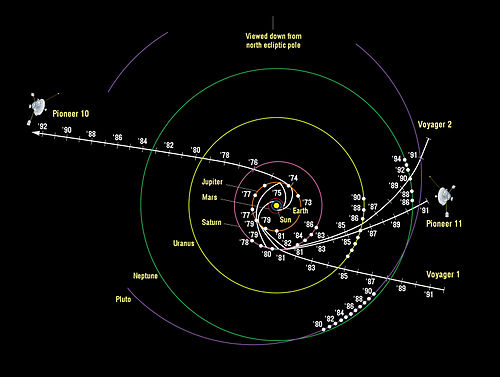
- 唯一の快挙: 木星、土星、天王星、海王星の4つの巨大惑星すべてを近接フライバイ(接近通過)した唯一の探査機。
- 星間空間への到達: 2018年11月5日にヘリオポーズ(太陽圏界面)を通過し、星間空間に進入。
- 動力源: 放射性同位体熱電気転換器(RTG)により、太陽光が届かない深宇宙でも電力を確保。
- メッセージ: 地球の情報を記録した「ゴールデンレコード」を搭載し、未来の知的生命体への挨拶を兼ねている。
惑星探査の軌跡:4つの巨大惑星への挑戦
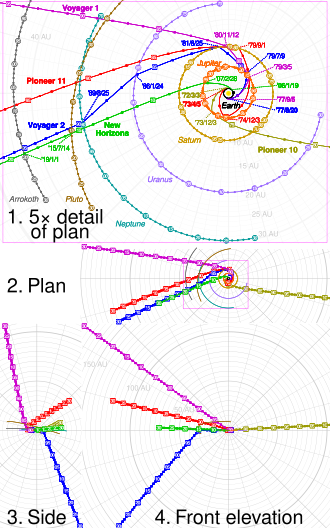
ボイジャー2号の最大の功績は、太陽系外縁部の惑星を効率的に巡った「グランドツアー」の完遂にあります。各惑星での接近通過により、人類は初めてこれらの世界の詳細な姿を目にすることができました。
木星と土星の遭遇
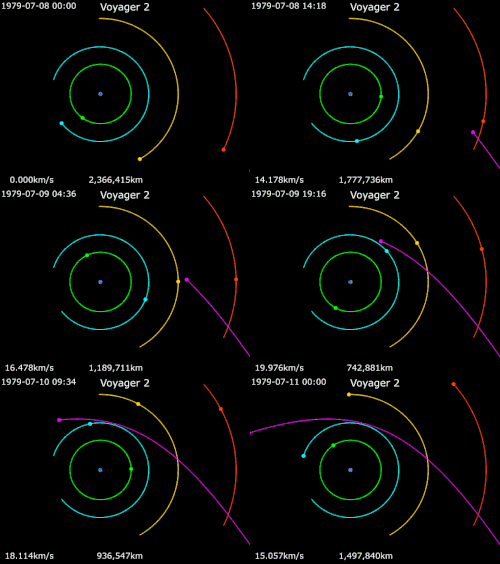
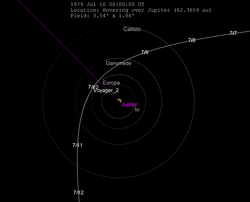
1979年7月に木星へ接近し、大赤斑や衛星イオの火山活動など、ダイナミックな現象を捉えました。その後、1981年8月には土星に到達し、環の構造や衛星タイタンの雰囲気を詳細に観測しました。
天王星と海王星への到達
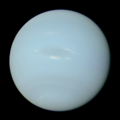
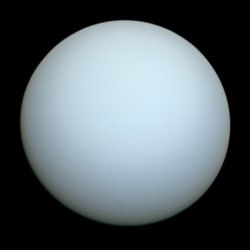
ボイジャー2号の真の価値は、その後の旅にあります。1986年1月に天王星を、そして1989年8月には海王星を訪問しました。これにより、太陽系で最も遠い惑星である海王星とその衛星トリトンに関する直接的なデータを人類が初めて得ることとなりました。
![The position of Voyager 2 in December 2018. Note the vast distances condensed into a logarithmic scale: Earth is one astronomical unit (AU) from the Sun; Saturn is at 10 AU, and the heliopause is at around 120 AU. Neptune is 30.1 AU from the Sun; thus the edge of interstellar space is around four times as far from the Sun as the last planet.[9]](/images/c3/c1/c3c16d3063156de910100dd5ffd478b7f54c2e4fd0219ea88a8c2ab29ac209da.jpg)
機体設計と科学観測システム
過酷な深宇宙環境に耐えるため、ボイジャー2号は高度なエンジニアリングに基づいて設計されました。打ち上げ時の質量は約721.9kgで、タイタンIIIEロケットによって宇宙へと送り出されました。
電力供給と通信
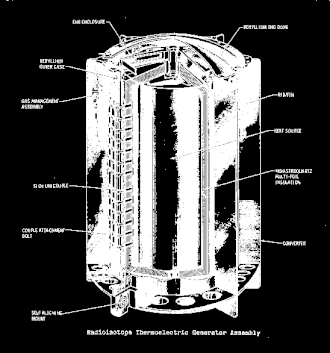
太陽から遠く離れるため、太陽電池ではなくRTG(放射性同位体熱電気転換器)という原子力電池を採用しています。これにより、数十年にわたる長期運用が可能となりました。
搭載された科学装置
機体には、画像撮影システム(ISS)や磁力計(MAG)、宇宙線システム(CRS)など、多岐にわたる観測機器が搭載されていました。現在は電力制限のため多くの装置が停止していますが、一部のセンサーは依然として星間空間のデータを送信しています。
ミッションの現状と今後の展望
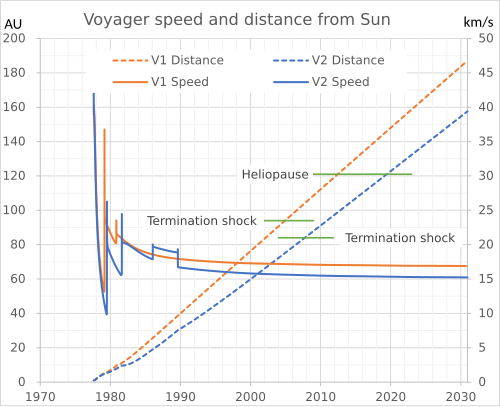
2018年に太陽圏を脱出したボイジャー2号は、現在「星間ミッション」の段階にあります。しかし、時間の経過とともに搭載電力は減少しており、運用上の大きな課題に直面しています。
NASAは電力消費を抑えるため、段階的に観測機器の電源をオフにする計画を進めています。2020年代半ばにはほとんどの科学装置が停止し、2036年頃には地球の深宇宙ネットワーク(DSN)との通信範囲外に出ると予想されています。
![Voyager 2 left the heliosphere on November 5, 2018.[9]](/images/a8/0b/a80ba13a2d6e532e79aad7deab599255859ac4bba441d9cce5a464144acf0efc.jpg)
ミッション概要まとめ
| 項目 | 詳細内容 |
|---|---|
| 打ち上げ日 | 1977年8月20日 |
| 運用機関 | NASA / JPL |
| 訪問惑星 | 木星、土星、天王星、海王星 |
| 星間空間進入日 | 2018年11月5日 |
| 主な動力源 | RTG(放射性同位体熱電気転換器) |
| 打ち上げ質量 | 721.9 kg |
ボイジャー2号が残したデータは、今なお惑星科学の基礎となっており、その旅路は人類の飽くなき探究心の象徴として語り継がれるでしょう。


Frequently Asked Questions
ボイジャー2号は現在どこにありますか?
太陽圏(ヘリオスフィア)を完全に脱出し、太陽系外の星間空間を航行しています。地球から極めて遠い距離にあり、通信には非常に長い時間がかかります。
なぜ太陽電池ではなく原子力電池を使っているのですか?
木星より外側の惑星では太陽光が極めて弱くなるため、太陽電池では十分な電力を得ることができません。そのため、プルトニウムの崩壊熱を利用して発電するRTGが採用されました。
ゴールデンレコードとは何ですか?
地球の自然音、音楽、挨拶などの情報を記録した金メッキのレコード盤です。もし将来的に知的生命体がこの探査機を発見した際、地球という惑星の情報を伝えるためのタイムカプセルとして搭載されています。
いつまで運用が続けられるのでしょうか?
電力の減少に伴い、徐々に装置が停止していきます。2020年代半ばにはほとんどの科学観測が終了し、2036年頃には地球との通信が完全に途絶えると予測されています。
ボイジャー1号との違いは何ですか?
ボイジャー1号は木星と土星を巡った後、より速い速度で太陽系を脱出しました。一方、ボイジャー2号は天王星と海王星まで到達したため、より多くの惑星を訪問したという特徴があります。
References
- To observe , Voyager 2 passed over Neptune's north pole, resulting in an acceleration out of the plane of the ecliptic, and, as a result, a reduced velocity relative to the Sun.
- Some sources cite the discovery of only 10 Uranian moons by Voyager 2, but was discovered in Voyager 2 images more than a decade after they were taken.
- One of these moons, , was first reported in 1981 from ground telescope observations, but not confirmed until the Voyager 2 approach.
📸 フォトギャラリー