現代では健康維持やリラクゼーションのためのエクササイズとして世界的に普及しているヨガですが、その本質は単なる身体運動ではありません。ヨガは数千年にわたりインドで発展してきた深い精神的・哲学的体系であり、心身の統合を通じて究極の自由や悟りを目指す修行法です。
古代の聖典から現代のフィットネスに至るまで、ヨガがどのように変遷し、どのような思想に基づいているのかを詳しく解説します。
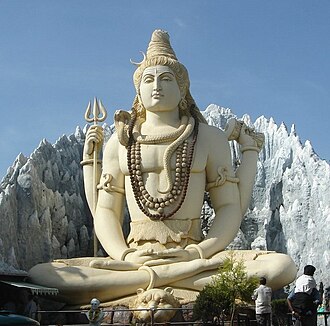
Key Facts
- 起源:古代インドのヴェーダ時代やインダス文明にまで遡る深い歴史を持つ。
- 目的:身体的な健康だけでなく、精神的な調和、苦しみからの解放、そして自己の実現を目指す。
- 核心的テキスト:パタンジャリの『ヨガ・スートラ』や『バガヴァッド・ギーター』が理論的支柱となっている。
- 多様な形態:瞑想中心のラージャ・ヨガ、身体技法のハタ・ヨガ、献身のバクティ・ヨガなど、目的別に多様な道が存在する。
- 現代的展開:20世紀以降、西洋に伝わり、身体的なポーズ(アーサナ)を中心としたエクササイズとして世界的に普及した。
ヨガの定義と多面的な意味
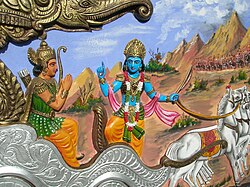
「ヨガ」という言葉はサンスクリット語で「結びつけること」や「統合」を意味します。しかし、時代や文献によってその定義は異なります。例えば、『バガヴァッド・ギーター』では、成功や失敗に左右されない「心の平静(等心)」や「行動における熟練」として描写されています。
学術的な視点からは、ヨガは単一の定義ではなく、目標を達成するための規律ある手法、心身を制御する技術、あるいは特定の哲学体系(ダルシャナ)としての側面を持つと考えられています。
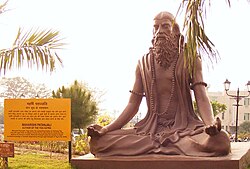
歴史的変遷:古代から中世まで
初期の起源と精神運動
ヨガの萌芽は、紀元前3300年頃のインダス文明に見られる印章などの遺物から推測されています。その後、ヴェーダ時代を経て、個人の内面的な探求を重視するシュラマナ(沙門)運動やウパニシャッド哲学の中で、瞑想や呼吸法の基礎が築かれました。
![The Pashupati seal from the Indus Valley Civilisation (3300 BCE) shows a seated figure, surrounded by animals, in a posture that was thought by 20th century scholars to be Mulabandhasana. This is rejected by more recent scholars.[94]](/images/4a/39/4a3930c26c5d81a5dab24d64f89fdb02af5ba77d20092ba66980261cbbba7d78.jpg)
古典期とパタンジャリの体系化
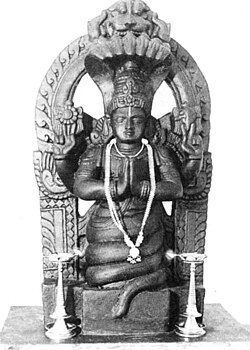
紀元前後、聖者パタンジャリによって『ヨガ・スートラ』が編纂されたことで、ヨガは体系的な哲学となりました。ここで提唱された「八支則(アシュタンガ)」は、道徳的な規律から始まり、最終的に深い瞑想状態であるサマディ(三昧)に至るまでの段階的なプロセスを定義しています。
中世の展開とハタ・ヨガの誕生
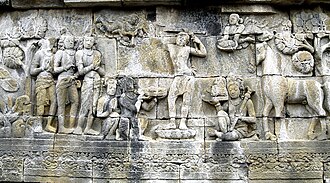
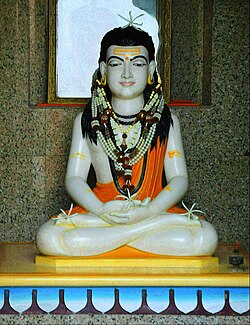
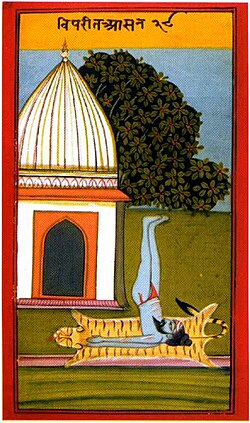
中世に入ると、精神的な悟りだけでなく、身体的な浄化やエネルギーの制御を重視するハタ・ヨガが登場しました。これは、身体を鍛えることで精神的な覚醒を早めるアプローチであり、後の現代ヨガのポーズの基礎となりました。また、神への絶対的な愛と献身を重視するバクティ・ヨガも広く浸透しました。
多様なヨガの伝統と流派
ヨガは、追求する目的やアプローチによっていくつかの主要な道に分かれています。
- カルマ・ヨガ:結果に執着せず、義務や奉仕として行動する「行為のヨガ」。
- バクティ・ヨガ:神への深い愛と献身を通じて至福に至る「信愛のヨガ」。
- ジュニャーナ・ヨガ:知恵と分析によって真理を悟る「知識のヨガ」。
- ラージャ・ヨガ:瞑想と精神集中によって心を制御する「王道ヨガ」。
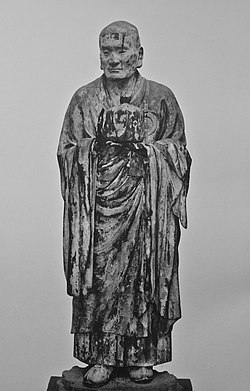
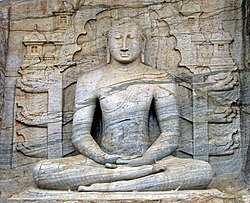
また、仏教においてもヨガ的な瞑想(禅やヴィパッサナーなど)が取り入れられ、相互に影響を与え合いました。
現代ヨガへの進化とグローバル化
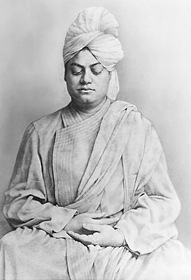
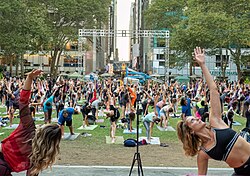
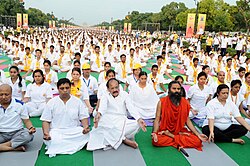
19世紀後半、スワミ・ヴィヴェーカーナンダが米国で講演を行ったことで、ヨガの哲学が西洋に紹介されました。その後、20世紀に入ると、身体的な健康やストレス解消を目的としたアプローチが主流となり、世界中で「エクササイズとしてのヨガ」が普及しました。
現在では、伝統的なハタ・ヨガをベースにしたアシュタンガ・ヨガや、道具を用いたアイエンガー・ヨガなど、多くのスタイルが存在します。また、国連によって「国際ヨガの日」が制定されるなど、文化的な境界を越えたウェルネス習慣として定着しています。
ヨガの核心的な実践要素
ヨガの実践は、単なるストレッチではなく、以下の要素を組み合わせた総合的なアプローチです。
- アーサナ(ポーズ):身体のバランスを整え、瞑想に適した状態を作る。
- プラーナヤーマ(呼吸法):生命エネルギー(プラーナ)を制御し、心を落ち着かせる。
- ディヤーナ(瞑想):意識を集中させ、内なる静寂を得る。
- ムドラー(印):指先などの形によってエネルギーの流れを調整する。
ヨガの体系まとめ
| 流派・種類 | 主な焦点 | 目的・アプローチ |
|---|---|---|
| ラージャ・ヨガ | 精神・意識 | 瞑想と集中による心の制御 |
| ハタ・ヨガ | 身体・エネルギー | ポーズと呼吸による心身の浄化 |
| バクティ・ヨガ | 感情・信仰 | 神への献身と愛による統合 |
| カルマ・ヨガ | 行動・義務 | 無私な奉仕と正しい行動 |
| ジュニャーナ・ヨガ | 知性・哲学 | 真理の探究と知恵による悟り |
Frequently Asked Questions
ヨガを始めるのに宗教的な信仰は必要ですか?
いいえ、必要ありません。ヨガはインドの精神的伝統に根ざしていますが、現代では宗教とは切り離された心身の健康法や哲学的なライフスタイルとして、あらゆる背景を持つ人々によって実践されています。
「アーサナ」とは具体的に何を指しますか?
アーサナとは、サンスクリット語で「座法」や「ポーズ」を意味します。もともとは瞑想のために安定して座る姿勢を指していましたが、現在では多様な身体的ポーズ全般を指す言葉として使われています。
パタンジャリの「八支則」とは何ですか?
ヨガの修行を8つの段階に分けたガイドラインです。道徳的な規律(ヤマ・ニヤマ)、身体的実践(アーサナ・プラーナヤーマ)、感覚の制御(プラティヤハラ)、集中(ダーラナ・ディヤーナ)、そして最終的な統合状態(サマディ)から構成されています。
ハタ・ヨガとラージャ・ヨガの違いは何ですか?
ラージャ・ヨガが主に「心の制御」という精神的な側面からアプローチするのに対し、ハタ・ヨガは「身体の浄化と制御」を通じて精神的な覚醒を目指します。現代の多くのヨガクラスは、このハタ・ヨガの身体的側面をベースにしています。
References
- , p. 67): "Many westerners see yoga as a variation on the modern concern for health and fitness and a means of overcoming the stresses and strains of modern day living. Most of what passes for yoga in this context, however, bears little relation to traditional practices, institutionalised as they were within established traditions or lienages (sampradaya) of teacher (guru) and pupil (śiṣya), structured according to hierarchical and initiatory stages of development and bound up with an ascetic lifestyle and world-view very different from the concerns of the modern western urbanite."
- A classical definition comes from Patanjali's Yoga sutras(, pp. 4–5, , p. 3, , p. 2), which defines yoga as aiming to control (yoke) and still the mind (), recognizing () or isolating () the , the primordial , from , matter and mind (, pp. 4–5, , p. 2). Another classical definition (, pp. 4–5, , p. 3, , p. 2), informed by the (, p. 2) and (, pp. 4–5), describes the purpose of yoga as the union of the individual self (jivatman) with the higher Self (paramatman), , or God (Shiva).
- Hindu-scholars have argued that Yoga has Vedic origins and influenced Jainism and Buddhism.
- The first known appearance of the word "yoga" with the same meaning as the modern term is in the (, pp. 25–34, , p. 95), which was probably composed between the fifth and third centuries BCE (, pp. 28–30, , pp. 12–13).
- , p. xxxiv): "Most scholars date the text shortly after the turn of the Common Era (circa first to second century)."
- Hatha Yoga dating:
, p. 20): "The techniques of hatha yoga are not taught in Sanskrit texts until the 11th century or thereabouts."
, p. 15) "While many scholars prefer to locate hatha-yoga's formative years somewhere between the ninth and tenth centuries CE, coinciding with the estimated flourishing of the great siddhas Matsyendra and Goraksa, other researchers and practitioners of yoga look much farther back in time." - Sanskrit: युञ्जते मन उत युञ्जते धियो विप्रा विप्रस्य बृहतो विपश्चितः। वि होत्रा दधे वयुनाविदेक इन्मही देवस्य सवितुः परिष्टुतिः॥१॥
Translation 1: Seers of the vast illumined seer yogically [युञ्जते, yunjante] control their minds and their intelligence... (…)
Translation 2: The illumined yoke their mind and they yoke their thoughts to the illuminating godhead, to the vast, to the luminous in consciousness;
the one knower of all manifestation of knowledge, he alone orders the things of the sacrifice. Great is the praise of Savitri, the creating godhead. - Vivekananda"
- See, for example, , p. 359), who states that yoga is a process (or discipline) leading to unity () with the divine () or with one's self ().
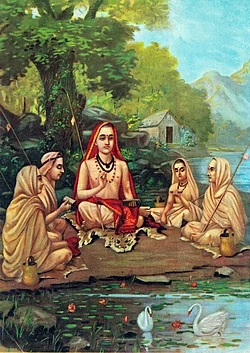
- This understanding of yoga as union with the divine is also informed by the mediaeval synthesis of Advaita Vedanta and yoga, with the Advaita Vedanta-tradition explicitly incorporating elements from the yogic tradition and texts like the and the , culminating in 's full embrace and propagation of Yogic samadhi as an Advaita means of knowledge of the identity of the individual self (jivataman) and the highest self (Brahman), leading to liberation.
📸 フォトギャラリー