The main cone of Vesuvius and the cliff of Monte Somma's caldera separated by the Inferno and Gigante valley
← ホームへ戻る

ヴェスヴィオ山歴史を塗り替えた破壊と再生の火山

イタリアのカンパニア州にそびえるヴェスヴィオ山は、世界で最も知名度の高い火山の一つです。単なる自然の造形物ではなく、古代ローマの都市を瞬時に飲み込んだ悲劇の象徴であり、同時に現代においても数百万人の生活圏に隣接する「生きた脅威」として知られています。

この火山は、古いカルデラの中に新しい円錐形の山体が形成された「ソンマ火山」という特殊な構造を持っています。そのダイナミックな地質学的特性と、繰り返される激しい噴火の歴史について詳しく見ていきましょう。
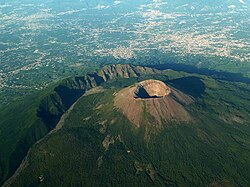
The main cone of Vesuvius and the cliff of Monte Somma's caldera separated by the Inferno and Gigante valley

主要な事実(Key Facts)

  • 最高地点: 海抜1,281メートル
  • 火山タイプ: ソンマ火山(成層火山)
  • 最後の大噴火: 1944年3月17日〜23日
  • 危険性: 「10大火山(Decade Volcanoes)」の一つに指定され、周辺に約300万人が居住している
  • 特徴的な噴火形式: 非常に激しい爆発を伴う「プリニウス式噴火」

地質学的構造と形成過程

ヴェスヴィオ山の歴史は非常に古く、少なくとも40万年前から火山活動が続いていたことがボーリング調査によって判明しています。約1万7千年から1万8千年前の噴火でカルデラ(火口が陥没してできた窪地)が形成され、その後、その内部に現在の円錐形の山体が成長しました。

この「古い外輪山(モンテ・ソンマ)の中に新しい山がある」構造は、地質学的にソンマ火山と呼ばれ、ヴェスヴィオ山はその代表例となっています。岩石の組成は、フォノテフライトやトラキアンデサイトなど、多様な火山岩で構成されています。
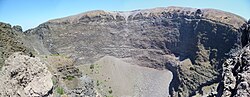
The crater of Vesuvius in 2012

歴史を揺るがした噴火の記録

西暦79年の大惨事

ヴェスヴィオ山を世界的に有名にしたのが、西暦79年の噴火です。このとき、火山は高さ33kmに達する巨大な噴煙柱を上げ、猛烈な勢いで軽石や火山灰を放出しました。そのエネルギーは、広島・長崎への原爆投下による熱エネルギーの約10万倍に相当したと推定されています。

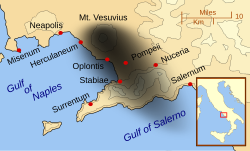
この噴火により、ポンペイヘルクラネウムといったローマ時代の都市が完全に埋没しました。当時の状況を伝える唯一の目撃証言は、歴史家タキトゥスに宛てた小プリニウスの手紙であり、この記述から、激しい爆発的噴火を「プリニウス式噴火」と呼ぶようになりました。
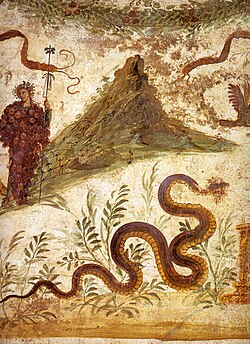
Fresco of Bacchus and Agathodaemon with Mount Vesuvius, as seen in Pompeii's House of the Centenary
Pompeii and Herculaneum, as well as other cities affected by the eruption of Mount Vesuvius. The black cloud represents the general distribution of ash, pumice and cinders. Modern coast lines are shown.
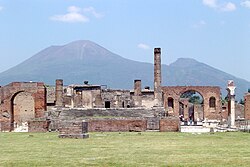
Pompeii, with Vesuvius towering above

噴火のメカニズムと犠牲者の実態

最新の研究では、79年の噴火は複数の段階を経て進行したことが分かっています。初期段階では、海水がマグマと反応して超高温の蒸気が発生し、それが推進力となって巨大な灰の柱を押し上げました。その後、柱が崩壊することで火砕流(高温のガスと火山砕屑物の流れ)が発生し、都市を襲いました。

ポンペイでは、多くの人々が建物の崩落や窒息によって命を落としたと考えられています。一方、火口に近かったヘルクラネウムでは、300℃に達する極めて高温の火砕流が押し寄せ、住民は瞬時に犠牲となりました。
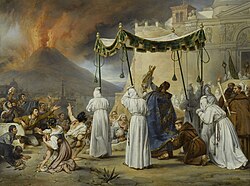
Procession of Saint Januarius During an Eruption of Vesuvius by Antoine Jean-Baptiste Thomas, 1822

中世から近代にかけての活動

79年以降も、ヴェスヴィオ山は絶えず活動を続けてきました。特に1631年の噴火では、大量の溶岩流と泥流(ラハール)が発生し、約3,000人が死亡する甚大な被害が出ました。その後も18世紀には6回、19世紀には8回の噴火を記録しています。
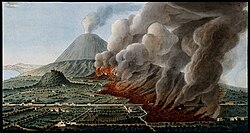
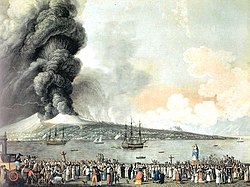
Lava flows from Vesuvius in 1760
The eruption of Vesuvius in 1794
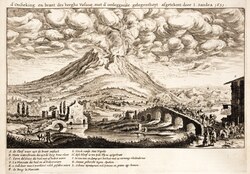
Eruption of 16 December 1631. Joachim von Sandrart and Matthias Merian in Danckerts Historis, 1642.
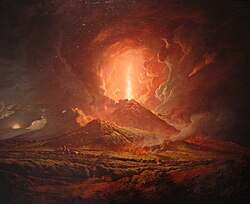
An eruption of Vesuvius seen from Portici, by Joseph Wright (c. 1774–6)

20世紀の噴火と影響

1906年の噴火では、記録上最大量の溶岩が流出しました。また、この時期の活動はスポーツ史にも影響を与え、ナポリでの開催が予定されていた1908年夏季オリンピックは、復興資金への転用などの理由からロンドンへ変更されました。

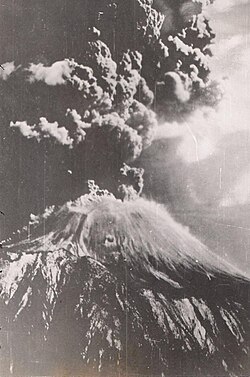
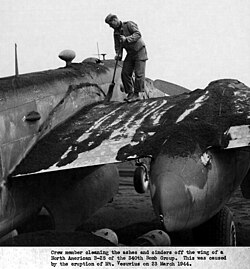
最後に記録された大きな噴火は1944年3月です。このとき、近隣に駐在していたアメリカ軍のB-25爆撃機部隊が、降り積もった火山灰によって多くの機体を損傷させるという珍しい被害に見舞われました。
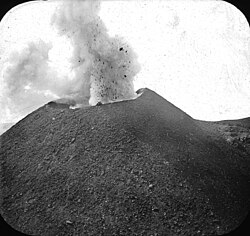
Vesuvius erupting (before 1923)
The March 1944 eruption of Vesuvius, by Jack Reinhardt, B-24 tail gunner in the USAAF during World War II
Ash being swept off a wing of an American B-25 Mitchell medium bomber of the 340th Bombardment Group on 23 March 1944 after the eruption of Mount Vesuvius

現代におけるリスクと管理

現在、ヴェスヴィオ山は静止していますが、その周辺には極めて人口密度が高い地域が広がっています。政府の緊急計画では、1631年と同規模の噴火(VEI 4)が発生することを最悪のシナリオとして想定しています。

特に風向きの影響で、火山の南東方向に位置する都市が最も高いリスクにさらされており、屋根の崩落を招くほどの降灰が広範囲に及ぶことが懸念されています。
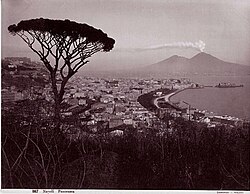
Famous view of Vesuvius and the historic Pine of Naples overlooking the city of Naples in the 19th century, by Giorgio Sommer
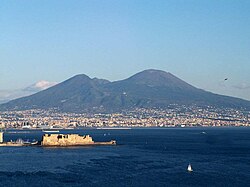
The area around the volcano is now densely populated.

観光と自然保護

1995年、山体周辺は国立公園に指定されました。現在は観光地として開放されており、整備された遊歩道を通り、火口付近まで徒歩で登ることが可能です。かつてはケーブルカー(フニクラール)による輸送も行われていました。
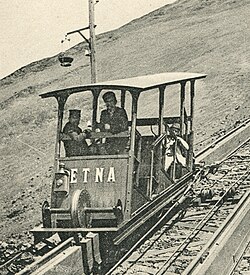
"Etna", one of a pair of early funicular cable cars on Mount Vesuvius; the other cable car of the pair was named "Vesuvio"; about 1900

ヴェスヴィオ山 概要まとめ

ヴェスヴィオ山の基本データ
項目 詳細
標高 1,281 m
所在地 イタリア・カンパニア州
火山形式 ソンマ火山(成層火山)
主要な岩石 フォノテフライト、トラキアンデサイト等
直近の噴火 1944年
危険区域の人口 約60万人が直接的な危険圏内に居住

Frequently Asked Questions

なぜ「プリニウス式噴火」と呼ばれるのですか?

西暦79年の噴火を詳細に記録した、古代ローマの作家である小プリニウス(Pliny the Younger)の名にちなんでいます。彼の記述が、この種の爆発的な噴火を定義する科学的な基礎となったためです。

ポンペイとヘルクラネウムでは被害にどのような違いがありましたか?

ポンペイは主に大量の火山灰と軽石の降下による建物の崩落、その後の火砕流で被害を受けました。一方、ヘルクラネウムは風向きにより降灰は免れましたが、より高温の火砕流に直接飲み込まれ、厚い堆積物の下に埋もれました。

次にいつ噴火する可能性がありますか?

正確な時期を予測することは困難ですが、過去のデータから、休止期間が長いほど次回の噴火規模が大きくなる傾向があることが分かっています。そのため、イタリア政府は常に監視を続け、避難計画を策定しています。

現在、山頂まで登ることはできますか?

はい、可能です。国立公園として管理されており、道路で山頂付近までアクセスした後、らせん状の歩道を歩いて火口まで行くことができます。

1944年の噴火で軍用機が被害を受けたのはなぜですか?

噴火によって放出された熱い火山灰(テフラ)が、航空機のエンジンや操縦翼面、風防などの精密な部品に付着し、深刻な損傷を与えたためです。

References

  1. : Vesuvio ; : Vesuvio , also 'a Muntagna ("the Mountain"); : Vesuvius , also Vesevius, Vesvius or Vesbius.
  2. The dates of the earthquakes and of the eruption are contingent on a final determination of the time of year, but there is no reason to change the relative sequence.

📸 フォトギャラリー

The main cone of Vesuvius and the cliff of Monte Somma's caldera separated by the Inferno and Gigante valley
Famous view of Vesuvius and the historic Pine of Naples overlooking the city of Naples in the 19th century, by Giorgio Sommer
Procession of Saint Januarius During an Eruption of Vesuvius by Antoine Jean-Baptiste Thomas, 1822
Lava flows from Vesuvius in 1760
The eruption of Vesuvius in 1794
Fresco of Bacchus and Agathodaemon with Mount Vesuvius, as seen in Pompeii's House of the Centenary
Pompeii and Herculaneum, as well as other cities affected by the eruption of Mount Vesuvius. The black cloud represents the general distribution of ash, pumice and cinders. Modern coast lines are shown.
Pompeii, with Vesuvius towering above
Eruption of 16 December 1631. Joachim von Sandrart and Matthias Merian in Danckerts Historis, 1642.
An eruption of Vesuvius seen from Portici, by Joseph Wright (c. 1774–6)
Vesuvius erupting (before 1923)
The March 1944 eruption of Vesuvius, by Jack Reinhardt, B-24 tail gunner in the USAAF during World War II
Ash being swept off a wing of an American B-25 Mitchell medium bomber of the 340th Bombardment Group on 23 March 1944 after the eruption of Mount Vesuvius
The area around the volcano is now densely populated.
The crater of Vesuvius in 2012
"Etna", one of a pair of early funicular cable cars on Mount Vesuvius; the other cable car of the pair was named "Vesuvio"; about 1900