Hanging Monastery, a temple with the combination of Taoism, Buddhism, and Confucianism.
← ホームへ戻る

中国文化の深淵思想、芸術、そして伝統の系譜

世界最大級の民族集団である漢民族を中心に形成された中国文化は、数千年の歴史を経て、東アジア全域に多大な影響を与えてきました。中国人口の約92%を占めるだけでなく、台湾、シンガポール、マレーシアなど世界各地に広がる彼らの文化は、精神的な探求と高度な芸術性が融合した独自の体系を持っています。

Key Facts

  • 人口規模:漢民族は世界最大の民族グループであり、13億人以上の人口を擁する。
  • 思想的基盤:儒教、道教、法家などが混在し、統治哲学や生活様式を形作った。
  • 芸術の頂点:唐代の詩や、精緻な書道、水墨画などの伝統芸術が世界的に高く評価されている。
  • 生活文化:茶道や独自の食文化、庭園設計など、自然と調和した美学が根付いている。

精神的支柱となる哲学と宗教

中国の精神世界を理解する上で欠かせないのが、紀元前6世紀頃の孔子の教えに基づく儒教です。儒教は単なる宗教ではなく、道徳的な生き方や統治のあり方を示す哲学として発展しました。漢代には国家の公式なイデオロギーとなり、現実的な統治手法である法家や、自然との調和を説く道教的な思想(黄老思想)と組み合わされて運用されました。

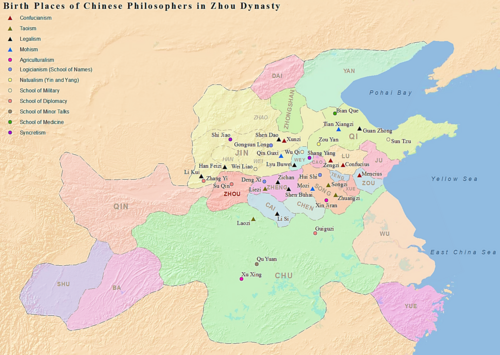
こうした多様な思想の源流には、周代に花開いた「百家争鳴(ひゃかそうめい)」と呼ばれる哲学的な黄金時代があります。多くの思想家が競い合い、中国独自の価値観を構築しました。
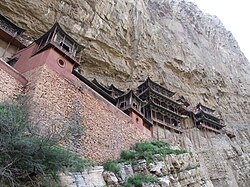
Hanging Monastery, a temple with the combination of Taoism, Buddhism, and Confucianism.
Birthplaces of notable Chinese philosophers of the Hundred Schools of Thoughts in the Zhou dynasty.

言語と文学の芸術性

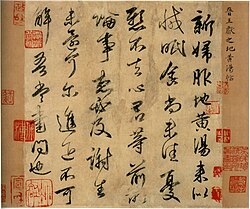
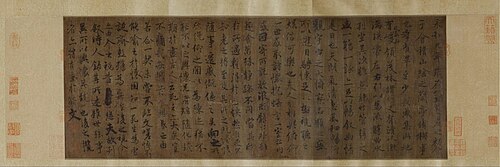
中国の言語文化は、多様な方言の存在と、それらを統合する共通の文字体系という二面性を持っています。特に書道は、単なる文字の記録手段を超え、書き手の精神性を表現する芸術として昇華されました。王羲之のような名筆家が残した作品は、後世の書家たちに多大な影響を与え続けています。

Range of Chinese dialect groups according to the Language Atlas of China.[28]
Chinese calligraphy written by the poet Wang Xizhi (王羲之) of the Jin dynasty

書道に欠かせないのが「文房四宝」と呼ばれる筆、墨、紙、硯の4つの道具です。これらは書家の創造性を支える不可欠なツールとして大切にされてきました。
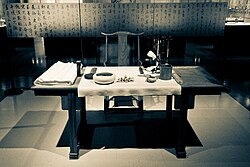
The Four Treasures of the Study – brush, ink, paper and ink stone in Chinese calligraphy traditions.
A Tang dynasty era copy of the preface to the Lantingji Xu poems composed at the Orchid Pavilion Gathering, originally attributed to Wang Xizhi (303–361 AD) of the Jin dynasty

文学においては、唐代が「詩の黄金時代」と称されます。李白や杜甫に代表される唐詩は、官吏登用試験の必須科目となるほど社会的に重要視され、現代に至るまで世界中の文学に影響を与えています。その後、宋代の「詞」、元代の「曲」、そして明・清代の「小説」へと、時代に合わせて表現形式が進化していきました。
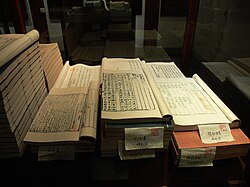
Ming dynasty wood carving books in the Tian Yi Chamber collection

伝統的な美意識と工芸

中国の美学は、衣服や調度品などの日常的な品々にも色濃く反映されています。かつての貴族が身にまとった豪華な衣装から、現代でも愛される旗袍(チーパオ)に至るまで、時代ごとの美意識が投影されています。
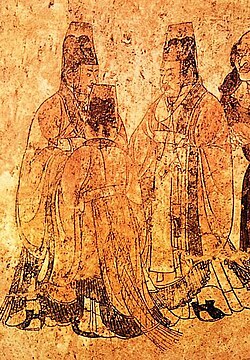
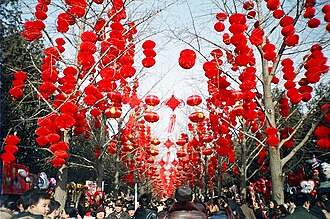
Tang dynasty mural from Li Xian's tomb in Qianling showing Han nobility clothing of the era.
Red lanterns are hung from the trees during the Chinese New Year celebrations in Ditan Park (Temple of Earth) in Beijing.

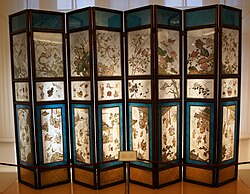
また、実用性と装飾性を兼ね備えた「屏風(びょうぶ)」は、東周時代に始まり、漢代に折りたたみ式が発明されました。唐代には画家や書家が作品を披露する最高のキャンバスとなり、明代後半には精巧な彫刻を施した「欓彩(くわんさい)」などの技法が登場しました。
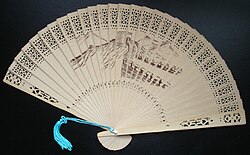
A commercially produced scented wood folding fan, featuring a drawing of the Great Wall of China.
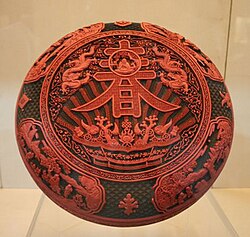
Box with the character for "Spring" (春), Qianlong period, Qing dynasty. Nanjing Museum
Chinese folding screen used at the Austrian imperial court, 18th century, the Imperial Furniture Collection

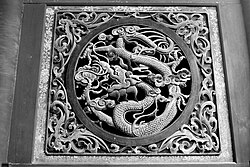
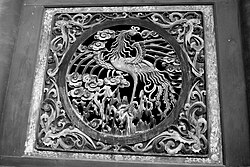
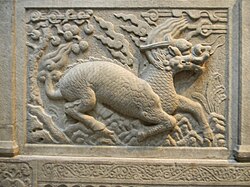
素材へのこだわりも顕著で、特に玉(ぎょく)は高貴な象徴として珍重されました。また、龍や鳳凰、麒麟といった想像上の霊獣は、権威や吉祥の象徴として彫刻や絵画に頻繁に登場します。
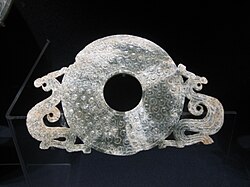
A Chinese jade named Bi(璧) with a dual dragon motif, Warring States period
Relief of a dragon in Fuxi Temple (Tianshui).
Relief of a fenghuang in Fuxi Temple (Tianshui). They are mythological birds of East Asia that reign over all other birds.
Gilin with the head and scaly body of a dragon, tail of a lion and cloven hoofs like a deer. Its body enveloped in sacred flames. Detail from Entrance of General Zu Dashou Tomb (Ming Tomb).

生活様式と文化的な愉しみ

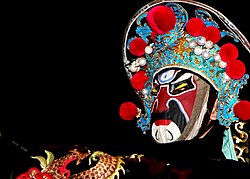
中国の生活文化は、五感を満たす豊かな体験に満ちています。音楽では古箏(こそう)などの伝統楽器が奏でられ、演劇では「変面」のような視覚的な驚きを伴う芸能が発展しました。
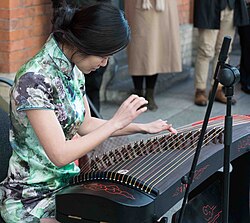
Guzheng, a type of Chinese instrument.
Bian Lian("Face-Changing") Performer

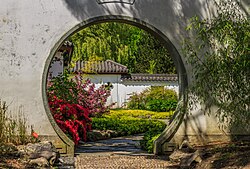
建築においては、自然との共生を追求した中国庭園がその頂点にあります。月門(ムーンゲート)などの象徴的な構造物を用い、限られた空間の中に無限の自然風景を再現しようとする試みがなされました。
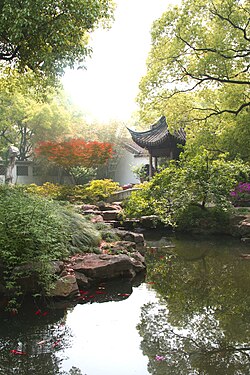
Jichang Garden in Wuxi (1506–1521), built during the Ming dynasty, is an exemplary work of South Chinese style garden.
A Moon gate in a Chinese garden

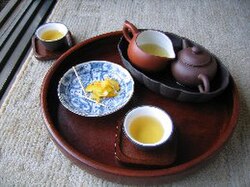
食文化においても、茶は単なる飲料ではなく、健康法や社会的ステータス、そして精神的な安らぎを得るための「茶芸」として確立されました。紀元前2世紀にはすでに皇帝が飲んでいたという記録があり、長い歴史の中で洗練されてきました。
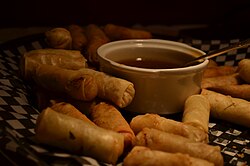
Spring rolls are a large variety of filled, rolled appetizers or dim sum found in Chinese cuisine. Spring rolls are the main dishes in Chinese Spring Festival (Chinese New Year).
A traditional Chinese tea culture (茶艺,茶藝) set and three gaiwan.

食事の作法や道具にも独自の文化があり、盛り付け用の公用箸と個人用の箸を使い分けるなど、細やかな配慮がなされています。
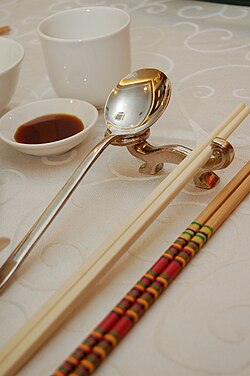
Photo showing serving chopsticks (gongkuai) on the far right, personal chopsticks (putongkuai) in the middle, and a spoon. Serving chopsticks are usually more ornate than the personal ones.

中国文化の概要まとめ

中国文化の主要構成要素
カテゴリー 代表的な要素 特徴・影響
思想・哲学 儒教、道教、法家 道徳、統治、自然との調和を重視
文学・芸術 唐詩、書道、水墨画 精神性の表現と高度な形式美
伝統工芸 玉彫刻、屏風、漆器 素材の希少性と精緻な技法の追求
生活文化 茶芸、中国庭園、食文化 自然との共生と儀礼的な美学

Frequently Asked Questions

儒教とは具体的にどのような影響を社会に与えましたか?

儒教は、家族間の敬愛や社会的な秩序、道徳的な正しさを重視する価値観を定着させました。特に漢代以降、国家の統治理念として採用されたことで、教育制度や官僚機構の基盤となり、東アジア全体の社会構造に深い影響を及ぼしました。

唐代が「詩の黄金時代」と呼ばれるのはなぜですか?

唐代には、詩が社会のあらゆる階層で親しまれ、特に官吏登用試験に組み込まれたことで、多くの知識人が高い技術を競い合ったためです。李白や杜甫といった不世出の詩人が登場し、膨大な数の作品が残されたことが理由です。

中国の屏風にはどのような歴史的な変遷がありましたか?

東周時代の単一パネルから始まり、漢代に折りたたみ式が発明されました。唐代には芸術作品を展示する装飾品として普及し、宋代には風景画の頂点を迎え、明代には彫刻と彩色を組み合わせた高度な技法へと進化しました。

中国の茶文化にはどのような意味がありますか?

茶は古くから薬効があると考えられていたほか、貴族にとっては社会的地位の象徴であり、庶民にとっては日常の楽しみでした。単に飲むだけでなく、淹れ方や作法を重んじる「茶芸」として、精神的な修養の側面も持っています。

References

  1. There are currently some projects in China to rebuild the Imperial Gardens, but this appears as a colossal undertaking, and no rebuilding has started.

📸 フォトギャラリー

Hanging Monastery, a temple with the combination of Taoism, Buddhism, and Confucianism.
Birthplaces of notable Chinese philosophers of the Hundred Schools of Thoughts in the Zhou dynasty.
Range of Chinese dialect groups according to the Language Atlas of China.[28]
Chinese calligraphy written by the poet Wang Xizhi (王羲之) of the Jin dynasty
The Four Treasures of the Study – brush, ink, paper and ink stone in Chinese calligraphy traditions.
A Tang dynasty era copy of the preface to the Lantingji Xu poems composed at the Orchid Pavilion Gathering, originally attributed to Wang Xizhi (303–361 AD) of the Jin dynasty
Ming dynasty wood carving books in the Tian Yi Chamber collection
Tang dynasty mural from Li Xian's tomb in Qianling showing Han nobility clothing of the era.
Red lanterns are hung from the trees during the Chinese New Year celebrations in Ditan Park (Temple of Earth) in Beijing.
A commercially produced scented wood folding fan, featuring a drawing of the Great Wall of China.
Box with the character for "Spring" (春), Qianlong period, Qing dynasty. Nanjing Museum
Chinese folding screen used at the Austrian imperial court, 18th century, the Imperial Furniture Collection
A Chinese jade named Bi(璧) with a dual dragon motif, Warring States period
Relief of a dragon in Fuxi Temple (Tianshui).
Relief of a fenghuang in Fuxi Temple (Tianshui). They are mythological birds of East Asia that reign over all other birds.
Gilin with the head and scaly body of a dragon, tail of a lion and cloven hoofs like a deer. Its body enveloped in sacred flames. Detail from Entrance of General Zu Dashou Tomb (Ming Tomb).
Guzheng, a type of Chinese instrument.
Bian Lian("Face-Changing") Performer
Jichang Garden in Wuxi (1506–1521), built during the Ming dynasty, is an exemplary work of South Chinese style garden.
A Moon gate in a Chinese garden
Spring rolls are a large variety of filled, rolled appetizers or dim sum found in Chinese cuisine. Spring rolls are the main dishes in Chinese Spring Festival (Chinese New Year).
A traditional Chinese tea culture (茶艺,茶藝) set and three gaiwan.
Photo showing serving chopsticks (gongkuai) on the far right, personal chopsticks (putongkuai) in the middle, and a spoon. Serving chopsticks are usually more ornate than the personal ones.