二酸化硫黄(SO2)は、刺激臭を持つ無色の気体であり、地球上の産業活動から宇宙の惑星大気に至るまで、極めて広範な役割を果たす化学物質です。マッチを擦った時に漂う独特の香りが特徴で、化学的には硫黄の酸化物の一種に分類されます。
この物質は単なる工業原料にとどまらず、地球の気候変動や他惑星の環境形成に深く関わっており、その挙動を理解することは環境科学において非常に重要です。
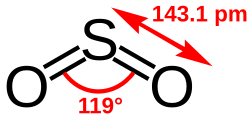
Key Facts
- 化学的性質:無色で刺激臭のある気体。水に溶解すると亜硫酸を形成する。
- 主な用途:硫酸製造の主原料、食品保存料(E220)、ワイン醸造における酸化防止剤。
- 環境影響:大気中で硫酸に変化し、酸性雨の原因となる。一方で硫酸エアロゾルとして太陽光を遮り、冷却効果をもたらす側面もある。
- 宇宙での存在:金星の大気中に豊富に存在し、木星の衛星イオの主成分となっている。
- 危険性:吸入すると呼吸器系に強い刺激を与え、高濃度では有害である。
化学的構造と物理的特性
二酸化硫黄は、1つの硫黄原子に2つの酸素原子が結合した構造を持っています。分子形状は折れ線型(Dihedral)であり、極性を持つため水に溶けやすい性質があります。

電子配置においては共鳴構造を持っており、これが分子の安定性に寄与しています。物理的な状態としては、標準的な条件下では気体ですが、極低温(-72°C以下)では凝固します。
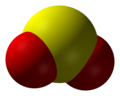

基本物性一覧
| 項目 | 数値・特性 |
|---|---|
| 化学式 | SO2 |
| 分子量 | 64.066 g/mol |
| 外観・臭気 | 無色気体 / 刺激臭(マッチのような香り) |
| 融点 / 沸点 | -72 °C / -10 °C |
| 水溶性 | 94 g/L(亜硫酸を生成) |
| 密度 | 2.619 kg/m3 |
生成プロセスと産業利用
二酸化硫黄の主な生成源は、硫黄単体の燃焼です。また、黄鉄鉱などの硫化物鉱石を空気中で焼成(ロースティング)することによっても大量に放出されます。化学反応式では、S8が酸素と反応して8分子のSO2となる過程が代表的です。
産業面では、そのほとんどが硫酸(H2SO4)の製造に使用されます。硫酸は化学工業において最も重要な酸の一つであり、肥料や薬品の製造に不可欠です。また、食品業界では保存料や漂白剤、ワイン造りにおける酸化防止剤としても利用されています。
地球環境への影響と対策
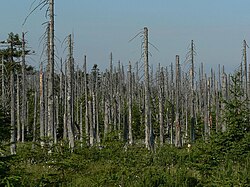
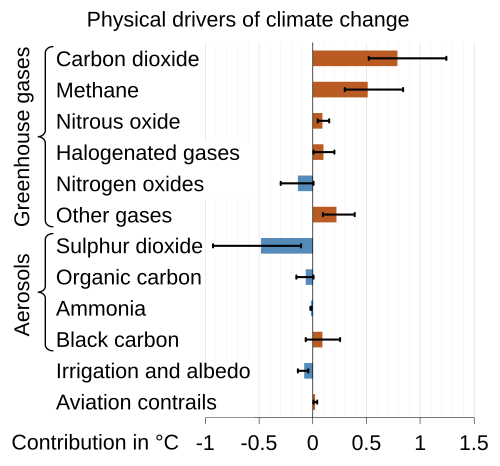
二酸化硫黄は環境に対して二面性を持っています。大気中に放出されたSO2は水蒸気と反応して硫酸となり、酸性雨として降下します。これにより森林の枯死や建築物の腐食といった深刻な被害がもたらされます。
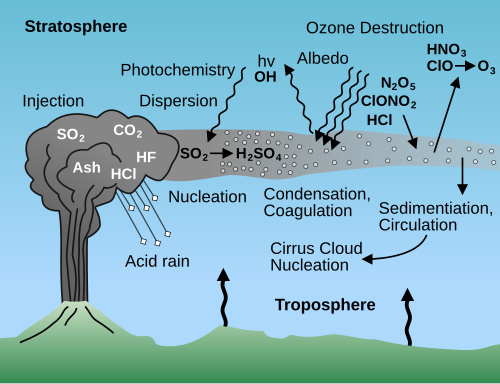
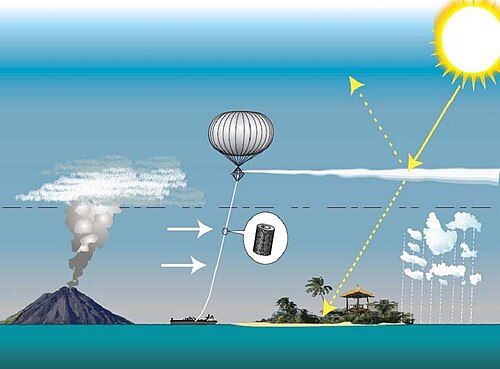
一方で、成層圏に放出された二酸化硫黄は硫酸エアロゾルを形成し、太陽光を反射することで地表温度を下げる「冷却効果」をもたらします。これは大規模な火山噴火後に観測される現象であり、近年では地球温暖化対策としての「太陽地球工学(ソーラー・ジオエンジニアリング)」のアイデアとしても議論されています。
![The observed trends of global dimming and brightening in four major geographic regions. The dimming was greater on the average cloud-free days (red line) than on the average of all days (purple line), strongly suggesting that sulfate aerosols were the cause.[73]](/images/a5/50/a5504cddf83dbcb4612be779001e3225ececd1c3c2e56f9a151b5016b608d680.jpg)
こうした環境負荷を軽減するため、発電所などでは排煙脱硫装置が導入されています。これは酸化カルシウム(生石灰)を用いてSO2を化学的に固定し、亜硫酸カルシウムとして回収する技術です。
![Early 2010s estimates of past and future anthropogenic global sulfur dioxide emissions, including the Representative Concentration Pathways. While no climate change scenario may reach Maximum Feasible Reductions (MFRs), all assume steep declines from today's levels. By 2019, sulfate emission reductions were confirmed to proceed at a very fast rate.[63]](/images/86/7a/867a2a743b7ea6d40ded1aa0ec2c065345a1b8715824096bb85e2f19fa7a403a.png)
![Global sulfur dioxide (SO₂) emissions by world region[66]](/images/00/67/006764842f7f22f430c21cad229e91567195278a69fefb64cb2bb7b62bc20db1.webp)
宇宙における二酸化硫黄
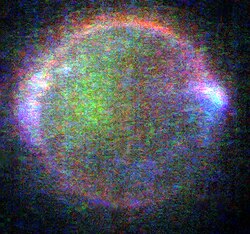
二酸化硫黄は地球外でも重要な役割を果たしています。金星の大気では3番目に多い成分であり、水と反応して亜硫酸の雲を形成しています。また、木星の衛星イオでは大気の約90%をSO2が占めており、激しい火山活動がその供給源となっています。
さらに、最新のジェームズ・ウェッブ宇宙望遠鏡の観測により、系外惑星WASP-39bの大気中にも光化学反応によって生成された二酸化硫黄が存在することが確認されました。
安全性とリスク管理
二酸化硫黄は毒性を持つ物質であり、取り扱いには厳重な注意が必要です。特に吸入による呼吸器への刺激が強く、高濃度では肺水腫などの深刻な健康被害を引き起こす可能性があります。

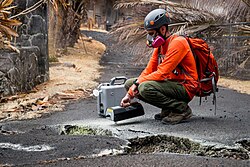
火山活動の監視においても、放出されるSO2の量は重要な指標となります。地質調査などの専門機関は、噴火の予兆や規模を把握するために大気中の濃度を測定しています。
Frequently Asked Questions
二酸化硫黄が酸性雨になる仕組みは?
大気中に放出された二酸化硫黄が、空気中の水蒸気や酸素と反応して硫酸に変化し、それが雨に溶け込むことで酸性雨となります。
食品に二酸化硫黄が使われているのはなぜですか?
強力な酸化防止作用と抗菌作用があるため、ドライフルーツの変色防止やワインの保存性を高めるための保存料として利用されています。
地球温暖化を抑制する効果があるというのは本当ですか?
はい。成層圏に硫酸エアロゾルが形成されると、太陽光を宇宙へ反射するため、地表に届く日射量が減り、温度を下げる効果(グローバル・ディミング)が生じます。
二酸化硫黄を吸い込んだ時の危険性は?
粘膜を強く刺激するため、咳や喉の痛み、呼吸困難を引き起こします。高濃度にさらされた場合は、直ちに新鮮な空気のある場所へ移動し、医療機関を受診する必要があります。
宇宙のどこに二酸化硫黄が存在しますか?
金星の大気、木星の衛星イオの大気、そして一部の系外惑星(WASP-39bなど)で確認されています。
References
- Sulfur dioxide Archived December 30, 2019, at the , U.S. National Library of Medicine
- National Center for Biotechnology Information (2025). "PubChem Compound Summary for CID 1119, Sulfur Dioxide". Archived from the original on September 24, 2023. Retrieved January 15, 2025 – via U.S. National Library of Medicine.
- Lide DR, ed. (2006). (87th ed.). Boca Raton, Florida: . .
- National Center for Biotechnology Information (December 18, 2018). "Hazardous Substances Data Bank: Sulfur Dioxide". PubChem. Retrieved January 15, 2025.
- Miller J Jr, Shah P, Yaws C (1976). "Correlation constants for chemical compounds". Chemical Engineering. 83 (25): 153–180. 0009-2460.
- "Summary of Classification and Labelling: Sulphur Dioxide". C&L Inventory. Retrieved January 15, 2025.
- "Sulfur dioxide". Immediately Dangerous to Life or Health Concentrations. .
- NIOSH Pocket Guide to Chemical Hazards. "#0575". (NIOSH).
- , Earnshaw A (1997). Chemistry of the Elements (2nd ed.). Butterworth-Heinemann. :10.1016/C2009-0-30414-6. .
- Wothers P (2019). Antimony, Gold, and Jupiter's Wolf: How the Elements Were Named. Oxford University Press. .
📸 フォトギャラリー