物理学における力とは、簡単に言えば物体を「押す」または「引く」作用のことです。私たちは日常生活の中で、物を持ち上げたり、壁を押し出したりする際に常にこの力の影響を受けています。科学的な視点では、力は質量を持つ物体に加速度を生じさせる原因として定義されます。
Key Facts
- 定義: 物体に加速度を与える「押し」または「引き」の作用。
- 単位: 国際単位系(SI)ではニュートン(N)を使用し、1 N = 1 kg·m/s² と定義される。
- 基本法則: ニュートンの運動三法則(慣性、加速、作用・反作用)が古典力学の根幹を成す。
- 現代的視点: 宇宙の基本相互作用は、強い力、電磁気力、弱い力、重力の4種類に分類される。
- 相対論的影響: 物体が光速に近づくと、同じ加速度を得るためにより大きな力が必要となる。
力の概念の変遷と歴史
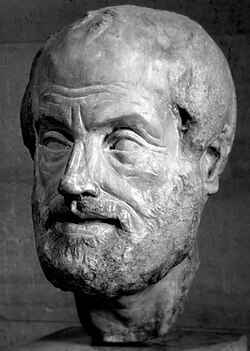
力の捉え方は時代とともに進化してきました。古代ギリシャのアリストテレスは、物体が「不自然な運動」を行う原因を力として説明しました。
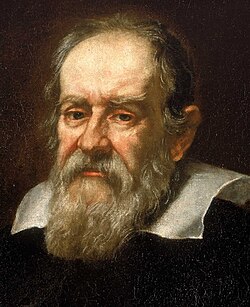
その後、ガリレオ・ガリレイがアリストテレス的な記述に含まれる矛盾を指摘し、近代的な力学への道を開きました。
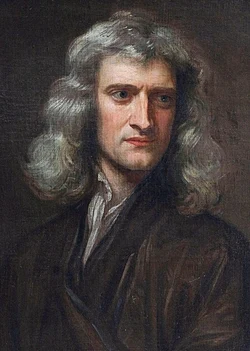
17世紀、アイザック・ニュートンは幾何学的な手法を用いて運動の三法則を提示し、古典力学を体系化しました。現代の物理学では微分積分やベクトルを用いて記述されますが、その本質的な理論はニュートンの『プリンキピア』に遡ります。
ニュートン力学における力の法則
運動の第二法則と加速度
力(F)は、物体の質量(m)と加速度(a)の積で表されます(F = ma)。これは、物体に力が加わると、その質量に応じた加速度が生じることを意味します。また、力は方向を持つためベクトルとして扱われ、複数の力が作用する場合はそれらを合成して正味の力を算出します。
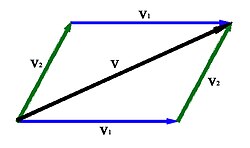
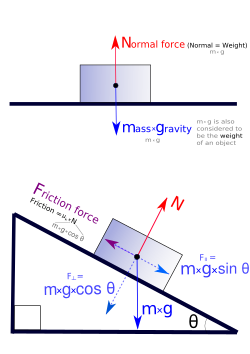
実際の解析では、物体に作用するすべての力を矢印で示した「自由体図」を用いて、力の大きさと方向を分解・合成し、物体の挙動を決定します。
作用・反作用の法則(第三法則)
ある物体が別の物体に力を及ぼすと、同時に相手からも等しく反対方向の力が返ってきます。これを作用・反作用の法則と呼びます。閉じた系(外部から力が加わらない系)では、内部で発生するこれらの力は互いに打ち消し合うため、系全体の重心は加速しません。この原理は、系の線形運動量の保存則へとつながります。
古典力学における代表的な力の種類
自然界には多様な力が存在し、それぞれ異なるメカニズムで作用します。
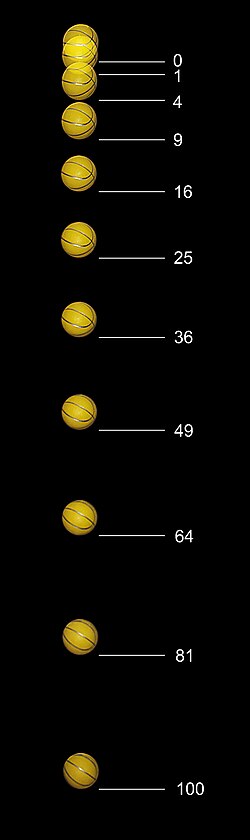
- 重力: 質量を持つすべての物体の間に働く引力です。ニュートンの万有引力の法則により、2つの物体の質量の積に比例し、距離の2乗に反比例することが示されています。
- 垂直抗力: 物体が接している面から受ける、面に垂直な方向の押し返す力です。
- 摩擦力: 物体が接地面を滑ろうとする際に、その運動を妨げる方向に働く力です。
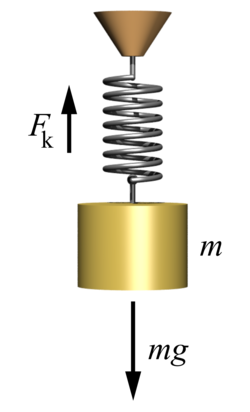
- 弾性力: バネなどの物体が変形した際に、元の形状に戻ろうとする力です。

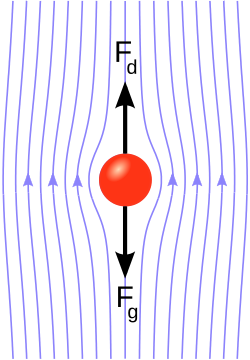
また、物体が落下する際、重力と空気抵抗(抗力)が釣り合うと、物体は一定の速度で落下し続けます。この状態を動的平衡と呼び、その時の速度を終端速度と言います。
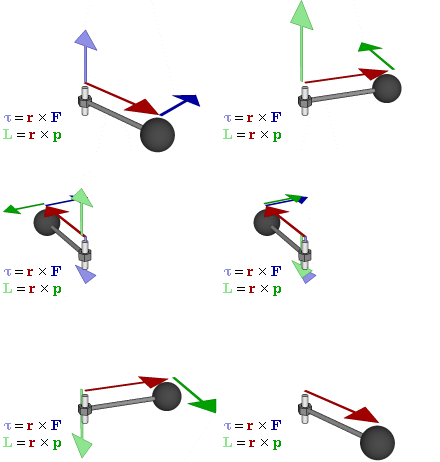
さらに、回転運動においては、力に加えてトルク(回転力)という概念が登場します。これは力の大きさと、回転中心からの距離、および角度によって決定されます。
現代物理学による力の再定義
相対性理論の影響
アインシュタインの特殊相対性理論では、物体の速度が光速(c)に近づくにつれ、慣性が増大します。そのため、同じ加速度を得るために必要な力は、ローレンツ因子(γ)によって増幅されます。速度が十分に低い場合はニュートンの F = ma で近似できますが、極限状態では四元ベクトルを用いた記述が必要となります。
量子力学と標準模型
原子レベルの微視的な世界では、力は「ゲージ粒子」と呼ばれる粒子の交換によって媒介されると考えられています。現代物理学の標準模型では、宇宙の基本相互作用を以下の4つに分類しています。
| 相互作用 | 作用する対象 | 媒介粒子 | 特徴 |
|---|---|---|---|
| 強い力 | クォーク、グルオン | グルオン | 最も強力だが短距離のみ作用 |
| 電磁気力 | 電荷を持つ粒子 | 光子 | 電荷による引力・斥力 |
| 弱い力 | クォーク、レプトン | W, Zボソン | 粒子の種類(フレーバー)を変える |
| 重力 | 質量・エネルギー | 重力子(未観測) | 最も弱いが無限遠まで届く |
例えば、中性子が陽子に崩壊する弱相互作用は、ファインマン図を用いて視覚的に表現されます。

また、重力波などの極めて微小な重力変動を検出するために、GRAVITYのような高度な観測装置が開発されています。
![Instruments like GRAVITY provide a powerful probe for gravity force detection.[73]](/images/25/14/251493f3f3511a2cd118d4fc1a6bb73b91765d0a71f68fc7a76fa700fb4e6870.jpg)
Frequently Asked Questions
力と質量は何が違うのですか?
質量は物体が持つ固有の量(動かしにくさ)であり、単位はキログラム(kg)です。一方、力は質量を持つ物体に加速度を与える作用であり、単位はニュートン(N)です。重力がある場所では、質量に重力加速度を掛けたものが「重さ(力)」となります。
「作用・反作用」と「力のつり合い」はどう違うのですか?
力のつり合いは、一つの物体に複数の力が働き、合力がゼロになる状態を指します。対して作用・反作用は、二つの異なる物体の間で互いに及ぼし合う力を指します。したがって、作用・反作用のペアが同じ物体に作用して打ち消し合うことはありません。
なぜ光速に近づくと加速させるのが難しいのですか?
相対性理論によれば、速度が増すと物体のエネルギーが増大し、それに伴い慣性(加速への抵抗)も増えるためです。光速に近づくほど、同じ加速度を得るために必要な力が指数関数的に増大するため、質量を持つ物体を光速まで加速させることは不可能です。
標準模型における「力の媒介」とはどういう意味ですか?
粒子同士が直接触れ合うのではなく、特定の粒子(ゲージボソン)をキャッチボールのようにやり取りすることで、互いに引き合ったり反発したりすることを指します。例えば、電磁気力は光子の交換によって実現しています。
ヤンク(Yank)とは何ですか?
ヤンクとは、単位時間あたりの力の変化率(力の時間微分)のことです。加速度の変化率であるジャーク(Jerk)に対応する概念であり、バイオメカニクスなどの分野で重要な変数として扱われます。
References
- Cohen, Michael. "Classical Mechanics: a Critical Introduction" (PDF). . Archived (PDF) from the original on July 3, 2022. Retrieved January 9, 2024.
- (1897). The Works of Archimedes. Cambridge University Press. Retrieved 2007-10-14 – via .
- ; ; (1982). (6th ed.). Addison-Wesley. pp. 18–38. .
- ; ; (2010). (New millennium ed.). New York: Basic Books. .
- Kleppner, Daniel; Kolenkow, Robert J. (2014). "Chapter 3: Forces and equations of motion". An Introduction to Mechanics (2nd ed.). Cambridge: Cambridge University Press. .
- Weinberg, S. (1994). Dreams of a Final Theory. Vintage Books. .
- Lang, Helen S. (1998). The order of nature in Aristotle's physics : place and the elements. Cambridge: Cambridge Univ. Press. .
- Hetherington, Norriss S. (1993). Cosmology: Historical, Literary, Philosophical, Religious, and Scientific Perspectives. Garland Reference Library of the Humanities. p. 100. .
- Sorabji, Richard (2010). "John Philoponus". Philoponus and the Rejection of Aristotelian Science (2nd ed.). Institute of Classical Studies, University of London. p. 47. . 44216227. 878730683.
- (1982). Sargent, Steven D. (ed.). On the Threshold of Exact Science. University of Pennsylvania Press. p. 79. . 495305340.
📸 フォトギャラリー