北米大陸の広大な自然の中で育まれた先住民の食文化は、単なる栄養摂取の手段ではなく、土地への深い敬意と共生に基づいた知恵の結晶です。地域ごとの気候や生態系に合わせ、狩猟、採集、そして高度な農耕技術を組み合わせることで、多様で豊かな食卓が築かれてきました。
Key Facts
- トウモロコシは北米全土の先住民にとって不可欠な主食であり、高度な栽培技術が用いられていた。
- メープルシロップや砂糖の製造は、北米北東部の先住民が世界で初めて始めたとされる。
- 保存食の知恵として、肉や魚を乾燥させたジャーキーや、脂肪と肉を混ぜたペミカンなどが活用された。
- 地域的な多様性があり、北西部のサケ、大平原のバイソン、南西部のサボテンなど、環境に応じた食材が選ばれている。
- 現代への継承として、伝統的な食材を再評価するシェフやレストランが各地で活動している。
地域別に見る伝統的な食材と食習慣
北東部および南東部の森林地帯
豊かな森林に囲まれた地域では、野生の米(ワイルドライス)やナッツ類が重要な資源でした。特にワイルドライスは、ミネソタ州やウィスコンシン州などの伝統的な食材として親しまれています。
![Wild rice is a native traditional food of Minnesota, Wisconsin, Michigan, and some areas of North Dakota.[1]](/images/0a/c2/0ac2c117464900a6f83dc27e12c5731890023ae98cdf5e1d80e6c7a7562b9f4c.jpg)
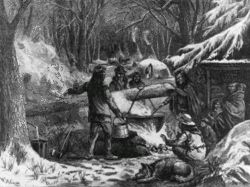
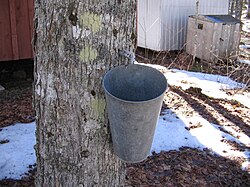
また、この地域の先住民は、カエデの樹液からシロップや砂糖を作る技術を確立していました。これは北米における初期の製糖文化の原点と言えます。
大平原と北西部
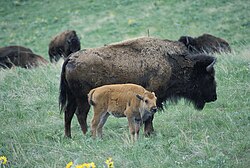
広大な草原が広がる大平原地域では、バイソン(アメリカンバッファロー)が食生活の中心でした。肉は新鮮な状態で食べられるだけでなく、長期保存が可能な形態に加工されました。
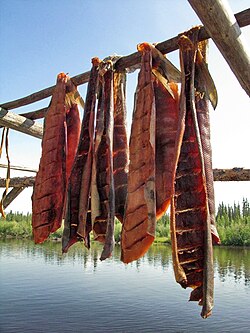
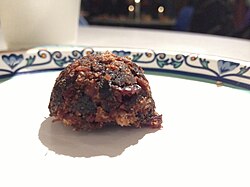
保存食の代表例であるペミカンは、乾燥させた肉と脂肪、ベリー類を混ぜ合わせた高エネルギー食品で、過酷な環境下での生存を支えました。また、北西部ではサケの乾燥保存が一般的でした。
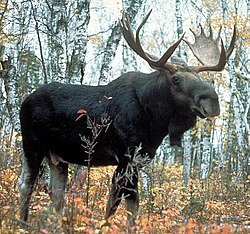
北部の寒冷地では、ムースなどの大型野生動物も重要なタンパク源となっていました。
南西部とメソアメリカ
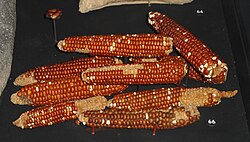
乾燥した地域では、トウモロコシの栽培が極めて重要な役割を果たしました。トウモロコシは単なる作物ではなく、文化的な象徴でもあり、多様な調理法で食卓に並びました。
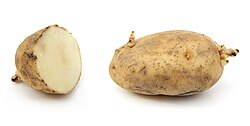
南西部では、サボテンの若芽(ノパレス)や、乾燥に強い豆類、そしてチリペッパーなどの調味料が活用されました。また、アンデス地方を含む南米地域では、ジャガイモやキヌア、アマランサスといった栄養価の高い作物が栽培されていました。
伝統的な料理と調理法
トウモロコシをベースにした料理
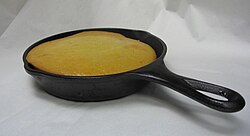
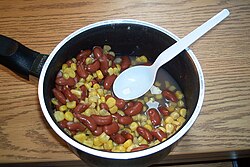
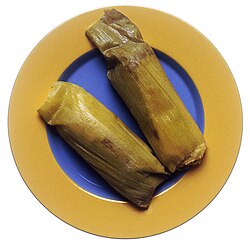
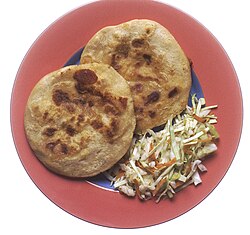
トウモロコシは、粉にして焼く「コーンブレッド」や、豆と一緒に煮込んだ「サコタッシュ」など、多彩な料理に変化します。メソアメリカ地域では、トルティーヤやタマル、ププサといった伝統的な主食へと発展しました。
自然の恵みを活かしたその他の食材
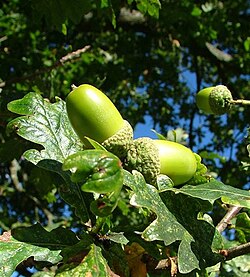
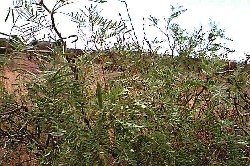
森の恵みであるドングリは、タンニンを除去して粉にし、パンや粥(マッシュ)として利用されました。また、メスキートの豆鞘を乾燥させて粉にしたものは、パンに甘みとナッツのような風味を加えるために使われました。
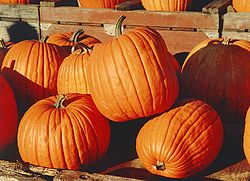
カボチャなどのウリ科の植物も広く栽培され、保存性の高い食材として重宝されました。
調理器具と技法
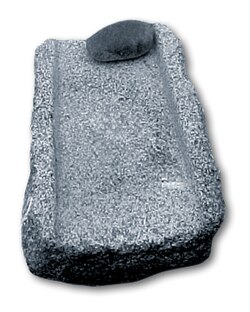
食材を粉にするための石臼(メタテ)とすり石(マノ)は、トウモロコシや種子を加工するために不可欠な道具でした。これにより、効率的に粉末状の食材を作り出すことができました。
中南米の先住民料理
カリブ海周辺や南米の先住民文化では、魚介類や独特の野生動物が食卓を彩りました。ペルーなどの沿岸部では、新鮮な魚を酸で締めるセビーチェが発展し、アンデス山脈の地域では、家畜化したリャマや、食用に飼育されたクイ(天竺鼠)が重要なタンパク源となりました。
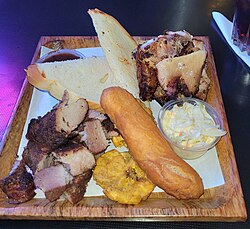
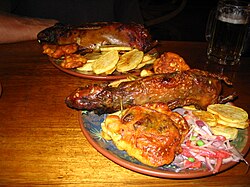
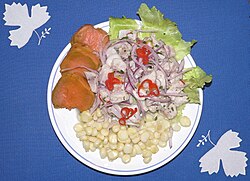
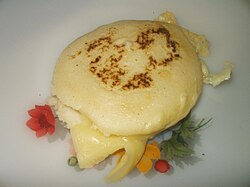
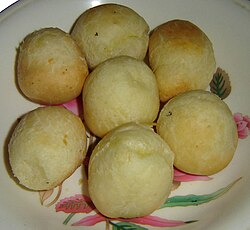
また、トウモロコシをベースにしたアレパや、チーズを混ぜたチパなどのパン類も、地域ごとの特色を持って受け継がれています。
伝統食材まとめ
| カテゴリー | 代表的な食材・料理 | 主な特徴・用途 |
|---|---|---|
| 穀類・種子 | トウモロコシ、キヌア、ワイルドライス | 主食としての利用、粉末化してパンや粥に |
| 野生動物 | バイソン、サケ、ムース、クイ | 主要なタンパク源、乾燥させて保存食に |
| 植物・果実 | カボチャ、ベリー類、ドングリ、サボテン | ビタミン源、天然の甘味料、補助食 |
| 甘味料・調味料 | メープルシロップ、チリペッパー、塩 | 風味付け、保存性の向上、エネルギー補給 |
Frequently Asked Questions
先住民の料理で最も重要な食材は何ですか?
多くの地域でトウモロコシが最も重要な主食でした。栽培技術の向上により、北米全土から中南米にかけて、パン、スープ、飲料など多様な形で利用されました。
ペミカンとはどのような食品ですか?
乾燥させた肉、動物性脂肪、ベリー類を混ぜ合わせて固めた保存食です。非常に栄養価が高く、腐敗しにくいため、大平原の狩猟採集民にとって重要な生存食となりました。
メープルシロップは誰が作り始めたのですか?
北米北東部に居住していた先住民たちが、世界で初めてカエデの樹液からシロップや砂糖を製造したことで知られています。
伝統的な調理器具にはどのようなものがありましたか?
代表的なものに、石製のすり鉢や石臼(メタテとマノ)があります。これらを用いてトウモロコシやナッツ類を粉状に挽き、料理のベースを作っていました。
現代でもこれらの料理は食べられていますか?
はい。伝統的なレシピを継承する家庭だけでなく、現代的なアプローチで先住民料理を再定義するシェフや、専門のレストラン(Indian Pueblo Kitchenなど)を通じて、その文化が受け継がれています。
References
- "Native American Food: Agriculture, Hunting and Gathering, Fishing, and other American Indian food sources". Archived from the original on December 18, 2018. Retrieved December 18, 2018.
- "Welcome to NativeTech: Indigenous Food and Traditional Recipes". NativeTech: Native American Technology & Art. Archived from the original on February 19, 2009. Retrieved August 23, 2008.
- "The Native American Culinary Association Forum Index". The Native American Culinary Association. Archived from the original on April 22, 2007.
- Severson, Kim (November 23, 2005). "Native Foods Nourish Again". The New York Times. Retrieved January 21, 2015.
- Usher, Peter J (1976). "Evaluating Country Food in the Northern Native Economy" (PDF). Arctic. 29 (2). Arctic Institute of North America: 105–120. :10.14430/arctic2795. 40509261. Archived (PDF) from the original on June 30, 2020. Retrieved November 25, 2022.
- Wein, Eleanor E.; et al. (1990). "Food Consumption Patterns and Use of Country Foods by Native Canadians near Wood Buffalo National Park, Canada". Arctic. 44 (3): 196–206. :10.14430/arctic1539.
- https://www.enr.gov.nt.ca/sites/enr/files/weights_of_wildlife.pdf Archived December 31, 2019, at the "in deriving estimates of the economic value of wildlife used as food (known in northern Canada as country food or traditional food)..." page 2
- "18.4 Trends in country food use in NWT regions". NWT State of the Environment Report (Report). Government of Northwest Territories. 2022. Retrieved November 25, 2022.
- https://www.enr.gov.nt.ca/sites/enr/files/weights_of_wildlife.pdf Archived December 31, 2019, at the page 16
- Ashley, pg 22
📸 フォトギャラリー