反シオニズムとは、パレスチナ地域におけるユダヤ人国家の建設を目指す「シオニズム」という思想や運動に対する反対姿勢を指します。この概念は単一の思想ではなく、宗教的、政治的、人道的な理由から構成される非常に多様な現象です。共通しているのは、1948年のイスラエル建国や、そのプロセスにおける正当性に疑問を投げかけている点にあります。
Key Facts
- 多様な支持層: ユダヤ教正統派、世俗的なユダヤ人、アラブ人、左派政治団体など、幅広い層に支持者が存在する。
- 時代による変遷: 建国前は「国家建設への反対」が主だったが、建国後は「国家の存在そのものへの反対」へと焦点が移った。
- 宗教的根拠: 一部の超正統派ユダヤ教徒は、メシアの到来前に人間が国家を作ることは神の意に反すると考える。
- 政治的根拠: パレスチナ人にとって、建国に伴う大量強制退去(ナクバ)は植民地的な剥奪であると捉えられている。
- 複雑な関係性: 反シオニズムと反ユダヤ主義は概念的に区別されるが、歴史的に混同されたり、利用されたりしてきた経緯がある。
建国前の反シオニズム:ユダヤ社会内部の葛藤
第二次世界大戦以前、シオニズムへの反対はユダヤ人コミュニティの間で一般的でした。その理由は大きく分けて二つの潮流がありました。一つは啓蒙主義的な普遍主義を支持する世俗的な批判者たちで、彼らは特定の民族主義的な国家建設が近代的な価値観にそぐわないと考えました。もう一つは神学的な理由による反対で、ユダヤ国家の成立は人間による政治的行動ではなく、メシアの降臨によってのみ成し遂げられるべきだとする正統派の視点です。
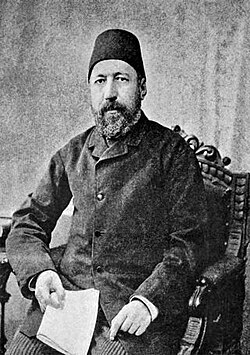
しかし、1930年代にナチス・ドイツが台頭し、ヨーロッパでのユダヤ人の状況が急速に悪化すると、状況は一変しました。ホロコーストという未曾有の悲劇を経て、生存のための避難先としての国家建設を求める声が圧倒し、ディアスポラ(離散)のユダヤ人の間ではシオニズムへの支持が急速に高まりました。
アラブ世界と国際的な反応
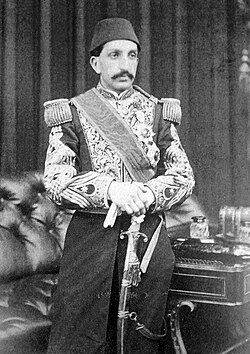
パレスチナ地域に根ざすアラブ人や、当時の統治者であったオスマン帝国にとっても、シオニズムは脅威として映りました。オスマン帝国のスルタン、アブデュルハミト2世は、パレスチナの領土を確保するため、強い反シオニズムの立場を維持しました。
また、1917年のバルフォア宣言(イギリスがユダヤ人のナショナルホーム建設を支持した宣言)に対しても、強い反発が起こりました。イギリス政府内部にいた唯一の高官ユダヤ人であるエドウィン・モンタギは、この宣言が結果的に反ユダヤ主義を助長すると警告し、反対の意を表明しました。
![The August 1917 memorandum by Edwin Montagu, the only Jew then in a senior British government position,[40] stating his opposition to the pro-Zionist Balfour Declaration, which he described as "antisemitic in result"[36]](/images/c9/e1/c9e1e14b233b79b1abe98a026ee22c14d24188dd186be3a5b112a47f6e43545b.jpg)
1920年代に入ると、パレスチナ現地ではムスリムやキリスト教徒による大規模な反シオニズムデモが発生し、土地の権利や民族自決を求める動きが激化していきました。
![The first large-scale anti-Zionist demonstrations in Palestine, March 1920, during the Occupied Enemy Territory Administration.[45] The crowd of Muslim and Christian Palestinians are shown outside Damascus Gate, Old City of Jerusalem.](/images/06/58/0658e8a50cb926940a66a3c4329e0b91623ca98c6f88fd0ec3d57a0cd5bc3944.jpg)
建国後の変容と現代の対立軸
1948年のイスラエル建国とそれに伴うパレスチナ戦争により、反シオニズムの性質は大きく変化しました。それまでの「建国プロセスへの反対」から、「イスラエルという国家の存在そのものへの反対」へと移行したのです。特に、多くのパレスチナ人が故郷を追われたナクバ(大災厄)は、現代のパレスチナ民族主義における反シオニズムの核心的な根拠となっています。
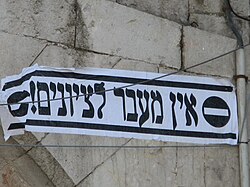
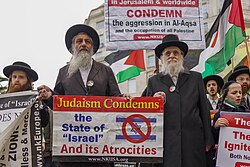
戦後の冷戦期には、ソ連や東欧諸国が政治的な目的から反シオニズムを掲げました。一方で、ユダヤ教内部では、アメリカ・ユダヤ主義評議会などの組織が引き続きこの思想に反対し続けました。また、超正統派のグループ(ネトゥレイ・カルタなど)は、宗教的信念に基づき、現在もイスラエル国家を認めず、パレスチナとの連帯を示す活動を行っています。
思想的アプローチの多様性
- 左派的視点: 反帝国主義や反植民地主義の観点から、イスラエルの政策を批判する。
- イスラム主義的視点: 宗教的な聖地としてのパレスチナの回復を重視する。
- 超正統派ユダヤ教: 神の計画に反する人間による国家建設を否定する。
反シオニズムと反ユダヤ主義の境界線
現代において最も激しく議論されているのが、反シオニズムと反ユダヤ主義(ユダヤ人への差別や憎悪)の関係です。この議論には主に三つの視点が存在します。
| 視点 | 主張の内容 |
|---|---|
| 不可分説 | 反シオニズムは本質的に、あるいはほぼ常に反ユダヤ主義の一形態であるとする考え。 |
| 条件付き相関説 | 両者は必ずしも同一ではないが、反シオニズムが反ユダヤ主義的な動機や表現に利用されることがあるとする考え。 |
| 独立説 | 政治的な国家体制への反対(反シオニズム)と、民族・宗教への憎悪(反ユダヤ主義)は全く別物であるとする考え。 |
歴史的に見ても、ソ連などの体制が「反シオニズム」を掲げながら、実際には反ユダヤ的な感情を煽った事例がある一方で、純粋に政治的な権利回復を求める運動も存在しており、その境界線は極めて複雑です。
Frequently Asked Questions
反シオニズムと反ユダヤ主義は同じものですか?
いいえ、概念的には異なります。反シオニズムはイスラエルという「政治的な国家建設や体制」への反対であり、反ユダヤ主義は「ユダヤ人という民族や宗教」に対する差別や憎悪を指します。ただし、現実の政治状況において、一方が他方の隠れ蓑として利用されるケースがあるため、議論が分かれています。
ユダヤ人が反シオニズムを支持するのはなぜですか?
理由は主に二つあります。一つは宗教的な理由で、メシアが来るまで人間が国家を作ることは禁じられていると考える超正統派の信念です。もう一つは世俗的な理由で、民族主義的な国家建設よりも、普遍的な人権や民主主義、あるいは共存を重視する思想に基づいています。
「ナクバ」とは何ですか?
1948年のイスラエル建国に伴うパレスチナ戦争の際、多くのパレスチナ人が故郷を追われ、難民となった出来事を指します。アラビア語で「大災厄」を意味し、多くのパレスチナ人にとって反シオニズムの根源的な歴史的経験となっています。
反シオニズムはどのような政治的立場から支持されていますか?
非常に多岐にわたります。パレスチナ民族主義者、アラブ民族主義者、反帝国主義を掲げる左派、そして一部のキリスト教徒や超正統派ユダヤ教徒などが含まれます。共通しているのは、イスラエルの建国過程や現在の統治形態に不当性があると考えている点です。
References
- "Though a little religious support for Zionism existed, 'the majority of Orthodox leaders condemned Zionism from its very outset,' particularly the rabbis of Eastern Europe. Their concerns were twofold: they feared that Zionists were overidealistic and were misleading the Jewish people about what was possible; they were also concerned that the Zionist millennial vision was an attempt to preempt the Messiah." (, p. 70)
- "in the language of the Hebrew prophets, the Return to the Land of the Fathers belonged to the end of history, to Aharit hayamim, to the coming of the Messiah and the establishment on earth of the Kingdom of God," (, p. 98)
- The communist party nonetheless did create an , , in 1931 (, p. 335).
- "If Mr. Herzl is as much of a friend to you as you are to me [he said], then advise him not to take one further step in this matter. I cannot sell a single foot of this land; it does not belong to me but to my people. My people have won this empire with their blood.... We will again drench it with our blood before we let it be wrested from us.... The Turkish Empire belongs not to me, but to the Turkish people. Let the Jews save their billions. When my empire is carved up, they might even get Palestine for nothing. But only our corpse will be divided. I will not consent to a vivisection."
- 'Qui peut contester les droits des Juifs sur la Palestine ? Mon Dieu, historiquement, c'est bien votre pays ! Et quel spectacle merveilleux ça serait si les Juifs, si doués, étaient de nouveau reconstitués en une nation indépendante, respectée, heureuse, pouvant rendre à la pauvre humanité des services dans le domaine comme autrefois! Malheureusement, les destinées des nations ne sont point gouvernées seulement par ces conceptions abstraites, si pures, si nobles qu'elles puissent être. Il faut compter avec la réalité, avec les faits acquis, avec la force brutale des circonstances. Or la réalité est que la Palestine fait maintenant partie intégrale de l'Empire Ottoman et, ce qui est plus grave, elle est habitée par d'autres que des Israélites. Cette réalité, ces faits acquis, cette force brutale des circonstances ne laissent au zionisme [sic], géographiquement aucun espoir de réalisation, et ce qui est surtout important, menacent d'un vrai danger la situation des Juifs en Turquie. Certes, les Turcs et les Arabes sont généralement bien disposés envers vos coreligionnaires. Cependant, il y a parmi eux aussi des fanatiques, eux aussi, comme toutes les autres nations même les plus civilisées, ne sont pas exempts des sentiments de haine de race. En outre, il y a en Palestine des chrétiens fanatiques, surtout parmi les orthodoxes et les catholiques qui, considérant la Palestine comme devant appartenir à eux seulement, sont très jaloux des progrès des Juifs dans le pays de leurs ancêtres et ne laissent passer aucune occasion pour exciter la haine des musulmans contre les Juifs. Il faut donc, pour la tranquillité des Juifs en Turquie, que le mouvement sioniste, dans le sens géographique du mot, cesse. Que l'on cherche un endroit quelque part pour la malheureuse nation juive, rien de plus juste et équitable. Mon Dieu, la terre est assez vaste, il y a encore des pays inhabités où l'on pourrait placer des millions d'israélites pauvres, qui y deviendront peut-être heureux et un jour constitueraient une nation. Ça serait peut-être la meilleure, la plus rationnelle solution de la question juive. Mais, au nom de Dieu, qu'on laisse tranquille la Palestine.'
- 'L'auteur de cette lettre admet qu'il peut exister un droit historique des Juifs à s'établir en Palestine. Mais il écarte immédiatement cette perspective au nom des réalités géographiques du moment. Et surtout il entrevoit que le sionisme peut contribuer à éveiller le nationalisme arabe local en réunissant dans une même opposition Chrétiens et Musulmans. La suite des événements confirme cette analyse.'
- It has been argued that the document itself emerged from a milieu where antisemitic views were commonplace. In 1914, Chaim Weizmann reportedly told Arthur Balfour, "We too are in agreement with the cultural anti-Semites, in so far as we believed that Germans of the Mosaic faith are an undesirable, demoralizing phenomenon."[] Balfour had "introduced the ... aimed specifically at restricting admission of Jewish immigrants from Eastern Europe. He warned Parliament at the time that the Jews 'remained a people apart.'"
- The Ottoman census of 1914 arrives as 722,000 resident citizens of Palestine: 83% Muslim (602,000), Christian 11.2 (81,000) and 5% Jewish (39,000) The British army's estimate for the last put the last figure at 65,000 by war's end (, pp. 137–138).
- The massacre occurred on 10 December 1918 when Australian, New Zealand and Scottish soldiers attacked the village of , killing approximately 50 male villagers. It occurred in response to the murder of a New Zealand soldier by a thief, though ultimately resulting from longstanding tensions between occupying Allied troops and local residents. was infuriated by the massacre, publicly condemning its perpetrators, but his attempts to pursue the matter were frustrated by resistance from his staff and other officials. (, p. 480)
- The British anti-Zionist believed that the Arabs were "economically powerless against such a strong movement" and thus needed protection. Charles Anderson writes that Hope Simpson was also "wary of the gulf between Zionist rhetoric and practice, observing that 'The most lofty sentiments are ventilated in public meetings and Zionist propaganda' but that the and other organs of the movement did not uphold or embody a vision of cooperation or mutual benefit with the Arabs."
📸 フォトギャラリー
![Dutch Jewish lawyer, journalist, and poet Jacob Israël de Haan became active against Zionism after having migrated to Palestine. In 1924, Haganah member Avraham Tehomi assassinated de Haan in Jerusalem on the orders of leader Yitzhak Ben-Zvi before de Haan was due to go to London to advocate against Zionism.[12][13][14][15]](/images/22/2c/222c6188f071a1a04a3b2c10aa21b4dd80750b643faa48d667828f49885d77a8.jpg)
![In 1938, Henryk Ehrlich of the General Jewish Labour Bund in Poland wrote: "the Zionists regard themselves as second class citizens in Poland. Their aim is to be first class citizens in Palestine and make the Arabs second class citizens" and "Zionism, in point of fact, has always been a Siamese twin of antisemitism."[56][57]](/images/8c/95/8c9550d07a875fa4c43942815a8a41435432ab7d6f757feda8b3f31ece38c186.jpg)
![In an issue of the newspaper Falastin from June 1936, early in the Great Palestinian Revolt, an illustration depicts Zionism as a crocodile under the protection of a British officer with industrial military vehicles telling Palestinian Arabs: "don't be afraid!!! I will swallow you peacefully...".[62]](/images/b9/0f/b90f1f2b550db2ce41ffe3036a572edd543ee674f0b1d2f6568bcfd34d82e7c3.png)