人類が夜空を見上げ、天体の動きを理解しようとしたとき、最初に出会ったのは「地球が世界の中心である」という直感的な感覚でした。しかし、観測技術の向上と数学的な思考の深化により、私たちは地球が太陽の周りを回る地動説(Heliocentrism)という概念に到達します。これは単なる天文学的な修正ではなく、人類の宇宙における立ち位置を根本から変えた知的な革命でした。
Key Facts
- 地動説の定義:太陽を宇宙の中心に置き、地球を含む惑星がその周囲を公転するというモデル。
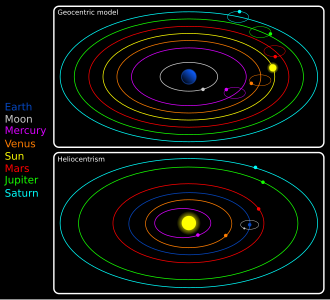
- 天動説からの転換:地球を中心とする天動説(Geocentrism)を塗り替え、近代天文学の基礎となった。
- 主要な貢献者:コペルニクスが数学的モデルを提示し、ケプラーが楕円軌道を証明し、ガリレオが望遠鏡による観測証拠を示した。
- 現代の視点:相対性理論の登場により、宇宙に絶対的な中心は存在しないという考え方に移行している。
古代から中世へ:地動説の萌芽
地動説のアイデアは、ルネサンス期に突然現れたわけではありません。紀元前5世紀頃、クロトンのフィロラオスは、地球が球体であり、宇宙を制御する「神秘的な中心火」の周りを回っていると考えました。その後、紀元前3世紀にはサモスのアリスタルコスが、地球が太陽の周りを公転するという概念を提唱しました。
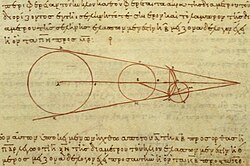
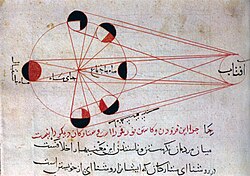
しかし、これらの先駆的な視点は当時の主流であった天動説に押され、中世ヨーロッパではほとんど注目されませんでした。一方で、イスラム圏やインドでは独自の発展が見られました。ペルシャのマラガ天文学校では地球の自転を含む非プトレマイオス的なモデルが研究され、インドのニラカンタ・ソマヤージは、惑星が太陽を回り、その太陽がさらに地球を回るという、後のティコ・ブラーエに近い計算体系を構築していました。
コペルニクス革命と数学的アプローチ
16世紀、ポーランドの聖職者であり天文学者でもあったニコラウス・コペルニクスが、地動説を単なる哲学的な推測から、予測可能な幾何学的天文学へと昇華させました。彼は著書『天球の回転について』において、太陽を中心とする体系を詳細に論じました。
![Portrait of Nicolaus Copernicus (1578)[c]](/images/4b/b8/4bb80de26afb0bbabf16cc248c0cf518b62efc89410bb39f3640c9a81c2df63d.jpg)
コペルニクスの最大の功績は、惑星が時折逆方向に動くように見える「逆行」という現象を、地球が他の惑星を追い越す際に起こる視覚的な錯覚(視差効果)として説明したことです。これにより、天動説で必要だった複雑な周転円の多くを排除することができました。
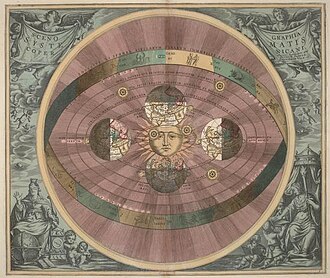
当時の宗教的な反応は様々でしたが、出版当初は計算上の便宜的な仮説として扱われたため、大きな論争にはなりませんでした。しかし、このモデルは後の科学者たちに多大な影響を与え、宇宙観の転換を加速させました。
観測と理論の融合:ケプラーとガリレオ
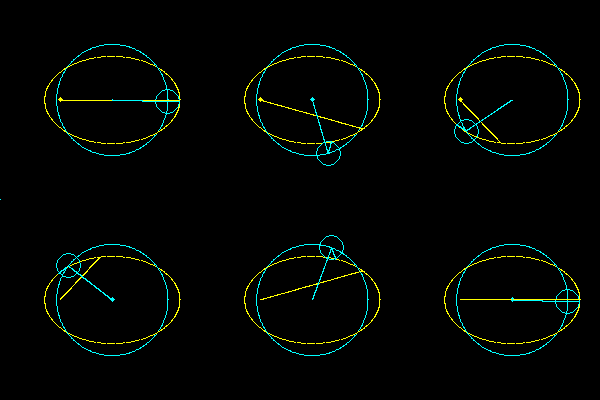
コペルニクスのモデルにはまだ不完全な点がありましたが、ヨハネス・ケプラーがティコ・ブラーエの精密な観測データを分析することで、決定的な突破口を開きました。ケプラーは、惑星の軌道が完全な円ではなく「楕円」であることを突き止め、太陽がその焦点の一つに位置することを証明しました。
![Johannes Kepler was one of the founders and fathers of modern astronomy, the scientific method, natural and modern science.[106][107][108]](/images/07/2d/072dfb3f9005b0c7d6dc7d37407eb7916f15645dc72221897d135657fa408887.jpg)
この楕円軌道の導入により、天体の位置予測精度は飛躍的に向上しました。一方で、ガリレオ・ガリレイは自作の望遠鏡を用いて、木星の衛星や金星の満ち欠けを観測し、すべての天体が地球を中心に回っているわけではないという物理的な証拠を提示しました。
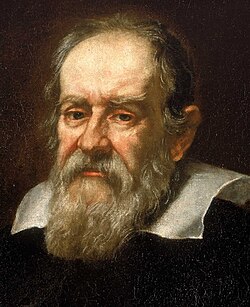
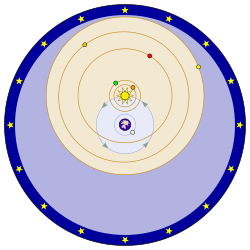
ガリレオの主張は当時のカトリック教会と激しく対立しましたが、彼の観測結果は地動説の正当性を裏付ける強力な武器となりました。また、ティコ・ブラーエは、月と太陽は地球を回り、他の惑星は太陽を回るという折衷的な「ティコ体系」を提案し、移行期の過渡的なモデルとなりました。
宇宙観の拡大と現代への移行
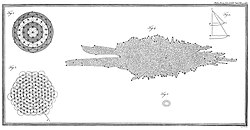
17世紀以降、地動説はさらに洗練され、宇宙の規模に対する認識が広がりました。18世紀にはウィリアム・ハーシェルが天の川銀河の構造をモデル化し、太陽系が広大な銀河の一部であることを示唆しました。
その後、アインシュタインの相対性理論が登場すると、「宇宙の中心」という概念自体が再定義されました。現代天文学では、宇宙に絶対的な中心や特権的な参照系は存在せず、観測者の視点によって相対的に記述されるという考え方が一般的です。
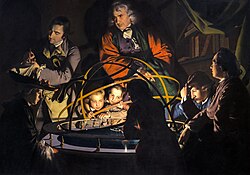
地動説から始まったこの旅は、私たちに「人間は宇宙の特別な中心にいるのではなく、広大な宇宙の中の小さな一部である」という謙虚な視点を与えてくれました。
天文学モデルの変遷まとめ
| モデル名 | 中心となる天体 | 主な特徴 | 代表的な人物 |
|---|---|---|---|
| 天動説 | 地球 | 地球が静止し、全天体がその周囲を回る | プトレマイオス |
| コペルニクス体系 | 太陽 | 円軌道による地動説の数学的提示 | コペルニクス |
| ティコ体系 | 地球(一部太陽) | 太陽は地球を回り、惑星は太陽を回る | ティコ・ブラーエ |
| ケプラー体系 | 太陽 | 楕円軌道の導入による高精度な予測 | ヨハネス・ケプラー |
| 現代宇宙論 | なし(中心不在) | 相対性理論に基づく非中心的な宇宙 | アインシュタイン他 |
Frequently Asked Questions
地動説はコペルニクスが最初に考え出したのですか?
いいえ。紀元前3世紀のサモスのアリスタルコスなどが、コペルニクスよりずっと前に地球が太陽の周りを回るという考えを提唱していました。コペルニクスの功績は、それを数学的なモデルとして体系化し、予測可能な科学へと高めた点にあります。
なぜ当時の人々は地動説を信じなかったのでしょうか?
日常的な感覚として、地面が動いている実感がないことや、当時の宗教的な教義(人間が住む地球が世界の中心であるべきという考え)が強く影響していたためです。
ケプラーが発見した「楕円軌道」は何が重要だったのですか?
それまでの地動説でも「完全な円」で軌道を説明しようとしていましたが、実際にはわずかにずれていたため、予測に誤差がありました。楕円を採用することで、天体の位置を極めて正確に計算できるようになりました。
現代では地動説はもう古い考え方なのですか?
太陽系という局所的な範囲では、惑星が太陽の周りを回っているため地動説的な視点は有効です。しかし、宇宙全体で見れば、相対性理論により「絶対的な中心」は存在しないため、より広範な宇宙論へと進化しています。
ガリレオはどのような証拠で地動説を支持したのですか?
望遠鏡を用いて、木星の周りを回る衛星(地球以外を中心に回る天体の存在)や、金星が月のように満ち欠けすること(太陽の周りを回っている証拠)を観測し、天動説では説明できない事実を提示しました。
References
- Optionally capitalised, Heliocentrism or heliocentrism, according to . The term is a learned formation based on (ἥλιος) "Sun" and kentron (κέντρον) "center"; the adjective heliocentric is first recorded in English (as heliocentrick) in 1685, after heliocentricus, in use from about the same time (as in , Prodromus biceps cono ellipticæ et a priori demonstratæ planetarum theorices, 1679). The abstract noun in is more recent, recorded from the late 19th century (e.g. in Constance Naden, Induction and Deduction: A Historical and Critical Sketch of Successive Philosophical Conceptions Respecting the Relations Between Inductive and Deductive Thought and Other Essays), modelled after German Heliocentrismus or Heliozentrismus (c. 1870).
- According to , the heliocentric view was expounded in ' work on gravity.
- The image shows a woodcut by Christoph Murer, from Nicolaus Reusner's Icones (printed 1578), allegedly after a (lost) self-portrait by Copernicus himself; the Murer portrait became the template for a number of later (17th century) woodcuts, copper engravings and paintings of Copernicus.
- On the other hand, Calvin is not responsible for another famous quotation which has often been misattributed to him: "Who will venture to place the authority of Copernicus above that of the Holy Spirit?" It has long been established that this line cannot be found in any of Calvin's works. It has been suggested that the quotation was originally sourced from the works of theologian .
📸 フォトギャラリー