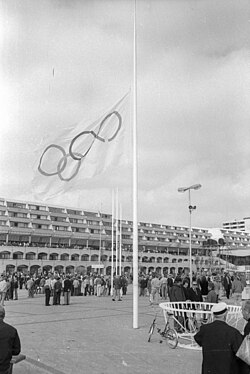
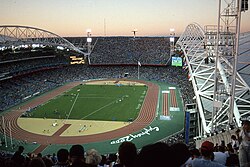
世界最大のスポーツの祭典である夏季オリンピックは、単なる競技会を超え、人類の身体能力の限界への挑戦と国際的な連帯を象徴するイベントです。19世紀末に近代的な形式で復活して以来、大会は規模を拡大し、社会情勢や時代の変化に合わせてその姿を変えてきました。
初期の小規模な大会から、数万人規模の選手と観客が集う現代のメガイベントに至るまで、オリンピックがどのように進化してきたのか。その足跡を辿ります。
Key Facts
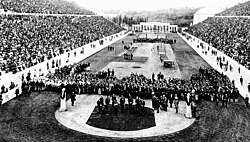
- 近代大会の始動: 1896年にギリシャのアテネで第1回大会が開催されました。
- 開催の空白: 世界大戦の影響により、1916年、1940年、1944年の大会は中止となりました。
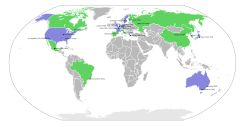
- 最多開催国: アメリカ合衆国が過去に最も多く大会をホストしています。
- 近年の特例: 2020年東京大会は、新型コロナウイルス感染症(COVID-19)の影響で2021年に延期され、無観客形式で実施されました。
- 今後の展望: 2028年のロサンゼルス、2032年のブリスベンでの開催が決定しています。
近代オリンピックの歩みと展開
黎明期から世界的な普及まで
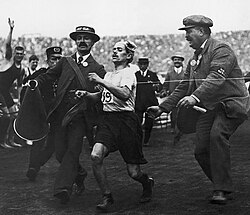
近代オリンピックは、ピエール・ド・クーベルタン男爵らの尽力により、1896年にアテネで産声を上げました。当初は限られた競技数と参加国でしたが、1900年のパリ、1904年のセントルイス大会を経て、徐々に世界的な認知度を高めていきました。
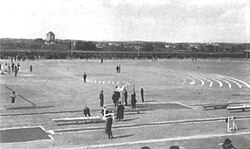
20世紀初頭には、マラソンの距離が確定した1908年のロンドン大会など、競技ルールの整備が進みました。しかし、その歩みは平坦ではなく、二度の世界大戦という歴史的悲劇によって、数回の大会中止を余儀なくされています。
戦後の拡大と政治的背景
第二次世界大戦後の1948年ロンドン大会から、オリンピックは再び活気を取り戻します。冷戦時代に入ると、ソビエト連邦やアメリカ合衆国といった超大国によるメダル争いが激化し、スポーツを通じた国威掲揚の側面が強まりました。
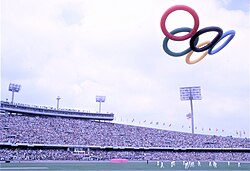
1960年代以降は、1964年の東京大会や1968年のメキシコシティ大会(ラテンアメリカ初開催)など、開催地が世界各地へ分散し、真の意味でのグローバルイベントへと成長しました。
現代の課題と新たな形態
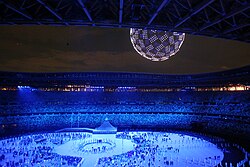
21世紀に入ると、シドニー大会(2000年)に代表される「新千年紀」の祝祭としての側面を持つ一方、テロなどの悲劇やパンデミックといった予期せぬ困難にも直面しました。特に2020年の東京大会では、公衆衛生上の理由から観客を排除するという、前例のない形式での開催となりました。
大会規模と実績のまとめ
オリンピックの規模は、参加国数および競技種目の増加に伴い、右肩上がりで拡大しています。以下の表は、主要な大会の変遷をまとめたものです。
| 開催年 | 開催都市 | 主な特徴・出来事 | メダル獲得数トップ国 |
|---|---|---|---|
| 1896 | アテネ | 近代オリンピックの第1回大会 | アメリカ |
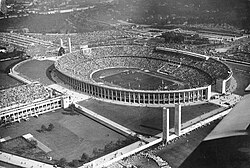
| 1936 | ベルリン | 政治的背景が強く影響した大会 | ドイツ |
| 1964 | 東京 | アジア初の開催 | アメリカ |
| 2000 | シドニー | ミレニアム・ゲームズとして知られる | アメリカ |
| 2020 | 東京 | パンデミックによる延期と無観客開催 | アメリカ |
| 2024 | パリ | 最新の開催大会 | アメリカ |
Frequently Asked Questions
オリンピックが開催されなかった年はありますか?
はい。第一次世界大戦の影響で1916年、また第二次世界大戦の影響で1940年と1944年の大会は中止となりました。
最も多く金メダルを獲得している国はどこですか?
歴史的に見て、アメリカ合衆国が最も多くの金メダルおよび総メダル数を獲得しています。
2020年東京オリンピックが2021年に開催されたのはなぜですか?
世界的に流行した新型コロナウイルス感染症(COVID-19)への対策として、選手の安全と公衆衛生を優先し、IOC(国際オリンピック委員会)の決定により延期されました。
今後の開催地は決まっていますか?
はい。2028年にはアメリカのロサンゼルス、2032年にはオーストラリアのブリスベンでの開催が予定されています。
夏季大会以外にどのような大会がありますか?
冬季オリンピックのほか、若手選手を対象としたユースオリンピック、また身体的障害を持つアスリートが集うパラリンピックなどが開催されています。
References
- The IOC site for the 1896, 1900 and 1904 Summer Olympic Games does not include (teams of athletes from different nations) as a separate "nation" when counting participating nations. At the same time, the IOC shows Mixed teams in the results of competitions where these teams competed. Thus, specified number of national teams plus Mixed teams participated in the Games.
- At an earlier time the IOC database for the 1900 Summer Olympics listed 85 medal events, 24 participating countries and 997 athletes (22 women, 975 men). The Olympic historian and author, , whose studies have shed light on the topic, suggested the number 95 events satisfying all four retrospective selection criteria (restricted to amateurs, international participation, open to all competitors and without handicapping) and now should be considered as Olympic events. In July 2021, the IOC upgraded its complete online database of all Olympic results explicitly to incorporate the data of the Olympic historians website, Olympedia.org, thus accepting Mallon's recommendation (based on four applied criteria) for events of the 1900 Olympic Games. The eleven events, the results of which had nevertheless been shown within the earlier IOC database, have been added over the former total of 85. Оne shooting event (20 metre military pistol, which was an event for professionals) has been removed. Acceptance of Mallon's recommendation increased the number of events to 95, and also entailed increasing the number of participating countries up to 26 and athletes up to 1226. After upgrading of the IOC online database the IOC web site results section contains 95 events. The IOC webpage for the 1900 Summer Olympics shows a total of 95 medal events, 26 participating countries and 1226 athletes. Furthermore, the IOC factsheet "The Games of the Olympiad" of November 2021 refers to 95 events, but still refers to old numbers of participating countries (24) and athletes (997).
- According to the International Olympic Committee, 26 nations sent competitors to this edition. The concept of "national teams" chosen by did not exist at this point in time. When counting the number of participating countries in the early Olympic Games, the IOC does not take into account otherwise unrepresented countries whose citizens competed for other countries. Modern research shows that at the 1900 Olympics, the athletes of at least four otherwise unrepresented countries (, , , New Zealand) competed for other countries in both individual and team sports. The IOC website lists all of them in the results section under their nationalities, but does not include their countries among the 26 participating countries.
- The IOC webpage for the 1904 Summer Olympics sets the number at 95 events, while at one time the IOC webpage listed 91. The figure of 91 is sourced to a work by Olympic historian and author, , whose studies have shed light on the topic. Events satisfying all four of these retrospective selection criteria of the early 20th century — restricted to amateurs, allowing international participation, open to all competitors and without handicapping — are now regarded as Olympic events.
- Although the Games of 1916, 1940, and 1944 were cancelled, the Roman numerals for those Games were still applied because the official titles of the Summer Games count the , not the Games themselves, per the Olympic Charter. This contrasts with the Winter Olympics, which ignore the cancelled Winter Games of 1940 and 1944 in their numeric count.
- The IOC webpage for the 1920 Summer Olympics gives the figure of 156 events, while at one time the IOC webpage listed 154 (difference was two sailing events in ).
- were held in Stockholm, Sweden, several months before the other events in Melbourne due to Australian quarantine laws. Stockholm had to bid for the equestrian competitions separately.
- The IOC webpage for the 1956 Summer Olympics gives a total of 151 events (145 events in Melbourne and six equestrian events in ).
- Five of the 72 nations that competed in the equestrian events in Stockholm did not attend the main Games in Melbourne.
- The 1972 Summer Olympics was originally scheduled to end on 10 September 1972, but was postponed by one day, to 11 September, after events had been suspended for 34 hours because of the , which happened after day 9.
📸 フォトギャラリー