人類は太古の昔から、夜空に輝く星々に深い関心を寄せてきました。単なる好奇心から始まった星の観察は、やがて暦の作成や航海術、そして宇宙の構造を解き明かす科学的な天文学へと進化しました。本記事では、先史時代の遺物から最新の宇宙望遠鏡に至るまで、人類がどのようにして宇宙の真理に近づいてきたのか、その壮大な歩みを辿ります。
主要な事実(Key Facts)
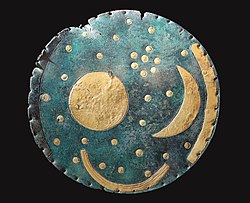
- 最古の天体描写: ドイツで発見された「ネブラ・スカイディスク」は、紀元前1600年頃の太陰太陽暦を調整するための天文時計であったと考えられています。
- 数学的基礎: メソポタミアのシュメール人は、現代でも使われている「円周360度」や「60進法」の基礎を築きました。
- 観測革命: 17世紀のガリレオによる望遠鏡の導入が、地球中心説(天動説)から太陽中心説(地動説)への転換を決定づけました。
- 恒星の正体: 18世紀後半、ウィリアム・ハーシェルらが星の分布を調査し、銀河系の構造や連星の存在を明らかにしました。
- 現代の視点: 20世紀以降、宇宙背景放射の観測やハッブル宇宙望遠鏡などの登場により、宇宙の膨張と進化の解明が進んでいます。
先史時代から古代の天文学
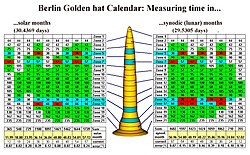
天文学の起源は、文字記録が残るよりもずっと前に遡ります。例えば、ドイツのミッテンベルク丘で発見されたネブラ・スカイディスク(紀元前1600年頃)は、金色のシンボルで満月、三日月、プレアデス星団が描かれており、太陽年と太陰月のズレを補正するための高度な知識を持っていたことを示しています。
また、世界各地で天体観測に基づいた構造物が作られました。エジプトのナブタ・プラヤにある巨石群や、シチリアのピッツォ・ヴェントにおける春分・秋分の日の日没観測などは、古代人が季節のサイクルを正確に把握していた証拠です。
![Megaliths from Nabta Playa, constructed by Neolithic populations,[39] located in Aswan, Upper Egypt. Excavations of the megalith structures were completed in 2008.[40]](/images/75/c2/75c29e8b3aa324de6d288e37edc6e87b5c60cadd7993582d64c368e42f934ce3.jpg)

メソポタミアとインドの貢献
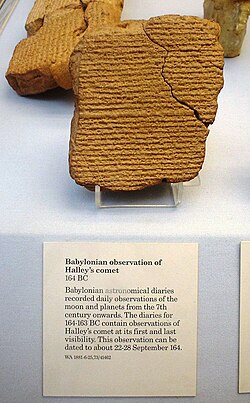
「川の間の土地」メソポタミアでは、シュメール人やバビロニア人が天文学を発展させました。彼らは楔形文字を用いて星のカタログを作成し、惑星を神格化する星辰神学を構築しました。特に、円を360度に分ける概念や60進法は、現代の時間や角度の単位として受け継がれています。
一方、インド亜大陸ではインダス文明時代から暦の作成に天文学が利用されていました。最古の天文テキストとされる『ヴェーダ・ジャヨーティシャ』(紀元前1350年頃)では、儀式のために太陽と月の動きを追跡する規則が記されており、独自の時代区分(ユガ)に基づいた計算が行われていました。
古典時代と中世の知恵
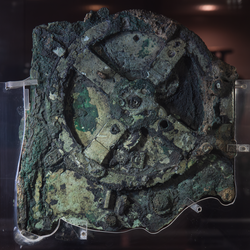
古代ギリシャでは、理論的な考察とともに精密な観測機器の開発が進みました。その代表例がアンティキティラ機械です。紀元前150年から100年頃に製作されたこの装置は、太陽や月の位置を計算するアナログコンピュータのような役割を果たしており、当時としては驚異的な複雑な歯車機構を備えていました。
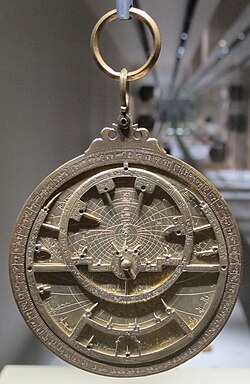
中世に入ると、イスラム圏が天文学の保存と発展において中心的な役割を担いました。アル・スーフィーは『固定星の書』の中で、アンドロメダ銀河を「小さな雲」として初めて記述し、大マゼラン雲についても言及しました。また、アストロラーベのような観測器具が洗練され、星の明るさや色の詳細な記録が残されました。
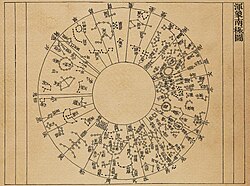
アジアにおいても、中国の蘇頌(すしょう)による南極投影の星図や、メキシコのチチェン・イッツァにある「エル・カラコル」のような天文観測寺院など、独自の天文学が花開いていました。

ルネサンスと科学革命:宇宙観の転換
16世紀から17世紀にかけて、天文学は劇的な変化を迎えます。ティコ・ブラーエは超新星(SN 1572)の観測を通じて、「天界は不変である」というアリストテレスの教義を覆しました。彼は地球を中心に太陽が回り、さらに他の惑星が太陽の周りを回るという独自の「ティコ体系」を提唱し、極めて精緻な観測データを残しました。
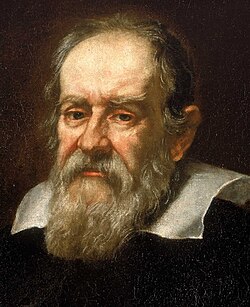
このデータを受け継いだヨハネス・ケプラーが惑星の楕円軌道を導き出し、さらにガリレオ・ガリレイが自作の望遠鏡で空を覗いたことで、決定的な証拠が集まりました。ガリレオは木星の衛星、太陽黒点、金星の満ち欠けを発見し、これらが天動説では説明不可能であることを証明しました。
恒星天文学への展開
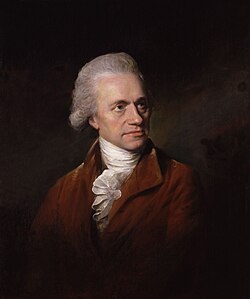
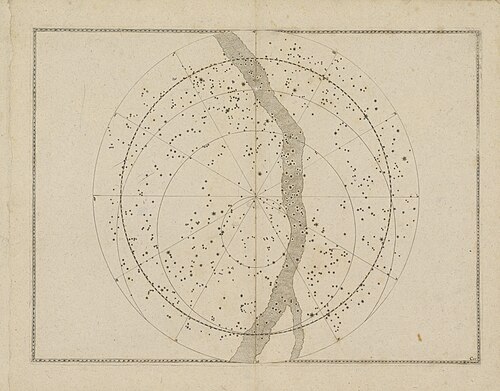
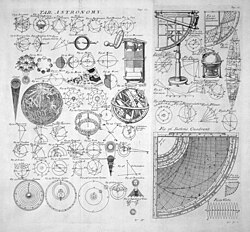
18世紀になると、関心は太陽系を超えて恒星へと向かいました。ジョルダーノ・ブルーノが唱えた「星々は遠くにある太陽である」という宇宙多元説が浸透し、ウィリアム・ハーシェルは星の数を数えることで、太陽系が属する銀河系の中心方向を推定しました。また、連星(互いの周りを回る2つの星)の発見により、天体の質量を計算することが可能になりました。
近代から現代へ:宇宙の深淵を覗く
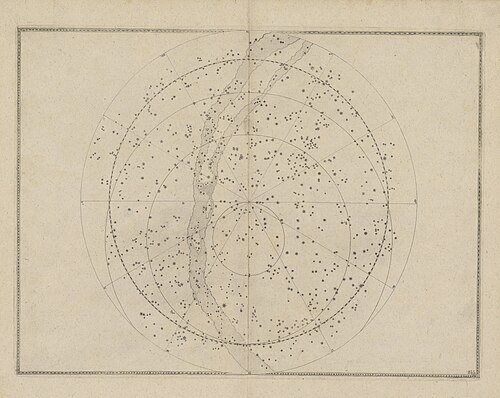
19世紀には、年周視差という手法を用いて、フリードリヒ・ベッセルが初めて恒星(61 Cygni)までの距離を測定することに成功しました。これにより、宇宙の想像を絶する広大さが数学的に証明されました。
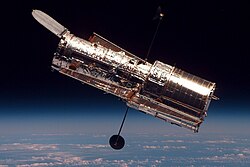
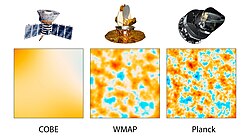
20世紀以降、天文学は天体物理学へと進化します。ハッブル宇宙望遠鏡などの高度な観測装置により、遠方の銀河や星形成領域が鮮明に捉えられるようになりました。また、宇宙背景放射(CMB)の精密な観測は、ビッグバン理論を裏付け、宇宙の年齢や組成の解明に寄与しています。
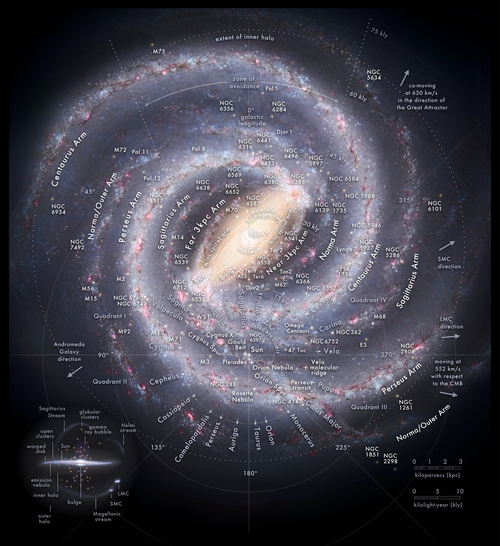
古代の人々が石を並べて季節を知ろうとした時代から、今や私たちは宇宙の果てにある光を分析し、時空の始まりに迫ろうとしています。

天文学の発展まとめ
| 時代 | 主な特徴・貢献 | 代表的な成果・人物 |
|---|---|---|
| 先史・古代 | 暦の作成、宗教的儀式、基礎数学 | ネブラ・スカイディスク、シュメールの60進法 |
| 古典・中世 | 観測機器の開発、星図の作成、保存 | アンティキティラ機械、アル・スーフィー |
| ルネサンス | 地動説への転換、望遠鏡の導入 | コペルニクス、ガリレオ、ケプラー |
| 近代 | 恒星距離の測定、銀河構造の解明 | ベッセル、ウィリアム・ハーシェル |
| 現代 | 宇宙論の確立、宇宙背景放射の観測 | ハッブル宇宙望遠鏡、CMB観測衛星 |
よくある質問(FAQ)
ネブラ・スカイディスクは何に使われていたのですか?
このディスクは、太陰太陽暦において、太陽の季節サイクルと月の周期を同期させるために、いつ「閏月(うるうづき)」を挿入すべきかを判断するための天文時計として機能していたと考えられています。
ガリレオの発見がなぜそれほど重要だったのですか?
ガリレオは、木星の衛星(地球以外を回る天体の存在)や金星の満ち欠け(太陽の周りを回っている証拠)を発見しました。これにより、すべての天体が地球を中心に回っているという天動説が物理的に不可能であることを証明したためです。
メソポタミアの天文学が現代に残している影響は何ですか?
最も顕著なのは、円を360度に分ける概念や、時間を60分・60秒で数える60進法です。これらはシュメール人の数学的伝統に由来しており、現代の幾何学や時間管理の基礎となっています。
アンティキティラ機械とはどのような装置ですか?
紀元前2世紀頃のギリシャで作られた、太陽、月、そしておそらく惑星の動きを計算するためのアナログ計算機です。非常に複雑な差動歯車を備えており、近代的な時計に近い精度を持っていました。
連星の発見は天文学にどのようなメリットをもたらしましたか?
2つの星が互いの重力で回り合う連星を観測することで、ケプラーの法則を適用して星の質量を直接的に算出することが可能になりました。これは恒星の物理的性質を理解する上で不可欠なステップとなりました。
References
- "History of Astronomy".
- "A brief history of astronomy". 12 March 2020.
- Fabian, Andy (2010). "The impact of astronomy". Astronomy & Geophysics. 51 (3): 3.25 – 3.30. :2010A&G....51c..25F. :10.1111/j.1468-4004.2010.51325.x.
- "Astronomy - Ancient, Celestial, Observations". Encyclopedia Britannica.
- "Astronomy: Everything you need to know". . 28 October 2022.
- Whitehouse, David (January 21, 2003). "'Oldest star chart' found". . Retrieved 2009-09-29.
- Lucentini, Jack. "Dr. Michael A. Rappenglueck sees maps of the night sky, and images of shamanistic ritual teeming with cosmological meaning". space. Retrieved 2009-09-29.
- "BBC News – SCI/TECH – Ice Age star map discovered". news.bbc.co.uk. Retrieved 13 April 2018.
- Marshak, Alexander (1972). The Roots of Civilization: the cognitive beginnings of man's first art, symbol, and notation. Littlehampton Book Services. .
- Davidson, Iain (1993). "The Roots of Civilization: The Cognitive Beginnings of Man's First Art, Symbol and Notation". American Anthropologist. 95 (4). American Anthropologistd: 1027–1028. :10.1525/aa.1993.95.4.02a00350.
📸 フォトギャラリー