地球上のあらゆる生命活動や気候システムを駆動させる最大のエネルギー源は、太陽から降り注ぐ電磁波です。このエネルギーの強さを定量的に表したものが太陽放射強度(Solar Irradiance)です。これは単位面積あたりに到達する電力(表面電力密度)を指し、国際単位系(SI)ではワット毎平方メートル(W/m²)で測定されます。
一方で、ある一定の時間にわたって蓄積された放射エネルギーの総量は日射量(Solar Irradiation/Insolation)と呼ばれ、ジュール毎平方メートル(J/m²)などの単位で表されます。この放射強度は、測定場所が宇宙空間であるか、あるいは大気を通過して地表に到達したかによって大きく変動します。
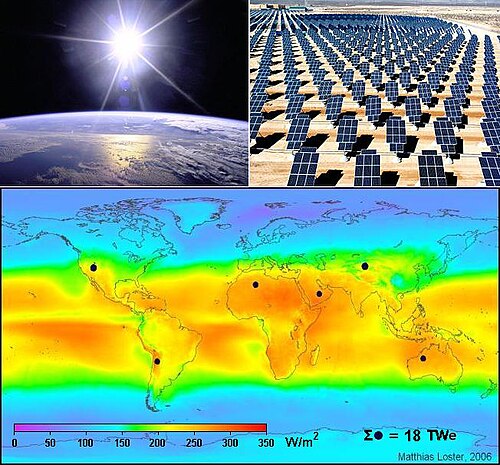
Key Facts
- 太陽放射強度は単位面積あたりの瞬時的な電力(W/m²)を指し、日射量は一定期間のエネルギー蓄積量を指す。
- 地球大気圏外での平均的な太陽放射強度は約1,361 W/m²である。
- 地表に到達するエネルギーは、大気による吸収や散乱、および太陽の入射角(投影効果)によって減少する。
- 地球の公転軌道の変化(ミリコビッチ・サイクル)が、長期的な気候変動や氷河期に影響を与える。
- 太陽光発電の効率を最大化するには、設置場所の緯度に応じた最適なパネル傾斜角の調整が不可欠である。
大気圏外における太陽エネルギーの基礎
地球の大気圏外、つまり宇宙空間に到達する太陽エネルギーの平均値は約1,361 W/m²とされています。これは太陽から地球までの平均距離(1天文単位:AU)にある仮想的な球面上での電力密度です。地球という球体が太陽に向ける断面積でこのエネルギーを受けるため、地球全体の表面積で平均化すると、数値は4分の1の約340 W/m²となります。この値は、地球のエネルギー収支や放射強制力(気候変動を促す正負の要因)を計算する上で極めて重要な指標となります。
放射強度の変動要因
太陽からのエネルギーは常に一定ではありません。短期的には太陽サイクル(約11年周期)による変動があり、全太陽放射強度(TSI)はピーク間で約0.1%変動します。また、紫外線(EUV)などの特定の波長帯では、最大・最小間で約1.5%の変動が見られます。
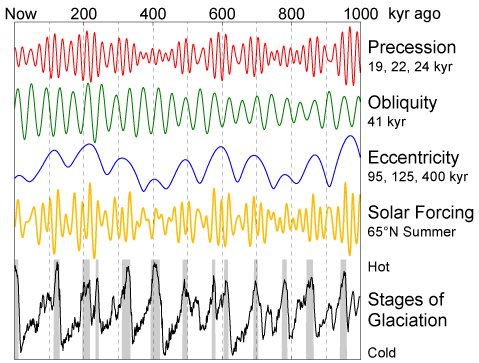
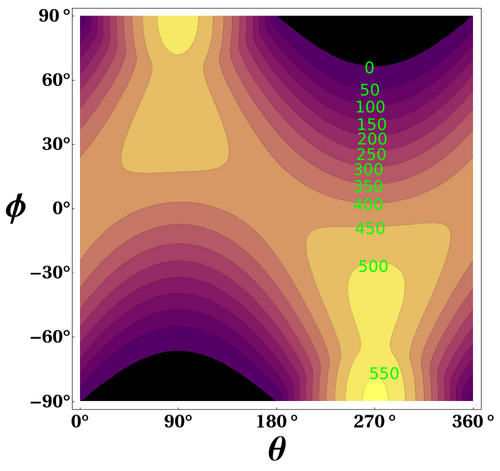
さらに、地球の公転軌道が楕円であるため、近日点と遠日点の間で太陽との距離が変わり、エネルギー量に差が生じます。また、地軸の傾きや歳差運動に伴うミリコビッチ・サイクルと呼ばれる長期的な軌道変動は、局所的に最大25%もの放射量変化をもたらし、地球の氷河期などの気候サイクルに深く関与しています。
地表における日射量の決定要因
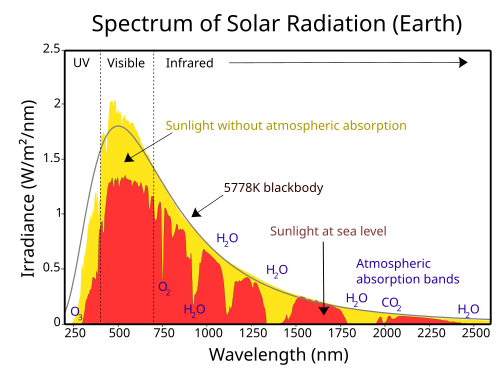
大気圏外から地表に到達するまでに、太陽光は大気中のガスや粒子によって吸収・散乱されます。快晴の日の海抜0メートル地点では、垂直面における最大放射強度は約1,000 W/m²まで減衰します。地表で測定される放射には、太陽から直接届く「直達日射」と、大気で散乱して届く「散乱日射」が含まれます。
投影効果と入射角の影響
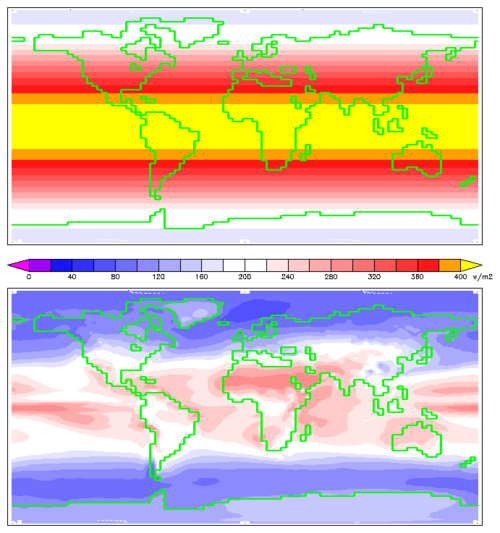
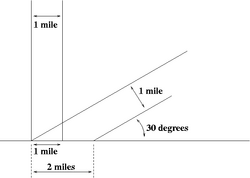
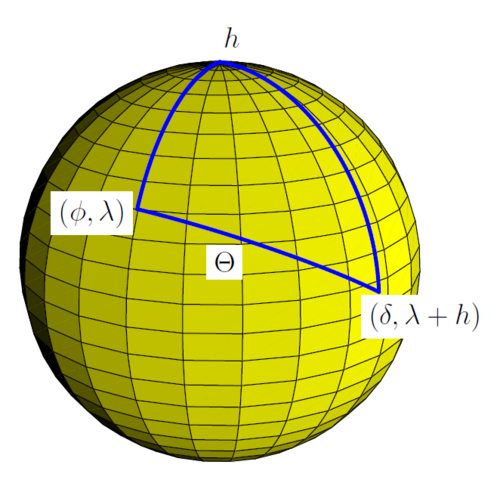
地表に届くエネルギー量は、太陽の高度(天頂角)に大きく依存します。これを投影効果と呼びます。太陽が真上にある時に比べ、斜めに差し込む光はより広い面積に分散されるため、単位面積あたりのエネルギー密度は低下します。
測定手法と機器
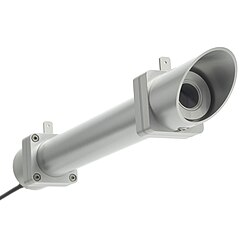
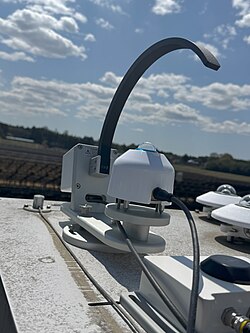
日射量の正確な把握には、専用の計測器が用いられます。全天日射量を測定する日射計(Pyranometer)や、太陽を追尾して直達日射量を測定する直達日射計(Pyrheliometer)などが代表的です。これらの機器を用いて、全球水平面日射量(GHI)や直達法線日射量(DNI)などのデータが収集されます。

太陽エネルギーの応用と実用的活用
太陽放射強度のデータは、エネルギー工学から建築、気候研究まで幅広く活用されています。
太陽光発電の最適化
太陽光パネルを設置する場合、水平に置くよりも太陽に向かって傾斜させることで、より多くのエネルギーを回収できます。例えば、緯度50度の地域で適切に傾斜させたパネルは、赤道付近の水平パネルと同等以上の効率を得られる場合があります。これは、冬場の低い太陽高度を補い、年間を通じて安定した発電量を確保するためです。
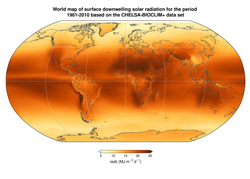
![Global map of global horizontal radiation[5]](/images/ce/ef/ceefe8be498054d25a24edda2df568514e4b2a436692ca77ef53758824426122.png)
![Global Map of Direct Normal Radiation[5]](/images/b1/2a/b12a87fa4be02f64004f0f9fbaaf8556bc63878ad33a612b8dfab344ccf168e5.png)
建築と環境制御
建築分野では、日射量を制御することで冷暖房負荷を軽減するパッシブデザインが導入されています。また、最近では太陽光を効率的に反射し、宇宙へ熱を放出することで、電力を消費せずに地表温度を下げる受動的昼間放射冷却という技術の研究が進んでおり、地球温暖化対策としての期待が集まっています。
気候変動研究への寄与
高精度な放射強度測定は、地球のエネルギー不均衡を解明するために不可欠です。最新のSORCE/TIMなどの観測装置により、過去の測定値よりもTSIがわずかに低いことが判明し、これにより地球のエネルギー収支モデルの精度が向上しています。
太陽放射強度のまとめ
| 指標 | 平均的な値/範囲 | 主な影響要因 | 主な用途 |
|---|---|---|---|
| 大気圏外放射強度 (TSI) | 約 1,361 W/m² | 太陽サイクル、公転軌道 | 地球エネルギー収支の計算 |
| 地表最大放射強度 | 約 1,000 W/m² (快晴時) | 大気吸収、散乱、雲 | 太陽光発電の設計 |
| 地球平均放射強度 | 約 340 W/m² | 地球の球形形状 | 放射強制力の分析 |
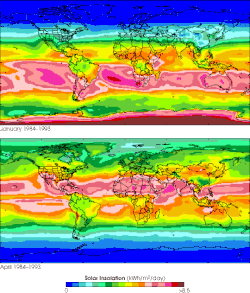
| 日次平均日射量 | 約 6 kWh/m² (雲なし想定) | 緯度、季節、天候 | 農業、建築設計 |
Frequently Asked Questions
太陽放射強度(Irradiance)と日射量(Irradiation)の違いは何ですか?
放射強度は「ある瞬間の単位面積あたりの電力(W/m²)」を指し、日射量は「ある期間にわたって蓄積されたエネルギーの総量(J/m²やkWh/m²)」を指します。例えるなら、放射強度は車の「現在の速度」、日射量は「走行した総距離」のような関係です。
なぜ場所や季節によって太陽エネルギーの量が変わるのですか?
主に2つの理由があります。一つは地球が球形であるため、緯度によって太陽光が入射する角度(天頂角)が異なり、単位面積あたりに届くエネルギー密度が変わるためです。もう一つは、地球が地軸を傾けて公転しているため、季節によって太陽が見える高さや日照時間が変化するためです。
太陽定数とは何ですか?
太陽定数とは、地球大気圏外で、太陽光に垂直な面が受ける平均的な太陽放射強度のことです。一般的に約1,361 W/m²とされており、地球の気候システムを理解するための基準値として利用されます。
太陽光パネルを傾けるのはなぜですか?
太陽光パネルに光が垂直に入射するほど、単位面積あたりのエネルギー吸収効率が高まるためです。水平に設置すると、太陽高度が低い冬場にエネルギー損失が大きくなりますが、適切な角度に傾けることで、年間を通じて効率的に発電することが可能になります。
ミリコビッチ・サイクルとはどのような現象ですか?
地球の公転軌道の離心率の変化、地軸の傾きの変動、および歳差運動という3つの周期的な変動の総称です。これにより、地球上の特定の地域に届く日射量の分布が数万年単位で変化し、それが氷河期と間氷期のサイクルを引き起こす要因の一つと考えられています。
References
- Brun, P.; Zimmermann, N.E.; Hari, C.; Pellissier, L.; Karger, D.N. "Global climate-related predictors at kilometre resolution for the past and future". Earth Syst. Sci. Data. :10.5194/essd-2022-212.
- Michael Boxwell, Solar Electricity Handbook: A Simple, Practical Guide to Solar Energy (2012), pp. 41–42.
- Stickler, Greg. "Educational Brief - Solar Radiation and the Earth System". National Aeronautics and Space Administration. Archived from the original on 25 April 2016. Retrieved 5 May 2016.
- C.Michael Hogan. 2010. Abiotic factor. Encyclopedia of Earth. eds Emily Monosson and C. Cleveland. National Council for Science and the Environment. Washington, DC
- World Bank (2017). Global Solar Atlas.
- Kirk, Alexander P. (2015). Solar Photovoltaic Cells Photons to Electricity. . pp. 9–24. .
- Zhang, T., Stackhouse Jr., P.W., Macpherson, B., and Mikovitz, J.C., 2024. A CERES-based dataset of hourly DNI, DHI and global tilted irradiance (GTI) on equatorward tilted surfaces: Derivation and comparison with the ground-based BSRN data. Sol. Energy, 274 (2024) 112538. doi: https://doi.org/10.1016/j.solener.2024.112538.
- "Solar Resource Glossary". National Renewable Energy Laboratory. Retrieved 10 February 2025.
- "What is the Difference between Horizontal and Tilted Global Solar Irradiance?". Kipp & Zonen. Retrieved 25 November 2017.
- Gueymard, Christian A. (March 2009). "Direct and indirect uncertainties in the prediction of tilted irradiance for solar engineering applications". Solar Energy. 83 (3): 432–444. :2009SoEn...83..432G. :10.1016/j.solener.2008.11.004.
📸 フォトギャラリー