地球からは決して見ることができない「月の裏側」。この未知の領域に初めて着陸機とローバーを送り込んだのが、中国国家航天局(CNSA)による嫦娥4号ミッションです。2019年の着陸以来、このミッションは月面探査の歴史に新たな1ページを刻み、科学的な知見を地球に送り続けています。
Key Facts
- 世界初の快挙:人類史上初めて月球の裏側へのソフトランディングに成功。
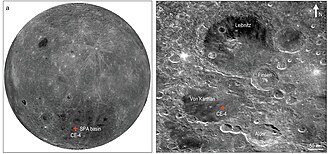
- 探査地点:南極・エイトケン盆地内のフォン・カルマン・クレーター(空間天河)。
- 主要構成:着陸機(ランダー)と月面車「玉兔2号(Yutu-2)」で構成。
- 通信の鍵:地球との直接通信が不可能なため、中継衛星「鵲橋(Queqiao)」を利用。
- 驚異的な耐久性:当初の計画(数ヶ月)を大幅に超え、2,700日以上にわたり活動を継続中。
月球裏側という極限への挑戦
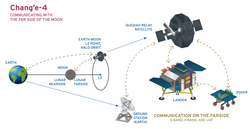
月は地球に対して常に同じ面を向けている「潮汐ロック」という現象があるため、裏側からは地球が見えず、直接的な電波通信が遮断されます。この物理的な壁を乗り越えるため、CNSAはラグランジュ点(L2)付近に中継衛星を配置するという高度な戦略を採用しました。
ラグランジュ点L2に位置する衛星は、地球と月の裏側の両方を同時に視界に収めることができるため、月面からのデータを地球へ転送する「橋渡し」の役割を果たします。
ミッションの構成と技術的スペック
嫦娥4号ミッションは、単なる着陸機だけでなく、複数のコンポーネントが連携して運用されています。メインの着陸機とローバーに加え、小型衛星「龍江」なども投入されました。
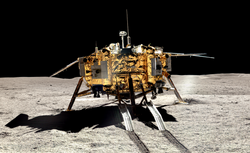
特に注目すべきは、着陸機から展開された月面車玉兔2号です。このローバーは、過酷な月面環境に耐えうる設計となっており、着陸機に備え付けられたスロープを降りて月面へと踏み出しました。
| 項目 | 詳細内容 |
|---|---|
| 打ち上げ日 | 2018年12月7日 |
| 着陸日 | 2019年1月3日 |
| 打ち上げロケット | 長征3B |
| 総打ち上げ質量 | 3,780 kg |
| ローバー走行距離 | 約1.596 km(2024年5月4日時点) |
| 運用期間 | 2,775日以上(継続中) |
科学的目標と探査成果
このミッションの主目的は、地球から観測できない領域の地質学的・天文学的データを収集することにあります。具体的には、以下の3つの主要な研究が行われています。
- 地質分析:月面の岩石や土壌の化学組成を測定し、月の形成過程を解明する。
- 低周波天文学:地球の電波ノイズから隔離された環境を利用し、電波望遠鏡による宇宙観測を行う。
- 宇宙線研究:月面における宇宙線の挙動を調査し、宇宙物理学的な知見を得る。
Frequently Asked Questions
なぜ月の裏側を探索する必要があるのですか?
月の裏側は地球からの電波が届かないため、地球上のノイズに邪魔されずに宇宙の深部を観測できる「静寂な環境」が広がっています。また、表側とは異なる地質構造を持つと考えられており、月の起源を探る上で不可欠な場所だからです。
玉兔2号はどれくらいの期間活動していますか?
当初の計画ではローバーの寿命は3ヶ月とされていましたが、実際には2,700日を超える長期運用を実現しており、想定を遥かに上回る耐久性を示しています。
中継衛星「鵲橋」の役割は何ですか?
月球の裏側にある探査機からの電波を一度受信し、それを地球の管制局へ転送するリレー(中継)の役割を担っています。これにより、物理的に遮断された通信経路を確保しています。
どこに着陸したのですか?
月の南極付近にある巨大な衝突盆地「南極・エイトケン盆地」の中の、フォン・カルマン・クレーターと呼ばれる地点(空間天河)に着陸しました。
References
- 1 2 3 China says it will launch 2 robots to the far side of the Moon in December on an unprecedented lunar exploration mission Archived 9 December 2018 at the . Dave Mosher, Business Insider 16 August 2018
- 1 2 3 4 Chang'e 3, 4 (CE 3, 4) Archived 20 March 2018 at the . Gunter Dirk Krebs, Gunter's Space Page.
- 1 2 This is the rover China will send to the 'dark side' of the Moon Archived 31 August 2018 at the Steven Jiang, CNN News 16 August 2018
- 1 2 3 "探月工程嫦娥四号探测器成功发射 开启人类首次月球背面软着陆探测之旅" (in Chinese (China)). China National Space Administration. Archived from the original on 10 December 2018. Retrieved 8 December 2018.
- ↑ "Launch Schedule 2018". Spaceflight Now. 18 September 2018. Archived from the original on 10 September 2016. Retrieved 18 September 2018.
- ↑ Barbosa, Rui (3 January 2019). "China lands Chang'e-4 mission on the far side of the Moon". NASASpaceFlight.com. Archived from the original on 3 January 2019. Retrieved 3 January 2019.
- 1 2 3 "Chang'e-4 landing site named "Statio Tianhe"". Xinhua. 15 February 2019. Retrieved 29 June 2024.
- 1 2 3 4 5 China's Journey to the Lunar Far Side: A Missed Opportunity? Archived 9 December 2018 at the Paul D. Spudis, Air & Space Smithsonian. 14 June 2017.
- 1 2 3 Ye, Peijian; Sun, Zezhou; Zhang, He; Li, Fei (2017). "An overview of the mission and technical characteristics of Change'4 Lunar Probe". Science China Technological Sciences. 60 (5): 658. :2017ScChE..60..658Y. :10.1007/s11431-016-9034-6. 126303995.
- ↑ Barbosa, Rui (3 January 2019). "China lands Chang'e-4 mission on the far side of the Moon". NASASpaceFlight.com. Archived from the original on 3 January 2019. Retrieved 3 January 2019.
📸 フォトギャラリー