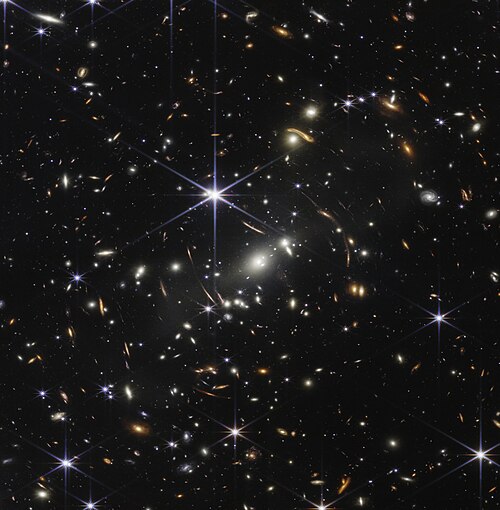
私たちが地球から見上げる夜空の向こう側に広がる宇宙空間は、単なる「何もない場所」ではありません。そこは地球の大気圏を超え、天体と天体の間に横たわる広大な領域であり、極めて希薄な粒子や電磁放射線、そして未知のエネルギーが充満するダイナミックな環境です。
宇宙の大部分は、水素やヘリウムのプラズマ(電離したガス)からなるほぼ完全な真空状態で構成されています。また、観測可能な宇宙の質量・エネルギーの多くは、正体が分かっていない「ダークマター(暗黒物質)」と「ダークエネルギー」によって占められていると考えられています。
Key Facts
- 温度: ビッグバンによる背景放射の影響で、基本温度は約2.7ケルビン(マイナス270度)という極低温である。
- 境界線: 一般的に海抜100kmの「カーマンライン」が宇宙の始まりとされる。
- 構成: 宇宙の体積の多くは銀河間の空間が占め、そこには極めて低密度のプラズマが存在する。
- 法的地位: 1967年の宇宙条約により、特定の国家による領有権の主張は禁止されている。
宇宙の構造と物理的環境
真空と物質の分布
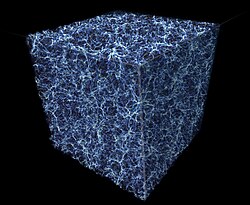
宇宙空間は完全な空洞ではなく、ごくわずかな粒子密度を持つ空間です。銀河間に存在するプラズマは、宇宙のバリオン物質(通常の物質)の約半分を占めるとされています。一方で、星や銀河といった物質が密集している場所であっても、その内部のほとんどは空虚な空間で構成されています。
温度と放射線
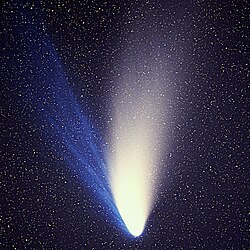
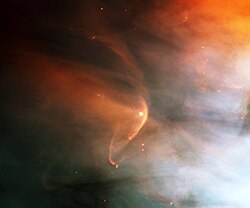
宇宙のベースとなる温度は極めて低く、電磁放射線や宇宙線、ニュートリノ、磁場、そして宇宙塵(ダスト)が空間を漂っています。これらの要素が複雑に絡み合い、宇宙の物理的な環境を形作っています。
宇宙の進化と膨張
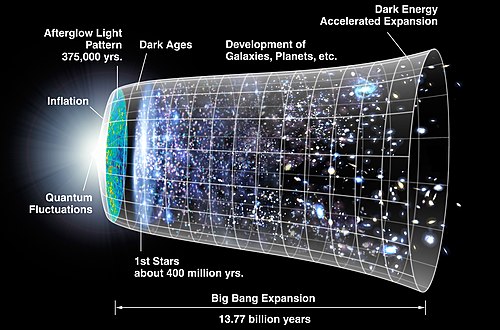
宇宙は誕生以来、劇的な膨張を続けてきました。初期の急激なインフレーションから始まり、現在は加速的に膨張していると考えられています。
地球から宇宙への移行と境界
どこからが「宇宙」なのか
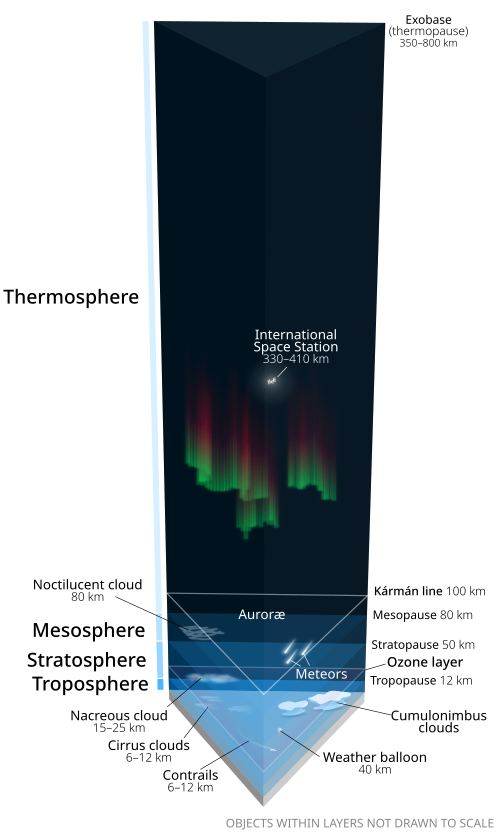
地球の表面から宇宙への移行は、明確な線で区切られているわけではありません。しかし、航空宇宙の記録や国際的な条約では、高度100kmのカーマンラインが慣習的な境界線として採用されています。また、成層圏上層から中間圏の一部は「近宇宙(near space)」と呼ばれることもあります。
地球近傍の領域
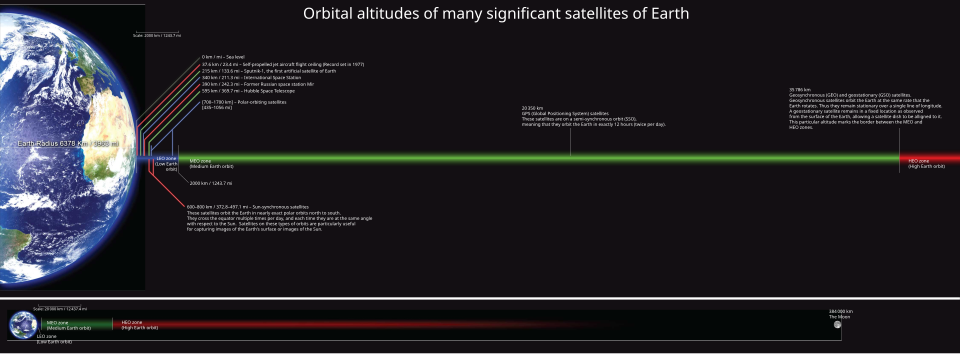
地球の周囲には、高度に応じて低軌道(LEO)、中軌道(MEO)、高軌道(HEO)といった異なる領域が存在します。これらの領域は、通信衛星や観測衛星の運用において重要な意味を持ちます。
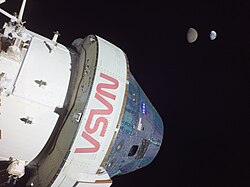
地球と月の間にある「シスルナ空間」などは、今後の有人探査における重要な拠点となります。
人間による宇宙利用とリスク
身体への影響と生存戦略
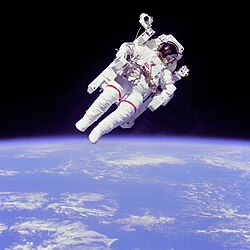
人間が宇宙空間に身を置くには、過酷な環境への対策が不可欠です。真空状態では気圧が極端に低いため、宇宙飛行士は加圧された宇宙服を着用しなければなりません。また、無重量状態や強力な宇宙放射線は、人体に深刻な生理学的影響を及ぼします。
宇宙の持続可能性と課題
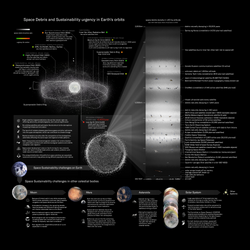
人類の活動が活発になるにつれ、運用を終えた人工衛星や破片などの「宇宙ゴミ(スペースデブリ)」が増加しています。これらは現役の衛星や宇宙船にとって大きな脅威となっており、持続可能な宇宙利用のための対策が急務となっています。
![A computer-generated map of objects orbiting Earth, as of 2005. About 95% are debris, not working artificial satellites[136]](/images/3c/3f/3c3fd2860daa2b35ace026a1dbf5a95b6ae42d83247258f3c843b181a6fd8dae.jpg)
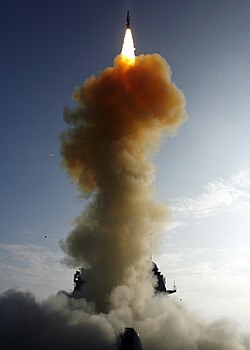
また、対衛星兵器の試験などは、法的な議論を呼びつつも、さらなるデブリを発生させるリスクを孕んでいます。
宇宙の法的枠組みと社会への応用
国際法による統治
宇宙の利用に関する基本原則は、1967年に発効した宇宙条約によって定められています。この条約により、宇宙空間は全人類に開かれた領域であり、どの国家も主権を主張できないことが明記されています。
未来の技術応用
宇宙空間の特性を活かした技術開発も進んでいます。例えば、宇宙空間に設置した太陽光パネルで発電し、そのエネルギーを地球に送信する「宇宙太陽光発電」などの構想があります。
![Concept for a space-based solar power system to beam energy down to Earth[224]](/images/1a/32/1a3282c9039b3cb06d6e50df52aa2fff22c6e5a56a62f7d8feebf638f1c3e7d8.jpg)
観測と発見
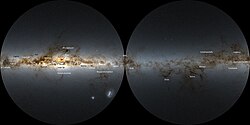
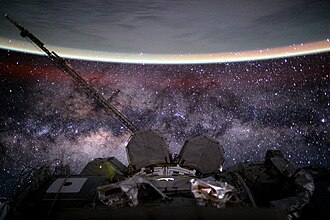
地球から見た宇宙は、大気の影響を受けるため限定的ですが、宇宙望遠鏡などの活用により、遠方の銀河や宇宙の初期状態を詳細に観測することが可能になりました。
![A wide field view of outer space as seen from Earth's surface at night. The interplanetary dust cloud is visible as the horizontal band of zodiacal light, including the false dawn[28] (edges) and gegenschein (center), which is visually crossed by the Milky Way](/images/77/14/7714bde43aafb137ced64a4d13312afb09fb19a29922793e99ab66ae2fd89d4f.jpg)
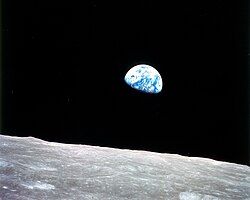
![South is up in the first image of Earth taken by a person,[209] probably by Bill Anders (during the 1968 Apollo 8 mission)](/images/cf/c3/cfc34bf8f66bb473ecd7004c628b670a154654ae5ed4a8f3d6979b61e7583b68.jpg)
| 項目 | 詳細・数値 | 備考 |
|---|---|---|
| 基本温度 | 約2.7 K (−270 °C) | 宇宙背景放射による |
| 境界線 | 高度 100 km | カーマンライン |
| 主成分 | 水素・ヘリウムプラズマ | 極めて低密度な真空 |
| 支配的エネルギー | ダークエネルギー・ダークマター | 宇宙の大部分を構成 |
| 法的根拠 | 宇宙条約 (1967年) | 国家による領有禁止 |
Frequently Asked Questions
宇宙は完全に「空っぽ」なのですか?
いいえ、完全な真空ではありません。非常に希薄ですが、水素やヘリウムのプラズマ、宇宙塵、電磁放射線、そしてニュートリノなどが存在しています。
宇宙の始まりはどこで定義されていますか?
一般的には海抜100kmの「カーマンライン」が境界とされていますが、物理的な移行は緩やかであり、絶対的な境界線があるわけではありません。
宇宙空間に国家の領土を持つことはできますか?
できません。1967年の宇宙条約により、宇宙空間や天体に対する国家的な主権の主張は禁止されており、すべての国が自由に探索できることが定められています。
宇宙空間で人間が生存できない最大の理由は何ですか?
主な理由は、酸素の欠如、極端な低圧(真空)による体液の沸騰、そして遮るもののない強力な宇宙放射線への曝露です。そのため、生命維持装置を備えた宇宙服や船内環境が不可欠です。
スペースデブリ(宇宙ゴミ)がなぜ問題なのですか?
デブリは非常に高速で移動しているため、小さな破片であっても人工衛星や宇宙ステーションに衝突すれば壊滅的なダメージを与える可能性があるためです。
References
- "Applicable definitions of outer space, space, and expanse", Merriam-Webster dictionary, retrieved 2024-06-17,
Outer space (n.) space immediately outside the earth's atmosphere.
Space (n.) physical space independent of what occupies it. The region beyond the earth's atmosphere or beyond the solar system.
Expanse (n.) great extent of something spread out. - Roth, A. (2012), Vacuum Technology, Elsevier, p. 6, .
- Chuss, David T. (June 26, 2008), Cosmic Background Explorer, NASA Goddard Space Flight Center, archived from the original on 2013-05-09, retrieved 2013-04-27.
- Gupta, Anjali; et al. (May 2010), "Detection and Characterization of the Warm-Hot Intergalactic Medium", Bulletin of the American Astronomical Society, 41: 908, :2010AAS...21631808G.
- , pp. 573, 599–601, 650–653.
- Trimble, V. (1987), "Existence and nature of dark matter in the universe", , 25: 425–472, :1987ARA&A..25..425T, :10.1146/annurev.aa.25.090187.002233, 123199266.
- "Dark Energy, Dark Matter", NASA Science, archived from the original on June 2, 2013, retrieved May 31, 2013,
It turns out that roughly 68% of the Universe is dark energy. Dark matter makes up about 27%.
- 1 2 O'Leary 2009, p. 84.
- "Where does space begin?", Aerospace Engineering, archived from the original on 2015-11-17, retrieved 2015-11-10.
- Harper, Douglas (November 2001), Space, The Online Etymology Dictionary, archived from the original on 2009-02-24, retrieved 2009-06-19.
📸 フォトギャラリー