ภาพประกอบบทความ
← ホームへ戻る

宇宙開発競争の歴史米ソ冷戦から月面着陸、そして国際協力へ

20世紀半ば、世界はアメリカ合衆国とソビエト連邦という二つの超大国による激しい対立、いわゆる冷戦の時代にありました。この政治的・軍事的な緊張は、地上のみならず宇宙空間へと拡大し、「宇宙開発競争(スペースレース)」という人類史上稀に見る技術競争へと発展しました。それは単なる科学的好奇心ではなく、国家の威信と軍事的な優位性を証明するための戦いでもありました。
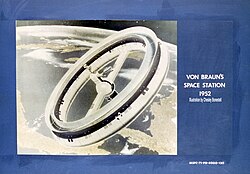
Wernher von Braun's space station concept (1952)

初期の宇宙開発は、大陸間弾道ミサイル(ICBM)という軍事技術の転用から始まりました。ロケットを高く飛ばし、遠くへ届かせる技術は、そのまま人工衛星を軌道に乗せ、人間を宇宙へ送り出すための基盤となったのです。

ภาพประกอบบทความ
ภาพประกอบบทความ

Key Facts

  • 競争の起点: 1957年のソ連による世界初の人工衛星スプートニク1号の打ち上げ。
  • 人類初の快挙: 1961年、ソ連のユーリ・ガガーリンが人類初の有人宇宙飛行に成功。
  • 米国の逆転: 1969年、アポロ11号により人類初の月面着陸を実現。
  • 軍事転用: 多くの打ち上げロケットは、もともとICBM(大陸間弾道ミサイル)をベースに開発された。
  • 平和への転換: 1975年のアポロ・ソユーズテスト計画により、競争から協力の時代へ移行。

人工衛星の誕生と「スプートニク・ショック」

宇宙競争の幕開けは、1957年にソ連が打ち上げたスプートニク1号でした。この出来事は、アメリカに深刻な心理的・軍事的衝撃(スプートニク・ショック)を与えました。ソ連が衛星を軌道に乗せられるということは、同様のロケットでアメリカ本土に核兵器を届けられることを意味していたからです。
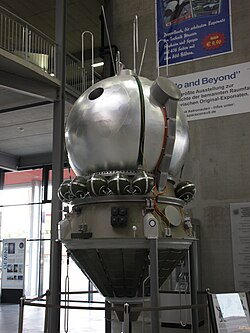
Replica of the Zenit and Vostok spacecraft bus
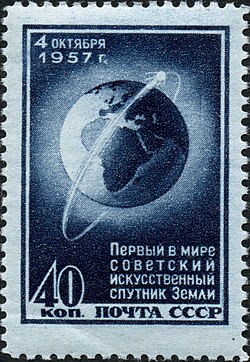
Soviet stamp commemorating Sputnik 1, 1957

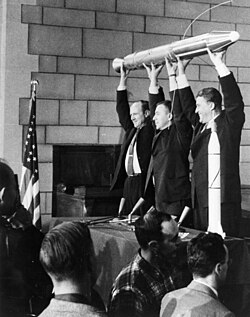
これに対抗し、アメリカは1958年に航空宇宙局(NASA)を設立。科学技術教育の強化と宇宙開発への国家予算投入を急ぎました。その後、アメリカもエクスプローラー1号の打ち上げに成功し、宇宙空間での観測競争が本格化します。
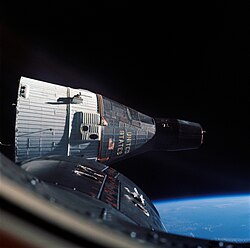
Rendezvous of Gemini 6 and 7, December 1965
William Hayward Pickering, James Van Allen, and von Braun display a model of Explorer 1 at a news conference after confirmation the satellite was in orbit.

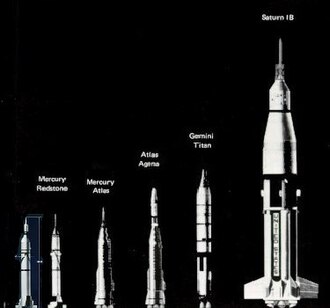
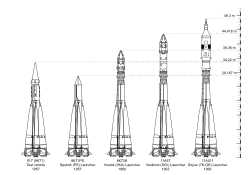
当時のロケット開発において、ソ連はR-7のような強力なICBMの派生形を効率的に活用し、初期のリードを築きました。一方のアメリカは、多様なICBMやNASAが独自に開発したサターンロケットなど、複数のアプローチを組み合わせて追撃しました。
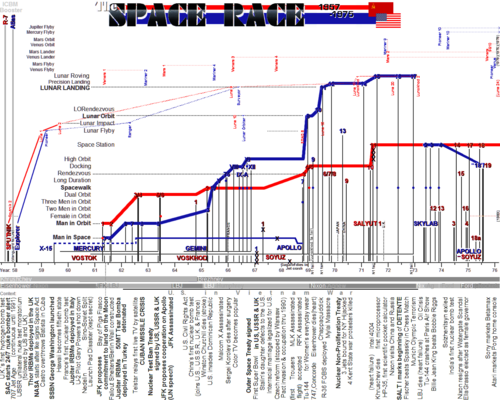
Progress in the Space Race, showing the US passing the Soviets in 1965
The Soviet stable of Sputnik, Vostok, Voskhod, and Soyuz launch vehicles were all derivatives of the R-7 Semyorka ICBM.
The US stable of Explorer 1, Mercury, Gemini, and Apollo launch vehicles were a varied group of ICBMs and the NASA-developed Saturn IB rocket.

有人宇宙飛行への挑戦と月への道

人工衛星に続き、競争の舞台は「人間を宇宙へ送ること」に移りました。1961年、ソ連のボストーク計画によりユーリ・ガガーリンが地球を周回し、人類初の宇宙飛行を成し遂げます。これに刺激を受けたジョン・F・ケネディ大統領は、「1960年代が終わる前に人間を月に着陸させ、安全に地球に帰還させる」という壮大な目標を掲げました。
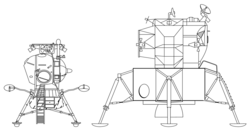
Soviet LK (Lunniy Korabl) and American Apollo Lunar Module lunar landers
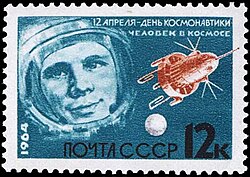
A 1964 Stamp with Yuri Gagarin, and an intentionally inaccurate Vostok

アメリカはマーキュリー計画で単独飛行を、ジェミニ計画で宇宙船同士のドッキングや船外活動(宇宙遊泳)といった高度な技術を習得し、最終的なアポロ計画へと繋げました。一方のソ連も、ボストークからボスホート、そしてソユーズへと計画を発展させ、宇宙ステーションの先駆けとなる取り組みを開始しました。
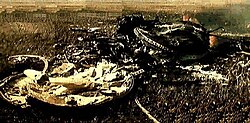
Soyuz 1 seen after the crash.
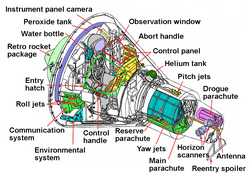
Cutaway of the Mercury capsule
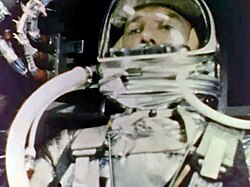
Alan Shepard, the first American in space, 1961
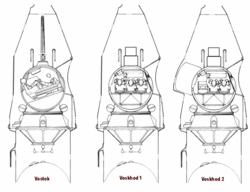
Korolev modified the one-person Vostok capsule into carrying three people, or two plus an airlock for spacewalk capability.

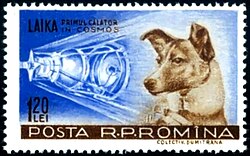
この過程で、動物たちも宇宙への先駆者となりました。ソ連のライカ犬などが、人間が宇宙環境に耐えられるかを確認するための重要な役割を果たしました。
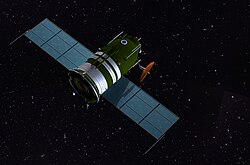
Soyuz 7K-L1 Zond spacecraft, artist view
Laika on a Romanian post stamp

月探査の進展とロボットによる先遣隊

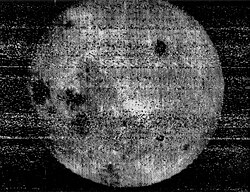
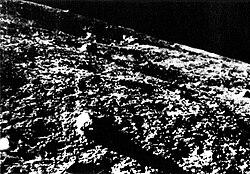
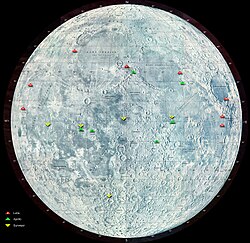
有人飛行と並行して、無人探査機による月や惑星の調査も激しく行われました。ソ連のルナ計画は、月面への初の到達や、月の裏側の撮影に成功し、世界を驚かせました。
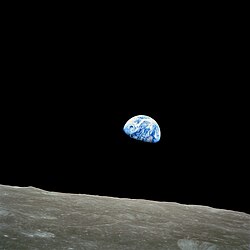
A small blue-white semicircle of Earth, almost glowing with color in the blackness of space, rising over the limb of the desolate, cratered surface of the Moon
The first photo of the far side of the Moon, taken by Luna 3
First photo of the surface of the Moon, taken by Luna 9
The near side of the Moon, showing Luna probe landing locations with red triangles, Surveyor in yellow, and the later Apollo landings in Green

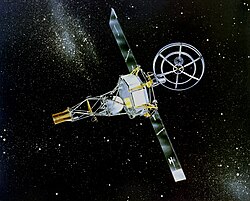
また、金星や火星への惑星間探査も始まり、地球以外の天体の実像が徐々に明らかになっていきました。

Surface of Mars taken by Viking 1.[300][301]
Artist's impression of Mariner 2, the first successful interplanetary spacecraft

月面着陸の達成と競争の終焉

1969年7月、アポロ11号のニール・アームストロングとバズ・オルドリンが月面に降り立ちました。これにより、アメリカは「月への競争」において決定的な勝利を収めたと見なされました。しかし、この栄光の裏にはアポロ1号の火災事故のような悲劇的な犠牲もありました。
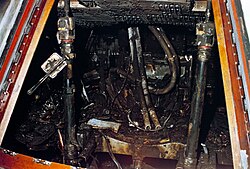
Charred interior of the Apollo 1 spacecraft after the fire that killed the crew
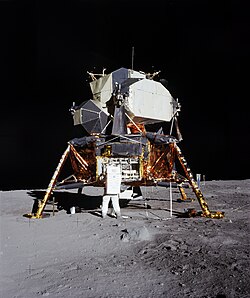
"Buzz" Aldrin facing away from Camera, with the Apollo 11 Lunar Lander
A girl reading a newspaper quoting the famous phrase 'The Eagle has landed'

月面着陸後、NASAの予算は削減され、目標は地球低軌道での活動へとシフトしました。ソ連も月着陸を断念し、代わりにサリュートやミールといった宇宙ステーションの開発に注力し、長期滞在技術でリードを奪い返そうとしました。
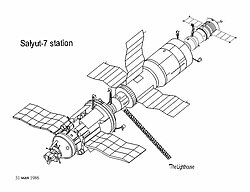
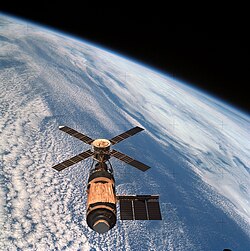
Salyut-7 with Kosmos1686 and Soyuz T-15 docked, truss extended, May 31, 1986
Skylab Orbital Workshop as photographed by the Skylab 4 CSM during the final fly-around by the CSM before returning home.

宇宙の軍事化への懸念と国際法

競争が激化する中で、宇宙空間の兵器化に対する国際的な懸念が高まりました。1967年には宇宙条約が締結され、地球軌道や天体への大量破壊兵器の設置が禁止されました。しかし、実際には衛星攻撃兵器(ASAT)の研究や、宇宙空間での核爆発実験(スターフィッシュ・プライムなど)が行われるなど、緊張は続いていました。
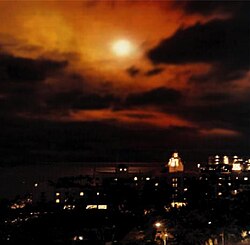
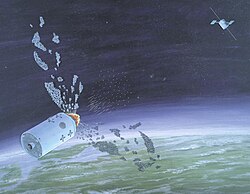
The debris fireball of Starfish Prime in space seen from Honolulu
Artist's illustration of an Istrebitel Sputnikov anti-satellite system

協力の時代へ:アポロ・ソユーズからISSまで

1970年代に入ると、冷戦の緩和(デタント)に伴い、宇宙開発も競争から協力へと舵を切ります。1975年のアポロ・ソユーズテスト計画では、米ソの宇宙船が宇宙空間でドッキングし、飛行士たちが握手を交わしました。これは象徴的な和解の瞬間となりました。
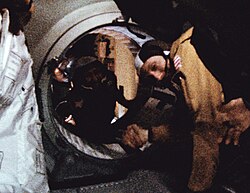
American Stafford and Russian Leonov shake hands in space aboard the Apollo–Soyuz docking adapter.

その後、スペースシャトルの運用や、ソ連のブルラン計画、そして現在の国際宇宙ステーション(ISS)へと発展し、宇宙は国家間の競争の場から、人類共通の科学的探究の場へと変貌を遂げたのです。
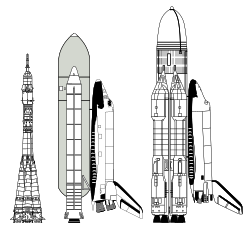
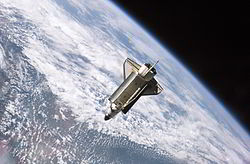
Soyuz, US Space Shuttle, and Energia-Buran

宇宙開発の主要マイルストーンまとめ

米ソ宇宙開発競争の主要出来事
年代 出来事 主導国 意義
1957年 スプートニク1号 ソ連 世界初の人工衛星打ち上げ
1961年 ボストーク1号 ソ連 人類初の有人宇宙飛行(ガガーリン)
1969年 アポロ11号 米国 人類初の月面着陸
1975年 アポロ・ソユーズ 米ソ共同 初の国際共同ミッション

Frequently Asked Questions

なぜ宇宙開発競争は始まったのですか?

冷戦下において、アメリカとソ連が互いの政治体制の優位性と軍事的な力を誇示しようとしたためです。特に、人工衛星を打ち上げるロケット技術は、核弾頭を運ぶICBMの技術と直結していたため、安全保障上の重要な課題でした。

ソ連が初期にリードしていたのはなぜですか?

ソ連はR-7のような非常に強力なロケットを早期に開発し、それをベースに衛星や有人宇宙船を効率的に展開したためです。これにより、初の人工衛星、初の有人飛行など、多くの「世界初」を達成しました。

宇宙条約とはどのような内容ですか?

1967年に締結された条約で、宇宙空間を全人類に開かれた領域とし、月などの天体に核兵器を含む大量破壊兵器を設置することを禁止しています。また、宇宙活動による損害に対する国家の責任についても規定しています。

アポロ計画の後のNASAはどうなりましたか?

月面着陸という目標を達成した後、予算の削減が行われました。その後、再利用可能な宇宙往還機(スペースシャトル)の開発や、宇宙望遠鏡による深宇宙探査、そして国際協力によるISSの建設へと重点が移りました。

宇宙開発競争は誰が「勝った」と言えますか?

月面着陸という象徴的な目標を達成した点ではアメリカが勝利したとされますが、長期滞在や宇宙ステーションの運用技術ではソ連が大きな成果を上げました。最終的には、両国の技術が融合して現在の国際的な宇宙開発に繋がったと言えます。

References

  1. United States victory in the race to the Moon; mixed outcome overall.

📸 フォトギャラリー

ภาพประกอบบทความ
Wernher von Braun's space station concept (1952)
The Soviet stable of Sputnik, Vostok, Voskhod, and Soyuz launch vehicles were all derivatives of the R-7 Semyorka ICBM.
The US stable of Explorer 1, Mercury, Gemini, and Apollo launch vehicles were a varied group of ICBMs and the NASA-developed Saturn IB rocket.
Soviet stamp commemorating Sputnik 1, 1957
ภาพประกอบบทความ
William Hayward Pickering, James Van Allen, and von Braun display a model of Explorer 1 at a news conference after confirmation the satellite was in orbit.
Laika on a Romanian post stamp
The first photo of the far side of the Moon, taken by Luna 3
Replica of the Zenit and Vostok spacecraft bus
A 1964 Stamp with Yuri Gagarin, and an intentionally inaccurate Vostok
Cutaway of the Mercury capsule
Alan Shepard, the first American in space, 1961
First photo of the surface of the Moon, taken by Luna 9
The near side of the Moon, showing Luna probe landing locations with red triangles, Surveyor in yellow, and the later Apollo landings in Green
Artist's impression of Mariner 2, the first successful interplanetary spacecraft
Korolev modified the one-person Vostok capsule into carrying three people, or two plus an airlock for spacewalk capability.
Rendezvous of Gemini 6 and 7, December 1965
Progress in the Space Race, showing the US passing the Soviets in 1965
Soviet LK (Lunniy Korabl) and American Apollo Lunar Module lunar landers
The debris fireball of Starfish Prime in space seen from Honolulu
Artist's illustration of an Istrebitel Sputnikov anti-satellite system
Charred interior of the Apollo 1 spacecraft after the fire that killed the crew
Soyuz 1 seen after the crash.
Soyuz 7K-L1 Zond spacecraft, artist view
A small blue-white semicircle of Earth, almost glowing with color in the blackness of space, rising over the limb of the desolate, cratered surface of the Moon
"Buzz" Aldrin facing away from Camera, with the Apollo 11 Lunar Lander
A girl reading a newspaper quoting the famous phrase 'The Eagle has landed'
Salyut-7 with Kosmos1686 and Soyuz T-15 docked, truss extended, May 31, 1986
Skylab Orbital Workshop as photographed by the Skylab 4 CSM during the final fly-around by the CSM before returning home.
Surface of Mars taken by Viking 1.[300][301]
American Stafford and Russian Leonov shake hands in space aboard the Apollo–Soyuz docking adapter.
Soyuz, US Space Shuttle, and Energia-Buran