米国の都市景観を歩くと、古い街並みがそのまま保存されている「歴史地区」に出会うことがあります。これらの地区を法的に維持し、その価値を定義する上で極めて重要な概念が寄与物件(Contributing Property)です。歴史地区内のすべての建物が等しく価値を持つわけではなく、地区全体の歴史的意義に貢献しているかどうかが厳格に区別されています。
本記事では、歴史地区を構成する物件の分類基準や、その判定が建築物の所有者にどのような影響を与えるのか、そして米国における保存法の歩みについて詳しく解説します。
Key Facts
- 寄与物件とは、歴史地区の建築的価値や歴史的整合性を高める建物、構造物、物件のこと。
- 非寄与物件は、地区内にあっても歴史的意義に寄与しない近代的な建物などを指す。
- 物件のステータスは固定ではなく、大規模な改築によって「寄与」から「非寄与」へ変更されることがある。
- 歴史地区の保存条例は、1931年のサウスカロライナ州チャールストンで初めて導入された。
- 国家歴史登録財(National Register of Historic Places)の基準を満たす寄与物件は、個別の登録財と同等の特典を受けられる。
寄与物件と非寄与物件の定義と違い
歴史地区に指定されたエリア内の物件は、その役割に応じて「寄与物件」と「非寄与物件」の2種類に分類されます。この分類は主に、地域のゾーニング法や保存条例に基づいて決定されます。
寄与物件(Contributing Property)
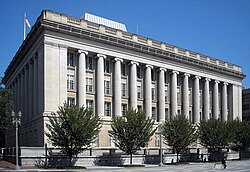
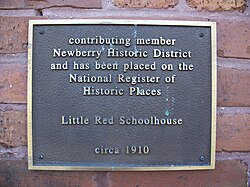
歴史地区が持つ歴史的な関連性、建築的な特徴、あるいは考古学的な価値を補完する物件を指します。例えば、19世紀に建てられた邸宅がそのままの姿で残っていれば、その地区の歴史的性格を形作る重要な要素となるため、寄与物件とみなされます。
非寄与物件(Non-contributing Property)
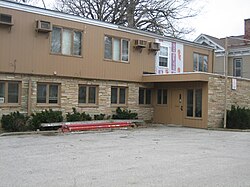
地区の境界線内に位置していても、その地区の歴史的意義に寄与しない物件です。具体例としては、歴史的な街並みの中に突如として現れる現代的なクリニックやガソリンスタンドなどが挙げられます。
判定を左右する「歴史的整合性」
ある物件が寄与物件であるかどうかを決定付ける最大の要因は、歴史的整合性(Historic Integrity)です。これは、建物が過去の姿をどれだけ物理的に保持しているかを示す指標です。たとえ古い建物であっても、外壁を現代的な素材(アスベストサイディングなど)で覆い隠したり、大幅な増改築を行ったりして元の特徴が失われた場合、その物件は「非寄与物件」へと格下げされることがあります。
米国における歴史保存法の歴史的変遷
米国で歴史地区内の建築変更を規制する地方条例が初めて制定されたのは、1931年のサウスカロライナ州チャールストン市でした。この条例では、通りから見える建築的特徴の変更が禁止されました。その後、1930年代半ばまでに他の都市でも同様の動きが広がりました。
1937年にはルイジアナ州憲法の改正により、ニューオーリンズのフレンチクォーターを保護する「ヴュー・カレ委員会(Vieux Carre Commission)」が設立されました。また、1939年にはテキサス州サンアントニオ市が、メキシコ時代の市場跡地であるラ・ヴィリタ地区を保護する条例を制定しています。
その後、保存の対象は地区全体から個別のランドマーク建築へと拡大し、1950年にはワシントンD.C.のジョージタウン地区が連邦法で保護されました。1976年には「国家歴史保存法(National Historic Preservation Act)」が成立し、保存体制が国家レベルで整備されました。1998年までに、全米で2,300以上の自治体が保存条例を導入するに至っています。
物件の分類と管理まとめ
国家歴史登録財の基準において、すべての物件は以下の4つのタイプに分類され、それぞれが寄与または非寄与として判定されます。
| 分類項目 | 内容 | 例 |
|---|---|---|
| 物件タイプ | 建物、構造物、物件、遺跡の4種 | 住宅、橋、記念碑、考古学的サイト |
| 寄与物件 | 地区の歴史的・建築的価値を高めるもの | 保存状態の良い19世紀の邸宅 |
| 非寄与物件 | 地区の価値に寄与しない、または整合性を失ったもの | 現代的な商業ビル、大幅に改築された古民家 |
| 判定基準 | 歴史的整合性と建築的特徴の保持 | 外観の維持、オリジナル素材の保持 |
Frequently Asked Questions
寄与物件に指定されると、どのようなメリットがありますか?
国家歴史登録財の歴史地区における寄与物件として認められると、個別に登録された歴史的建造物と同等の特典や権利を享受できる場合があります。
一度「寄与物件」になった建物が「非寄与物件」になることはありますか?
はい、あります。外壁の張り替えや大規模なリノベーションなどによって、その建物が持っていた歴史的な整合性が損なわれた場合、非寄与物件へと変更される可能性があります。
非寄与物件は歴史地区から取り壊して良いのでしょうか?
それは地域のゾーニング法や保存条例によって異なります。多くの歴史地区では、地区全体の調和を維持するために、非寄与物件であっても解体や変更に制限が設けられている場合があります。
歴史的整合性を判断するのは誰ですか?
一般的に、州の歴史保存局(State Historic Preservation Offices)などが調査を行い、建物の歴史的性格や建築的特徴を評価して判定します。
米国で最初に歴史地区の保存条例を作ったのはどこですか?
国立公園局(NPS)の記録によれば、1931年にサウスカロライナ州のチャールストン市が「古都歴史地区(Old and Historic District)」を指定したのが最初とされています。
References
- "Early Models". Working on the Past in Local Historic Districts. . Archived from the original on June 9, 2007. Retrieved April 23, 2007.
- However, the archived copy [see above] which is at an "archive dot org" web page, will not reflect updates, if and when the publisher -- nps dot gov -- makes changes to their web site. Therefore, in case such new changes do exist, if those new changes might be of interest, then here is a new ["cite"] link, to allow checking the new version of that web page. That new location (or "URL") was found on March 26, 2023, using a "search" feature of the "nps dot gov" web site. It is:
- "The Police Power, Eminent Domain, and the Preservation of Historic Property". Columbia Law Review. 63 (4). Columbia Law Review Association, Inc.: 708–732 1963. :10.2307/1120584. 0010-1958. 1120584.
- Pyke, John S. (1971). "Architectural Controls and the Individual Landmark". Law and Contemporary Problems. 36 (3). Duke University School of Law: 398–405. :10.2307/1191060. 0023-9186. 1191060.
- For a catalog of early historic district zoning ordinances, see "Further reading" number one, Morrison, J. Historic Preservation Law, pp. 6-9, 12-15, 126, 1965 ed.
- Hughes, L. Keith (1975). "Use of Zoning Restrictions to Restrain Property Owners from Altering or Destroying Historic Landmarks". Duke Law Journal. 1975 (4). Duke University School of Law: 999–1019. :10.2307/1372090. 0012-7086. 1372090.
- "Maine Historic Preservation Commission: Architectural Survey: Preservation Planning: Local Preservation Planning: Local Option Property Tax Reimbursement". maine.gov. July 25, 2008. Archived from the original on September 30, 2007.
- "ORDINANCE NO. 2001-02" (PDF). California Office of Historic Preservation (Danville, California ordinance). Retrieved February 19, 2007.
- "National Register Historic Districts Questions and Answers". state.sc.us. May 31, 2009. Archived from the original on April 22, 2010.
- "Iowa City Historic Preservation Handbook" (PDF). Iowa City Urban Planning Division. Archived from the original (PDF) on December 23, 2006. Retrieved March 26, 2007.
- "Historic Districts". Town of Wake Forest, North Carolina. Archived from the original on August 10, 2007. Retrieved April 9, 2007.
📸 フォトギャラリー