空に浮かぶ太陽が徐々に欠け、時には完全に闇に包まれる「日食」。この神秘的な現象は、地球と月、そして太陽が一直線に並ぶことで起こります。単なる視覚的な驚きだけでなく、日食は古くから天文学の発展に寄与し、現代でも宇宙の謎を解き明かす重要な手がかりとなっています。
Key Facts
- 日食の基本原理: 月が太陽と地球の間に位置し、太陽光を遮ることで発生します。
- 3つの主要タイプ: 太陽が完全に隠れる「皆既日食」、リング状に残る「金環日食」、一部が欠ける「部分日食」があります。
- 視直径の影響: 月と太陽の地球から見た見かけの大きさ(視直径)の比率によって、日食の種類が決まります。
- 観測の重要性: 皆既日食の最中には、通常は見えない太陽の外層大気である「コロナ」を観測できます。
- 発生周期: 約6ヶ月ごとの「食の季節」に発生し、サロス周期という長期的なサイクルで繰り返されます。
日食が発生する天文学的な仕組み
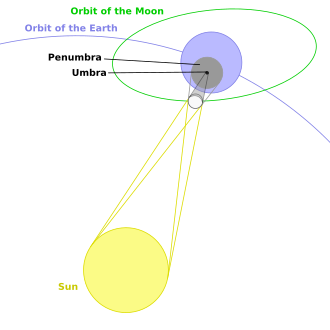
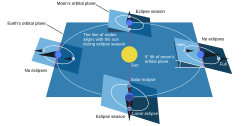
日食は、月が新月の位相にあるときに、太陽と地球のちょうど中間に位置することで起こります。しかし、毎月の新月で日食が起きないのは、月の公転面が地球の公転面に対して約5度傾いているためです。このため、月が地球の公転面を横切る「昇交点」または「降交点」付近に位置したときのみ、日食の条件が整います。
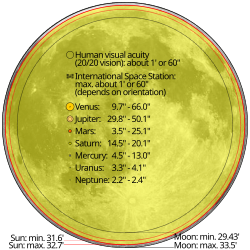
地球から見た太陽と月の「見かけの大きさ(視直径)」も重要な要素です。月は地球に近いため、非常に小さいながらも太陽とほぼ同じ大きさに広がって見えます。月が地球に最も近い「近地点」にあるときは視直径が大きくなり、太陽を完全に覆い隠すことが可能です。逆に、月が遠い「遠地点」にあるときは太陽を覆いきれず、外周に光の輪が残ります。
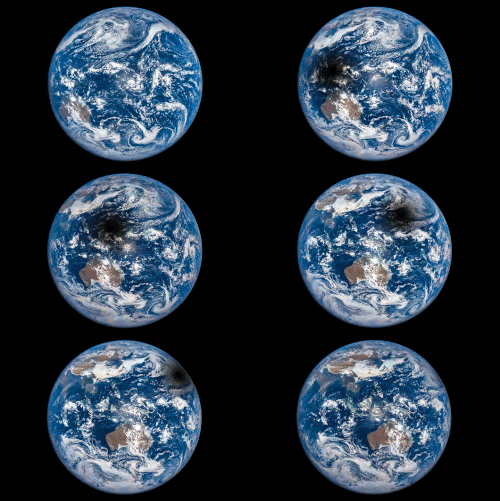
宇宙空間から見ると、日食は月が地球の表面に小さな暗い影を落とし、それが高速で移動していく様子として観察されます。
日食の4つの種類と特徴
皆既日食(Total Solar Eclipse)
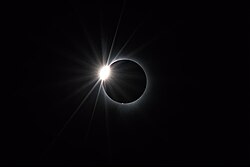
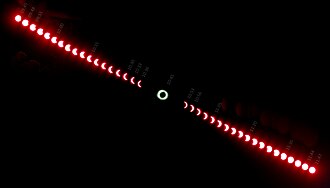
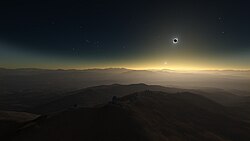
月が太陽の円盤を完全に覆い尽くす現象です。太陽が完全に隠れた瞬間、周囲に真珠のような光の粒(ベイリーズ・ビーズ)や、ダイヤモンドのような輝き(ダイヤモンドリング)が現れます。また、太陽の最外層であるコロナや、赤い炎のようなプロミネンスが観測できる唯一の機会です。
金環日食(Annular Solar Eclipse)
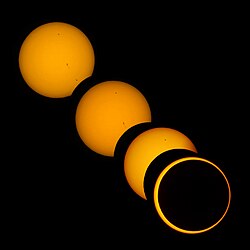
月が遠地点付近にあり、視直径が太陽よりも小さいために、太陽の中央が隠れても縁の部分がリング状に残る現象です。「火の輪」のように見えることから金環日食と呼ばれます。
部分日食(Partial Solar Eclipse)
太陽、月、地球が完全な一直線にならず、太陽の円盤の一部だけが月に隠される状態です。皆既日食や金環日食の周囲の地域でも、部分日食として観測されます。
ハイブリッド日食(Hybrid Eclipse)
地球の曲率により、観測地点によっては皆既日食に見え、別の地点では金環日食に見える非常に稀なタイプの日食です。
日食の周期と予測
日食はランダムに起きるのではなく、一定の周期性を持っています。特に「サロス周期」と呼ばれる約18年11日のサイクルは有名で、似た条件の日食が繰り返される傾向があります。また、地球の公転に伴い、約6ヶ月ごとに日食や月食が起こりやすい「食の季節」が訪れます。
歴史的に、日食の経路は地球上のほぼあらゆる場所を通過することが分かっています。しかし、特定の地点で皆既日食が見られる機会は非常に稀であるため、多くの天文ファンが最適な観測地を求めて旅をする「エクリプス・チェイシング(日食追跡)」という文化が生まれています。
![Total solar eclipse paths: 1001–2000, showing that total solar eclipses occur almost everywhere on Earth. This image was merged from 50 separate images from NASA.[36]](/images/eb/d6/ebd68d380d12ef32a60d5c0440233b1a0dc05df2803e57c19a2049c85e08dc28.gif)
科学的発見と歴史的影響
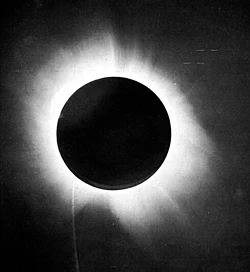
日食は単なる天体ショーではなく、物理学の重要な検証手段となってきました。1919年の皆既日食の際、アーサー・エディントンは太陽の重力によって遠くの星の光が曲がることを証明し、アインシュタインの一般相対性理論を裏付ける決定的な証拠を提示しました。
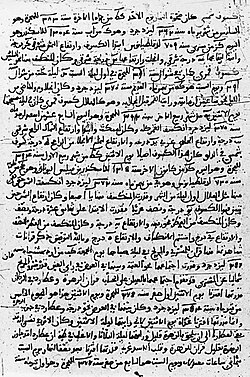
また、古代から中世にかけても日食は記録されており、天文学的な計算精度の向上に寄与しました。現代では、国際宇宙ステーション(ISS)などの人工衛星から、天候に左右されずに日食を観測することが可能です。
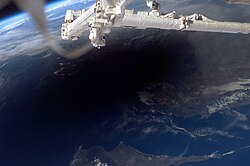
宇宙からの視点では、ISSが太陽の前を横切るトランジット現象と日食が同時に起こるなど、地上では不可能な視点でのデータ収集が行われています。
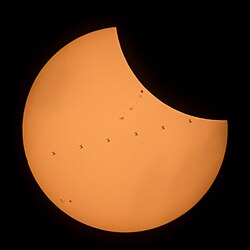
日食の観測データまとめ
| 天体 | 状態 | 距離(近似値) | 視直径(見かけの大きさ) |
|---|---|---|---|
| 月 | 近地点(最短) | 363,104 km | 33' 30" |
| 遠地点(最長) | 405,696 km | 29' 26" | |
| 太陽 | 近日点(最短) | 147,098,070 km | 32' 42" |
| 遠日点(最長) | 152,097,700 km | 31' 36" |
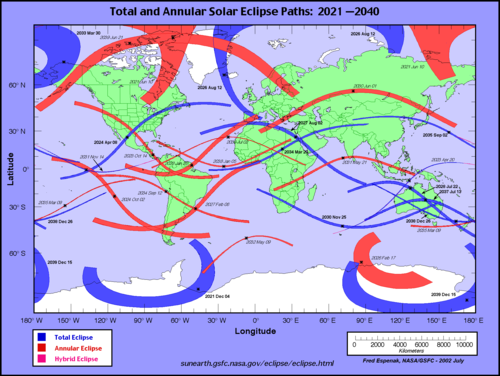
今後の日食スケジュール(2022年〜2040年)
近年の日食では、2024年4月8日の北米での皆既日食などが大きな注目を集めました。今後も世界各地で様々なタイプの日食が予測されており、特に2026年から2029年にかけては、皆既日食や金環日食が定期的に発生します。
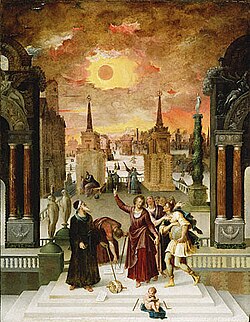
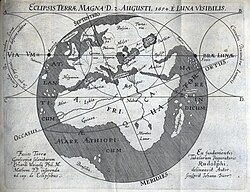
過去の記録を振り返ると、1921年のパリでの観測や、16世紀の天文学者による研究など、人類は常にこの現象に魅了され、記録し続けてきました。

Frequently Asked Questions
日食を直接肉眼で見ても大丈夫ですか?
いいえ、非常に危険です。皆既日食の完全な totality(皆既状態)の数分間を除き、太陽を直接見ることは網膜に深刻なダメージを与える可能性があります。必ず認定された日食グラスや適切なフィルターを使用してください。
なぜ皆既日食は世界中で同時に起きないのですか?
月の影(本影)が地球表面を通過する範囲が非常に狭いためです。完全に太陽が隠れる「皆既帯」と呼ばれる狭い経路の中にいる人だけが皆既日食を見ることができ、それ以外の地域では部分日食となります。
金環日食と皆既日食の違いは何ですか?
主な違いは「月と地球の距離」です。月が地球に十分近ければ太陽を完全に覆い隠して皆既日食になりますが、月が遠い位置にあると太陽を覆いきれず、外周に光の輪が残る金環日食になります。
日食はどのくらいの頻度で起こりますか?
部分日食を含む日食は、世界的に見れば年に数回発生します。しかし、特定の地点で皆既日食が観測できる確率は非常に低く、数百年に一度というケースも珍しくありません。
日食の時に動物や自然環境に変化はありますか?
皆既日食の際、急激に気温が低下し、周囲が暗くなるため、鳥が巣に戻ったり、夜行性の動物が活動し始めたりするなど、動物たちが混乱する様子が観察されることがあります。
References
- "What is an eclipse?". Space Science. . Archived from the original on 4 August 2018. Retrieved 4 August 2018.
- Littmann, Mark; Espenak, Fred; Willcox, Ken (2008). Totality: Eclipses of the Sun. Oxford University Press. pp. 18–19. .
- Five solar eclipses occurred in 1935. (September 6, 2009). "Five Millennium Catalog of Solar Eclipses". NASA Eclipse Web Site. , Project and Website Manager. Archived from the original on April 29, 2010. Retrieved January 26, 2010.
- Koukkos, Christina (May 14, 2009). "Eclipse Chasing, in Pursuit of Total Awe". The New York Times. Archived from the original on June 26, 2018. Retrieved January 15, 2012.
- Pasachoff, Jay M. (July 10, 2010). "Why I Never Miss a Solar Eclipse". The New York Times. Archived from the original on June 26, 2018. Retrieved January 15, 2012.
- Mobberley, pp. 30–38
- Harrington, pp. 4–5
- Hipschman, Ron. "Why Eclipses Happen". Exploratorium. Archived from the original on December 27, 2015. Retrieved January 14, 2012.
- Brewer, Bryan (January 14, 1998). "What Causes an Eclipse?". Earth View. Retrieved January 14, 2012.
{{}}: CS1 maint: deprecated archival service () - NASA – Eclipse 99 – Frequently Asked Questions Archived 2010-05-27 at the – There is a mistake in the How long will we continue to be able to see total eclipses of the Sun? answer, "...the Sun's angular diameter varies from 32.7 minutes of arc when the Earth is at its farthest point in its orbit (aphelion), and 31.6 arc minutes when it is at its closest (perihelion)." It should appear smaller when farther, so the values should be swapped.
📸 フォトギャラリー