Signing ceremony of the Treaty of Rome (1957), establishing the EEC
← ホームへ戻る

欧州連合(EU)の構造と歴史統合の歩みと現代の役割

欧州連合(EU)は、ヨーロッパの多くの国々が経済的・政治的な統合を目指して結成した世界的に類を見ない超国家的な組織です。単なる国家間の協力枠組みを超え、共通の通貨や法制度、国境検問の撤廃などを通じて、地域全体の平和と繁栄を追求しています。

現在、EUは27の加盟国で構成されており、ベルギーのブリュッセルを事実上の首都として、多様な言語と文化を持つ国々が一つの共同体として機能しています。
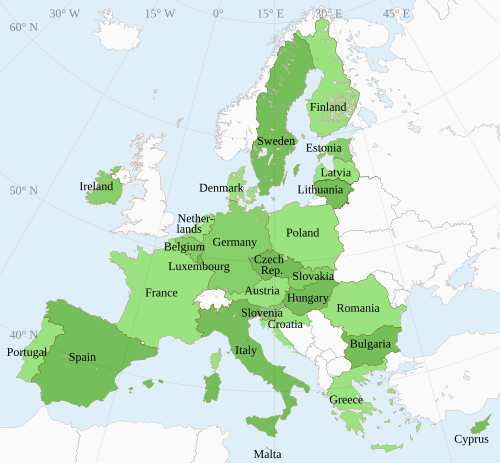
Map showing the member states of the European Union (clickable)

Key Facts

  • 加盟国数: 27カ国(2026年推計人口は約4億5,200万人)
  • 主要機関: 欧州委員会、欧州議会、欧州理事会、欧州中央銀行など
  • 共通通貨: ユーロ(€)※一部の加盟国は未導入
  • 経済規模: 名目GDPは約30.68兆ドル(2026年推計)
  • 主要な権利: 欧州連合基本権憲章による市民権の保障

欧州統合の歴史的変遷

EUの起源は、第二次世界大戦後のヨーロッパにおいて、二度と悲惨な戦争を繰り返さないという強い意志から始まりました。まずは石炭と鉄鋼という戦争物資の管理を共同で行うことで、相互依存を高め、紛争を物理的に不可能にすることを目指しました。

1957年のローマ条約によって欧州経済共同体(EEC)が設立され、経済的な結びつきが加速しました。
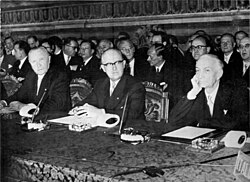
Signing ceremony of the Treaty of Rome (1957), establishing the EEC

その後、統合は段階的に深化しました。1992年のマーストリヒト条約により、現在の「欧州連合(EU)」という名称が誕生し、経済だけでなく政治や外交、司法面での協力体制が構築されました。
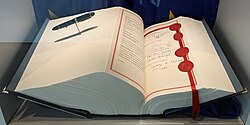
Maastricht Treaty (1992), establishing the EU

さらに2007年のリスボン条約によって、拡大したEUの意思決定プロセスを効率化するための制度改革が行われ、現代の統治体制が整えられました。
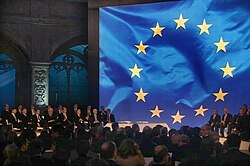
Signing ceremony of the Treaty of Lisbon (2007)

また、EUは内部の統合だけでなく、外部との関係構築にも注力してきました。1975年の欧州安全保障協力会議(CSCE)などの取り組みを通じて、冷戦期から現代に至るまで、広範な外交的アプローチを展開しています。
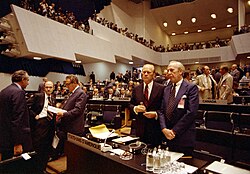
Gerald Ford and the American delegation at the CSCE (1975)

政治体制と統治メカニズム

EUの政治システムは、加盟国の主権と超国家的な権限が複雑に組み合わさった構造をしています。主な意思決定は、欧州理事会、欧州委員会、欧州議会の三者による調整によって行われます。
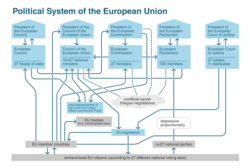
A schematic representation of the political system of the European Union, including realpolitik

組織の全体像を示す組織図からは、立法、執行、司法の機能がどのように分担されているかが分かります。
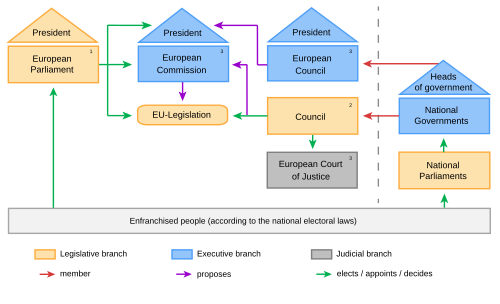
Organigram of the political system of the European Union

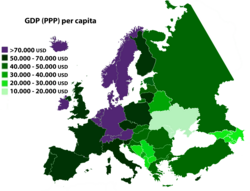
GDP (PPP) per capita (including non-EU countries)

権限の配分

EUの権限は大きく分けて3つのカテゴリーに分類されます。関税同盟や共通商業政策のようにEUが独占的に行使する「排他的権限」、環境や輸送などの分野で加盟国と共同で行う「共有権限」、そして文化や教育のように加盟国の活動を支援・補完する「支援権限」です。

経済・社会的な統合の成果

EUの最大の成果の一つが「単一市場」の形成です。これにより、商品、サービス、資本、そして人が国境を越えて自由に移動できるようになりました。
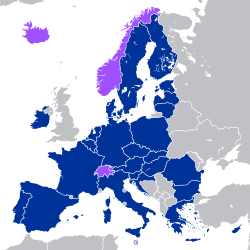
European Single Market EU member states Non-EU states which participate

また、関税を撤廃した欧州関税同盟や、共通の貿易ルールを適用することで、世界市場における競争力を高めています。
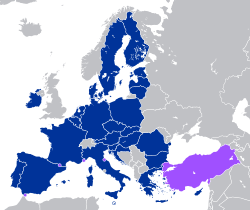
European Customs Union EU member states Non-EU states which participate

通貨統合についても、多くの国がユーロを採用し、為替リスクの排除と価格の透明化を実現しました。ただし、デンマークのようにオプトアウト(適用除外)を選択している国も存在します。
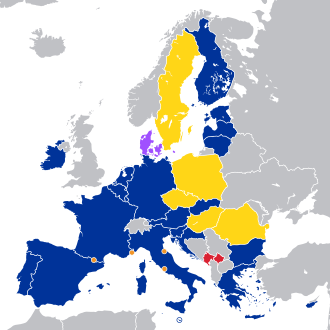
Eurozone participation European Union member states(special territories not shown) 21 in the eurozone 1 in ERM II, with an opt-out (Denmark) 5 not in ERM II, but committed to join the eurozone after meeting the convergence criteria (Czech Republic, Hungary, Poland, Romania, and Sweden) Non–EU member states 4 using the euro with a monetary agreement (Andorra, Monaco, San Marino, and Vatican City) 2 using the euro unilaterally (Kosovo and Montenegro) vte

インフラと移動の自由

シェンゲン協定により、加盟国間の国境検問が原則として撤廃され、旅行やビジネスの利便性が飛躍的に向上しました。
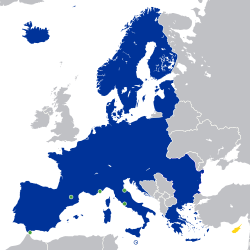
Map of the Schengen Area Schengen Area Countries de facto participating Members of the EU committed by treaty to join the Schengen Area in the future

さらに、欧州全域をカバーする交通ネットワーク(TEN-T)の整備が進められており、物流の効率化が図られています。
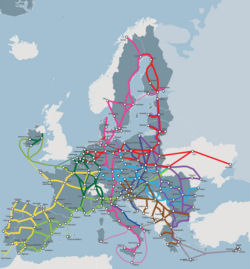
Map of the Trans-European Transport Network

港湾設備においても、ロッテルダム港のような世界最大級の拠点が、EU全体の貿易を支える重要なインフラとなっています。
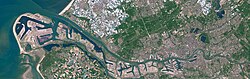
Satellite photo of the Port of Rotterdam

地理・環境と現代の課題

EUの地理的範囲は広大であり、その排他的経済水域(EEZ)は世界最大規模に達しています。

The EU's exclusive economic zone (EEZ). At 25 million square kilometres, it is the largest in the world.[241]

地形や気候は多様ですが、近年では気候変動による平均気温の上昇が深刻な課題となっており、欧州グリーンディールなどの環境政策が推進されています。
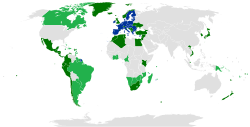
EU free trade agreements European Union Agreement in force Agreement (in part) provisionally applied

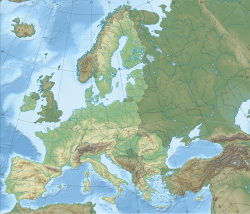
Topographic map of Europe (EU highlighted)

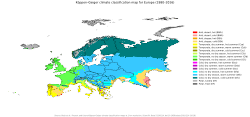
A Köppen–Geiger climate classification map of Europe (including non-EU member states)

Increase of average yearly temperature in selected cities in Europe (1900–2017)[183]

地域格差の是正

EU内には経済的に発展した地域とそうでない地域の格差が存在します。これを解消するため、地域分類に基づいた構造基金などの支援策が講じられています。
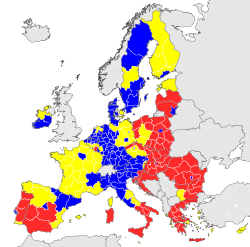
Classification of regions from 2021 to 2027 Less developed regions Transition regions More developed regions

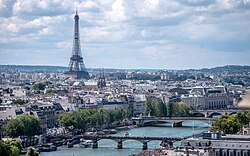
人口密度においても、パリのような巨大都市圏から人口の少ない地方まで大きな開きがあります。
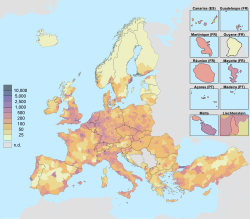
Map showing the population density by NUTS3 region, 2017, including non-EU countries

The Paris metropolitan area is the most populous urban area in the EU.

外交・安全保障と国際協力

EUは、近隣諸国との関係を深めるため「欧州近隣政策」を展開しています。東欧諸国との「東方パートナーシップ」や、地中海沿岸諸国との「地中海連合」などがその代表例です。
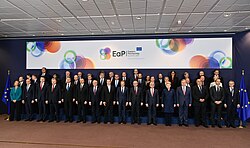
Eastern Partnership Summit 2017, Brussels

Union for the Mediterranean meeting in Barcelona

安全保障面では、NATO(北大西洋条約機構)と密接に連携しつつ、独自の軍事スタッフや防衛能力の向上を図っています。
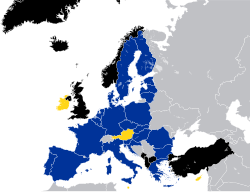
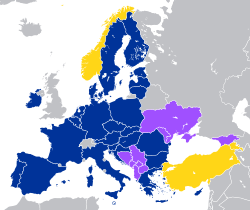
Map showing European membership of the EU and NATO EU member only NATO member only EU and NATO member

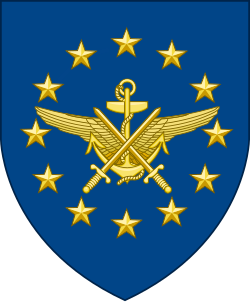
Coat of arms of the Military Staff

また、宇宙開発においても「ガリレオ」などの独自の衛星測位システムを運用し、技術的な自立を推進しています。

Galileo control centre in Oberpfaffenhofen, Germany

Energy Community

文化・教育と市民の権利

EUは、多様な言語と文化を尊重する共同体です。24の公用語が認められており、教育面では「エラスムス計画」を通じて学生の相互交流を促進しています。
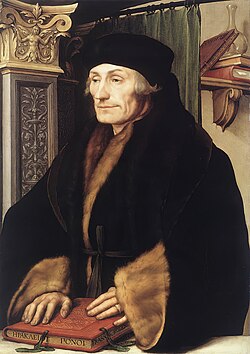
Erasmus of Rotterdam, the Renaissance humanist after whom the Erasmus Programme is named

市民の権利については、基本権憲章によって政治的・社会的・経済的な権利が保障されており、EU市民としてのアイデンティティが形成されています。

The Charter of Fundamental Rights of the European Union contains a wide range of political, social, and economic rights for EU citizens.

また、欧州の象徴である旗や賛歌、そしてエッフェル塔に掲げられたシンボルなどは、統合の精神を視覚的に表現しています。
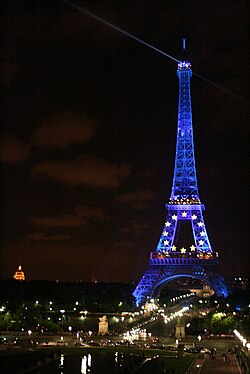
The European emblem emblazoned on the Eiffel Tower

メディア分野では、ユーロニュースのような多言語放送局が、欧州視点での情報発信を担っています。
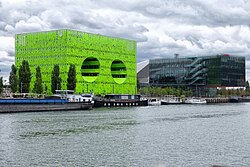
Euronews headquarters in Lyon, France

こうした文化的な結びつきは、古代ギリシャ・ローマ時代からの歴史的遺産にも根ざしています。
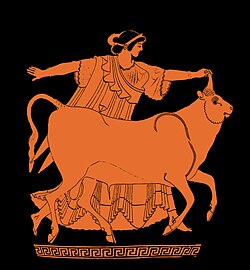
Europa and the Bull on a Greek vase, c. 480 BC. Tarquinia National Museum, Italy.

また、現代のEUの取り組みを象徴する取り組みとして、アテネの古代アゴラに掲げられた「Next Generation EU」のサインのように、次世代への投資と復興への意志が示されています。
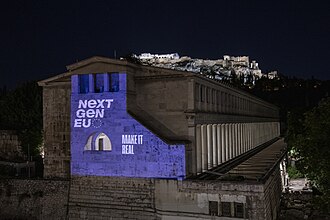
The ancient Roman Agora in Athens illuminated with a Next Generation EU sign

EUの基本データまとめ

項目 詳細・数値
加盟国数 27カ国
総面積 約4,225,104 km²
推定人口(2026年) 約4億5,199万人
名目GDP(2026年推計) 30.678兆ドル
一人当たり名目GDP 67,957ドル
公用語数 24言語
主要通貨 ユーロ(€)

Frequently Asked Questions

EUとNATOの違いは何ですか?

EUは主に経済的・政治的な統合を目的とした超国家的な連合であり、単一市場や共通通貨などの制度を運用しています。一方、NATOは北米と欧州の国々による軍事同盟であり、集団防衛を主目的としています。多くの国が両方に加盟していますが、役割は明確に異なります。

すべてのEU加盟国がユーロを使っていますか?

いいえ、すべての加盟国がユーロを使用しているわけではありません。多くの国が導入していますが、デンマークのように法的にオプトアウト(適用除外)している国や、導入基準を満たすまで自国通貨を維持している国が存在します。

シェンゲン協定とは具体的にどのような仕組みですか?

シェンゲン協定は、加盟国間での国境検問を撤廃し、人々がパスポートコントロールなしに自由に移動できるようにした仕組みです。これにより、EU域内での旅行や通勤、物流が非常にスムーズになっています。

EUの意思決定はどのように行われますか?

主に、EUの政策方向性を決める「欧州理事会」、具体的な法案を提出する「欧州委員会」、そして市民の代表である「欧州議会」と加盟国政府の代表である「EU理事会」が共同で立法プロセスを担うことで決定されます。

EUに加盟するための条件はありますか?

加盟には「コペンハーゲン基準」と呼ばれる条件を満たす必要があります。これには、安定した民主主義制度の確立、法の支配の遵守、人権の尊重、そしてEUの競争ルールや市場経済に耐えうる経済能力などが含まれます。

References

  1. Although not EU treaties per se, these treaties affected the of the EU defence arm, a main part of the CFSP. The Franco-British alliance established by the Dunkirk Treaty was de facto superseded by WU. The CFSP pillar was bolstered by some of the security structures that had been established within the remit of the 1955 (MBT). The Brussels Treaty was in 2011, consequently dissolving the WEU, as the mutual defence clause that the Lisbon Treaty provided for EU was considered to render the WEU superfluous. The EU thus de facto superseded the WEU.
  2. Plans to establish a (EPC) were shelved following the French failure to ratify the (EDC). The EPC would have combined the ECSC and the EDC.
  3. The obtained common institutions and a shared (i.e. ability to e.g. sign treaties in their own right).
  4. The treaties of Maastricht and Rome form the EU's , and are also referred to as the (TEU) and the (TFEU), respectively. They are amended by secondary treaties.
  5. Between the EU's founding in 1993 and consolidation in 2009, the union consisted of , the first of which were the European Communities. The other two pillars consisted of additional areas of cooperation that had been added to the EU's remit.
  6. The consolidation meant that the EU inherited the European Communities' and that the , resulting in the EU framework as such covering all policy areas. Executive/legislative power in each area was instead determined by a between and . This distribution, as well as treaty provisions for policy areas in which unanimity is required and is possible, reflects the depth of EU integration as well as the EU's partly and partly nature.

📸 フォトギャラリー

Signing ceremony of the Treaty of Rome (1957), establishing the EEC
Gerald Ford and the American delegation at the CSCE (1975)
Maastricht Treaty (1992), establishing the EU
Signing ceremony of the Treaty of Lisbon (2007)
The ancient Roman Agora in Athens illuminated with a Next Generation EU sign
Map showing the member states of the European Union (clickable)
A schematic representation of the political system of the European Union, including realpolitik
Organigram of the political system of the European Union
Eastern Partnership Summit 2017, Brussels
Union for the Mediterranean meeting in Barcelona
Map showing European membership of the EU and NATO EU member only NATO member only EU and NATO member
Coat of arms of the Military Staff
Topographic map of Europe (EU highlighted)
A Köppen–Geiger climate classification map of Europe (including non-EU member states)
Increase of average yearly temperature in selected cities in Europe (1900–2017)[183]
GDP (PPP) per capita (including non-EU countries)
Eurozone participation European Union member states(special territories not shown) 21 in the eurozone 1 in ERM II, with an opt-out (Denmark) 5 not in ERM II, but committed to join the eurozone after meeting the convergence criteria (Czech Republic, Hungary, Poland, Romania, and Sweden) Non–EU member states 4 using the euro with a monetary agreement (Andorra, Monaco, San Marino, and Vatican City) 2 using the euro unilaterally (Kosovo and Montenegro) vte
European Single Market EU member states Non-EU states which participate
European Customs Union EU member states Non-EU states which participate
EU free trade agreements European Union Agreement in force Agreement (in part) provisionally applied
Energy Community
Map of the Trans-European Transport Network
Satellite photo of the Port of Rotterdam
Map of the Schengen Area Schengen Area Countries de facto participating Members of the EU committed by treaty to join the Schengen Area in the future
Galileo control centre in Oberpfaffenhofen, Germany
The EU's exclusive economic zone (EEZ). At 25 million square kilometres, it is the largest in the world.[241]
Classification of regions from 2021 to 2027 Less developed regions Transition regions More developed regions
Map showing the population density by NUTS3 region, 2017, including non-EU countries
The Paris metropolitan area is the most populous urban area in the EU.
Erasmus of Rotterdam, the Renaissance humanist after whom the Erasmus Programme is named
The Charter of Fundamental Rights of the European Union contains a wide range of political, social, and economic rights for EU citizens.
Europa and the Bull on a Greek vase, c. 480 BC. Tarquinia National Museum, Italy.
Euronews headquarters in Lyon, France
The European emblem emblazoned on the Eiffel Tower