地球の表面の大部分を覆う海洋は、単なる水の塊ではなく、複雑な地形と多様な生命を抱くダイナミックな世界です。海面から最深部の海溝に至るまで、水深に応じて温度、圧力、塩分濃度が劇的に変化し、それぞれに最適化した独自の生態系が形成されています。
海洋の構造は大きく分けて、水柱を指すペラジックゾーン(外洋帯)と、海底面およびその直上の領域を指すベンティックゾーン(底生帯)に分類されます。特に海底付近の環境は、堆積物の種類や地形によって、驚くほど多様な生物のすみかを提供しています。
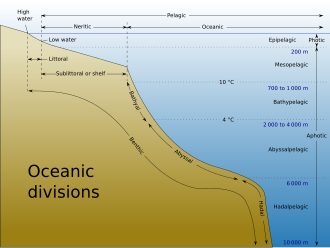
海洋の垂直構造と地形
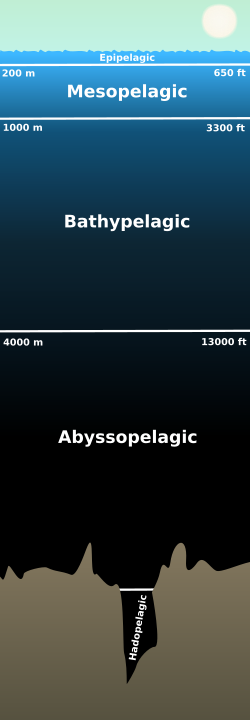
深海は水深によっていくつかの帯域に分かれています。水深約6,000mまでをアビサルゾーン(深海帯)と呼び、さらにその下の6,000mから最大11,000mに達する海溝などの最深部はハダルゾーン(超深海帯)と呼ばれます。
海底の地形は陸地と同様に多様で、大陸棚から始まり、広大な深海平原、火山活動による海山や中央海嶺、そして深い谷である海溝などが存在します。これらの地形的特徴が、海流や物質の循環に大きな影響を与えています。
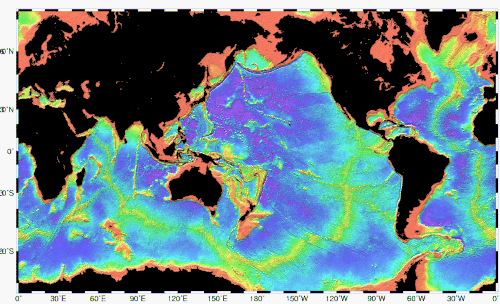
海底堆積物の種類と特性
海底を覆う堆積物は、その起源によって大きくいくつかに分類されます。代表的なのが、陸地から運ばれてきた陸源堆積物と、海洋生物の遺骸からなる生物源堆積物です。
生物源堆積物のうち、生物由来の成分が30%以上含まれるものは「ウーズ」と呼ばれます。これには、石灰質プランクトンの殻からなる石灰質ウーズと、珪藻などの殻からなる珪質ウーズがあります。特に石灰質ウーズは、水深4,000〜5,000mを超えるとカルシウムが溶解するため、それ以上の深海では見られません。
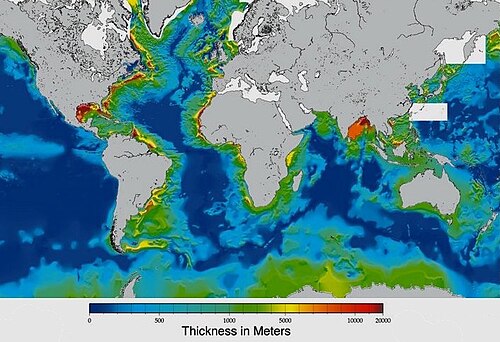
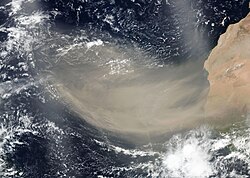
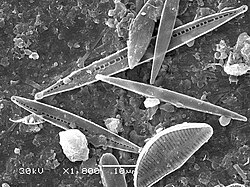
また、熱水噴出孔付近では化学反応によって鉱物が沈殿し、特殊な堆積物が形成されます。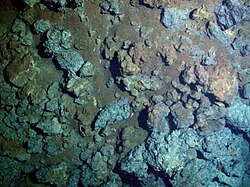
粒径による分類と環境
堆積物は粒の大きさによっても分類され、巨礫(boulder)から砂(sand)、シルト(silt)、そして最も細かい粘土(clay)まで分かれます。粒が大きいほど沈降速度が速く、強い流れがある高エネルギー環境で堆積し、逆に細かい粒子は穏やかな低エネルギー環境に蓄積する傾向があります。
![Sediment types from the Southern Ocean showing many different grain sizes: A) gravel and sand, B) gravel, C) bioturbated mud and sand, and D) laminated clays and silts.[10]](/images/23/53/23534b5480e70b4b26950409e9288fa51a6febd328f7be5590b2bc924047faa6.jpg)
ベントス(底生生物)の多様性
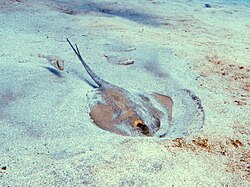
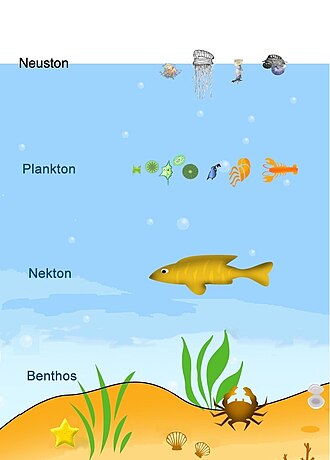
海底に生息する生物の総称をベントス(底生生物)と呼びます。彼らは、浮遊して生活するプランクトンや、自由に泳ぎ回るネクトン(遊泳生物)とは対照的に、海底という物理的に多様な環境を利用して生活しています。
泥や砂などの柔らかい堆積物の中には潜り込んで生活する生物がおり、一方で岩場などの硬い基質には、カキやフジツボのような固着性生物が付着します。このような環境の多様性が、ベントスの種数を飛躍的に増やしており、その数は100万種を超え、外洋帯の生物種数を大きく上回っています。
人類による海洋底への影響
現代において、人類の活動は深海にまで深刻な影響を及ぼしています。特に問題となっているのが、マイクロプラスチックの蓄積です。ある研究では、地球の海底に約1,400万トンのマイクロプラスチックが存在すると推定されており、これは年間の海洋プラスチック流入量の1〜2倍に相当するとされています。
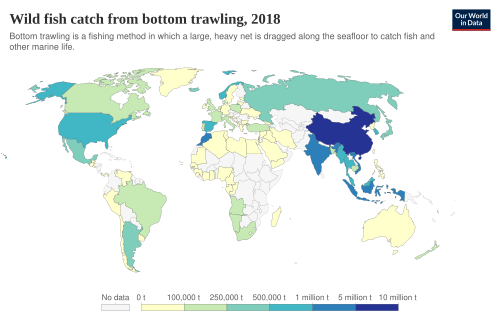
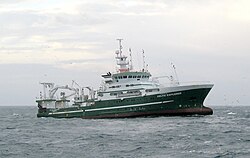
また、漁業における底引き網漁(ボトムトラウリング)は、海底の地形や生態系を物理的に破壊するだけでなく、海底に貯蔵されていた二酸化炭素を放出させ、気候変動に影響を与える可能性が指摘されています。
深海採掘の現状と課題
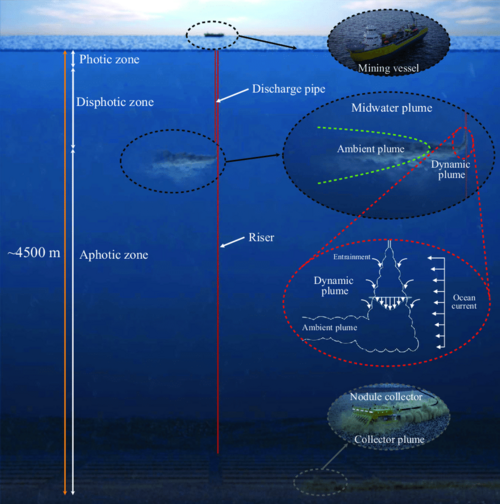
近年、銅、ニッケル、コバルト、マンガンなどの希少金属を含む多金属結核の商業的採掘への関心が高まっています。特に深海平原に点在するこれらの結核は、陸上資源を遥かに凌ぐ埋蔵量を持つとされています。
国際海底機構(ISA)が国際水域の規制を担っていますが、環境破壊への懸念から、多くの国や企業が慎重な姿勢を示しています。一方で、米国やノルウェー、クック諸島などは、経済的・戦略的観点から採掘の推進や探索許可の検討を進めています。
Key Facts
- 深海の構造: 水深6,000mまでのアビサルゾーンと、それ以下のハダルゾーンに大別される。
- 堆積物の特性: 生物由来の「ウーズ」があり、石灰質は水深4,000〜5,000m以上の深海では溶解する。
- 生物多様性: ベントス(底生生物)は100万種を超え、外洋帯の生物よりも圧倒的に多様である。
- 環境汚染: 海底には推定1,400万トンのマイクロプラスチックが蓄積している。
- 資源開発: 多金属結核によるコバルトなどの希少金属採掘が検討されているが、環境影響が懸念されている。
海洋底の概要まとめ
| ゾーン/項目 | 水深/範囲 | 主な特徴 |
|---|---|---|
| アビサルゾーン | 〜6,000m | 広大な深海平原が広がる主要な深海域 |
| ハダルゾーン | 6,000〜11,000m | 海溝を含む地球で最も深い領域 |
| 生物源堆積物 | 全域(条件による) | プランクトンの殻などが堆積したウーズを形成 |
| ベントス | 海底面 | 100万種以上の極めて高い生物多様性を持つ |
Frequently Asked Questions
石灰質ウーズが深海で見つからないのはなぜですか?
水深が約4,000〜5,000mを超えると、水圧の上昇と化学的条件の変化により、石灰質(炭酸カルシウム)が溶解してしまうためです。
底引き網漁が環境に与える影響とは何ですか?
海底の物理的な破壊による生息地の喪失に加え、海底堆積物に固定されていた二酸化炭素を放出させ、温室効果ガスとして大気へ影響を与える可能性が議論されています。
多金属結核とは何ですか?
深海平原の海底に存在する、マンガン、ニッケル、コバルト、銅などの金属成分が凝集してできた塊状の鉱物資源のことです。
ベントスとプランクトンの違いは何ですか?
ベントスは海底や底質に依存して生活する「底生生物」であるのに対し、プランクトンは海流に乗って漂う「浮遊生物」を指します。
海底のマイクロプラスチックはどのように蓄積しますか?
海表面のプラスチック密度や海底の斜面角度などが影響し、徐々に沈降して堆積物の中に組み込まれることで蓄積していきます。
References
- Kump, Lee R.; Kasting, James F.; Crane, Robert G. (2010). "Chapter 7. Circulation of the Solid Earth". The Earth System (3rd ed.). New Jersey: Pearson Education, Inc. pp. 122–148. .
- "Open Ocean – Oceans, Coasts, and Seashores". National Park Service. Retrieved 13 October 2021.
- NOAA. "Ocean floor features". National Oceanic and Atmospheric Administration. Retrieved 13 October 2021.
- Flood, Roger D.; Piper, D.J.W. (1997). "Preface: Depth Below Seafloor Conventions". In Flood; Piper; Klaus, A.; Peterson, L.C. (eds.). Proceedings of the Ocean Drilling Program, Scientific Results. Vol. 155. p. 3. :10.2973/odp.proc.sr.155.200.1997.
we follow Ocean Drilling Program (ODP) meters below seafloor (mbsf) convention
- Parkes, R. John; Henrik Sass (2007). Barton, Larry L. (ed.). Sulphate-reducing bacteria environmental and engineered systems. Cambridge University Press. pp. 329–358. :10.1017/CBO9780511541490.012. . Archived from the original on 25 July 2011. Retrieved 11 June 2010.
metres below the seafloor (mbsf)
- Chester, Roy; Jickells, Tim (2012). "Chapter 15. The components of marine sediments". Marine Geochemistry (3rd ed.). Blackwell Publishing Ltd. pp. 321–351. .
- Chester, Roy; Jickells, Tim (2012). "Chapter 13. Marine sediments". Marine Geochemistry (3rd ed.). Blackwell Publishing Ltd. pp. 273–289. .
- "The Bottom of the Ocean," Marine Science
- "Types of Marine Sediments", Article Myriad
- Grobe, Hannes; Kiekmann, Bernhard; Hillenbrand, Claus-Dieter. "The memory of polar oceans" (PDF). AWI: 37–45.
📸 フォトギャラリー