私たちが日々呼吸している空気には、目に見えない水蒸気が含まれています。この水蒸気の量を示す「湿度」は、単なる気象データではなく、私たちの体感温度や健康状態、さらには建物の耐久性にまで大きな影響を与える重要な要素です。本記事では、湿度の定義から測定方法、そして生活への具体的な影響までを詳しく解説します。
Key Facts
- 相対湿度は温度に依存し、同じ水蒸気量でも気温が下がると数値が上昇します。
- 露点とは、空気が冷やされて水蒸気が凝結し始める温度のことです。
- 湿った空気は、乾燥した空気よりも密度が低く、軽くなります。
- 人間が快適に感じる室内の相対湿度は、一般的に30%から60%の間とされています。
- 高湿度はインフルエンザウイルスの感染力を低下させる効果があります。
湿度の基本概念とメカニズム
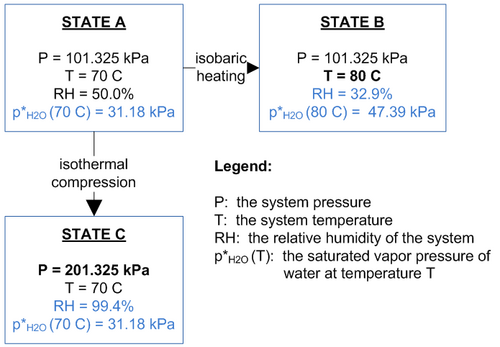
湿度は、システムの温度と圧力によって変動します。重要なのは、空気中に保持できる水蒸気の最大量は温度によって異なるという点です。気温が高くなるほど、空気はより多くの水蒸気を蓄えることができます。例えば、8°Cの空気では1立方メートルあたり8gの水蒸気が飽和状態になりますが、30°Cでは28gまで保持可能です。
ここで重要になるのが相対湿度(Relative Humidity, RH)です。これは、ある温度における飽和水蒸気圧に対する現在の水蒸気圧の比率で表されます。気温が低下すると、空気の保水能力が下がるため、水蒸気量が変わらなくても相対湿度は上昇します。やがて飽和点に達すると、水蒸気は液体となり、結露や霧が発生します。
![Global distribution of relative humidity at the surface averaged over the years 1981–2010 from the CHELSA-BIOCLIM+ data set[1]](/images/a1/ee/a1ee667b063d34acc2a3ecc5286184f6468c30c3e70a080ab74eeb6792bbfd22.png)
空気の密度と組成
意外な事実に、湿った空気は乾燥した空気よりも軽い(密度が低い)という特性があります。これは、空気の主成分である窒素(分子量 約28)や酸素(分子量 約32)に比べ、水分子(分子量 約18)の方が質量が小さいためです。乾燥空気の約78%は窒素、21%が酸素で構成されており、残りの1%にその他のガスが含まれています。
湿度測定と計測機器
湿度を正確に把握するために、さまざまな湿度計(Hygrometer)が利用されています。伝統的な乾湿計から、現代的なデジタル温湿度計まで、用途に応じて使い分けられています。
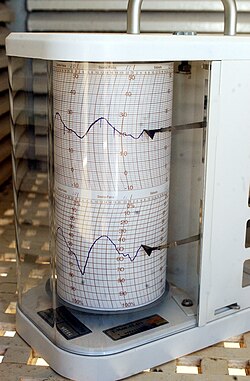
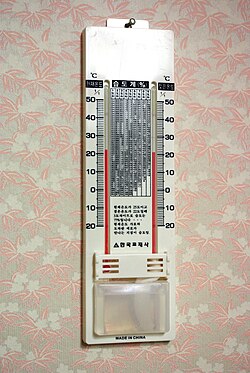
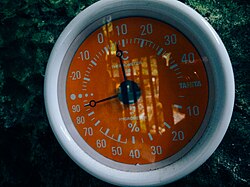
専門的な計算では、温度(乾球温度)と絶対圧力から平衡水蒸気圧を推定する「アーデン・バック式」などの数式が用いられます。これにより、誤差0.20%未満という高い精度で水蒸気圧を算出することが可能です。
湿度制御のツール
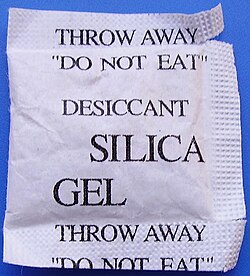
特定の湿度を維持する必要がある場合、湿度調節器(Hygrostat)が使用されます。また、シガーなどの精密な管理が必要な物品にはヒュミドールが、電子機器の防湿にはシリカゲルなどの乾燥剤が活用されています。
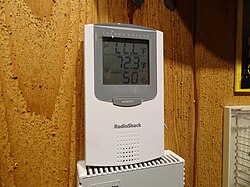

人間への影響と快適性の基準
湿度と温度の組み合わせは、私たちが感じる「体感温度」に直結します。特に夏季の高湿度環境では、皮膚からの汗の蒸発が妨げられるため、体温調節が困難になり、不快感が増します。これを数値化したものが熱指数(Heat Index)です。例えば、気温26.7°Cで相対湿度が75%の場合、体感温度は約28.7°Cまで上昇します。
![Paranal Observatory on Cerro Paranal in the Atacama Desert is one of the driest places on Earth.[6]](/images/33/95/3395f34b2930508714577e7d26ebd587b68bb6662aca95549ff073fa7cf407b1.jpg)
理想的な室内環境
人間が快適に過ごせる湿度の範囲は広く、一般的に30%から70%程度とされますが、理想的には40%から60%の間が推奨されます。ASHRAE(米国暖房冷凍空調学会)の基準などでは、温度に応じて適切な湿度設定が異なります。気温が上がると、快適さを維持するために必要な相対湿度は低くなる傾向にあります。
冬場の暖房による乾燥は、相対湿度を30%以下に低下させることがあります。これにより、肌の乾燥や目の不快感、静電気の発生といった問題が起こります。これは、屋外の湿った空気が室内に取り込まれ、暖められることで保水能力(飽和水蒸気量)が増大し、結果として相対湿度が急落するためです。

産業・建築・健康への影響
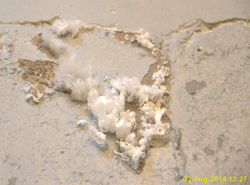
湿度は人間だけでなく、構造物や生物にも影響を与えます。建築分野では、過度な高湿度は壁材の白華現象(エフロレッセンス)などの構造的ダメージを引き起こす原因となります。
一方で、健康面では興味深い特性があります。研究によれば、高い湿度レベルはエアロゾル化したインフルエンザウイルスの感染力を低下させることが示されています。
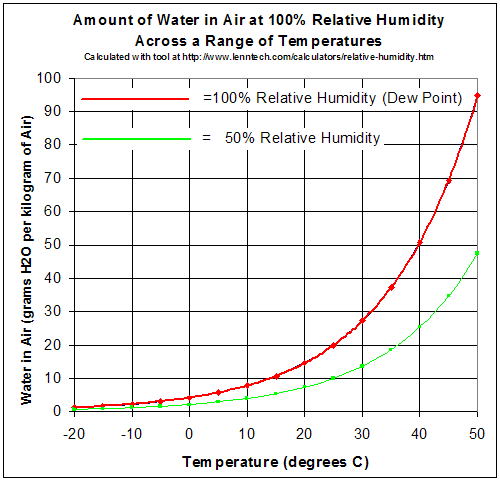
温度と相対湿度による絶対湿度の関係
以下の表は、温度と相対湿度の変化に伴い、空気中に含まれる水蒸気の量(絶対湿度)がどのように変化するかを示しています。温度が11°C(20°F)上昇するごとに、最大絶対湿度は約2倍になるという経験則があります。
| 温度 | RH 20% | RH 40% | RH 60% | RH 80% | RH 100% |
|---|---|---|---|---|---|
| 30 °C | 9.1 | 12.1 | 18.2 | 24.3 | 30.4 |
| 20 °C | 5.2 | 6.9 | 10.4 | 13.8 | 17.3 |
| 10 °C | 2.8 | 3.8 | 5.6 | 6.6 | 9.4 |
| 0 °C | 1.5 | 1.9 | 2.9 | 3.9 | 4.8 |
| -10 °C | 0.7 | 0.9 | 1.4 | 1.9 | 2.3 |
Frequently Asked Questions
相対湿度と絶対湿度の違いは何ですか?
絶対湿度は、空気の単位体積あたりに含まれる水蒸気の実際の質量(g/m³など)を指します。一方、相対湿度は、その温度で保持できる最大量(飽和水蒸気量)に対して、現在どれくらいの水蒸気が含まれているかをパーセンテージで表したものです。
なぜ冬に室内が乾燥するのですか?
屋外の冷たい空気は少量の水蒸気しか持っていませんが、それを室内で暖めると、空気の保水能力(飽和水蒸気量)が大幅に増加します。水蒸気の絶対量が変わらなくても、器(保水能力)が大きくなるため、相対的な割合(相対湿度)が低下し、乾燥したと感じるようになります。
快適な湿度の範囲はどれくらいですか?
一般的に、人間が快適に感じる室内の相対湿度は30%から60%の間とされています。ただし、これは温度に依存し、気温が高いときほど、より低い湿度の方が快適に感じられます。
湿度が高いと体感温度が上がるのはなぜですか?
人間は汗を蒸発させることで体温を下げていますが、周囲の湿度が高いと汗が蒸発しにくくなります。その結果、体内に熱がこもりやすくなり、実際の気温よりも暑く感じられるためです。
露点とは具体的にどのような状態ですか?
露点とは、ある温度と湿度を持つ空気が冷却されたとき、水蒸気が飽和して結露し始める温度のことです。空気の温度が露点まで下がると、相対湿度は100%に達し、水滴となって現れます。
References
- Brun, Philipp; Zimmermann, Niklaus E.; Hari, Chantal; Pellissier, Loïc; Karger, Dirk N. (27 June 2022). "Global climate-related predictors at kilometre resolution for the past and future" (PDF). ESSD – Land/Biogeosciences and biodiversity. :10.5194/essd-2022-212. Archived (PDF) from the original on 8 January 2023.
- "What is water vapor?". WeatherQuestions.com. Archived from the original on 11 March 2019. Retrieved 28 August 2012.
- "A Discussion of Water Vapor, Humidity, and Dewpoint, and Relationship to Precipitation". . Retrieved 21 July 2025.
Absolute humidity (expressed as grams of water vapor per cubic meter volume of air) is a measure of the actual amount of water vapor (moisture) in the air, regardless of the air's temperature. The higher the amount of water vapor, the higher the absolute humidity.
- Babin, Steven M. (1998). "Relative Humidity & Saturation Vapor Pressure: A Brief Tutorial". . Archived from the original on 13 July 1998. Retrieved 28 November 2022. (Alternate title: "Water Vapor Myths: A Brief Tutorial".)
- Fraser, Alistair B. "Bad Clouds FAQ". Penn State College of Earth and Mineral Sciences. Archived from the original on 17 June 2006.
- "Antarctic Air Visits Paranal". ESO Picture of the Week. Archived from the original on 28 November 2020. Retrieved 4 February 2014.
- "Climate – Humidity indexes". Encyclopaedia Britannica. Archived from the original on 16 November 2020. Retrieved 15 February 2018.
- "Climate/humidity table". Transport Information Service of the German Insurance Association. Archived from the original on 12 November 2020. Retrieved 15 February 2018.
- Saville, B.P. (1999). "Textiles and moisture". Physical Testing of Textiles. Elsevier. pp. 26–43. :10.1533/9781845690151.26. .
- Sadraey, Mohammad H. (2017). Aircraft Performance: An Engineering Approach. CRC Press. p. 18. .
📸 フォトギャラリー