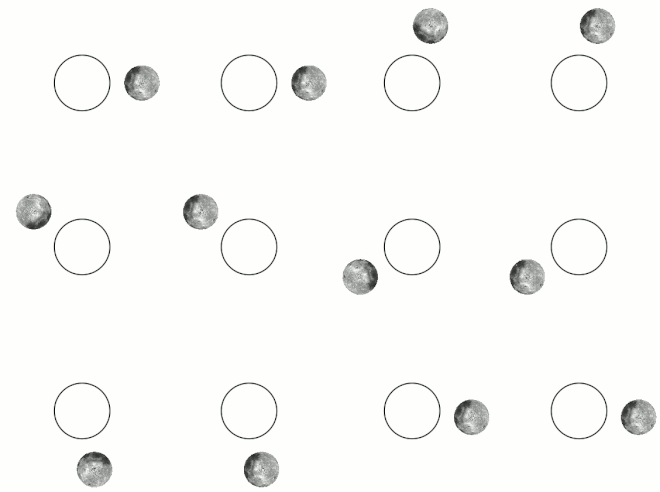
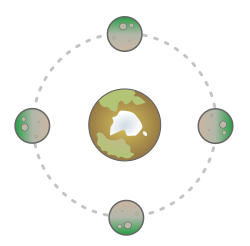
夜空に浮かぶ月を眺めていると、常に同じ面だけが見えていることに気づくはずです。これは偶然ではなく、天文学的に潮汐ロック(Tidal Locking)と呼ばれる現象が起きているためです。この現象は、互いに重力で引き合う2つの天体の間で発生し、最終的に一方または両方の自転速度が公転速度と一致する状態を指します。
一般的に、潮汐ロックは「同期回転」とも呼ばれ、天体が自転に要する時間と、パートナーとなる天体の周囲を一周する時間が等しくなった状態を意味します。これにより、一方の天体からは常に相手の同じ面だけが見えることになります。
Key Facts
- 同期回転:自転周期と公転周期が完全に一致し、常に同じ面を向く状態。
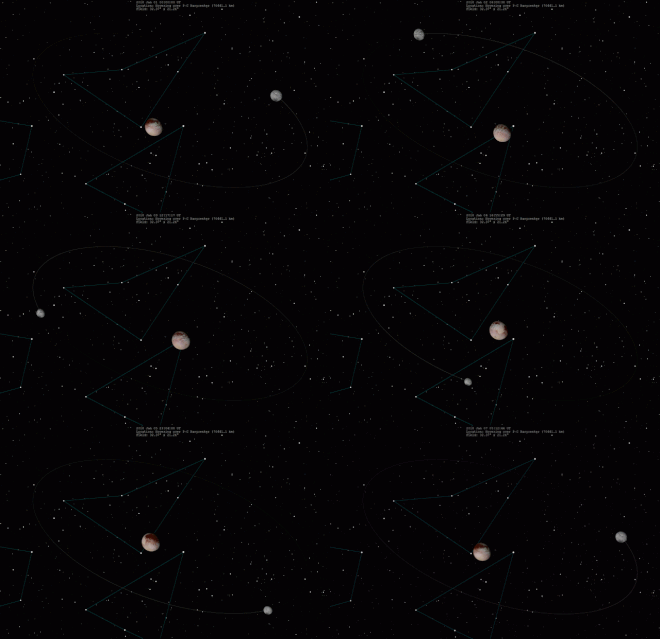
- 相互ロック:質量差が小さく距離が近い場合、両方の天体が互いにロックされる(例:冥王星とカロン)。
- スピン軌道共鳴:完全な1:1ではなく、単純な整数比(例:3:2)で自転と公転が同期する現象。
- 時間的変化:潮汐ロックに至るまでには数百万年以上の膨大な時間がかかり、エネルギー散逸を伴う。
潮汐ロックが発生するメカニズム
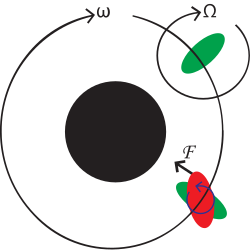
この現象は、天体間の重力相互作用によって引き起こされます。天体は完全な球体ではなく、重力によってわずかに引き伸ばされた「潮汐膨らみ」を持っています。この膨らみが重力の方向からずれると、それを修正しようとするトルク(回転力)が発生し、自転速度が徐々に変化します。
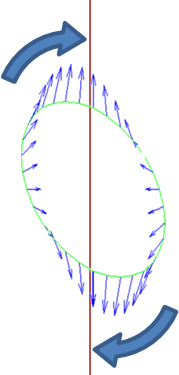
自転速度が公転速度よりも速い場合、このトルクがブレーキとして働き、自転を減速させます。このプロセスが数百万年単位で繰り返されることで、最終的に自転と公転の周期が一致し、安定した状態に達します。一度この状態になると、外部から大きなエネルギーが加わらない限り、ロック状態は維持されます。
主星側への影響と軌道の変化
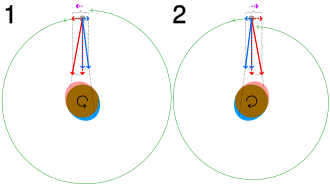
潮汐ロックの影響は、衛星だけでなく主星(大きな天体)側にも及びます。ただし、衛星の質量が小さいため、主星の自転速度が変化する速度は非常に緩やかです。例えば、月は地球の自転をゆっくりと遅らせており、地質学的な時間スケールで見ると、地球の1日はかつての約6時間から現在の24時間へと延びてきました。
現在の計測では、地球の1日は1世紀あたり平均約2.3ミリ秒ずつ長くなっています。理論上は、地球もいずれ月にロックされ、1日が月の公転周期(現在の約47日分)と同じ長さになりますが、その前に太陽が赤色巨星となって地球と月を飲み込むと考えられています。
特殊なケース:共鳴と相互ロック
スピン軌道共鳴
軌道が完全な円ではなく楕円形(離心率が高い)である場合、1:1の同期ではなく、単純な分数比で同期するスピン軌道共鳴が起こることがあります。代表的な例が水星で、太陽の周りを2回公転する間に3回自転するという「3:2共鳴」の状態にあります。
相互潮汐ロック
通常は小さな天体だけがロックされますが、2つの天体の質量差が小さく、かつ距離が非常に近い場合は、双方が互いにロックされる「相互潮汐ロック」が発生します。太陽系では冥王星とカロン、あるいはエリスとディスノミアのペアがこの状態にあります。
実際の天体における事例
地球の月と「秤動」
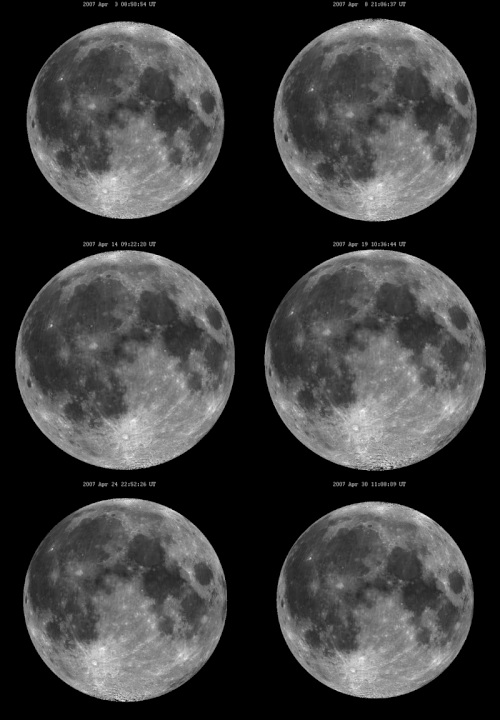
月は地球に完全にロックされていますが、実際には地球から見ると表面の約59%を確認することができます。これは、月の公転速度が場所によって変わる「秤動(ひょうどう)」や、観測者の位置による視差の影響があるためです。
その他の惑星と系外惑星
金星と地球の間にも、接近時にほぼ同じ面が見えるという興味深い関係がありますが、これが潮汐ロックによるものかは不明です。また、プロキシマ・ケンタウリbのような主星に非常に近い系外惑星の多くは、潮汐ロックされているか、水星のような共鳴状態にあると推測されています。
潮汐ロックのまとめ
| 主星/親天体 | ロックされている天体 | 状態 |
|---|---|---|
| 太陽 | 水星 | 3:2 スピン軌道共鳴 |
| 地球 | 月 | 1:1 同期回転 |
| 冥王星 | カロン | 相互潮汐ロック |
| 木星 | イオ、エウロパ、ガニメデ、カリスト | 同期回転 |
| エリス | ディスノミア | 相互潮汐ロック |
Frequently Asked Questions
なぜ月の裏側は長い間見えなかったのですか?
月が地球に対して潮汐ロックされており、常に同じ面(表側)だけを地球に向けて自転しているためです。1959年にソ連のルナ3号が写真を送信するまで、人類は直接裏側を見ることはできませんでした。
潮汐ロックされるまでどのくらいの時間がかかりますか?
天体の質量、半径、距離、および内部の剛性やエネルギー散逸率(Q値)によって異なります。一般的に数百万年から数十億年という極めて長い時間を要します。
地球もいつか月にロックされるのでしょうか?
理論上はその方向に向かっており、地球の自転は徐々に遅くなっています。しかし、計算上は地球が完全にロックされる前に、太陽が寿命を迎えて赤色巨星となり、地球と月を飲み込む可能性が高いとされています。
水星はなぜ1:1ではなく3:2でロックされているのですか?
水星の軌道が比較的強い楕円形(離心率が高い)であるためです。このような条件下では、完全な同期よりも、近日点付近の公転速度に自転速度が合うような共鳴状態の方が安定しやすいためです。
References
- "When Will Earth Lock to the Moon?". Universe Today. 2016-04-12. Archived from the original on 2016-09-23. Retrieved 2017-01-02.
- Clouse, Christopher; et al. (May 2022), "Spin-orbit gravitational locking-an effective potential approach", European Journal of Physics, 43 (3): 13, :2203.09297, :2022EJPh...43c5602C, :10.1088/1361-6404/ac5638, 246962304, 035602
- Barnes, Rory, ed. (2010). Formation and Evolution of Exoplanets. John Wiley & Sons. p. 248. . Archived from the original on 2023-08-06. Retrieved 2016-08-16.
- Heller, R.; Leconte, J.; Barnes, R. (April 2011). "Tidal obliquity evolution of potentially habitable planets". Astronomy & Astrophysics. 528: 16. :1101.2156. :2011A&A...528A..27H. :10.1051/0004-6361/201015809. 118784209. A27.
- Mahoney, T. J. (2013). Mercury. Springer Science & Business Media. . Archived from the original on 2023-08-06. Retrieved 2018-04-20.
- Lewis, John (2012). Physics and Chemistry of the Solar System. Academic Press. pp. 242–243. . Archived from the original on 2023-08-06. Retrieved 2018-02-22.
- Watson, C.; et al. (April 2006). "Impact of solid Earth tide models on GPS coordinate and tropospheric time series" (PDF). Geophysical Research Letters. 33 (8): L08306. :2006GeoRL..33.8306W. :10.1029/2005GL025538. :1885/21511. Archived (PDF) from the original on 2021-11-26. Retrieved 2018-05-18.
- de Pater, Imke (2001). Planetary Sciences. Cambridge. p. 34. .
- Ray, R. (15 May 2001). "Ocean Tides and the Earth's Rotation". IERS Special Bureau for Tides. Archived from the original on 18 August 2000. Retrieved 17 March 2010.
- Murray, C. D.; Dermott, Stanley F. (1999). Solar System Dynamics. Cambridge University Press. p. 184. .
📸 フォトギャラリー