1940年代後半から、人類にとっての次なるフロンティアとして火星への到達が研究されてきました。これまでの探査は、着陸機やローバー、ヘリコプターといった無人機によるものが中心でしたが、科学界や宇宙機関は、少人数の科学調査から恒久的な居住地の建設、さらには惑星環境を地球化するテラフォーミングまで、多様な構想を練り上げてきました。
人類が地球以外の天体に到達したのは、1960年代から70年代のアポロ計画による月面着陸と、2026年に予定されているアルテミスIIによる月周回飛行のみです。火星への旅は、月への旅とは比較にならないほどの技術的・身体的ハードルが存在します。
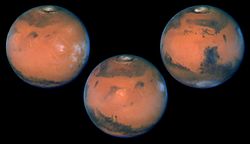
Key Facts
- 打ち上げのタイミング: 地球と火星の距離が最適になる約26ヶ月ごとの周期(会合周期)に合わせて計画される。
- 移動期間: 往復で400〜450日かかるのが一般的だが、軌道上のステージングなどの手法で短縮できる可能性がある。
- 最大の健康リスク: 宇宙放射線による被曝。往復で約0.66シーベルトと推定され、NASAのキャリア制限(1シーベルト)に近い。
- コスト: 2010年時点の試算で約5,000億ドルに達し、実際にはそれを上回る費用が見込まれる。
- 今後の計画: 2030年代に有人ミッションの実施が提案されており、現在は無人機によるサンプルリターンが優先課題となっている。
火星への航行:天文学的なタイミングとエネルギー
地球から火星へ向かうには、軌道変更に必要な速度変化量であるデルタVを最小限に抑える必要があります。このエネルギー効率が最も高まるのは、約26ヶ月(2年2ヶ月)ごとの周期です。また、火星の軌道が楕円であるため、約15年周期でさらにエネルギー消費を抑えられる「低エネルギー期間」が存在し、直近では2023年がそれに当たります。
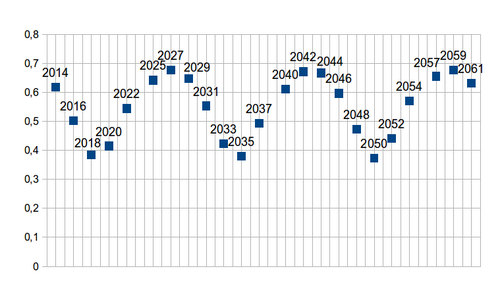
航行期間については、通常の往復で15ヶ月未満(400〜450日)を要しますが、より高いエネルギーを投入することで期間を短縮する計画もあります。例えば、軌道上でのステージングを活用すれば、往復245日(約8ヶ月)まで短縮できる可能性があります。また、従来のホーマン遷移軌道に代わり、燃料コストを削減し打ち上げウィンドウを柔軟にする「弾道捕捉(Ballistic Capture)」という手法も提案されています。
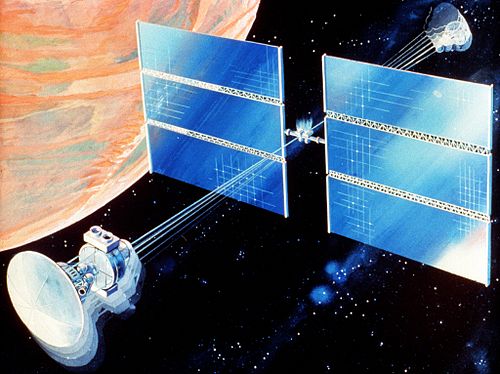
着陸と地表での生存戦略
火星への着陸は極めて困難であり、1971年のマーズ3から2021年のパーサヴィアランスまで、多くの無人機が挑戦を続けてきました。有人ミッションにおいては、単に着陸するだけでなく、過酷な環境で生存するためのインフラ構築が不可欠です。
NASAは、火星の土壌を加圧してレンガを製造し、居住区を建設する研究を進めています。また、放射線から身を守るため、ロボットを用いて地下基地を事前に準備する計画も立てられています。
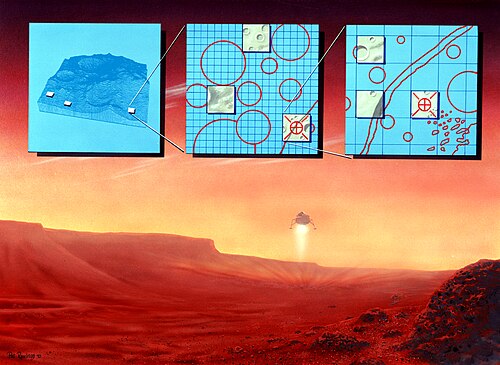
![NASA has stated that robots will prepare an underground base for a human surface mission.[57]](/images/c1/8d/c18d9fabba23268b7ad47c4e4ed022d4c35975f39490bed7d6674839dccc5395.jpg)
食料問題についても、宇宙船内や基地内で植物を栽培し、自給自足するシステムの研究が進んでいます。これは長期滞在における栄養確保と精神的な安定の両面で重要です。
![Depiction of plants growing in a Mars base. NASA plans to grow plants for space food.[65]](/images/dd/74/dd748a0dea84642adb11f325cc87226f0a3db1a13f1db345e2f4ca4fd4803cfa.jpg)
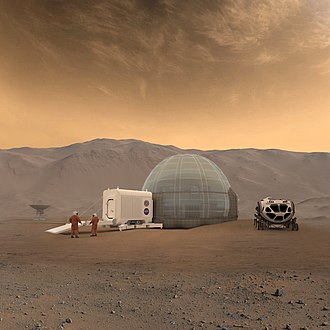
人体への影響と医学的課題
長期の宇宙航行は人体に深刻な影響を及ぼします。特に懸念されるのが電離放射線です。2011年から2013年にかけてMSL(マーズ・サイエンス・ラボラトリー)に搭載された放射線評価検出器(RAD)が測定したデータによると、往復の被曝量は約0.66シーベルトに達します。さらに、太陽嵐が発生した際には、火星表面の放射線レベルが一時的に2倍に跳ね上がった事例も報告されています。
![Comparison of radiation doses – includes the amount detected on a trip from Earth to Mars by the RAD inside the MSL (2011–2013).[21][22][23] Vertical axis is in logarithmic scale, so the dose over a Mars year is about 15 times the U.S. Department of Energy (DOE) limit, not less than twice, as a quick glance might suggest. The actual dose would depend on factors such as spacecraft design and natural events such as solar flares.](/images/dd/b6/ddb6b5b7ea3b14ab13ed7ba3ead45d899fdc67dbaa4cfa676abba1d95da55bce.png)
放射線以外にも、微小重力による骨密度の低下、視覚への影響、血流の変化や血栓の形成、さらには腎臓の萎縮といった身体的リスクが指摘されています。これらの課題を解決するため、高度な抵抗運動デバイスや静脈内輸液システムなどの技術開発が進められています。
惑星保護と倫理的責任
人類が火星に降り立つ際、最も慎重に扱うべきなのが惑星保護です。地球の微生物が火星に持ち込まれることで、火星固有の生態系(もし存在すれば)を汚染し、科学的な調査を不可能にするリスクがあります。同時に、火星の未知の生物学的物質が地球に持ち込まれ、地球のバイオスフィアに影響を与えるリスクも考慮しなければなりません。
ミッションのロードマップと国際協力
現在の米国によるアプローチでは、まず無人機による「サンプルリターン(火星の土壌を地球に持ち帰る)」を優先しています。2021年に着陸したパーサヴィアランスは、将来の回収ミッションに向けて岩石サンプルの収集を既に開始しています。
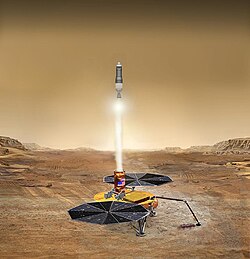
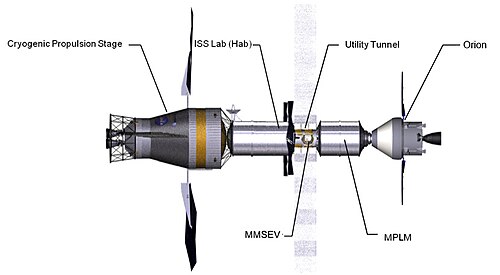
有人ミッションの構想では、多目的有人宇宙船「オリオン」と、長旅の居住空間となる「深宇宙居住モジュール(DSH)」、そして強力な推進システムを組み合わせた構成が検討されています。2030年代の有人到達を目指していますが、莫大な予算が必要となるため、かつての国家間競争ではなく、国際宇宙ステーション(ISS)のような国際的な協力体制が不可欠となっています。
| 項目 | 詳細・現状 | 主な課題 |
|---|---|---|
| 無人探査 | ローバー、ヘリコプターによる調査済 | サンプルリターンの完遂 |
| 航行技術 | 26ヶ月周期の打ち上げウィンドウ | 移動期間の短縮と燃料効率 |
| 人体影響 | 放射線被曝、筋力・骨密度低下 | 遮蔽技術と医療ケアの確立 |
| 地表生存 | 土壌レンガによる居住区構想 | 食料自給とエネルギー確保 |
| 予算・体制 | 数千億ドル規模の推定費用 | 持続可能な国際協力体制 |
Frequently Asked Questions
火星へ行くのに最適な時期はいつですか?
地球と火星の距離が最も近づく「会合周期」と呼ばれる約26ヶ月(2年2ヶ月)ごとのタイミングが最適です。また、約15年周期でさらにエネルギー消費を抑えられる時期があり、直近では2023年がそのタイミングでした。
宇宙放射線はどのくらい危険なのですか?
往復の旅で約0.66シーベルトの被曝が見込まれており、これはNASAが定める宇宙飛行士の生涯被曝制限(1シーベルト)の半分以上に相当します。また、太陽嵐などの突発的なイベントにより、放射線量が急増するリスクもあります。
火星で人間が住むための家はどうやって作りますか?
NASAは、火星の土壌を加圧してレンガを作る技術を研究しています。また、放射線を遮断するために、ロボットを用いて地下に基地を建設する計画も検討されています。
なぜいきなり人間を送らず、サンプルリターンを優先するのですか?
サンプルリターンは、有人ミッションへの重要な橋渡しとなるためです。無人機で土壌を回収し地球で分析することで、地表の危険性や資源の有無を正確に把握でき、有人探査の安全性と効率を高めることができます。
火星に地球の菌を持ち込むことは問題になりますか?
はい、非常に深刻な問題です。これを「惑星保護」と呼びます。地球の微生物が火星を汚染すると、火星に元々いたかもしれない生命の痕跡を消し去ってしまう恐れがあるため、厳格な管理が行われています。
References
- Rich, Nathaniel (25 February 2024). "Can Humans Endure the Psychological Torment of Mars? – NASA is conducting tests on what might be the greatest challenge of a Mars mission: the trauma of isolation". . Retrieved 25 February 2024.
{{}}: CS1 maint: url-status () - Wall, Mike (27 August 2019). "Astronauts Will Face Many Hazards on a Journey to Mars – NASA is trying to bring the various risks down before launching astronauts to Mars in the 2030s". . Retrieved 27 August 2019.
- JAXA (20 September 2021). "Japan Space Agency: Why We're Exploring the Moons of Mars". SciTechDaily. Retrieved 25 September 2021.
- Von Drehle, David (15 December 2020). "Humans don't have to set foot on Mars to visit it". . Retrieved 16 December 2020.
- David S. F. Portree, Humans to Mars: Fifty Years of Mission Planning, 1950–2000, NASA Monographs in Aerospace History Series, Number 21, February 2001. NASA SP-2001-4521.
- David S. F. Portree. Humans to Mars: Fifty Years of Mission Planning, 1950–2000, NASA Monographs in Aerospace History Series, Number 21, February 2001. Chapter 3, pp. 18–19. NASA SP-2001-4521.
- Wooster, Paul D.; et al. (2007). "Mission design options for human Mars missions". International Journal of Mars Science and Exploration. 3: 12. :2007IJMSE...3...12W. 10.1.1.524.7644. :10.1555/mars.2007.0002.
{{}}: Cite uses deprecated parameter|citeseerx=() - David S. F. Portree. Humans to Mars: Fifty Years of Mission Planning, 1950–2000, NASA Monographs in Aerospace History Series, Number 21, February 2001. Chapter 3, pp. 15–16. NASA SP-2001-4521.
- "Hohmann transfer orbit diagram". The Planetary Society. Retrieved 27 March 2018.
- "Homann Transfers". Jim Wilson's Home Page. Retrieved 27 March 2018.
📸 フォトギャラリー