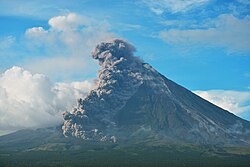
火山噴火に伴う現象の中で、最も破壊的で致命的なのが火砕流(Pyroclastic flow)です。これは高温のガスと火山砕屑物(テフラ)が混ざり合い、地表を猛烈な速度で流れ下る現象を指します。広義には「火砕密度流」と呼ばれ、その圧倒的なエネルギーによって、経路上のあらゆるものを瞬時に焼き尽くし、押し潰します。
火砕流は単なる物質の移動ではなく、物理学的な複雑さが絡み合った現象です。重力によって斜面を駆け降りるだけでなく、地形を越えて横方向に広がることもあり、その速度や到達範囲は噴出量や地形の傾斜、流体の密度によって決定されます。
Key Facts
- 極めて高い速度:平均時速100kmで移動し、最大で時速700kmに達することもある。
- 猛烈な高温:流体内部の温度は200°Cから700°Cに及び、生物を瞬時に炭化させる。
- 広範な破壊力:数立方メートルから、最大で1,000立方キロメートル以上の膨大な体積に達する場合がある。
- 致命的な危険性:火山災害の中で最も死者数を出す要因となり、逃げ切ることはほぼ不可能である。
火砕密度流の構造と分類
火砕密度流は、成分の密度によって大きく2つの形態に分かれます。まず、岩石などの重い物質が重力に従って地表を這うように流れるのが火砕流(基底流)です。一方で、より軽く浮遊しやすい火山灰やガスが、乱流によって舞い上がりながら移動する現象を火砕サージ(Pyroclastic surge)と呼びます。
この分離は、流体力学的な指標である「フルード数」や「ストークス数」で説明されます。フルード数が低いほど重力が支配的となり、ストークス数が低い粒子(密度の高い岩石など)は流体の流れから外れて地表に沈降します。逆に、これらの数値が高い軽い粒子は、乱流による渦(エディ)に乗り、地形の起伏や水面を越えて移動することが可能です。
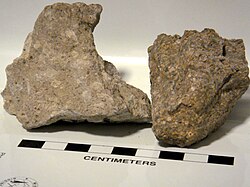
火砕サージの中には、浅い湖や海の下にある火口から噴出した際に、水や水蒸気が混ざり込み、温度が250°C以下にまで下がった「低温」のものも存在します。しかし、それでも人間にとっては致死的な高温であることに変わりはありません。
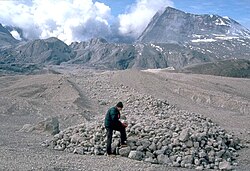
火砕流が発生する5つの主要メカニズム
火砕流は、噴火の形態によって異なるプロセスで発生します。
- 噴火柱の崩壊(プリニー式噴火):激しく噴出した物質が周囲の空気を十分に加熱できず、対流が維持できなくなった際に、巨大な柱が自重で崩落し、斜面を流れ下ります。
- 噴火柱の崩壊(ブルカノ式噴火):噴出されたガスと破片が周囲の空気より密度の高い雲となり、そのまま地表へ落下します。
- 火口での発泡:溶岩が脱ガス(ガスが抜ける現象)する際、火口付近で激しく泡立ち、それが崩壊してイグニンブライトと呼ばれる岩石を形成することがあります。
- 溶岩ドームの崩壊:成長した溶岩ドームやスパイン(溶岩の柱)が重力で崩れ、雪崩のように斜面を流れ落ちます。
- 方向性爆発:火山の一部が爆発的に崩壊した際、物質がジェット状に一方向に放出され、その後重力流へと変化します。
歴史的な被害と影響
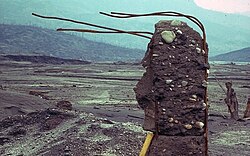
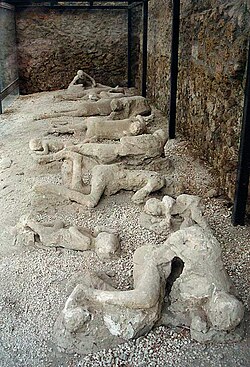
火砕流の凄まじいエネルギーは、歴史上の多くの悲劇を裏付けています。西暦79年のヴェスヴィオ火山噴火では、ポンペイやヘルクラネウムが火砕サージに飲み込まれ、住民の多くが犠牲となりました。また、1902年のペレ火山噴火では、地形的に安全だと信じられていたサン・ピエール市が火砕流に襲われ、3万人近い住民のうち生存者はわずか3名だったと伝えられています。
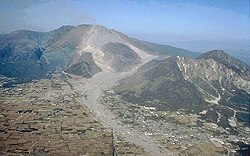
近代でも被害は続いています。1991年の雲仙普賢岳での噴火では、火砕流から派生したエネルギーの高い火砕サージが尾根を駆け上がり、多くの火山学者を含む人々を飲み込みました。また、モンセラート島のスフレリエール・ヒルズ火山では、谷を越えて溢れ出した火砕サージにより、避難指示が出ていた地域でも死者が発生しています。
水域との相互作用と宇宙での事例
火砕密度流は陸上だけでなく、海や湖の上を移動することも可能です。1883年のクラカタウ火山の事例では、流体が海面を越えて48km先まで到達しました。流体が水に入ると、密度が高い成分は沈降して「濁流(タービディティ・カレント)」となり、海底を流れます。また、大量の物質が海に流入することで、海面が後退し、新たな陸地(デルタ)が形成されることもあります。
さらに、この現象は地球以外でも確認されています。月面の「曲がりくねった溝(sinuous rilles)」や、火星のティレヌス山などの層状堆積物は、かつて月や火星で火砕流に似た現象が起きていたことを示唆しています。
火砕流の特性まとめ
| 項目 | 火砕流 (Pyroclastic Flow) | 火砕サージ (Pyroclastic Surge) |
|---|---|---|
| 主成分 | 高密度の岩石・破片(基底流) | 低密度の火山灰・高温ガス |
| 移動特性 | 重力に従い地表を這うように移動 | 乱流により浮遊し、地形を越えて移動 |
| 温度範囲 | 一般に極めて高温 (最大700°C) | 高温だが、水の影響で低温になる場合もある |
| 物理的影響 | 圧倒的な質量による押し潰しと焼却 | 高速な流体による浸食と焼却 |
Frequently Asked Questions
火砕流と火砕サージの決定的な違いは何ですか?
最大の違いは「密度」と「移動方法」です。火砕流は密度が高く、重力によって地表を流れ下る物質の塊のような性質を持ちます。一方、火砕サージは密度が低く、ガスに運ばれて浮遊しながら移動するため、丘や山などの障害物を乗り越えて広がる特性があります。
火砕流から逃げることは可能ですか?
極めて困難です。時速100kmから最大700kmという猛烈な速度で移動するため、人間が走って逃げることは不可能です。唯一の対策は、噴火の兆候を捉え、火砕流の到達予想範囲から事前に完全に避難しておくことです。
火砕流は海の上を移動できるのでしょうか?
はい、可能です。密度が低い成分や、高温ガスによる浮力がある場合、海面を滑るように移動します。この際、海水を沸騰させたり、沈降した物質が海底に濁流を作ったりすることがあります。
火砕流が作るのはどのような岩石ですか?
代表的なものに「イグニンブライト」があります。これは火口での激しい発泡や、崩壊した火砕流が堆積し、熱と圧力で凝固してできた岩石です。
地球以外の惑星でも火砕流は起きていたのでしょうか?
その可能性が高いと考えられています。月面の曲がりくねった谷や、火星に見られる浸食されやすい層状の堆積物は、地球の火砕流と同様のメカニズムで形成されたと考えられています。
References
- Branney, Michael J.; Kokelaar, B. Peter (2002). Pyroclastic Density Currents and the Sedimentation of Ignimbrites. Geological Society of London. .[]
- Auker, Melanie Rose; Sparks, Robert Stephen John; Siebert, Lee; Crosweller, Helen Sian; Ewert, John (2013). "A statistical analysis of the global historical volcanic fatalities record". Journal of Applied Volcanology. 2 (1) 2. :2013JApV....2....2A. :10.1186/2191-5040-2-2.
- Giordano, Guido; Cas, Ray; Wright, John V. (2024). "Subaerial Pyroclastic Density Currents (Pyroclastic Flows and Surges): Origins, Types, and Deposit Characteristics". Volcanology. Springer Textbooks in Earth Sciences, Geography and Environment. pp. 693–889. :10.1007/978-3-319-66613-6_10. .
- Cas, Ray; Wright, John V.; Giordano, Guido (2024). "Subaqueous Flows of Pyroclastic Debris and Their Deposits: Origins, and Distinguishing Hot Gas-Supported Flows and Deposits from Water-Supported Ones". Volcanology. Springer Textbooks in Earth Sciences, Geography and Environment. pp. 891–981. :10.1007/978-3-319-66613-6_11. .
- Wilson, Lionel; Head, James W. (1983). "A comparison of volcanic eruption processes on Earth, Moon, Mars, Io and Venus". Nature. 302 (5910): 663–669. :1983Natur.302..663W. :10.1038/302663a0.
- Jukes, Joseph Beete (1862). The Student's Manual of Geology (2nd ed.). Edinburgh, Scotland, U.K.: . p. 68. From p. 68: "The word 'ash' is not a very good one to include all the mechanical accompaniments of a subaerial or subaqueous eruption, since ash seems to be restricted to a fine powder, the residuum of combustion. A word is wanting to express all such accompaniments, no matter what their size or condition may be, when they are accumulated in such mass as to form beds of 'rock.' We might call them perhaps 'pyroclastic materials,' [...] "
- "Definition of κλαστός". Perseus Greek Dictionary. . Retrieved 8 October 2020.
- Lacroix, A. (1904) La Montagne Pelée et ses Eruptions, Paris, Masson (in French) From vol. 1, p. 38: After describing on p. 37 the eruption of a "dense, black cloud" (nuée noire), Lacroix coins the term nuée ardente: "Peu après l'éruption de ce que j'appellerai désormais la nuée ardente, un immense nuage de cendres couvrait l'ile tout entière, la saupoudrant d'une mince couche de débris volcaniques." (Shortly after the eruption of what I will call henceforth the dense, glowing cloud [nuée ardente], an immense cloud of cinders covered the entire island, sprinkling it with a thin layer of volcanic debris.)
- Although the coining of the term nuée ardente in 1904 is attributed to the French geologist , according to:
- Hooker, Marjorie (1965). "The origin of the volcanological concept nuée ardente". Isis. 56 (4): 401–407. :10.1086/350041. the term was used in 1873 by Lacroix's father-in-law and former professor, French geologist in his description of the 1580 and 1808 eruptions of the volcano on the island of in the .
- Fouqué, Ferdinand (1873). "San Jorge et ses éruptions" [São Jorge and its eruptions]. Revue Scientifique de la France et de l'Étranger. 2nd series (in French). 2 (51): 1198–1201.
- From p. 1199: "Un des phénomènes les plus singuliers de cette grande éruption est la production de ce que les témoins contemporains ont appelé des nuées ardentes." (One of the strangest phenomena of this great eruption is the production of what contemporary witnesses called nuées ardentes.)
- From p. 1200: "Les détonations cessent dans la journée du 17, mais alors apparaissent des nuées ardents semblables à celles de l'éruption de 1580." (The detonations cease on the day of the 17th, but then [there] appear burning clouds [nuées ardents] similar to those of the eruption of 1580.)
- Silveira, João Inácio da (1883). "XXVIII. Anno de 1808. Erupção na ilha de S. Jorge [XXVIII. Year of 1808. Eruption on the island of São Jorge.]". In Canto, Ernesto do (ed.). Archivo dos Açores [Archive of the Azores] (in Portuguese). Ponta Delgada, São Miguel, Azores: Archivo dos Açores. pp. 437–441. From pp. 439–440: "Em desassete do dito mês de Maio … de repente se levantou um tufão de fogo ou vulcão e introduzindo-se nas terras lavradias levantou todos aqueles campos até abaixo às vinhas com todas as árvores e bardos, fazendo-se uma medonha e ardente nuvem e correndo até abaixo de igreja queimou trinta e tantas pessoas na igreja e nos campos…" (On the seventeenth of the said month of May … suddenly there arose a typhoon of fire out of the volcano and [it] entered the farm lands, heaved up all those fields down to the vineyards, with all the trees and hedges, forming a fearsome and burning cloud [ardente nuvem] and running down to the church, burned more than thirty people in the church and in the fields…)
- Dufek, Josef (2016). "The Fluid Mechanics of Pyroclastic Density Currents". Annual Review of Fluid Mechanics. 48: 459–485. :2016AnRFM..48..459D. :10.1146/annurev-fluid-122414-034252.
📸 フォトギャラリー