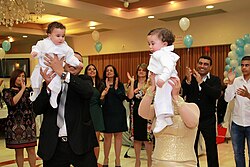
治療目的ではない子供への男性器切除(割礼)は、世界中で法的な議論の的となっています。この行為を巡っては、親や宗教的指導者が主張する「宗教の自由」と、子供本人が持つ「身体的完全性」や「自己決定権」という二つの権利が激しく衝突しています。一度行うと元に戻せない不可逆的な処置であるため、多くの国で規制や禁止、あるいは厳格な条件付けが進められています。
Key Facts
- 権利の対立:親の宗教的自由と、子供の身体的完全性・自己決定権が対立している。
- 不可逆性:裁判所は、割礼が取り返しのつかない処置である点を重視する傾向にある。
- 欧州の動向:北欧諸国を中心に、子供が成人して自ら決定すべきだという見解が強まっている。
- 法的多様性:国によって、両親の同意を必須とする国、医師の監督を義務付ける国、禁止を検討する国など、対応は多岐にわたる。
割礼を巡る法的・倫理的視点
割礼の是非を巡る議論は、単なる医療行為の枠を超え、人権問題へと発展しています。推進側は、伝統や信仰を次世代に継承させる親の権利を強調します。一方で、反対側は、本人の同意なく身体の一部を損なうことは、宗教から自由である権利や、自身の身体をコントロールする権利を侵害していると主張しています。
特に欧州では、2013年に北欧のオンブズマンらが「少年たちが自ら割礼を望むかどうかを決定できるようにするべきだ」との声明を出しており、子供の権利を最優先する考え方が浸透しつつあります。
世界各国の規制と実施条件
各国で割礼に対する法的アプローチは異なります。ある国では親の同意があれば認められますが、別の国では資格を持つ医師による執刀や麻酔の使用が厳格に求められます。
| 国名 | 同意要件 | 医師の資格/監督 | 備考 |
|---|---|---|---|
| ベルギー | - | - | バイオエシックス諮問委員会の禁止勧告を保健相が却下 |
| フランス | 両親の同意 | 医師による実施 | - |
| ドイツ | 親の同意 | - | 過去に「身体傷害」とする判決が出た経緯がある |
| ノルウェー | 同意必須 | 医師の監督 | - |
| イギリス | 両親の同意 | 医師による実施 | 実際には両親共に同意しているケースは一部にとどまる |
| イスラエル | - | 実施または監督 | 6ヶ月未満、または医学的理由が必要な場合がある |
地域別の論争と政治的背景
北欧および西欧の動向
デンマーク、フィンランド、スウェーデンなどの北欧諸国では、政治政党の間でも意見が分かれています。社会民主党や緑の党などのリベラルな勢力が禁止に賛成する一方で、キリスト教民主党やユダヤ教コミュニティなどは、宗教的自由の観点から反対しています。スウェーデンでは医師会が子供への割礼を拒否する動きも見られます。
アイスランドの事例
アイスランドでは2005年に女性器切除を犯罪化しましたが、男性の割礼についても禁止案が浮上しました。これに対し、カトリック教会やイスラム文化センター、ユダヤ教団体などが強く反発し、宗教的自由を巡る激しい論争となりました。
北米およびその他の地域
アメリカ合衆国では、親同士の意見対立による法廷争いや、処置の失敗による損害賠償請求などの民事訴訟が散見されます。また、カナダの一部州では医師会がガイドラインを提示していますが、法的な禁止までには至っていません。
Frequently Asked Questions
なぜ割礼が法的に問題になるのですか?
本人の同意が得られない乳幼児に対し、不可逆的な身体的変更を加えることが、子供の「身体的完全性」や「自己決定権」を侵害していると考える視点があるためです。
宗教の自由はどのように考慮されていますか?
多くの国で、親が子供に特定の信仰を伝え、伝統的な儀式を行う権利(宗教の自由)として認められてきました。しかし、近年では「宗教から自由である権利」とのバランスが問われています。
欧州で禁止を支持する主な理由は?
子供が成人し、自分の意思で身体的な決定を下すべきであるという人権上の考え方が強いためです。特に北欧のオンブズマンなどはこの立場を支持しています。
医師の役割はどう定義されていますか?
国によって異なりますが、安全性の確保のために資格を持つ医師による執刀や監督を義務付ける国が増えています。一方で、倫理的理由から非治療的な割礼への協力を拒否する医師会も存在します。
女性器切除(FGM)との違いは法的にどう扱われていますか?
多くの国で女性器切除は重大な人権侵害として厳格に禁止されています。男性の割礼についても同様の論理で禁止を求める声がありますが、宗教的・文化的背景の違いから、法的な扱いには差があるのが現状です。
References
- "German court rules circumcision is 'bodily harm'". BBC News Europe. 26 June 2012. Archived from the original on 1 September 2019. Retrieved 13 July 2012.
- "Jewish groups condemn court's definition of circumcision as grievous bodily harm". The Daily Telegraph. London. 27 June 2012. Archived from the original on 16 August 2019. Retrieved 27 June 2012.
- "US judge rules 9-year-old need not get circumcised". Reuters. 19 January 2007. Archived from the original on 11 September 2020. Retrieved 10 September 2020.
In a decision cheered by foes of routine circumcision for boys, a judge ruled on Tuesday that a 9-year-old need not be circumcised as his mother wanted ... . In granting the boy's father an injunction blocking the procedure, the judge said the boy could decide for himself whether to be circumcised when he turns 18.
- Genesis 17:11–12
- Hodges, Frederick M. (2001). "The Ideal Prepuce in Ancient Greece and Rome: Male Genital Aesthetics and Their Relation to Lipodermos, Circumcision, Foreskin Restoration, and the Kynodesme". Bulletin of the History of Medicine. 75 (3): 375–405. :10.1353/bhm.2001.0119. 11568485. 29580193. Archived from the original on 20 November 2018. Retrieved 22 January 2008.
- , 1:60–61
- Miller, Geoffrey P. (Spring 2002). "Circumcision: Cultural-Legal Analysis". 201057.
Ritual circumcision of boys is a durable tradition. Jews of ancient times refused to abandon the practice despite enormous pressure to do so. In 167 BCE the Seleucid emperor Antiochus IV, as part of a campaign to Hellenise the Jews, condemned to death every Hebrew who allowed a son to be circumcised. The Jews responded with the Maccabean revolt, a campaign of which resulted in major victories for the rebels and, eventually, a peace treaty which restored Jewish ritual prerogatives.
- "The Ideal Prepuce in Ancient Greece and Rome". www.cirp.org. Archived from the original on 20 November 2018. Retrieved 12 September 2004.
- See, e.g., Alfredo M. Rabello, The Ban on Circumcision as a Cause of Bar Kokhba's Rebellion, 29 ISRAEL L. REV. 176 (1995) (Arguing that the Bar Kokhba rebellion against Roman rule was primarily motivated by the superimposition of foreign religious standards, rather than by some important notion of independence or sovereignty).
- Kraus, Matthew (29 March 2004). "Review of: Jews and Gentiles in the Holy Land in the Days of the Second Temple, the Mishna and the Talmud". Bryn Mawr Classical Review. Archived from the original on 12 April 2018. Retrieved 4 September 2016.