私たちの呼吸する大気の約78%を占める窒素は、一見すると反応性に乏しい静かなガスですが、その化学的な正体は非常にダイナミックです。無色・無臭・無味という特徴を持つこの元素は、極低温での液体状態から、生命維持に不可欠な化合物まで、幅広い形態で地球上の環境を支えています。
窒素の最大の特徴は、2つの窒素原子が非常に強力な「三重結合」で結ばれている点にあります。この結合を切り離すには膨大なエネルギーが必要なため、常温ではほとんどの物質と反応しません。しかし、一度反応が始まれば、酸化物や窒化物など、極めて多様な化合物を形成します。

Key Facts
- 大気中の存在比: 体積比で約78.1%を占める地球上で最も一般的な純粋元素。
- 強力な結合: 窒素分子(N2)は極めて強固な三重結合を持ち、化学的に非常に安定している。
- 物理的状態: 標準状態ではガスだが、−196°C以下で液体、−210°C以下で固体となる。
- 多様な酸化数: −3から+5まで幅広い酸化状態を取り、多様な化合物を生成する。
- 発見の歴史: 1772年にダニエル・ラザフォードによって発見された。
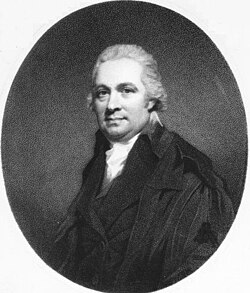
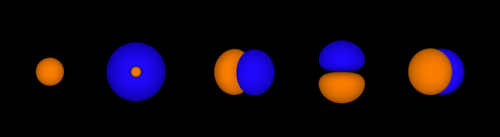
窒素の原子構造と物理的特性
窒素は周期表の第2周期、第15族(窒素族)に属するpブロック元素です。原子番号は7で、電子配置は[He] 2s2 2p3となります。この電子構造により、窒素は安定した分子を形成するだけでなく、特定の条件下で多様な軌道を占有します。
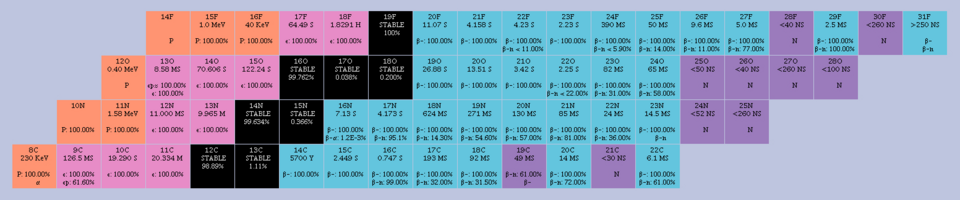
物理的な特性として、窒素は非常に低い沸点(−195.795°C)と融点(−209.92°C)を持ちます。また、核種としての分布を見ると、安定同位体である14Nが約99.6%を占め、少量の15Nが存在しています。これらの同位体分布や崩壊モードは、核物理学的な解析において重要な指標となります。
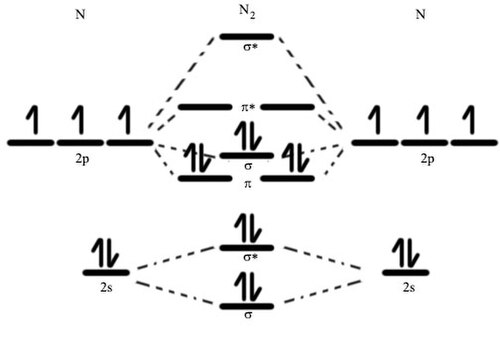
窒素分子(N2)の結合エネルギー
窒素分子の安定性は、その結合長(109.76 pm)の短さと、解離エネルギー(945.41 kJ/mol)の高さに由来します。この強力な結合により、常温ではリチウムなどの一部の金属や特殊な遷移金属錯体を除き、ほとんど反応を起こしません。
窒素の多様な化合物と化学反応
窒素は、水素、酸素、ハロゲンなどの元素と結びつき、多種多様な化合物を形成します。
窒化物と水素化物
金属と反応して形成される窒化物(例:窒化カルシウム Ca3N2)や、アンモニア(NH3)に代表される水素化物があります。特にヒドラジン(N2H4)は、ロケット燃料として利用される強力な還元剤であり、水に近い物理的性質を持ちながら激しく燃焼する特性があります。
窒素酸化物(NOx)
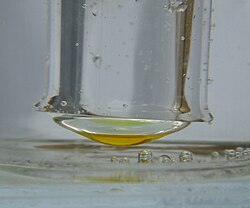
窒素は酸素と結びつき、一酸化窒素(NO)や二酸化窒素(NO2)など、9種類もの分子状酸化物を形成します。これらの多くは熱的に不安定であり、分解して元の元素に戻る性質があります。例えば、二酸化窒素は温度変化によって無色の四酸化二窒素(N2O4)へと可逆的に変化します。
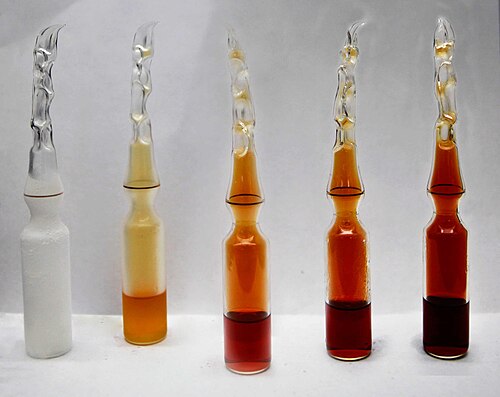
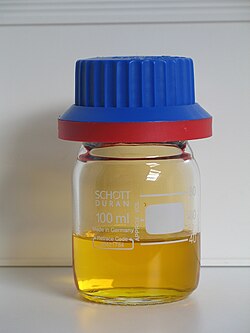
また、強力な酸化剤である硝酸(HNO3)などのオキソ酸も重要です。これらは水溶液中で安定して存在し、工業的に広く利用されていますが、純粋な結晶状態では非常に不安定なものもあります。
その他の特殊な化合物
三塩化窒素(NCl3)のようなハロゲン化物や、ボラジン((–BH–NH–)3)のような有機的な構造を持つ化合物も知られています。また、ルテニウムを含む錯体など、遷移金属との結合による窒素錯体も研究されています。
![Structure of [Ru(NH3)5(N2)]2+ (pentaamine(dinitrogen)ruthenium(II)), the first dinitrogen complex to be discovered](/images/e4/76/e476da4d2e783679727c9aa577f046bb9ff5d5de98d824c7aca7e17f46b879b0.png)

自然界における分布と利用
地球上において、窒素は地殻よりも大気中に圧倒的に多く存在しています。地殻中の含有量はわずか19ppm程度であり、天然の鉱物としては硝石(硝酸カリウム)などが知られていますが、現代では工業的なアンモニア合成(ハーバー・ボッシュ法など)が主たる供給源となっています。
また、窒素は地球外の天体にも存在します。例えば、冥王星のスピートニク平原では、水氷の山々の隣に固体の窒素が広がっていることが観測されています。
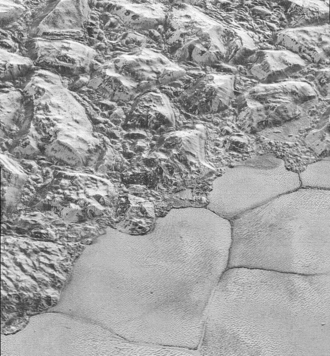
産業的利用と液体窒素
液体窒素は、その極低温特性を活かして、医療分野の凍結療法や、食品の急速冷凍、さらには超伝導材料の冷却などに利用されています。輸送には専用の断熱容器が使用されます。
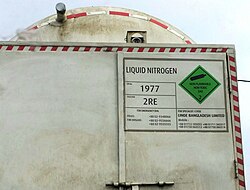
窒素の物理的・化学的特性まとめ
| 特性項目 | 数値・内容 |
|---|---|
| 原子番号 / 原子量 | 7 / 14.007 |
| 沸点 / 融点 | −195.8 °C / −209.9 °C |
| 密度 (STP) | 1.2506 g/L |
| 結合形式 | 三重結合 (N≡N) |
| 主な酸化数 | −3, +3, +5 (その他 −2, −1, 0, +1, +2, +4) |
| 電気陰性度 | 3.04 (ポーリング尺度) |
![Standard reduction potentials for nitrogen-containing species. Top diagram shows potentials at pH 0; bottom diagram shows potentials at pH 14.[57]](/images/9f/a7/9fa76d39fe01f1a8473c03757c2b77661f118f96a822a5da932d199baaf52026.webp)
Frequently Asked Questions
なぜ窒素ガスは化学的に安定しているのですか?
窒素分子(N2)は、2つの原子が非常に強力な三重結合で結ばれているためです。この結合を切断して他の物質と反応させるには極めて高いエネルギーが必要であり、そのため常温ではほとんど反応しません。
液体窒素を扱う際の注意点は何ですか?
液体窒素は−196°Cという極低温であるため、直接触れると深刻な凍傷を引き起こします。また、密閉容器に入れると気化して圧力が急上昇し、容器が破裂する危険があるため、適切な換気と専用の容器(デュワー瓶など)の使用が不可欠です。
窒素は自然界でどのように循環していますか?
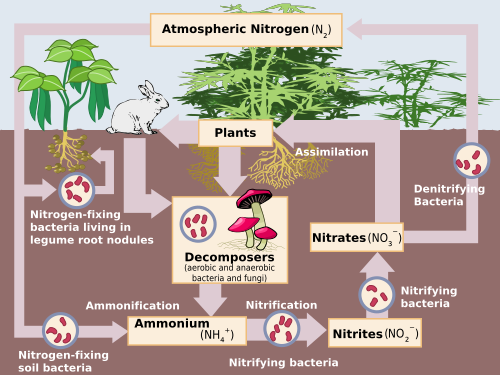
大気中の窒素は、窒素固定細菌などの微生物によってアンモニアや硝酸塩に変換され、植物に吸収されます。その後、食物連鎖を通じて動物に伝わり、再び分解者によって窒素ガスとして大気中に戻る「窒素サイクル」を形成しています。
窒素の同位体にはどのような種類がありますか?
天然に安定して存在する同位体として、14N(約99.6%)と15N(約0.38%)があります。また、放射性同位体として13Nや16Nなども存在しますが、これらは半減期が非常に短く、合成的に生成されます。
References
- "Standard Atomic Weights: Nitrogen". . 2009.
- Prohaska, Thomas; Irrgeher, Johanna; Benefield, Jacqueline; Böhlke, John K.; Chesson, Lesley A.; Coplen, Tyler B.; Ding, Tiping; Dunn, Philip J. H.; Gröning, Manfred; Holden, Norman E.; Meijer, Harro A. J. (2022-05-04). "Standard atomic weights of the elements 2021 (IUPAC Technical Report)". Pure and Applied Chemistry. :10.1515/pac-2019-0603. 1365-3075.
- Lide, David R. (1990–1991). CRC Handbook of Physics and Chemistry (71st ed.). Boca Raton, Ann Arbor, Boston: CRC Press, inc. pp. 4-22 (one page).
- "Gases - Density". The Engineering Toolbox. Retrieved 27 January 2019.
- ; Earnshaw, Alan (1997). Chemistry of the Elements (2nd ed.). Butterworth-Heinemann. p. 28. :10.1016/C2009-0-30414-6. .
- contain a pair of double-bonded nitrogen atoms with oxidation state 0 in the ring. A Synthesis of the parent 1H-tetrazole, CH2N4 (two atoms N(0)) is given in Henry, Ronald A.; Finnegan, William G. (1954). "An Improved Procedure for the Deamination of 5-Aminotetrazole". Journal of the American Chemical Society. 76 (1): 290–291. :1954JAChS..76..290H. :10.1021/ja01630a086. 0002-7863.
- Arblaster, John W. (2018). Selected Values of the Crystallographic Properties of Elements. Materials Park, Ohio: ASM International. .
- Kondev, F. G.; Wang, M.; Huang, W. J.; Naimi, S.; Audi, G. (2021). "The NUBASE2020 evaluation of nuclear properties" (PDF). Chinese Physics C. 45 (3) 030001. :10.1088/1674-1137/abddae.
- Common Bond Energies (D) and Bond Lengths (r) Archived 2010-05-15 at the . wiredchemist.com
- Greenwood and Earnshaw, pp. 406–07
📸 フォトギャラリー