アメリカ合衆国の大統領選挙は、有権者が直接的に大統領を選ぶのではなく、選挙人団(Electoral College)という間接的な仕組みを通じて行われます。この独特な制度は、建国当時の妥協や連邦制の理念に基づいて設計されており、現代においても選挙結果を左右する極めて重要な役割を果たしています。
Key Facts
- 総選挙人数: 合計538名で構成され、当選には270票以上の獲得が必要。
- 配分方法: 各州の選挙人数は、下院議員数(人口比例)と上院議員数(各州一律2名)の合計で決定される。
- 勝者総取り方式: ほとんどの州で、一般投票で1票でも多く獲得した候補者が、その州の選挙人票をすべて獲得する。
- 得票数との乖離: 一般投票で勝利しても、選挙人票で敗北し大統領になれないケースが歴史的に存在する。
選挙人団の基本構造と配分
選挙人団の人数は、10年ごとに行われる国勢調査(センサス)に基づき再配分されます。各州には、人口規模に応じた下院議員数に加えて、州の平等性を担保するための上院議員2名分が割り当てられます。これにより、人口の少ない州でも最低3名の選挙人を保持することが保証されています。
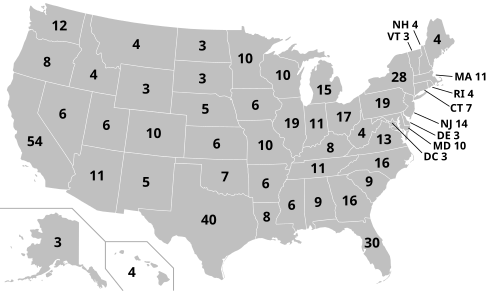
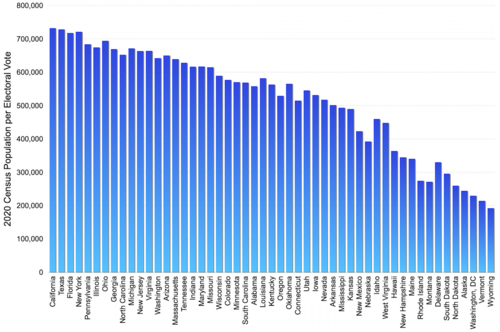
人口あたりの選挙人の比率は州によって異なり、一部の州では1人の選挙人が代表する人口が他州よりも大幅に多いという不均衡が生じています。これは、小規模州の権利を保護するという制度設計の結果です。
最新のセンサス結果を反映した配分では、テキサス州のように選挙人を増やした州がある一方で、人口減少により1票を失った州も存在します。このような変動は、選挙戦略における各州の重要性を変化させます。
![This cartogram shows the number of electors from each state for the 2024 and 2028 presidential elections. Following the 2020 census, 7 states lost one electoral vote,[g] 5 states gained one,[h] and Texas gained two.](/images/53/a5/53a5f426b5ea47b63031683e8d4b6de9e38f8c724e016bc0cc21002b7add1e4d.webp)
選挙のプロセスとメカニズム
11月の一般投票は、実質的に「その州から誰を選挙人として送り出すか」を決める投票です。多くの州では、候補者が指名した選挙人が名簿に載っていますが、一部の州では有権者が直接選挙人を指名する形式を採っています。
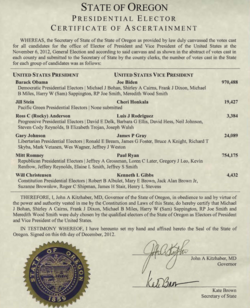
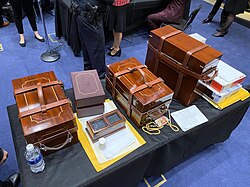
投票後、州政府は正式な「確定証明書(Certificate of Ascertainment)」を発行し、選出された選挙人を発表します。その後、12月に各州の州都で選挙人が集まり、正式に大統領と副大統領への投票を行います。
選挙人が投じた票は「投票証明書(Certificate of Vote)」に記録され、合衆国議会へ送付されます。このプロセスを経て、最終的に議会での集計によって大統領が決定します。
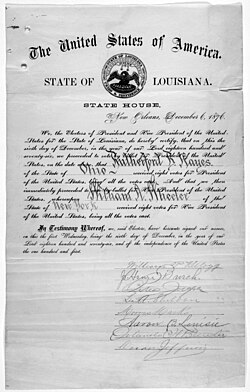
通常、選挙人は自らが支持する候補者に投票しますが、稀に指名された候補者とは異なる人物に投票する「信仰なき選挙人(Faithless Electors)」が現れることがあります。
得票数と選挙人票のねじれ
米国制度の最大の特徴は、全米の総得票数(一般投票)で1位になっても、選挙人票で敗北すれば当選できない点にあります。これは、特定の州で圧倒的な得票を得ても、他の多くの州で僅差で敗れた場合、効率的に選挙人を集められないためです。
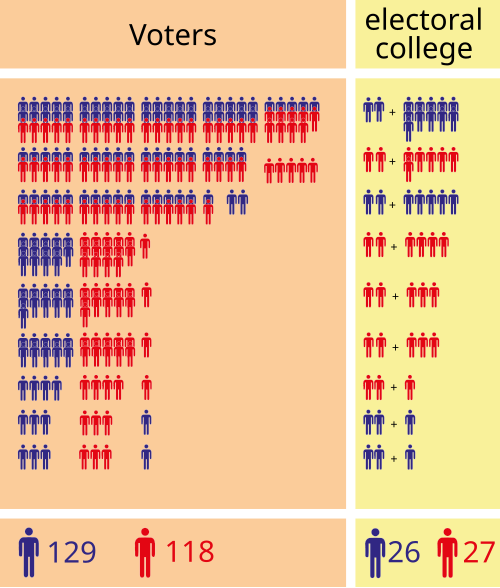
歴史的に見ても、一般投票の勝者が大統領になれなかった事例が5回発生しています。例えば1888年のベンジャミン・ハリソン大統領などがその例です。
このような現象は、得票率のグラフで見ると顕著であり、一般投票の傾向と選挙人団の結果が必ずしも一致しないことが分かります。
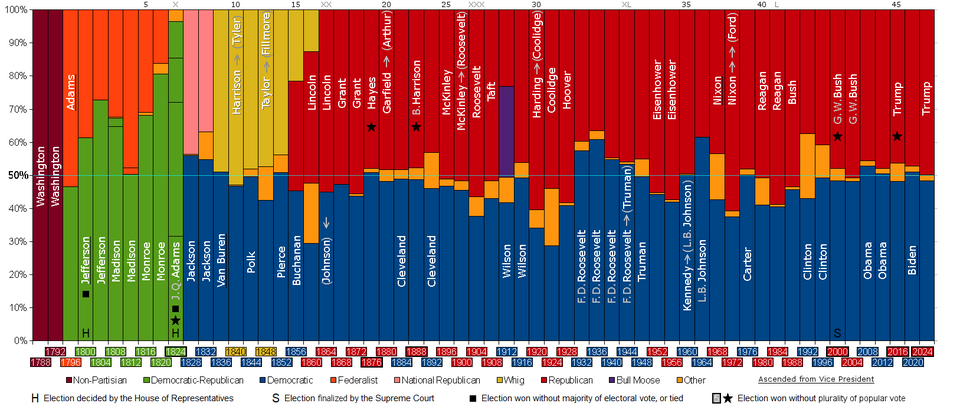
また、21世紀に入ってからの選挙は、過去の選挙に比べて得票率の差が非常に小さく、極めて接戦となる傾向にあります。
![Electoral college wins have ranged from 100% (George Washington) to barely more than 50%.[48] Elections in the 21st century have been closer, on average, than most prior elections (colored and bolded names).](/images/73/b7/73b7f9fa58c3ee426b8f331a4fd7124c71d9eafedf8ac8672110f4203093b7aa.webp)
一般投票と選挙人票の乖離を示す具体的なデータは以下の通りです。
![In a small percentage of US presidential elections, winners in the electoral college received less of the popular vote than their opponents.[90]](/images/e3/cb/e3cb88088b431f436496f927ab70f84d0272975d5d93770867f018dbd94d97b2.webp)
戦略的影響と州別の投票方式
ほとんどの州が「勝者総取り方式」を採用しているため、候補者は得票を伸ばしやすい「スイングステート(激戦州)」に資源と時間を集中させる傾向があります。これにより、安全圏にある州や絶望的な州は軽視されるという批判もあります。
![These maps show the amount of attention given to each state by the Bush and Kerry campaigns, combined, during the final five weeks of the 2004 election. Each waving hand (purple map) represents a visit from a presidential or vice presidential candidate. Each dollar sign (green map) represents one million dollars spent on TV advertising.[264]](/images/81/ea/81ea9160dc8700c832b39f657d8ec88872732cb459267c293dcf3f094cf53e87.png)
一方で、メイン州とネブラスカ州の2州のみ、選挙人を地区ごとに割り当てる「地区方式」を採用しており、1つの州の票が分かれる可能性があります。
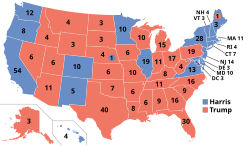
もし全州が地区方式のような比例的な配分を採用した場合、選挙結果が大きく変わる可能性があることがシミュレーションで示されています。
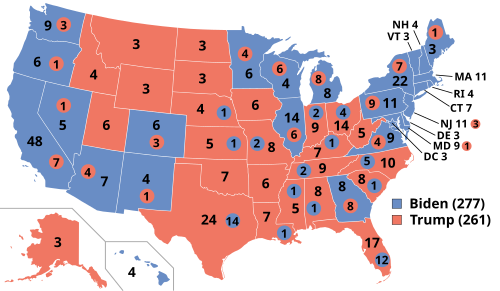
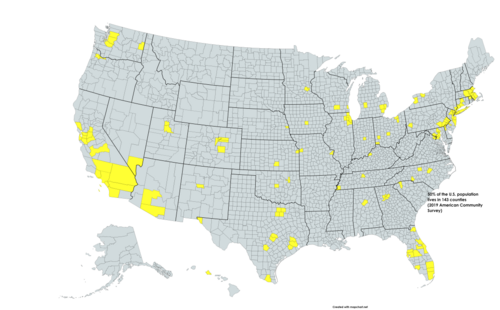
また、都市部への人口集中が進む中で、選挙人制度が地方の声をどの程度反映できているかという議論も続いています。
| 項目 | 内容 |
|---|---|
| 総選挙人数 | 538名 |
| 当選ライン | 270票 |
| 配分根拠 | 下院議員数 + 上院議員数(2名) |
| 主要な投票方式 | 勝者総取り方式(Winner-Take-All) |
| 特例州 | メイン州、ネブラスカ州(地区方式) |
制度の複雑さと不公平性を解消するため、一般投票の結果を優先させる「全米一般投票州間協定(NPVIC)」などの改革案も提案されていますが、憲法改正を伴うため実現へのハードルは高いのが現状です。
![Polling. Pew Research Center.[247]](/images/89/1e/891ebcc2fc49b34821ec2cb0d1eb32e0e22e63a1468f123df5239c2f5e1633b2.png)

Frequently Asked Questions
なぜ直接選挙ではなく選挙人団を使うのですか?
建国当時、人口の多い州が政治を独占することを防ぎ、小規模州の利益を保護するため、また有権者が候補者の情報を十分に得られない時代に、信頼できる代表者が判断するという意図がありました。
一般投票で勝ったのに落選することは本当にありますか?
はい、実際にあります。勝者総取り方式により、一部の州で過剰に得票しても、多くの州で僅差で敗れると、合計の選挙人票で逆転されるためです。
「スイングステート」とは何ですか?
民主党と共和党の支持が拮抗しており、どちらに転ぶか分からない州のことです。ここでの勝敗が最終的な選挙人数の合計に決定的な影響を与えるため、候補者が集中的にキャンペーンを行います。
選挙人が指示に従わなかった場合はどうなりますか?
そのような選挙人を「信仰なき選挙人」と呼びます。州によっては法的に拘束し、指示に従わない場合に票を無効にするなどの措置を講じている場合があります。
選挙人数はいつ、どのように変わりますか?
10年ごとの国勢調査に基づき、人口変動に合わせて下院議員の定数が変更されるため、それに連動して各州の選挙人数が再配分されます。
References
- The had rejected presidential selection by direct popular vote. That being the case, election mechanics based on an electoral college were devised to render selection of the president independent of both state legislatures and the national legislature.
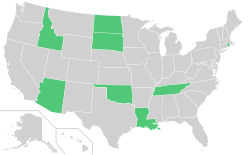
- Arizona, Idaho, Louisiana, North Dakota, Oklahoma, Rhode Island, South Dakota, Tennessee
- "It was ... peculiarly desirable to afford as little opportunity as possible [in the election of the President] to tumult and disorder. ... [The] precautions which have been so happily concerted in the system under consideration, promise an effectual security against this mischief. The choice of several, to form an intermediate body of Electors, will be much less apt to convulse the community, with any extraordinary or violent movements... [As] the Electors, chosen in each State, are to assemble and vote in the State in which they are chosen, this detached and divided situation will expose them much less to heats and ferments, which might be communicated [to] them [by] the People, than if they were all to be convened at one time, in one place."
- Section 1 of the superseded the text of the Presidential Succession Clause of Article II, Section I that stated "In Case of the Removal of the President from Office, or of his Death, Resignation, or Inability to discharge the Powers and Duties of the said Office, the Same shall devolve on the Vice President". Instead, Section 1 of the 25th Amendment provides that "In case of the removal of the President from office or of his death or resignation, the Vice President shall become President." Section 2 of the 25th Amendment authorizes the president to nominate a vice president in the event of a vacancy subject to confirmation by both houses of Congress.
- In 1841, the death of as president caused debate in Congress about whether had formally succeeded to the Presidency or whether he was an acting president. Tyler took the and Congress implicitly ratified Tyler's decision in documents published subsequent to his ascension that referred to him as "the President of the United States". Tyler's ascension set the precedent that the vice president becomes the president in the event of a vacancy until the ratification of the 25th Amendment.
- For nearly one-fourth of the period of time from 1792 to 1886, the Vice Presidency was vacant due to the and in 1865 and 1881 respectively, the William Henry Harrison and in 1841 and 1850 respectively, the deaths of vice presidents , , , , and in 1812, 1814, 1853, 1875, and 1885 respectively, and the resignation of the vice presidency by in 1832.
- California, Illinois, Michigan, New York, Ohio, Pennsylvania, West Virginia
- Colorado, Florida, Montana, North Carolina, Oregon
- Americans favored a Constitutional Amendment to elect the president by a nationwide popular vote on average 61% and those for electoral college selection 35%. In 2016 polling, the gap closed to 51% direct election versus 44% electoral college. By 2020, American thinking had again diverged with 58% for direct election versus 40% for the electoral college choosing a president.
📸 フォトギャラリー