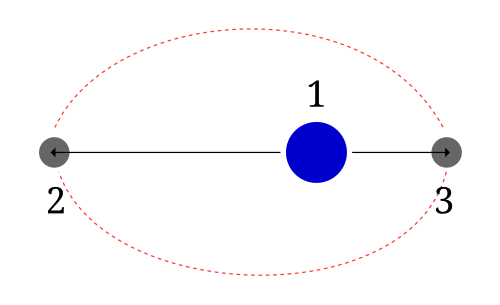
宇宙を漂う惑星や衛星、彗星などの天体は、完全な円ではなく、わずかに歪んだ楕円軌道を描いて主星の周りを回っています。この楕円軌道において、主星に最も近づく点と最も遠ざかる点が存在します。天文学では、これら軌道上の極値点を総称してアプシス(Apsis)と呼びます。
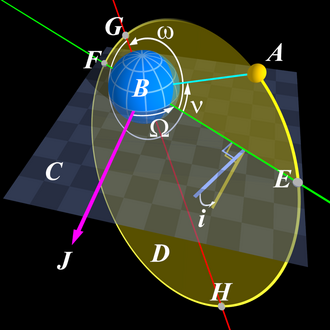
アプシスを結ぶ直線は「アプシス線(軌道長軸)」と呼ばれ、天体が主星から受ける重力の強さや、軌道上の移動速度を決定づける重要な指標となります。
Key Facts
- アプシスとは、軌道上の最短距離(近点)と最長距離(遠点)の総称である。
- 主星の種類によって名称が異なり、太陽なら「近日点・遠日点」、地球なら「近地点・遠地点」と呼ぶ。
- ニュートンの運動法則に基づき、周期的な軌道は基本的に楕円となる。
- 天体は近点付近で速度が最大になり、遠点付近で最小になる。
- 地球の季節は、太陽との距離(アプシス)ではなく、地軸の傾きによってもたらされる。
アプシスの基本概念と名称
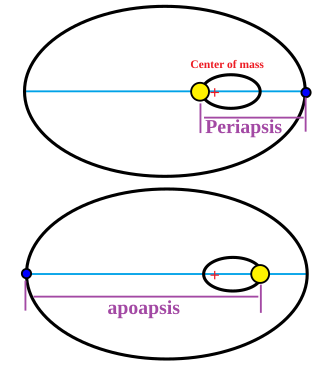
アプシスは、天体が主星の周囲を公転する際に到達する距離の限界点です。一般的に、最も近い点をペリアプシス(Periapsis)、最も遠い点をアポアプシス(Apoapsis)と呼びます。これらの用語は、主星が何であるかによって接尾辞が変化します。
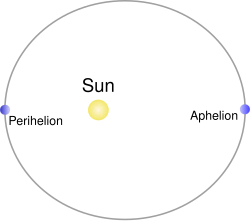
例えば、地球を回る人工衛星や月の場合、最短距離を「近地点(Perigee)」、最長距離を「遠地点(Apogee)」と呼びます。また、太陽を回る惑星や彗星の場合は、「近日点(Perihelion)」と「遠日点(Aphelion)」という言葉が使われます。
主星別の呼称まとめ
天文学では、ギリシャ語やラテン語に由来する多様な呼称が使い分けられています。以下に主要な例を挙げます。
- 太陽: -helion(ヘリオス由来)
- 地球: -gee(ガイア由来)
- 月: -lune / -selene(ルナ/セレネ由来)
- 火星: -areion(アレス由来)
- 木星: -jove(ゼウス/ジュピター由来)
- ブラックホール: -bothron / -nigricon(穴や黒を意味する言葉由来)
地球の近日点と遠日点:季節との関係
地球は太陽の周りを楕円軌道で公転しており、21世紀においては通常1月初旬に近日点(約1億4710万km)に、7月初旬に遠日点(約1億5209万km)に到達します。この距離の差により、遠日点では近日点に比べて太陽放射エネルギーが約93.55%に減少します。
しかし、重要なのは「距離の差は季節の主因ではない」ということです。季節の変化は、地球の自転軸が公転面に対して約23.4度傾いているために起こります。実際、北半球が夏を迎えるのは太陽から最も遠い遠日点の時期と重なっています。北半球の夏が南半球より平均して2.3℃ほど暖かいのは、距離ではなく、比熱の小さい陸地面積が北半球に多いためです。
ただし、アプシスは間接的に季節に影響を与えます。ケプラーの法則により、地球は遠日点付近で速度が遅くなるため、北半球の夏(夏至から秋分まで)は南半球の夏よりも数日分(約93日 vs 89日)長くなる傾向があります。
軌道力学における数学的視点
天体の軌道は、離心率(eccentricity)によってその形状が決まります。離心率が0であれば正円となり、1に近づくほど細長い楕円になります。近点と遠点の距離は、軌道長半径(a)と離心率(e)を用いて以下のように定義されます。
- 近点距離 (rper): (1 − e)a
- 遠点距離 (rap): (1 + e)a
また、天体の速度は距離に反比例します。近点では重力による加速が最大となり、最高速度に達します。逆に遠点では速度が最小となります。この速度変化と距離の関係は、宇宙機の軌道投入やスイングバイなどの航法計算において不可欠な要素です。
太陽系天体のアプシス距離一覧
| 天体名 | 近日点距離 (km) | 遠日点距離 (km) | 距離差 (%) | 日射量差 (%) |
|---|---|---|---|---|
| 水星 | 46,001,009 | 69,817,445 | 34.1% | 56.6% |
| 金星 | 107,476,170 | 108,942,780 | 1.3% | 2.7% |
| 地球 | 147,098,291 | 152,098,233 | 3.3% | 6.5% |
| 火星 | 206,655,215 | 249,232,432 | 17.1% | 31.2% |
| 木星 | 740,679,835 | 816,001,807 | 9.2% | 17.6% |
| 冥王星 | 4,436,756,954 | 7,376,124,302 | 39.8% | 63.8% |
| エリス | 5,765,732,799 | 14,594,512,904 | 60.5% | 84.4% |
観測上の課題と時間的変動
天体の近点通過時刻を正確に予測することは容易ではありません。単純な二体問題(2つの天体のみの相互作用)として計算すると、他の惑星からの重力摂動(乱れ)が考慮されないため、誤差が生じます。特に周期の長い彗星や、太陽から極めて遠い海王星外天体(TNO)の場合、観測期間が短いと軌道決定の不確実性が増大します。
例えば、ある天体の観測データが1年分しかない場合、100年後に訪れる近点通過日の予測に、数十年単位の誤差が生じることがあります。また、地球の近日点・遠日点の時期も、数万年かけて季節を巡る「アプシス歳差」という現象により、長期的に変動し続けています。
Frequently Asked Questions
アプシスとは具体的に何を指しますか?
天体が主星の周りを回る楕円軌道において、最も近づく点(近点)と最も遠ざかる点(遠点)の2つの地点を指します。
地球が太陽に最も近づくとき、夏になりますか?
いいえ。地球が近日点に到達するのは通常1月であり、北半球では冬にあたります。季節は距離ではなく、地軸の傾きによって決まります。
なぜ近点では速度が速くなるのですか?
ケプラーの第2法則(面積速度一定の法則)に基づいています。主星に近いほど重力の影響を強く受け加速し、遠ざかるほど減速するためです。
「近地点」と「近日点」の違いは何ですか?
どちらも「最も近い点」を意味しますが、主星が地球の場合は「近地点(Perigee)」、太陽の場合は「近日点(Perihelion)」と使い分けます。
軌道が完全な円であればアプシスは存在しませんか?
理論上の完全な円軌道では、すべての点が等距離となるため、特定の近点や遠点は存在しません。しかし、実際の天体軌道はほぼすべてがわずかに楕円形をしています。
References
- Difference is defined as
- Insolation difference is defined as


📸 フォトギャラリー